

Showcasing:
Caffeinated Beverage Soaps
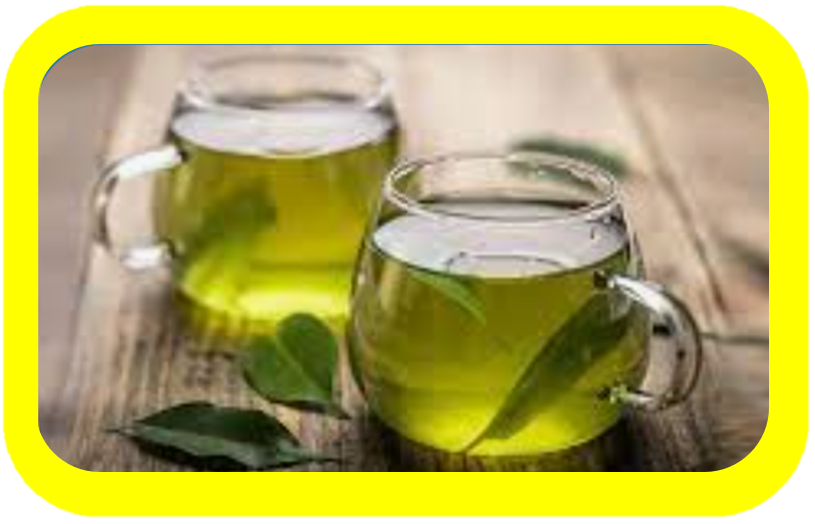
Coffee & Tea
Why I Address These Claims at All
People often ask whether soap made with ingredients like coffee, tea, or other caffeinated liquids can provide benefits such as antioxidant protection, anti-inflammatory or soothing effects, improved circulation, or even a reduced appearance of cellulite. These types of claims are common on marketplaces like Etsy and Amazon—but they fall into the category of medical or drug claims, not soap.
I cover this information for one simple reason: education.
At markets, I regularly hear people say things like, “This kind of soap did this for me—do you have anything like that?” And while I usually respond with a smile, the honest answer is no. I sell soap. Not medicine. Not a cosmetic treatment. Just soap. (I promise I say it more politely than that—most of the time.)
Soap is a rinse-off product, and its role is cleansing and enjoyment—not altering skin function or treating conditions. By explaining what soap can realistically do—and what it cannot—I hope those who choose to read my material walk away with a clearer understanding of what soap truly is:
not a cure, not a treatment, and not a miracle product—just well-made soap for a pleasant bathing experience.
Scientific research consistently shows that rinse-off products like soap have inherent limitations when it comes to delivering active ingredients to the skin. The primary factor is contact time—soap is designed to be applied briefly and rinsed away, which greatly restricts absorption and effectiveness.
Brief Contact Time and Limited Absorption
Studies on the skin barrier demonstrate that meaningful absorption of compounds requires sufficient exposure time. Because soap is rinsed off within seconds, ingredients such as coffee or tea have little opportunity to penetrate the skin in a meaningful way. Any potential properties associated with these ingredients are therefore significantly reduced during normal soap use.
Antioxidant Activity
While ingredients like green tea are well known for their antioxidant content, research indicates that antioxidants require prolonged contact with the skin to offer measurable protective effects. Rinse-off products do not provide the exposure time necessary for antioxidants to function as they might in leave-on formulations.
Anti-Inflammatory and Soothing Properties
Polyphenols found in tea have been studied for their anti-inflammatory potential, but these effects are shown to be most relevant in leave-on products. In soap, the short duration of contact limits the likelihood that such properties can have a noticeable impact.
Circulation and Cellulite Claims
Caffeine has been studied in topical creams for its potential effects on circulation and the appearance of cellulite. However, these effects depend on prolonged, repeated application—conditions that cannot be met by rinse-off products like soap.
General Limitations of Rinse-Off Products
Broad reviews of rinse-off skincare products consistently conclude that short exposure time significantly limits the effectiveness of active ingredients, even when those ingredients show promise in other delivery formats.
The Takeaway
Current scientific evidence indicates that the brief contact time of rinse-off products like soap prevents ingredients such as coffee or tea from providing significant skin-related effects. While these ingredients may have properties of interest in other contexts, their use in soap should be understood as formulation- or experience-driven, not as a means of delivering skincare benefits. Claims suggesting otherwise are not well supported by existing research.
Coffee Soaps

Tea Soaps
Review Policy: I truly appreciate my customers’ honest feedback and am grateful for every review. To keep my website FDA compliant, reviews that include medical, drug, or disease-treatment claims might be edited, shortened, or not published. My products are sold as soap only and are not intended or marketed to diagnose, treat, cure, or prevent any disease or medical condition.
Educational & Informational Disclaimer
The information provided on this website is for educational and informational purposes only. It is intended to share general knowledge about traditional soapmaking, ingredient behavior, historical context, and manufacturing processes.
Nothing on this site is intended to diagnose, treat, cure, or prevent any disease or medical condition. The products offered are classified as soap under FDA guidelines and are not intended to affect the structure or function of the skin or body. Individual experiences and preferences may vary.
Information presented here should not be considered a substitute for professional medical advice, diagnosis, or treatment. If you have a medical condition, skin concern, or sensitivity, please consult a qualified healthcare professional before using any product.
This website may reference or link to third-party scientific, technical, or educational resources for general learning purposes. These references are provided to support transparency and encourage independent research, not as endorsements or medical guidance.
Click here to read the full disclaimer.
Contact me:
Text:
(479) 651-2760
I typically respond to texts almost immediately unless I’m in the middle of making soap.
As soon as I reach a stopping point, I’ll be sure to check and reply.
I check my email daily and will get back to you as soon as possible.