
Showcasing:
Food Purée Soaps
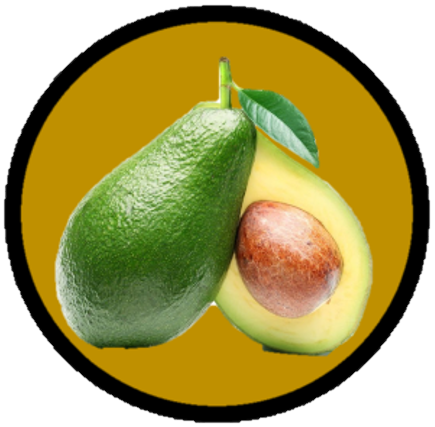
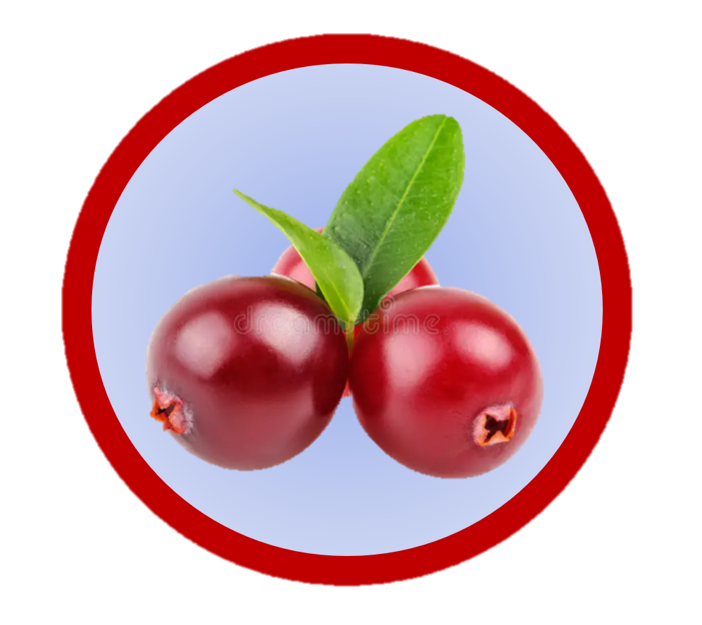
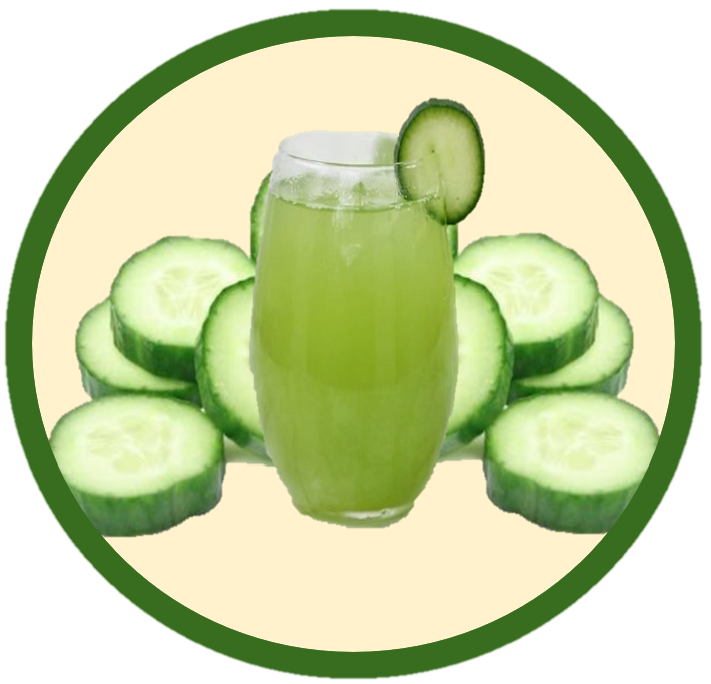
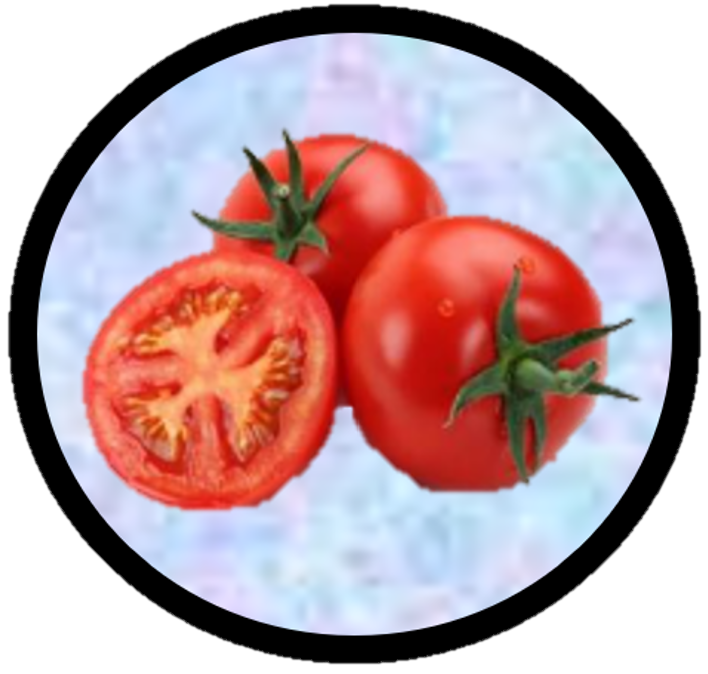
Such as Avocados, Cranberries, & Cucumbers, Tomatoes
This is a common and reasonable question, especially when ingredients like fruit or vegetable purées are used in soapmaking.
The short answer is no—properly made soap does not provide an environment where bacteria, mold, or yeast can thrive.
Why Microbial Growth Isn’t a Concern in Soap
Microorganisms such as bacteria, fungi, mold, and yeast generally thrive within a pH range of approximately 3.5 to 8. Traditional, properly made soap, however, typically has a pH around 9, and occasionally slightly lower, but still well outside the range that supports microbial growth.
If soap were lowered to a neutral pH (around 7), it would no longer remain soap at all. At that point, the soap would chemically break down into its original components—fatty acids and a free alkali solution—resulting in a product that is unstable and potentially irritating. In other words, neutralizing soap destroys the soap itself.
I’ve demonstrated this firsthand in an experiment where I intentionally lowered the pH of liquid soap. As the pH approached that of skin, the mixture visibly separated into a lye-and-water solution with clumps of fatty material floating on top—no longer soap in any functional sense. (This can be seen in my video where I “break” my liquid soap.)
What Happens to Food Ingredients in Soap
Ingredients such as avocado, tomato paste, or cucumber juice contain fatty acids that undergo saponification, becoming part of the soap structure itself. These ingredients may also contain small amounts of unsaponifiable components, but they do not remain in a form that supports spoilage or microbial growth once incorporated into a high-pH soap environment.
The Takeaway
Because of its naturally high pH and chemical structure, properly made soap is self-preserving and does not support the growth of mold, bacteria, or other microorganisms—even when food-based ingredients are used. Concerns about food purées “going bad” in soap are understandable, but they don’t align with the chemistry of how soap actually works.
In soapmaking, unsaponifiables are the naturally occurring components of oils or fats that do not chemically react with lye (sodium hydroxide) during saponification. While the fatty acids in oils are transformed into soap, unsaponifiables remain intact within the finished bar.
These components may include vitamins, waxes, plant sterols, pigments—such as lycopene found in tomato purée—and other minor compounds naturally present in plant-based ingredients. Although they do not become soap themselves, they remain part of the soap’s overall composition after the soapmaking process is complete.
I incorporate food-based ingredients into some of my soap recipes as a creative and formulation-driven choice. These additions are used intentionally and in modest amounts. As a general guideline, I use approximately 1 ounce of purée per pound of oils (PPO). For example, a loaf made with 2 pounds of oils contains only about 2 ounces of purée—a small proportion of the total soap composition.
In certain recipes, such as those using cucumber juice, I may replace some or all of the liquid with the juice itself. This allows me to explore how different liquids behave during the soapmaking process while maintaining consistency and control over the formulation.
Review Policy: I truly appreciate my customers’ honest feedback and am grateful for every review. To keep my website FDA compliant, reviews that include medical, drug, or disease-treatment claims might be edited, shortened, or not published. My products are sold as soap only and are not intended or marketed to diagnose, treat, cure, or prevent any disease or medical condition.
Educational & Informational Disclaimer
The information provided on this website is for educational and informational purposes only. It is intended to share general knowledge about traditional soapmaking, ingredient behavior, historical context, and manufacturing processes.
Nothing on this site is intended to diagnose, treat, cure, or prevent any disease or medical condition. The products offered are classified as soap under FDA guidelines and are not intended to affect the structure or function of the skin or body. Individual experiences and preferences may vary.
Information presented here should not be considered a substitute for professional medical advice, diagnosis, or treatment. If you have a medical condition, skin concern, or sensitivity, please consult a qualified healthcare professional before using any product.
This website may reference or link to third-party scientific, technical, or educational resources for general learning purposes. These references are provided to support transparency and encourage independent research, not as endorsements or medical guidance.
Click here to read the full disclaimer.
Contact me:
Text:
(479) 651-2760
I typically respond to texts almost immediately unless I’m in the middle of making soap.
As soon as I reach a stopping point, I’ll be sure to check and reply.
I check my email daily and will get back to you as soon as possible.