

Showcasing:
Dairy & Plant-Based Milk
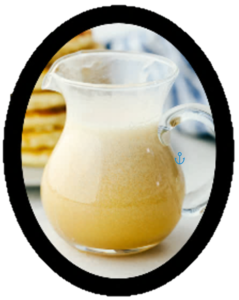
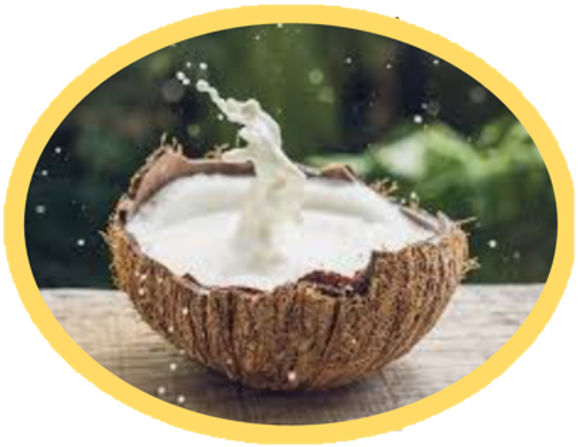
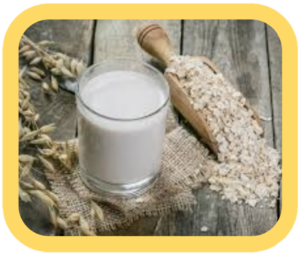
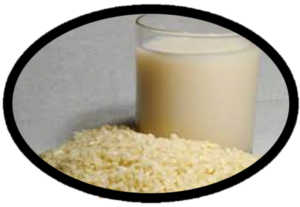
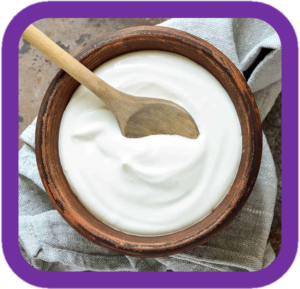
Buttermilk, Coconut Milk, Goat Milk, Oat Milk, Rice Milk, & Yogurt
Do Dairy Products in Soap Provide Any Skin Benefits?
Because soap is rinsed away within seconds, dairy-based ingredients cannot meaningfully interact with the skin or provide nutritional or therapeutic benefits.
Limited Scientific Evidence for Dairy-Based Skin Benefits—Especially in Soap
A systematic review of clinical research investigated whether fermented dairy products have measurable effects on the skin, drawing from studies indexed in the PubMed and Embase databases. Out of 312 articles initially identified, only four met the criteria for inclusion. Of these, three focused on dietary consumption of fermented dairy products, while just one examined topical use.
Although each study reported some level of improvement, the review authors stressed that the findings were early-stage and limited in scope. They concluded that additional, higher-quality research is needed to better determine both the effectiveness of these products and the biological mechanisms involved.
Crucially, this small body of evidence does not justify broad claims—particularly when applied to rinse-off products such as soap. Based on the current scientific literature, there is insufficient evidence to support the idea that dairy-derived ingredients in rinse-off formulations provide meaningful or lasting benefits to the skin.
Source: Effects of Fermented Dairy Products on Skin: A Systematic Review — ResearchGate
The body benefits from nutritious foods because they are broken down through digestion, allowing nutrients to be absorbed into the bloodstream and used to support essential biological functions.
The skin operates very differently. It is designed primarily as a protective barrier and does not absorb nutrients from rinse-off products in any meaningful way. As a result, ingredients added to soap—no matter how nutritious they may be when eaten—do not nourish the skin or produce lasting physiological effects during cleansing.
.
Responding to Customer Question
Many customers ask about dairy-based soaps. While I make no claims about added skin benefits, I enjoy working with these ingredients because they keep soapmaking creative and engaging. When the subject comes up, I take the opportunity to gently educate customers about what soap actually is, how saponification works, and which ingredient characteristics can realistically remain after that process.
I’m careful not to repeat or support cosmetic or medicinal claims that true soap cannot substantiate. Transparency matters to me, and I believe honesty—not hype—should guide how soap is made and discussed.
The Role of Sugars in Soap
I use goat milk primarily for its natural lactose content, which helps enhance lather in soap. Lactose is a sugar, similar in structure to glucose, fructose, and sucrose. These sugars contain hydroxyl (–OH) groups, which influence how soap interacts with water. In practical terms, this contributes to a lather that feels richer and more abundant during use.
The Role of Glycerin
Glycerin is a natural by-product of saponification—the chemical reaction between lye and the fatty acids found in oils, fats, and butters. In true soap, glycerin remains in the finished bar and plays an important role in lather quality, contributing to a smoother, more luxurious feel.
In large-scale commercial soap manufacturing, glycerin is often removed and sold separately for use in products such as lotions and moisturizers. This practice allows manufacturers to replace part of the soap base with synthetic detergents, which behave differently from true soap. When glycerin is retained, as it is in traditional soapmaking, it enhances both performance and user experience.
How Sugars and Glycerin Boost Lather
Short answer:
Their chemical properties disrupt soap’s crystalline structure, increasing solubility and helping soap interact more readily with water—making it easier to build a frothy lather.
Longer explanation:
Both sugars and glycerin are hydrophilic, meaning they readily attract and dissolve in water. Soap molecules, which are partly hydrophobic, benefit from the presence of these water-loving compounds. Sugars and glycerin draw water into the soap more quickly, increasing the rate at which the soap dissolves during use.
Additionally, glycerin forms weak hydrogen bonds with water molecules. This slows evaporation, allowing bubbles in soapsuds to last longer and giving the lather a creamier, more stable feel.
If you’ve ever seen the classic science activity often called “glycerin bubbles” or “super bubbles,” you’ve seen this principle in action. Adding glycerin to a bubble solution makes bubbles stronger and longer-lasting—the same basic chemistry applies to lather in soap.
The Pleasure of Using True Soap
The natural combination of glycerin and sugars in goat milk soap creates a lather I genuinely enjoy using. It enhances everyday handwashing and bathing, offering a sensory experience that detergent-based cleansers—while effective at cleaning—simply don’t replicate. It’s one of the reasons I continue to appreciate the character and performance of true soap.
No—it isn’t. Dairy ingredients enhance the lather in soap, contributing to a creamier, more enjoyable washing experience. Based on my own experience, as well as insights shared by other soap crafters, the improved lather quality and texture are meaningful benefits, even without making claims about added skin effects.

Review Policy: I truly appreciate my customers’ honest feedback and am grateful for every review. To keep my website FDA compliant, reviews that include medical, drug, or disease-treatment claims might be edited, shortened, or not published. My products are sold as soap only and are not intended or marketed to diagnose, treat, cure, or prevent any disease or medical condition.
Educational & Informational Disclaimer
The information provided on this website is for educational and informational purposes only. It is intended to share general knowledge about traditional soapmaking, ingredient behavior, historical context, and manufacturing processes.
Nothing on this site is intended to diagnose, treat, cure, or prevent any disease or medical condition. The products offered are classified as soap under FDA guidelines and are not intended to affect the structure or function of the skin or body. Individual experiences and preferences may vary.
Information presented here should not be considered a substitute for professional medical advice, diagnosis, or treatment. If you have a medical condition, skin concern, or sensitivity, please consult a qualified healthcare professional before using any product.
This website may reference or link to third-party scientific, technical, or educational resources for general learning purposes. These references are provided to support transparency and encourage independent research, not as endorsements or medical guidance.
Click here to read the full disclaimer.
Contact me:
Text:
(479) 651-2760
I typically respond to texts almost immediately unless I’m in the middle of making soap.
As soon as I reach a stopping point, I’ll be sure to check and reply.
I check my email daily and will get back to you as soon as possible.