

Showcasing:
Other Favorite Liquids I use
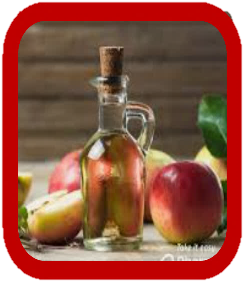
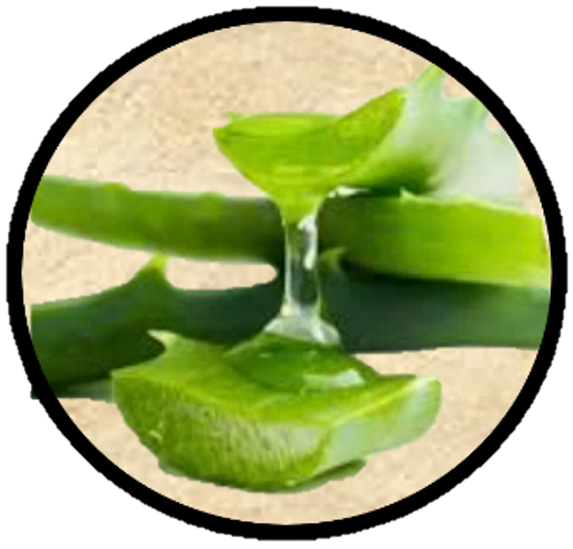
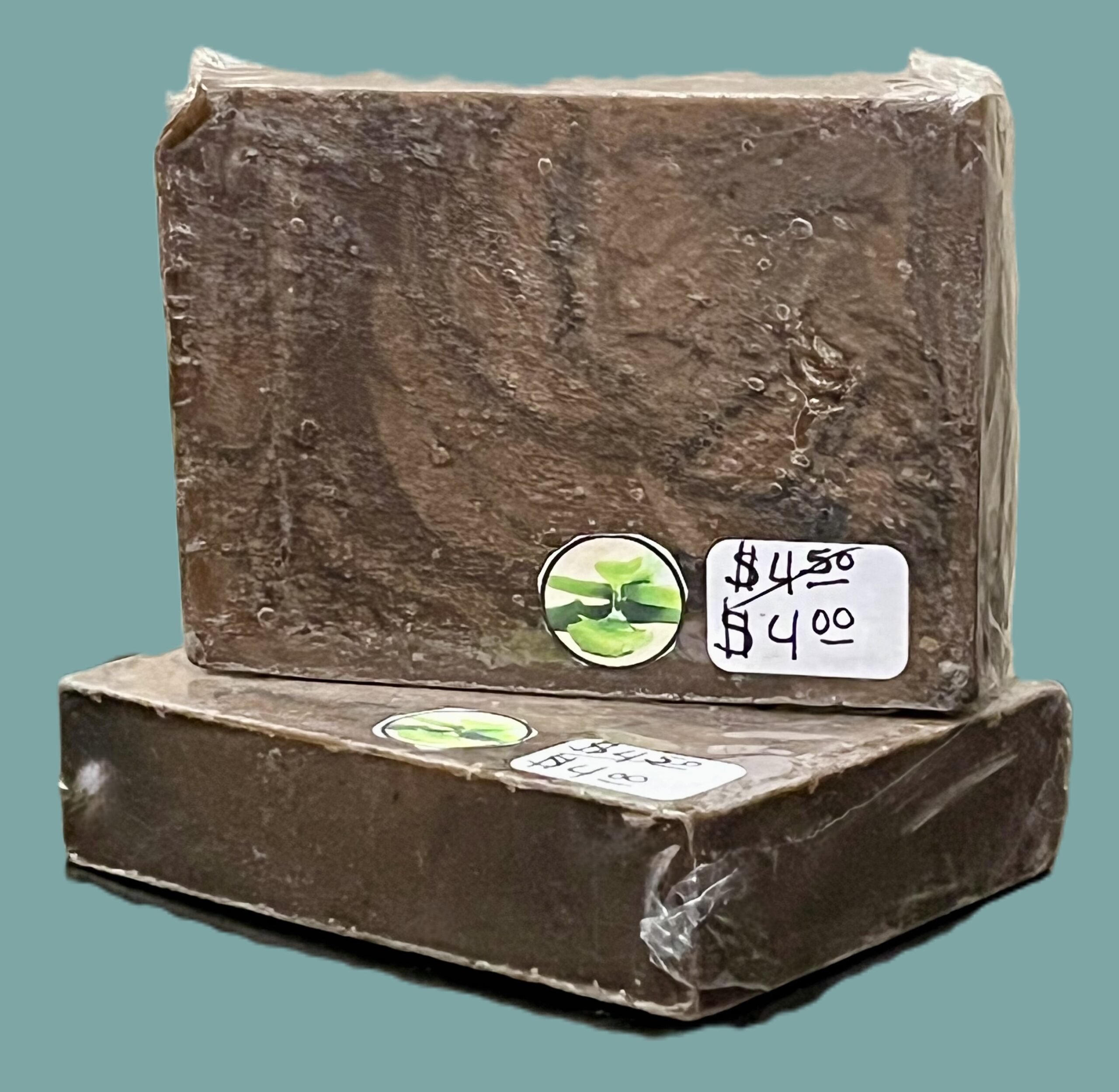
Such as ACV, Aloe Vera Juice, & Infused Hops Water
I make fewer soaps with these three liquid components, they’re not as popular as the dairy-base soaps
IIf you’ve explored my pages on soaps made with puréed foods or goat milk, you’re already familiar with my perspective on whether soaps made with food or drink ingredients provide meaningful skin benefits. To maintain full transparency—and to avoid simply repeating commonly marketed claims—I begin each section with an explanation of the chemistry behind soap. This foundation helps ensure that readers, especially those new to soapmaking, have a clear understanding of how soap actually works before any specific ingredients are discussed.
When we consume food and beverages, the digestive system breaks them down to extract nutrients such as vitamins, minerals, and antioxidants. These nutrients are absorbed into the bloodstream and distributed throughout the body, where they support a wide range of biological functions—including skin health. For example, vitamin C from fruits plays a role in collagen formation, while omega-3 fatty acids from fish contribute to maintaining the skin’s protective barrier.
Vitamin C and Collagen Formation
Research published in Nutrients (2017) highlights vitamin C’s essential role in collagen synthesis. Vitamin C is required for the hydroxylation of proline and lysine, amino acids that give collagen its stability and structure. This process is fundamental to maintaining skin strength, elasticity, and overall integrity.
Omega-3 Fatty Acids and the Skin Barrier
A review published in The Journal of Clinical and Aesthetic Dermatology (2018) discusses the role of omega-3 fatty acids—particularly EPA and DHA—in supporting the skin’s lipid barrier. These fatty acids are associated with anti-inflammatory activity and help maintain hydration and resilience against environmental stressors.
Together, these studies illustrate how nutrients obtained through dietary intake can contribute to skin health through internal biological pathways.
However, it’s important to draw a clear distinction: soap is a rinse-off product. It does not deliver nutrients into the bloodstream, nor does it remain on the skin long enough to support the complex processes described above. Current scientific evidence does not support claims that soaps containing vitamins, antioxidants, or fatty acids provide cosmetic or medicinal benefits comparable to those achieved through nutrition or leave-on products.
The skin does not process ingredients in the same way the digestive system does. Its primary function is to act as a protective barrier, limiting what can pass from the outside environment into the body. While certain cosmetic ingredients can provide effects when applied topically, this occurs only under specific conditions and with formulations designed to support absorption.
Products such as creams, serums, and masks are engineered to remain on the skin for extended periods and may include delivery systems that enhance penetration. This prolonged contact time is a key factor in whether an ingredient can interact meaningfully with the skin.
What the Research Shows
Skin as a Barrier
Research on skin barrier function emphasizes that the skin’s outer layers are designed to restrict permeability and protect against external substances.
Elias, J. A. (2012). Skin Barrier Function. Dermatologic Therapy, 25(6), 102–105.
Percutaneous Absorption Depends on Formulation
Studies examining percutaneous absorption show that only substances with specific chemical properties—and appropriate delivery systems—are able to penetrate the skin barrier.
Smith, A. L. (2017). Percutaneous Absorption of Drugs and Other Chemicals. Journal of Dermatological Science, 86(2), 149–154.
Contact Time Matters
Research also demonstrates that extended contact time significantly influences absorption and effectiveness. Products designed to stay on the skin allow more opportunity for interaction than those that are quickly removed.
Hargrove, C. M., et al. (2019). The Role of Contact Time in Skin Penetration and Efficacy of Topical Agents. International Journal of Cosmetic Science, 41(1), 95–105.
Soap is a rinse-off product, meaning it remains on the skin only briefly before being washed away. Because of this short contact time, there is little opportunity for meaningful interaction between the ingredients and the skin.
By contrast, leave-on products—such as face masks, serums, or creams—stay on the skin for extended periods. This prolonged contact allows certain ingredients to interact more effectively with the skin’s surface.
A helpful example is activated charcoal. When used in a facial mask, activated charcoal may help draw out surface impurities because it remains in contact with the skin for several minutes. In soap, however, activated charcoal is rinsed away almost immediately, limiting its ability to perform the same function.
Leave-On vs. Rinse-Off: What Research Shows
Studies comparing leave-on and rinse-off skincare products consistently show that leave-on formulations tend to provide more noticeable benefits. The primary reason is simple: extended contact time. When an ingredient remains on the skin longer, it has more opportunity to interact with the outer layers of the skin.
Research on activated charcoal supports this distinction as well. Its effectiveness in facial masks is tied to sustained skin contact, while its impact in rinse-off products like soap is inherently limited.
What This Means for Soap
These findings highlight an important point: soap is designed to cleanse, not to deliver long-lasting skin treatments. While some soap ingredients may have beneficial properties, their effects are constrained by the brief nature of washing.
Final Thoughts
Although the skin can benefit from certain topical ingredients in cosmetics, it does not process them the way the digestive system processes food and drink. Ingredients in soap—no matter how beneficial they may be in other formats—cannot provide the same effects as those in leave-on products because they simply do not remain on the skin long enough.
Understanding the difference between digestion and topical exposure helps set realistic expectations and clears up many common misconceptions about what soap can—and cannot—do.
Apple Cider Vinegar (ACV)
pH Balance: Many people believe ACV helps support a balanced skin pH, which they associate with reduced irritation or breakouts.
Antibacterial and Antifungal Reputation: ACV is frequently discussed as having antimicrobial properties, leading some to believe it may help with concerns such as acne or dandruff.
Gentle Exfoliation: Because ACV contains acetic acid, it is sometimes thought to offer mild exfoliating effects that contribute to smoother-looking skin.
Hops-Infused Water
Soothing Qualities: Hops are commonly associated with calming and anti-inflammatory effects, appealing to those with sensitive or easily irritated skin.
Antioxidant Appeal: Some customers are drawn to hops for their antioxidant content, which is often linked to protection from environmental stressors.
Perceived Anti-Aging Benefits: Antioxidants are frequently marketed as anti-aging, making hops attractive to those seeking youthful-looking skin.
Aloe Vera Juice
Hydration: Aloe vera is well known for its moisturizing reputation, leading many to believe it enhances skin hydration when used in soap.
Healing Associations: Aloe is commonly linked with soothing minor burns or skin irritation, so customers may expect similar benefits in a cleansing bar.
Gentle, Calming Image: Its association with sensitive skin makes aloe a popular choice for those seeking mild, comforting products.
Why These Benefits Are Limited in Soap
While these ingredients are well known for certain properties in other formats, their effectiveness in soap is inherently limited for several reasons:
Soap Is a Rinse-Off Product: Soap is on the skin only briefly before being washed away, leaving little opportunity for ingredients to interact meaningfully with the skin.
Saponification Changes Ingredients: The soapmaking process involves a chemical reaction between fats and an alkali. This process can alter, reduce, or neutralize many properties associated with these ingredients in their original form.
Minimal Contact Time: Even if some characteristics remain after saponification, the short exposure during washing limits any potential benefit compared to leave-on products like lotions or serums.
Why Customers Still Look for These Ingredients
Despite these limitations, many customers continue to seek out soaps made with these ingredients:
Natural and Holistic Preferences: Many consumers feel more comfortable using products made with familiar, plant-based ingredients they associate with wellness.
Marketing Influence: Ingredient benefits are often promoted broadly, even when those benefits apply more accurately to leave-on products. I find it frustrating to see advertising built on half-truths or exaggerated claims, which is why I’m committed to selling my soap honestly and without misleading promises.
Personal Experience: Positive experiences with these ingredients in other products can lead customers to assume the same results will apply in soap.
In Summary
While customers may seek soaps containing ingredients like apple cider vinegar, hops-infused water, or aloe vera juice for their perceived skin benefits, the nature of soap as a rinse-off product significantly limits what these ingredients can realistically deliver. Traditional soap excels at cleansing—but it cannot provide the same benefits as leave-on skincare products, regardless of the ingredients used.
This understanding helps set realistic expectations and supports informed, transparent choices—both for soapmakers and the customers who value them.

Review Policy: I truly appreciate my customers’ honest feedback and am grateful for every review. To keep my website FDA compliant, reviews that include medical, drug, or disease-treatment claims might be edited, shortened, or not published. My products are sold as soap only and are not intended or marketed to diagnose, treat, cure, or prevent any disease or medical condition.
Educational & Informational Disclaimer
The information provided on this website is for educational and informational purposes only. It is intended to share general knowledge about traditional soapmaking, ingredient behavior, historical context, and manufacturing processes.
Nothing on this site is intended to diagnose, treat, cure, or prevent any disease or medical condition. The products offered are classified as soap under FDA guidelines and are not intended to affect the structure or function of the skin or body. Individual experiences and preferences may vary.
Information presented here should not be considered a substitute for professional medical advice, diagnosis, or treatment. If you have a medical condition, skin concern, or sensitivity, please consult a qualified healthcare professional before using any product.
This website may reference or link to third-party scientific, technical, or educational resources for general learning purposes. These references are provided to support transparency and encourage independent research, not as endorsements or medical guidance.
Click here to read the full disclaimer.
Contact me:
Text:
(479) 651-2760
I typically respond to texts almost immediately unless I’m in the middle of making soap.
As soon as I reach a stopping point, I’ll be sure to check and reply.
I check my email daily and will get back to you as soon as possible.