The Complex Structure of Hair: A Deep Dive into Its Layers and Bonds

Three Layer of Fibrous Structures--

built for strength

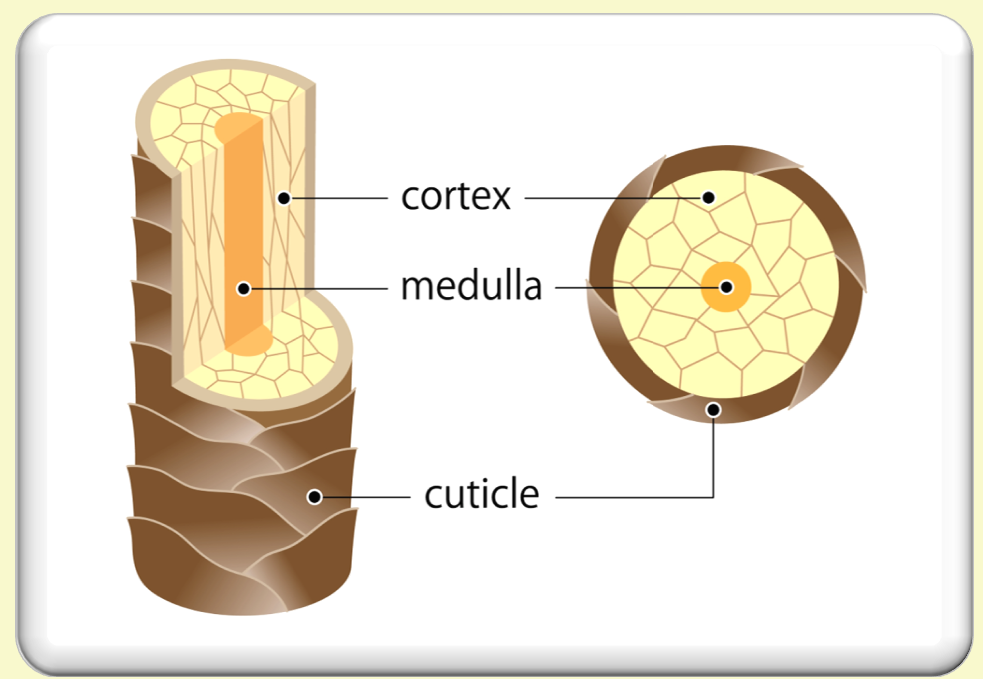
Diagram #1 image from Shutterstock

1. The Cuticle: The Protective Outer Layer

  • Structure and Functionality
  • Porosity and Its Impact on Moisture Retention
  • The Role of Cuticle Damage in Hair Health
  • Protects the Cortex
  • Consists of Layers of Scales
  • Rises and Lowers Due to External Forces

2. The Cortex: Strength, Flexibility, and Color

  • Bulk and Melanin Content
  • The Importance of Side Bonds
  • European Traits in Hair Pigmentation
  • Imparts strength, flexibility, and elasticity
  • Contains metabolized amino acids which gives color

3. The Medulla: The Innermost Layer

  • Characteristics and Variations
  • Medulla’s Role in Hair Types
  • Not All Types of Hair Have a Medulla

The Cortex cell area deserves its own section. Occupying about 75% of hair, each irregular shape seen within the cortex consists of spindle-shaped superstructures which have the propensity to unravel due to damage, like split ends or breaks in the hair.

THE CUTICLE

The cuticle is the outermost layer of the hair and resembles overlapping shingles or fish scales. It typically consists of 5–10 thin layers of flattened, dead cells that wrap around and protect the cortex beneath.


This layered structure acts as a protective barrier, helping shield the inner hair fiber from physical, chemical, and environmental damage. The cuticle also plays a key role in regulating moisture within the hair shaft—an essential factor in maintaining strength, flexibility, and resilience.


When cuticle layers are overly raised (high porosity), moisture can enter the hair easily but escapes just as quickly, leaving hair dry, rough, and prone to breakage. When the layers are tightly compacted (low porosity), moisture has difficulty penetrating the hair at all, which can also result in dryness and dehydration.


Damage to the cuticle can compromise the hair’s internal structure, including the disulfide bonds that contribute to strength and shape. In later sections, we’ll explore how grooming practices, chemical treatments, and environmental exposure can affect these bonds and ultimately impact hair integrity.


To see the damage to these bonds, click here to watch YouTube videos showcasing split ends and severely damaged hair, examined under microscopes and even an electron microscope.

THE CORTEX

The cortex makes up the majority of the hair shaft and contains melanin, the pigment responsible for hair color. There are two primary types of melanin found in hair: eumelanin, which produces black and brown tones, and pheomelanin, which is responsible for red hues.

Structurally, the cortex is reinforced by long keratin filaments held together by three types of side bonds: disulfide bonds (chemical), hydrogen bonds (physical), and salt bonds (physical). The condition of these bonds is closely linked to the health of the cuticle. Together, they give hair its strength, elasticity, and ability to withstand everyday stress.

While researching this section, I came across some fascinating information from MedlinePlus, National Library of Medicine regarding melanin. One discovery helped explain why my sister’s blonde hair gradually darkened over time—it turns out this is a common trait among people of European descent. A small detail, but such an interesting one!

THE MEDULLA

The medulla, also referred to as the pith or marrow, is the innermost layer of the hair shaft. Unlike the cuticle and cortex, the medulla is not always present and can vary significantly in appearance from one hair fiber to another.


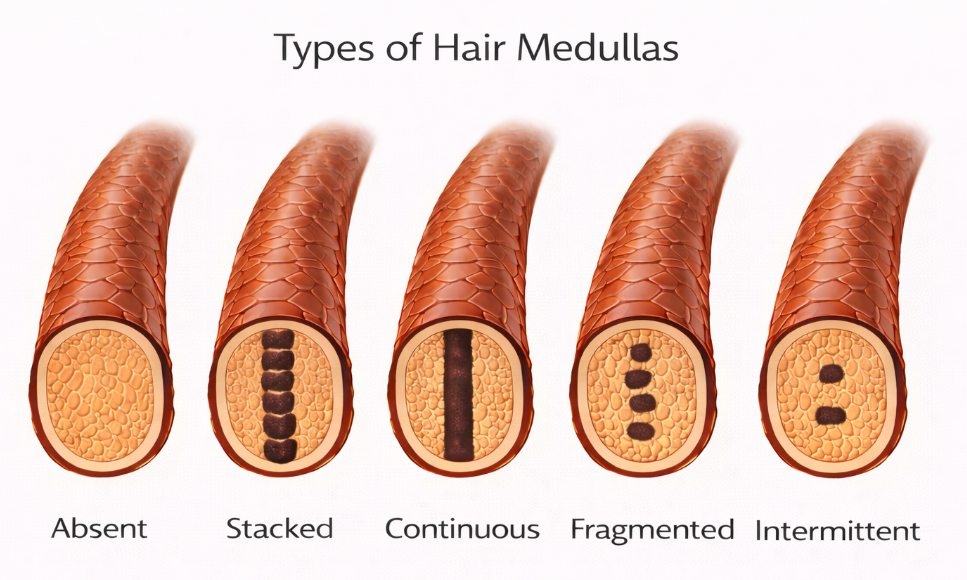
When present, the medulla may appear in several forms, including continuous, intermittent, fragmented, stacked, or a combination of these patterns. In many individuals—particularly those with fine or blonde hair—the medulla may be completely absent. Its absence does not affect how hair behaves or how it responds to common hair treatments such as coloring, perming, or styling.


As the softest and most delicate of the three hair layers, the medulla contributes very little to the hair’s overall strength, elasticity, or structural integrity. Its function remains less clearly defined compared to the cuticle and cortex, and it plays a minimal role in everyday hair performance.


Diagram 4 illustrates the various medulla patterns observed in hair fibers.

Diagram #2, image AI generated

As the softest and most delicate of the three hair layers, the medulla plays a minimal role in the overall structure and function of the hair.

BONDS THAT CREATE STRENGTH & ELASTICITY

Have you ever stopped to marvel at how the human body creates something remarkable from what seems like almost nothing? Or maybe it’s something you’ve never really thought about before.


Either way, I love this perspective:
“Seeing yourself as a living experiment is a fun way to live. It puts YOU in control, helping you realize the significant power you have over how you and your body feel through the choices you make in your daily experiments.” (UniMed)


The formation of something as seemingly simple as a strand of hair—built from atoms far too small to see with the naked eye—is a striking example of the body’s ingenuity. As hair forms, critical chemical and physical bonds are created to hold keratin filaments together, giving hair its strength, flexibility, and resilience.


It’s a powerful reminder of just how sophisticated—and impressive—the human body truly is.

THE CREATION OF HAIR--

from nothing to something, well not actually

DIAGRAM 5,  THE COMPLEX STRUCTURE OF A HAIR STRAND (BEARD AND SCALP)

I’ve explored countless sources to gather both visual and written insights into the intricate and fascinating structure of hair. Knowledge is power, and my goal is to share an understanding that hair—and beards—are only as strong as their weakest link, quite literally.

All images below are AI-generated 

The journey from atoms to hair is truly captivating.


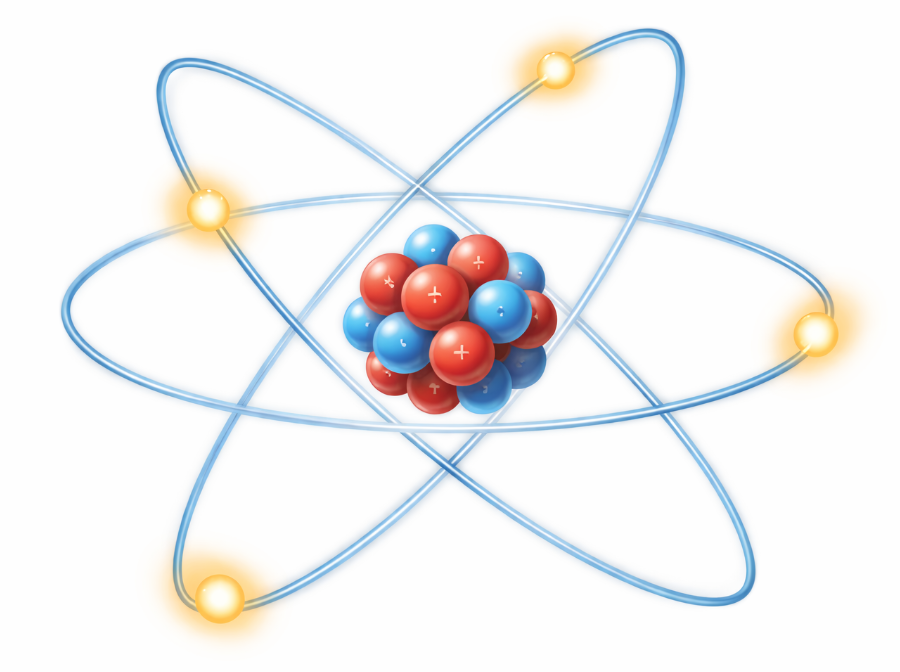
Beard and scalp hair both begin at the atomic level, where individual atoms come together to form increasingly intricate and complex structures that ultimately create a single strand of hair.

.

DIAGRAM #3,  Atom

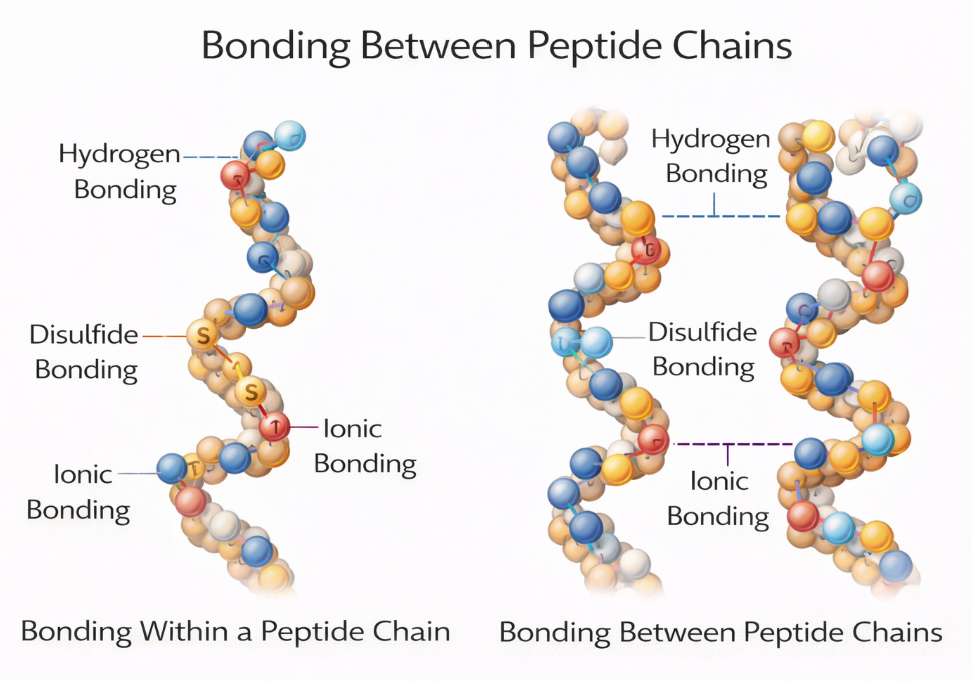
These bonds are:

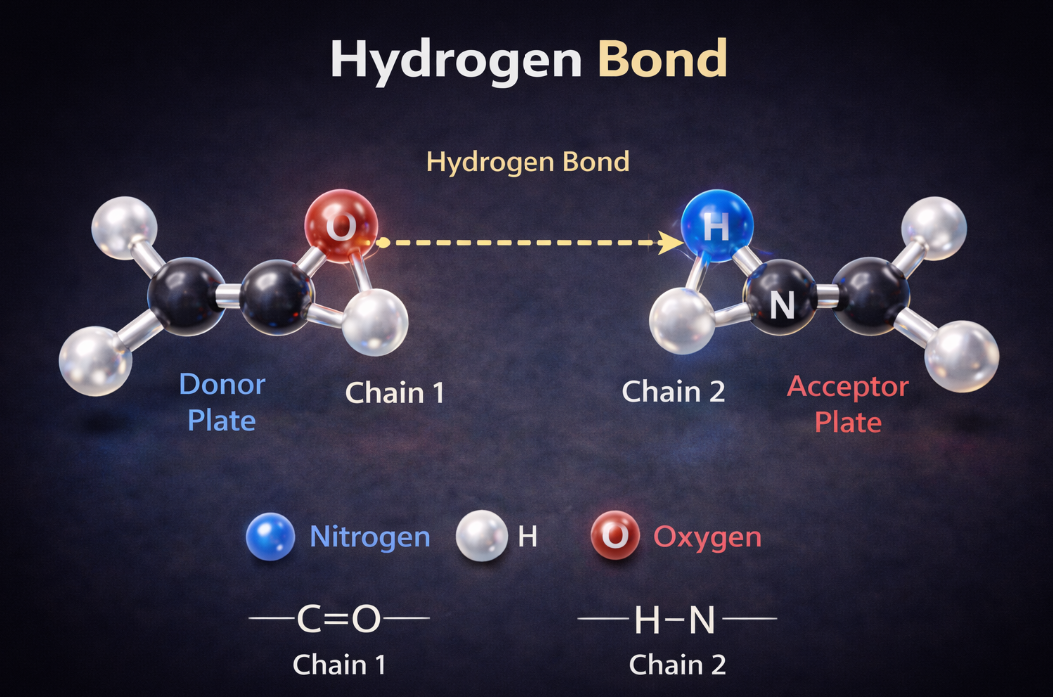
  1. Hydrogen bonds
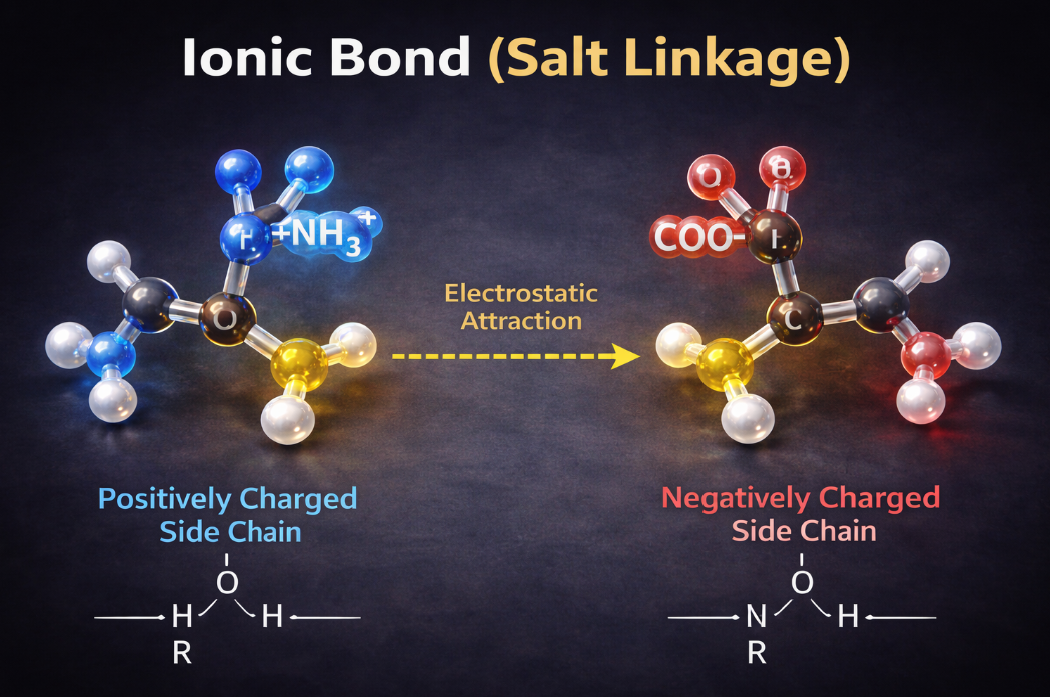
  2. Salt Bonds (aka, ionic bonds)    
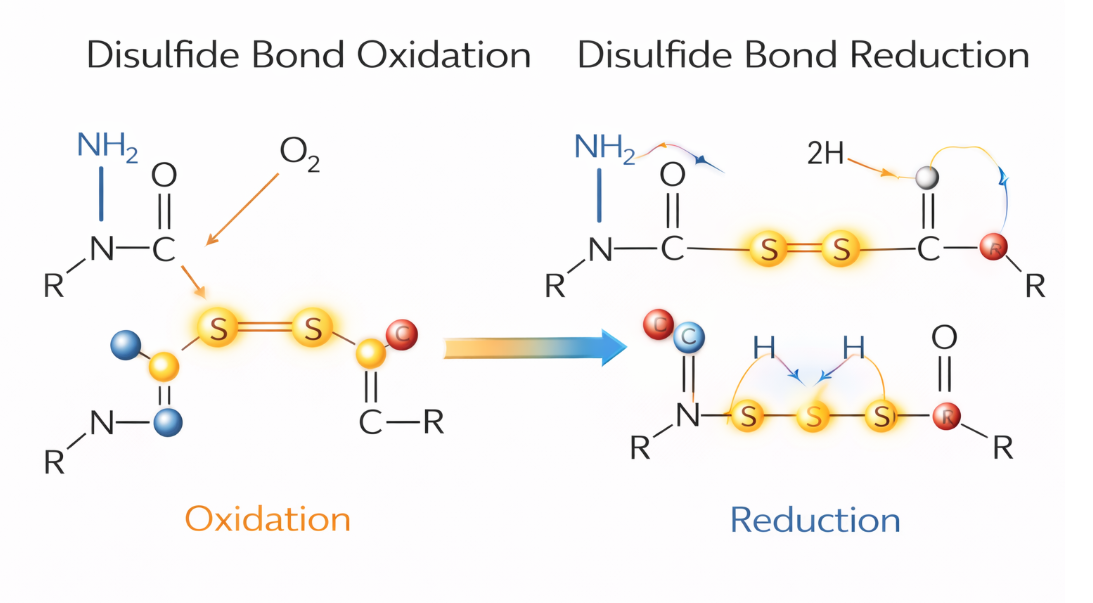
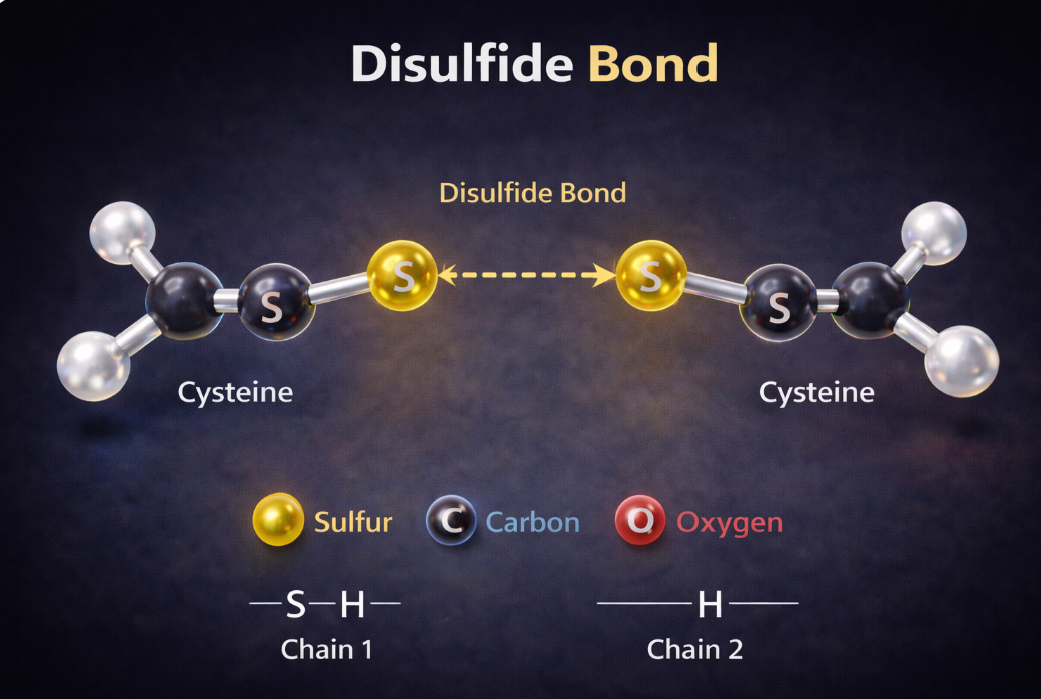
  3. Disulfide bonds (aka, sulfur & cystine bonds)  


A description of each bond type can be found to the right (source).


The details for each bond shown are outlined below. Temporary bonds, such as hydrogen bonds, contribute to hair’s flexibility and elasticity, while permanent bonds, such as disulfide bonds, provide long-lasting strength and resistance to damage. In addition to these, hair also contains ionic (salt) bonds and sugar bonds, each playing a supporting role in overall hair structure.


Disulfide Bonds (Permanent)

Disulfide bonds are permanent covalent bonds formed between sulfur atoms. In hair, cysteine is the only amino acid that contains sulfur, making it essential to hair’s strength and shape. These bonds are responsible for hair’s durability and resistance to chemical and mechanical stress.


Interesting side note: sulfur is also what causes the strong odor you notice when hair burns.


Ionic (Salt) Bonds

Ionic bonds—also known as salt linkages—are formed by the attraction between positively and negatively charged side chains of certain amino acids. These bonds are sensitive to changes in pH, meaning they can be disrupted by acidic or alkaline conditions but will reform once balance is restored.


Hydrogen Bonds (Temporary)

Hydrogen bonds form when hydrogen atoms covalently bonded to highly electronegative elements—such as nitrogen or oxygen—interact with lone electron pairs on nearby electronegative atoms. While fluorine can participate in hydrogen bonding, it is not present in hair proteins; nitrogen and oxygen, however, are abundant.


Hydrogen bonds contribute up to 30% of hair’s strength and up to 50% of its elasticity. These bonds are easily broken by heat or water, which is why hair can temporarily change shape during styling—but returns to its original form once the bonds reform.


The Alpha Helix Structure

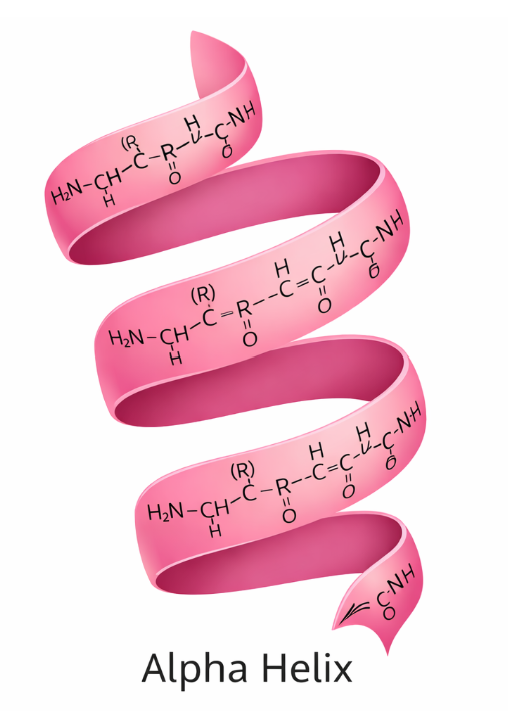
The alpha helix refers to the coiled structure of the polypeptide chains that form keratin, the primary protein in human hair. In this configuration, amino acids link together to create a spiral structure, with approximately 3 to 6 amino acids per turn of the helix. This coiled arrangement is fundamental to hair’s strength, flexibility, and resilience.

DIAGRAM 4a,  Bonds within Hair

DIAGRAM 4b,  Disulfide Bond


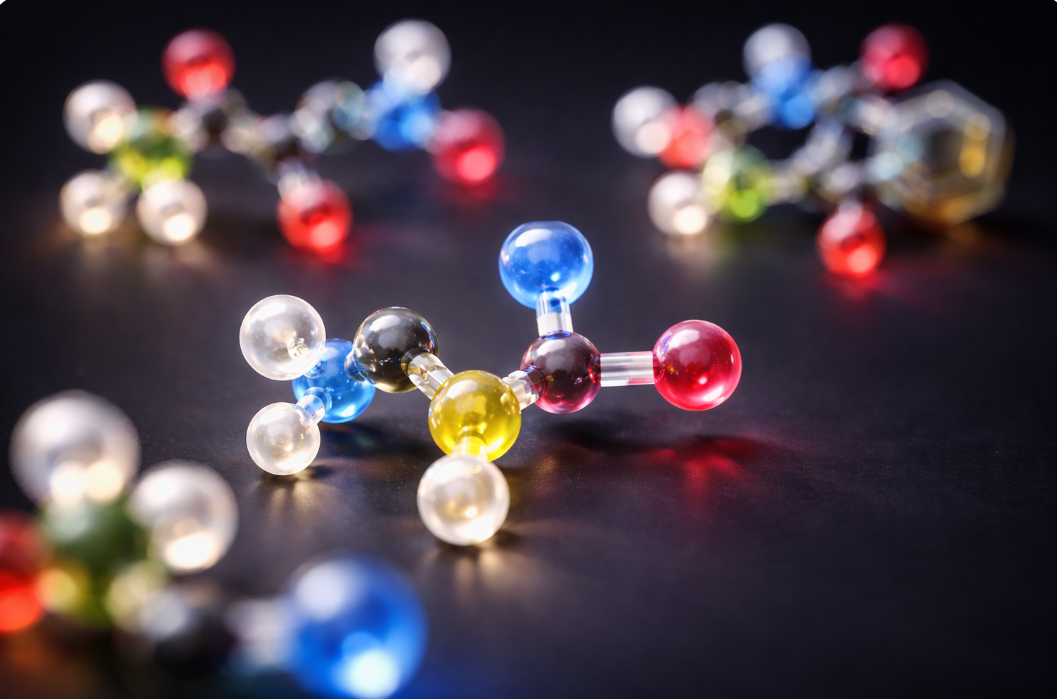
Atoms combine to form amino acid molecules, which are the fundamental building blocks of proteins. These amino acids link together to form chains that can vary widely in length—ranging from as few as two amino acids to as many as 2,000 or more.


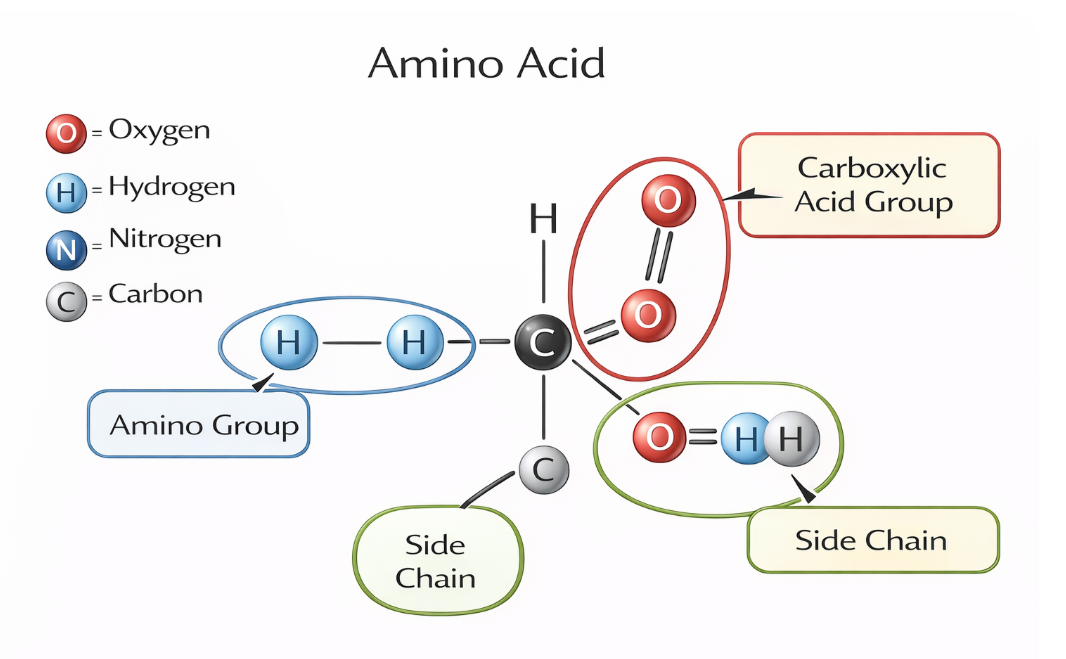
Each amino acid is composed of four basic components:

  • an amino group,

  • a central (alpha) carbon atom,

  • an acidic carboxyl group, and

  • an organic R group, also known as the side chain.


The R group, or variable group, is made primarily of carbon, hydrogen, and oxygen, but its specific structure differs from one amino acid to another. This side chain determines the unique properties of each amino acid, including its size, shape, polarity, and pH behavior—factors that ultimately influence how proteins form and function.

DIAGRAM #5a,  Amino Acids

DIAGRAM #5b,  Amino Acids Structure

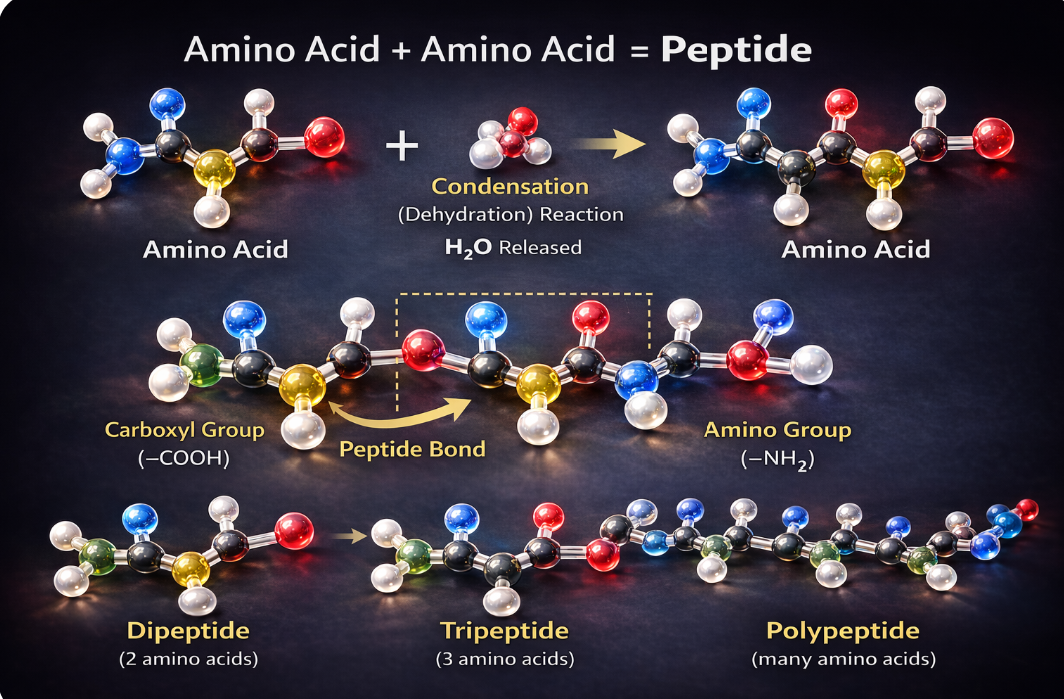
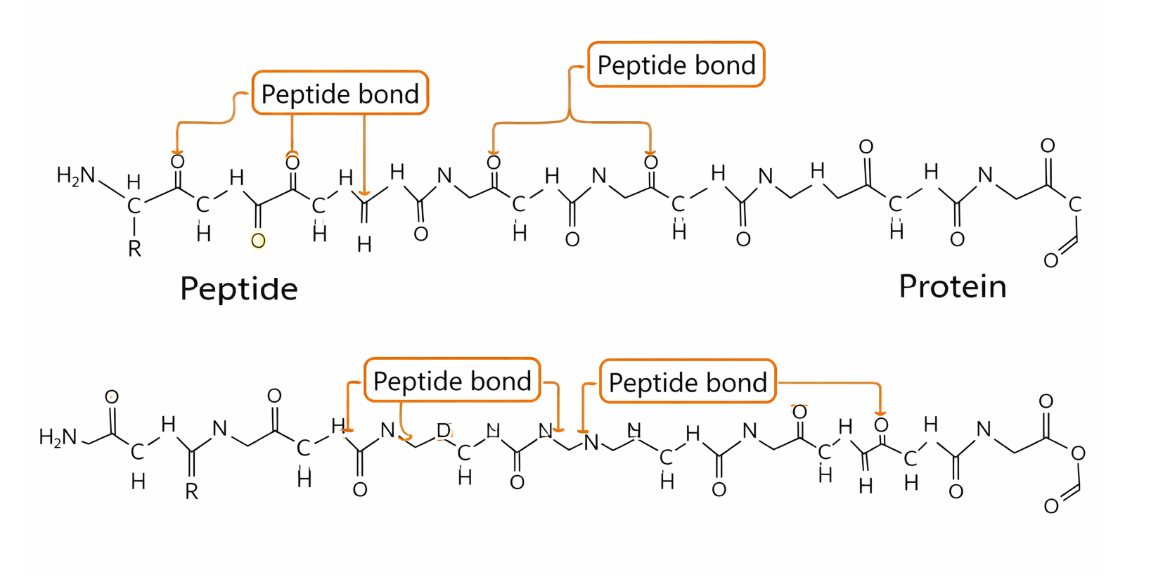
The main difference between peptides, polypeptides, and proteins lies in their size, which is determined by the length of the amino acid chain.


A peptide consists of two or more amino acids.


As shown in Diagram #8, amino acids combine through a dehydration reaction, where a peptide bond is formed and H2O (water) is produced.

DIAGRAM #6  Peptide

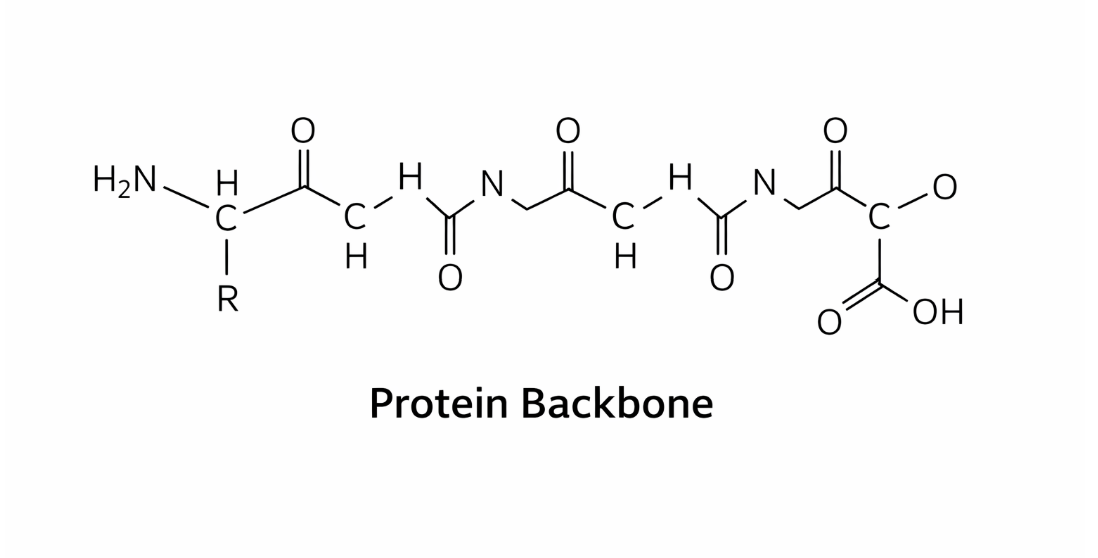
DIAGRAM #7a Polypeptides & Proteins–Backbone

DIAGRAM #7b Polypeptides & Proteins–Backbone

The primary structure of a protein is its polypeptide chain—a linear sequence of amino acids connected in a specific order. This sequence contains a repeating structural unit known as the main chain, or protein backbone.


The secondary structure refers to how this linear chain folds locally. One of the most common secondary structures is the alpha helix (Diagram 10), illustrated below, where the polypeptide coils into a stable, spiral shape.


Polypeptide chains typically consist of 10 or more amino acids. Once a chain reaches approximately 50 amino acids, it is generally classified as a protein rather than a peptide. Most peptides naturally occurring in the human body contain around 20 amino acids, though lengths can vary depending on function.

DIAGRAM #7c,  Polypeptides & Proteins–Peptide Bond

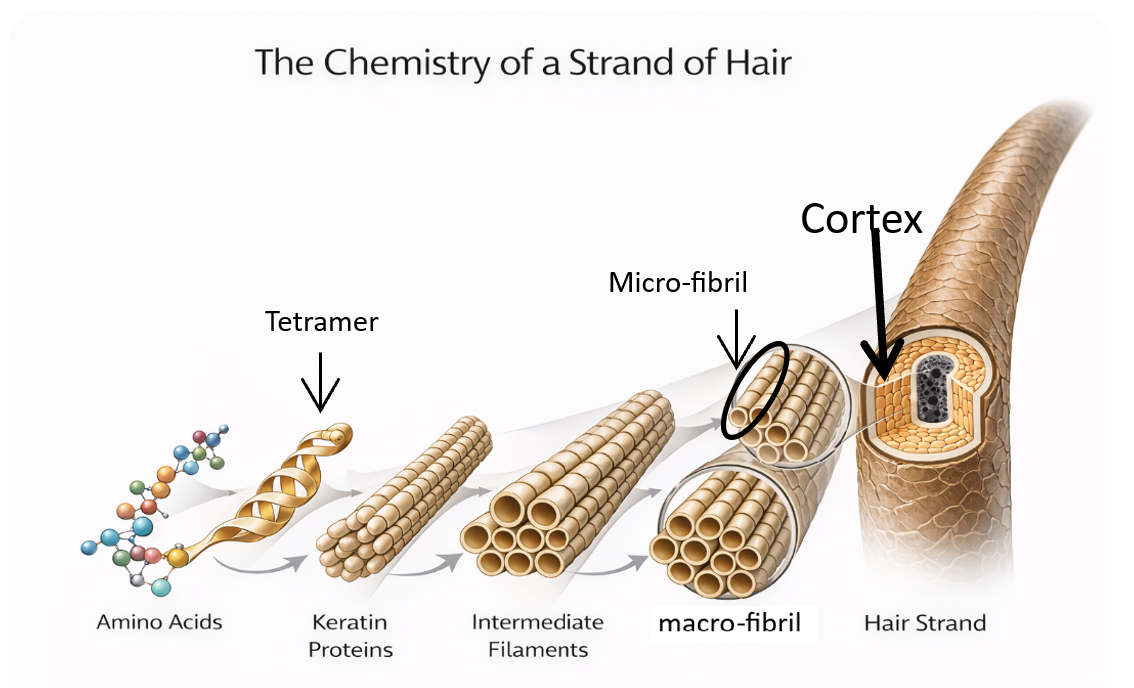
Tensile strength and elasticity are defining features of intermediate filaments (IFs), which play a critical role in the structural integrity of hair. This section explores the architectural hierarchy of hair—because hair is anything but simple.


Much like humans design elaborate support systems for grand structures (think cathedrals and suspension bridges), the body constructs hair using strategically arranged protein assemblies. These proteins organize themselves into rope-like formations, creating some of the strongest and most resilient biological materials found in nature.


Within the cortex, bundles of protein strands are composed of approximately 50–60% alpha-keratins, which exist in two complementary subtypes:

  • Type I keratin (acidic)

  • Type II keratin (basic)


As discussed earlier, each alpha-keratin initially forms a right-handed alpha helix. When one Type I keratin pairs with one Type II keratin, the two helices twist together to form a left-handed coiled-coil structure.


This pairing marks the first major step in hair’s internal support system, giving rise to the intermediate filament (IF)—the fundamental tensile unit responsible for hair’s strength, flexibility, and resistance to breakage.

DIAGRAM #8, An Alpha Helix

AKA, α-Helix

If you enjoy Science, the Open.edu site has extensive info, even multiple pages that can be accessed at the bottom of the pages. 

Cortex Cell Area

---from bottom up

DIAGRAM #9, The Fibers that Create Hair

Fibril's Structural Hierarchy--

hair's fracture-resistant & elasticity mechanisms

Tensile strength and elasticity are defining features of intermediate filaments (IFs). This section explores the architectural hierarchy of hair, revealing how structure gives rise to strength.


Much like humans design specialized support systems for elaborate buildings, the body relies on strategically arranged protein structures. These proteins assemble into rope-like formations, creating some of the strongest and most resilient biological materials found in nature.


Within the cortex, bundles of protein strands are composed of approximately 50–60% alpha-keratins. There are two subtypes of alpha-keratin: Type I (acidic) keratin and Type II (basic) keratin. As discussed earlier, an alpha helix forms a right-handed coil. When Type I and Type II keratins interact, they twist together to form a left-handed coiled-coil.


This pairing represents the first step in hair’s internal support system, giving rise to the intermediate filament (IF).

DIMER

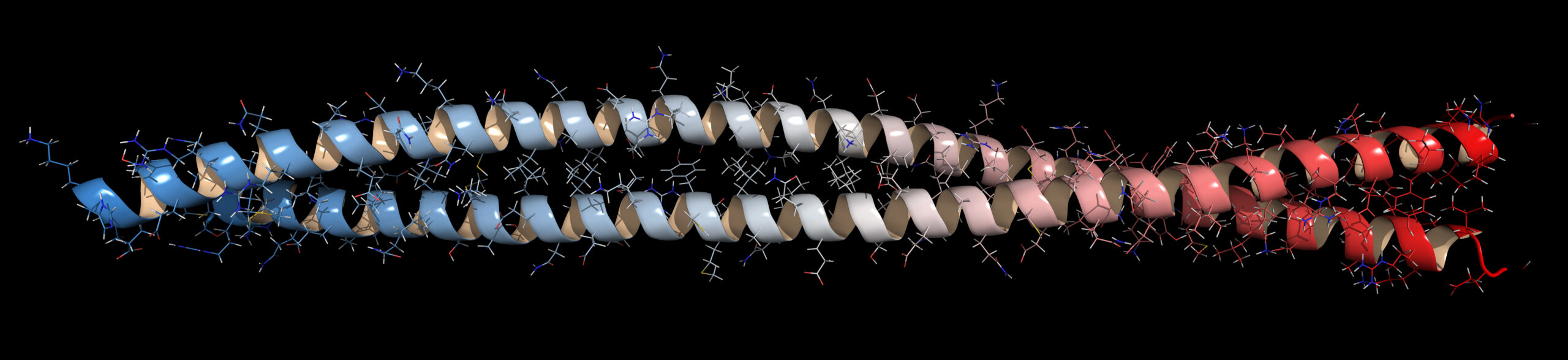
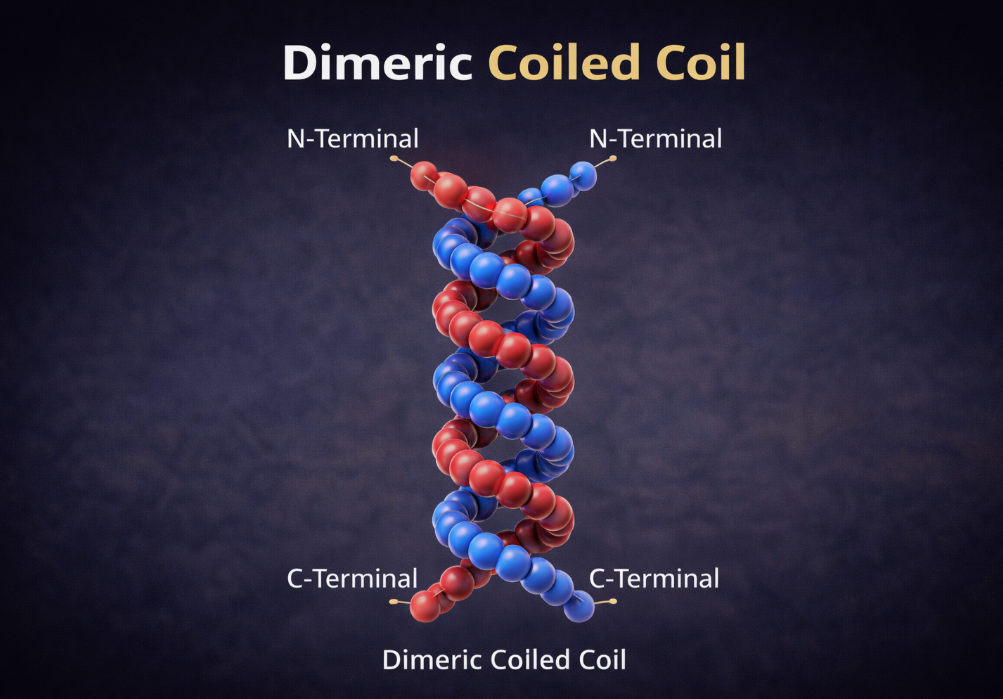
Two keratin polypeptide chains combine to form a dimeric coiled-coil structure, in which two alpha helices twist around one another. In this configuration, both the N-terminal and C-terminal ends of the polypeptides align on the same respective sides of the coiled coil.

Dimers serve as the foundational building blocks in the formation of keratin intermediate filaments (IFs), which ultimately give beard and scalp hair its strength and structure.


This structure forms when two alpha-helices self-assemble into a parallel spiral, twisting around one another. The resulting interlaced configuration resembles a rope and is stabilized primarily by hydrophobic interactions between the keratin chains.  (Coulombe & Fuchs, 1990; Steinert, 2001).

DIAGRAM #10a,  Dimer (sometimes called Heterodimer and/or Coiled-Coil)

The term “dimer” is derived from “di-” meaning two and “-mer” meaning parts.

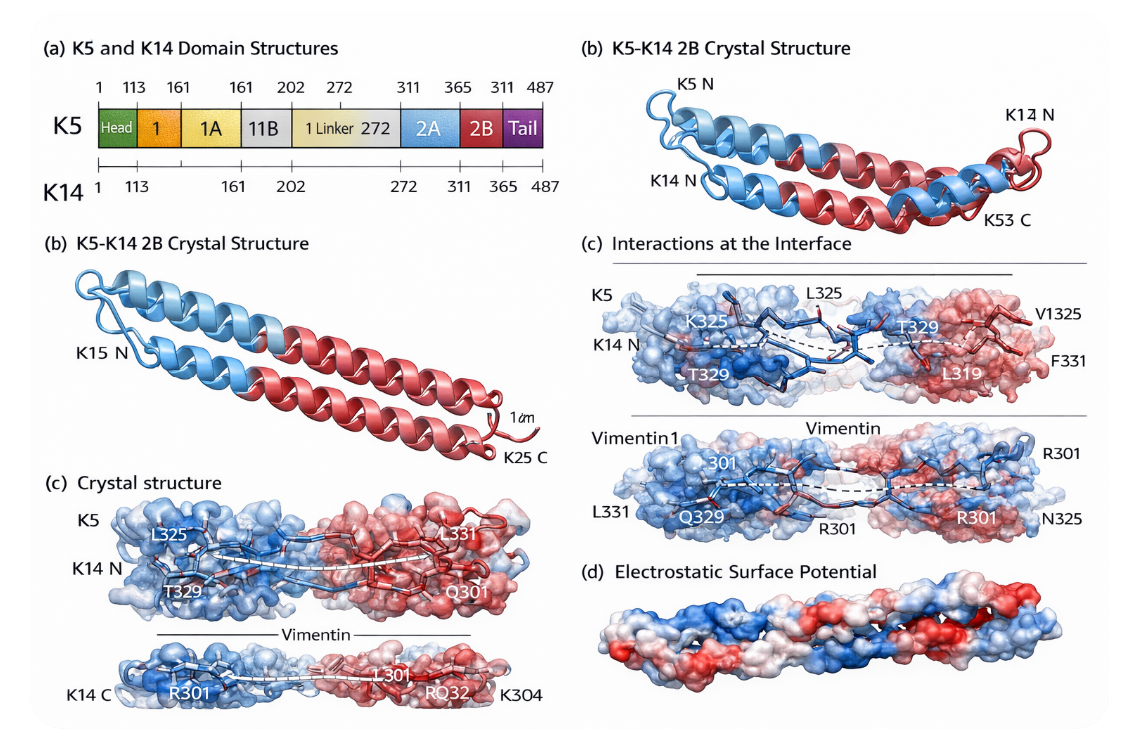
A heterodimer coiled-coil, unlike a homodimer, is made up of two different monomers (alpha-helices) – keratin type I (acidic) and keratin type II (basic). This sub-unit of intermediate filaments (IFs) plays a crucial role in providing structural support for hair. It consists of a tri-domain structure: a head, a central rod, and a tail (refer to diagram 12b, section ‘a’).


As illustrated in diagram 10, the heads and tails do not contribute to the winding shape of the central rod domain. Instead, they protrude from the structure as hair continues its hierarchical formation.


“The interface of the K5–K14 coiled-coil heterodimer features asymmetric salt bridges, hydrogen bonds, and hydrophobic contacts, with its surface exhibiting notable charge polarization.” (See diagram 12b, section ‘c’ for further details.).

Lee, CH., Kim, MS., Chung, B. et al. Structural basis for heteromeric assembly and perinuclear organization of keratin filaments.    Nat Struct Mol Biol 19, 707–715 (2012).

DIAGRAM #10b,  (Picture & info section from NCBI

 National Center for Biotechnology Information (NCzBI) / PubMed Central (PMC)

TETRAMER

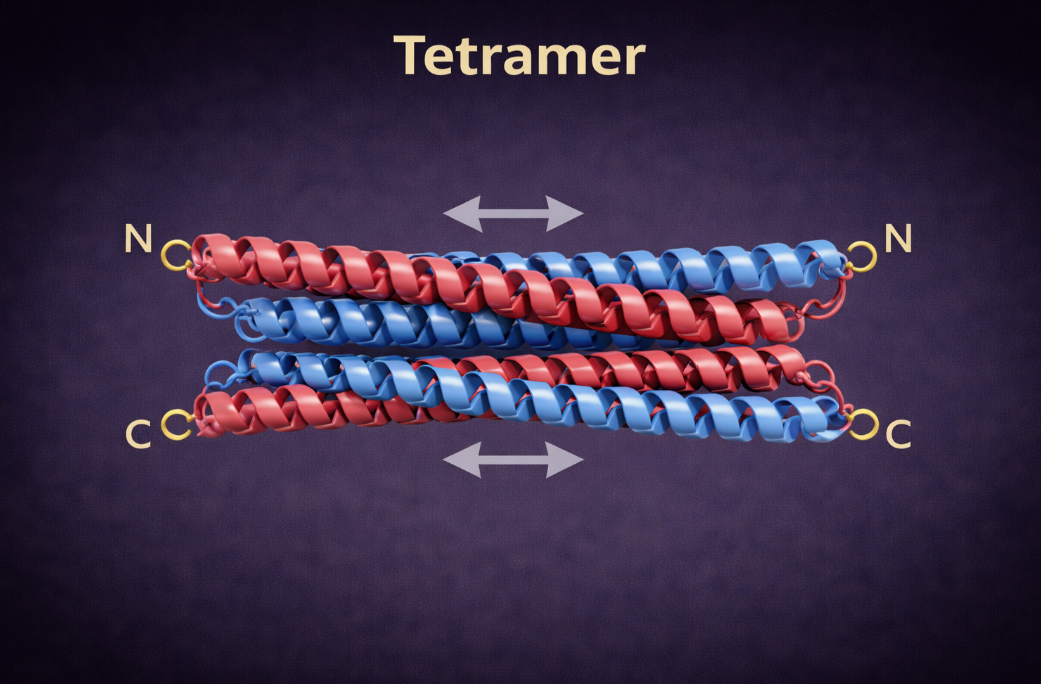
A tetramer forms when two dimers align in opposite (antiparallel) directions and associate side-by-side in a horizontally parallel arrangement.

A tetramer forms when two identical dimers associate laterally in a staggered, side-by-side arrangement. Unlike dimers—which are polar due to their distinct N-terminal and C-terminal ends—tetramers are nonpolar. This lack of polarity occurs because the dimers assemble in an antiparallel configuration, effectively canceling directional orientation.

Lee CH, Kim MS, Chung BM, Leahy DJ, Coulombe PA. Structural basis for heteromeric assembly and perinuclear organization of keratin filaments. Nat Struct Mol Biol. 2012 Jun 17;19(7):707-15. doi: 10.1038/nsmb.2330. PMID: 22705788; PMCID: PMC3864793. (Here)

DIAGRAM #11, Tetramer

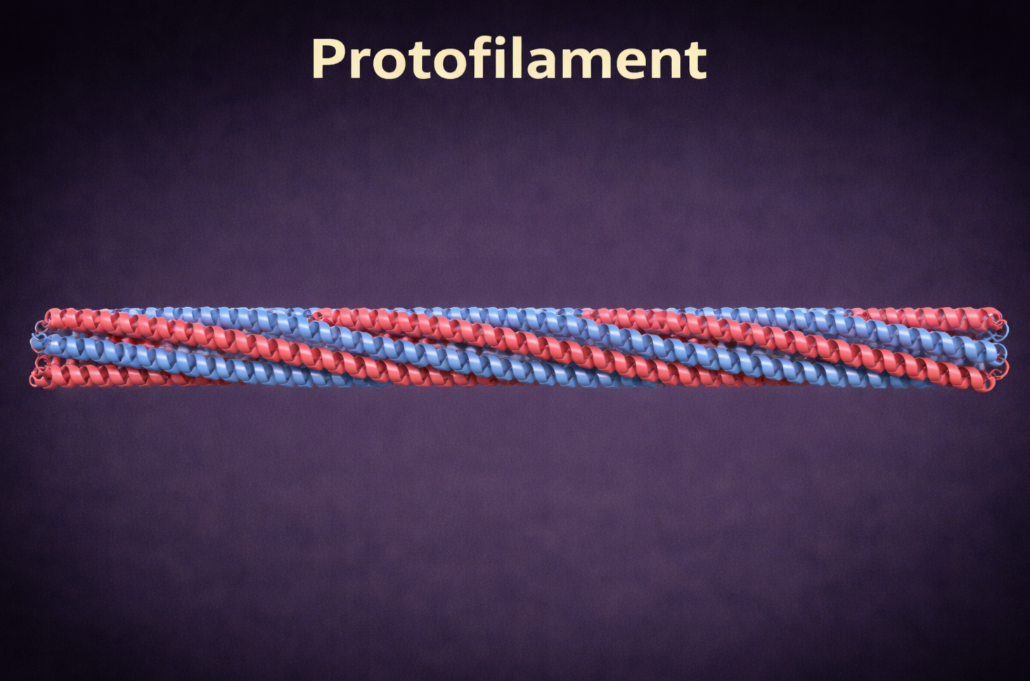
PROTOFILAMENT

The tetramer, which is nonpolar, associates with other tetramers in a head-to-tail arrangement, forming a progressively longer linear chain.

A protofilament forms when multiple tetramers assemble longitudinally into a parallel arrangement. These tetramers associate side-by-side to create an extended, rope-like structure.

Because the tetramers themselves are arranged in an antiparallel (head-to-tail) configuration, protofilaments lack polarity. Multiple protofilaments then associate laterally to form larger assemblies, ultimately contributing to the formation of intermediate filaments (IFs)—the structures responsible for providing strength, elasticity, and structural support to hair fibers.

DIAGRAM #12 Protofilament

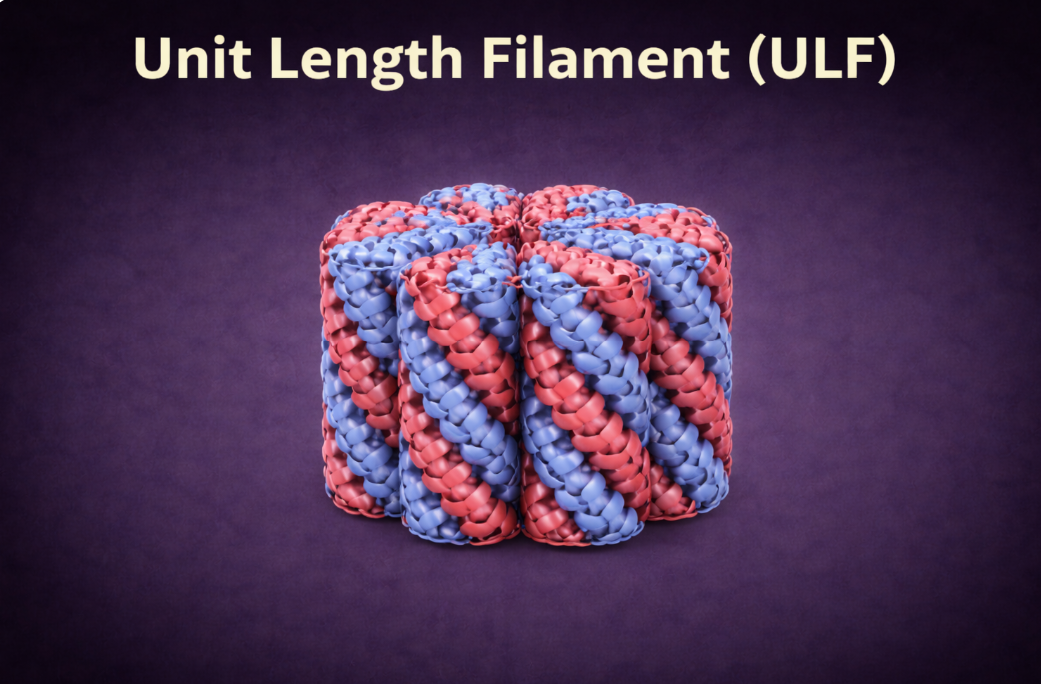
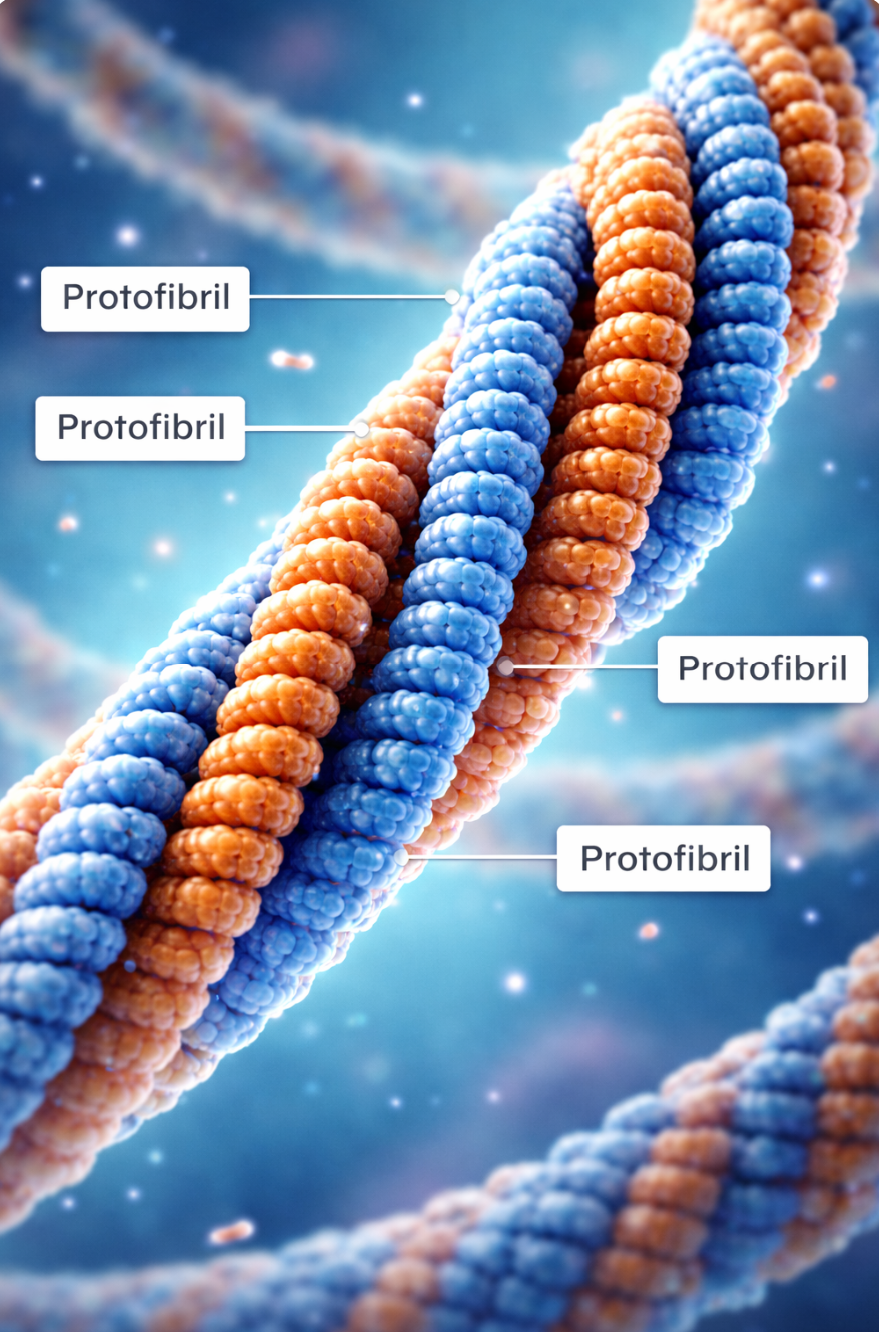
PROTO-FIBRIL

Another line of tetramers associates laterally with the first in a staggered arrangement. Together, these aligned tetramers form a protofibril.

A protofibril forms when two or more protofilaments associate laterally in a staggered arrangement, creating a thicker and more stable structure. These lateral interactions strengthen the assembly and prepare it for higher-order organization.


Protofibrils then further align and bundle together to form intermediate filaments (IFs), which are essential for providing hair fibers with their strength, flexibility, and overall structural integrity.

DIAGRAM #13, Protofibril or Unit Length Filament (UF)

INTERMEDIATE FILAMENT (IF)

An Intermediate Filament (IF) is formed when multiple protofibrils align laterally and further intertwine into a larger, rope-like structure. This process is crucial for the structural integrity of cells, including the cells that make up hair follicles. Intermediate filaments are a key component of the cytoskeleton, providing mechanical support and strength to cells. In hair, the IFs play a significant role in maintaining the structural stability and resilience of the hair shaft. They are composed of keratin proteins, specifically keratin types I and II, which form dimers, tetramers, and protofilaments before ultimately organizing into the larger, stronger intermediate filaments that comprise the bulk of the hair’s internal structure. The IFs contribute to the flexibility and strength of the hair fiber, making it resistant to mechanical stress and damage.

DIAGRAM #14, Intermediate Filament (IF)

MATURE FILAMENT

A mature filament represents the final, fully assembled stage in the hierarchical formation of keratin-based intermediate filaments (IFs) within hair. At this stage, individual intermediate filaments are tightly packed and organized into stable bundles, creating a cohesive network of protein filaments that form the structural core of the hair shaft.


These mature filaments are responsible for the hair’s tensile strength, flexibility, and resistance to mechanical stress. Their organization allows the hair fiber to withstand stretching, bending, and pulling without breaking, while still retaining its shape. This balance of strength and resilience is a defining feature of healthy hair.


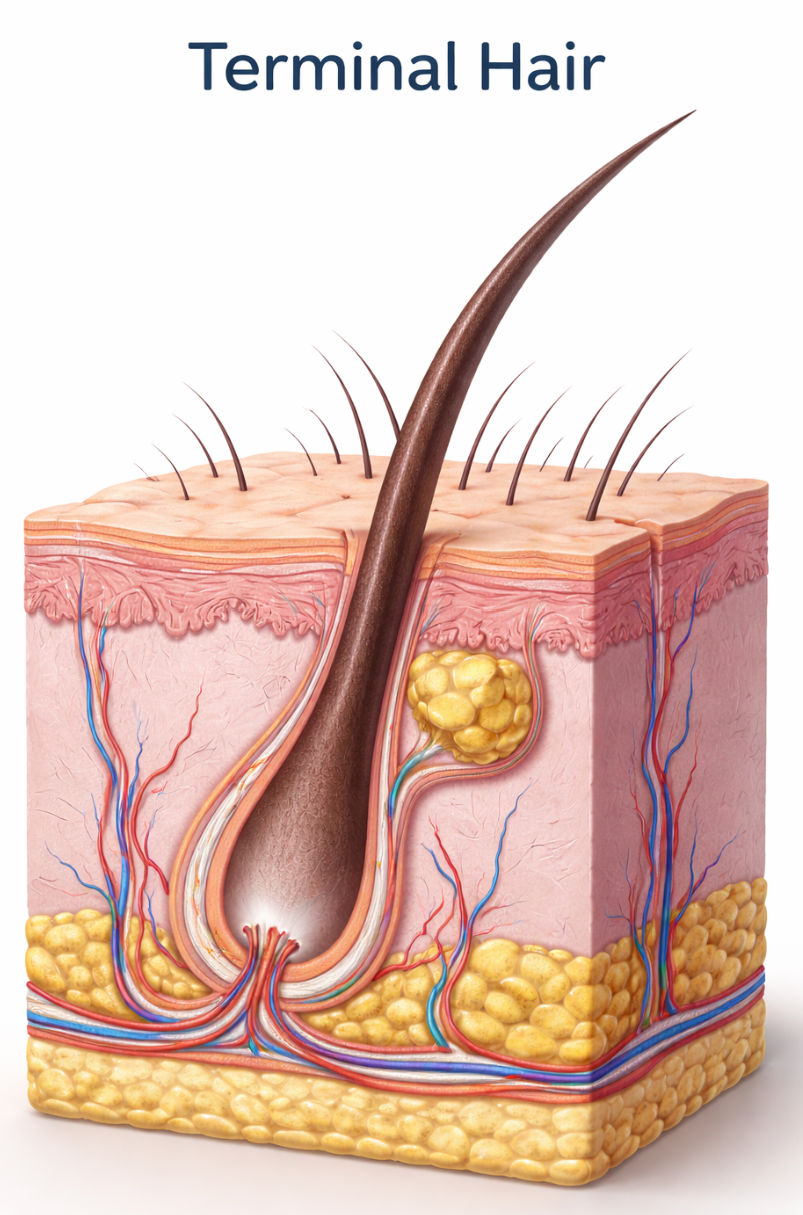
As the hair shaft emerges from the scalp, it is composed largely of these mature keratin filaments. Together with surrounding structures—such as the cortex and the protective cuticle—they provide the hair with long-term durability and functional integrity. The overall strength and performance of the hair shaft are therefore closely tied to the proper formation and organization of its mature filaments.

t.

DIAGRAM #16, Mature Filament, or just Filament

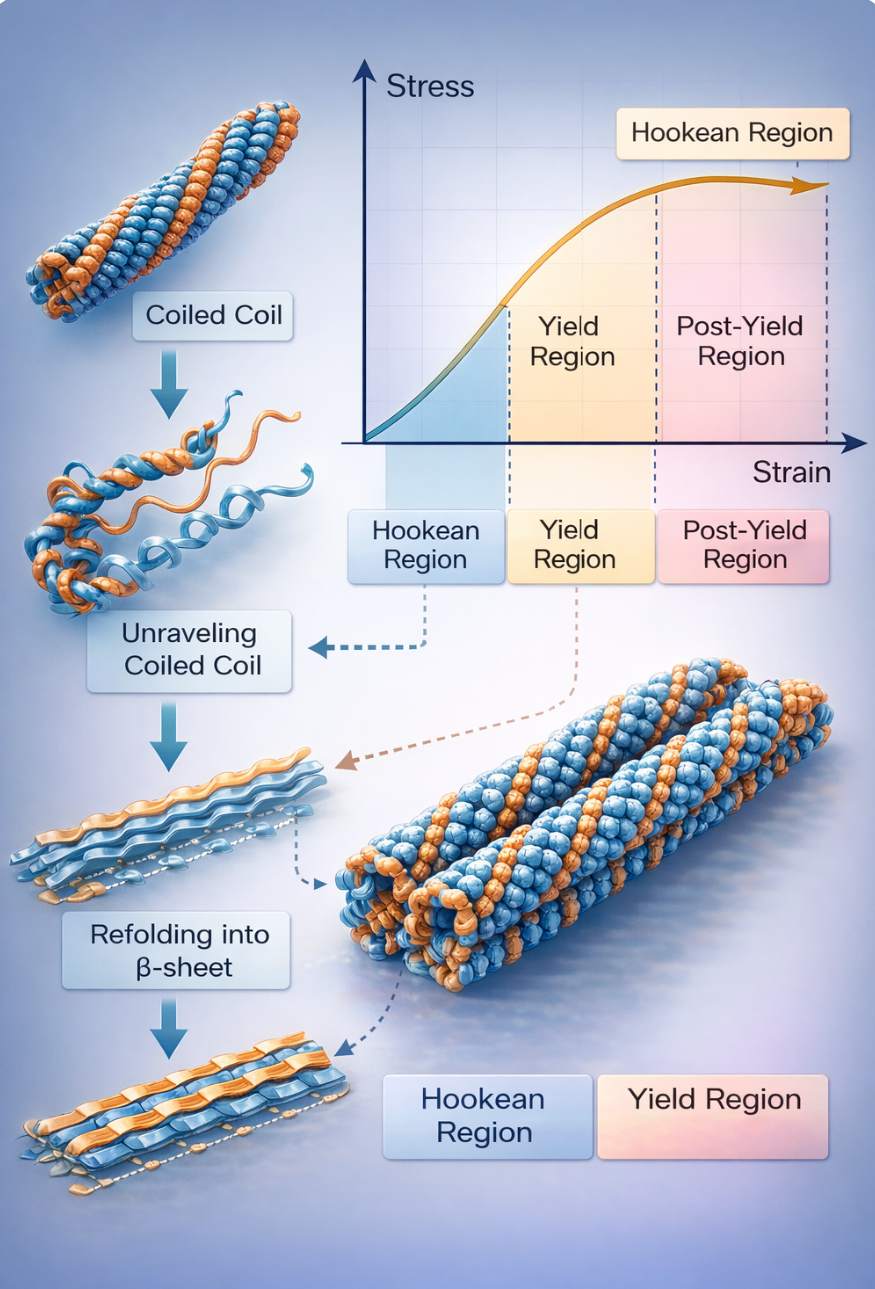
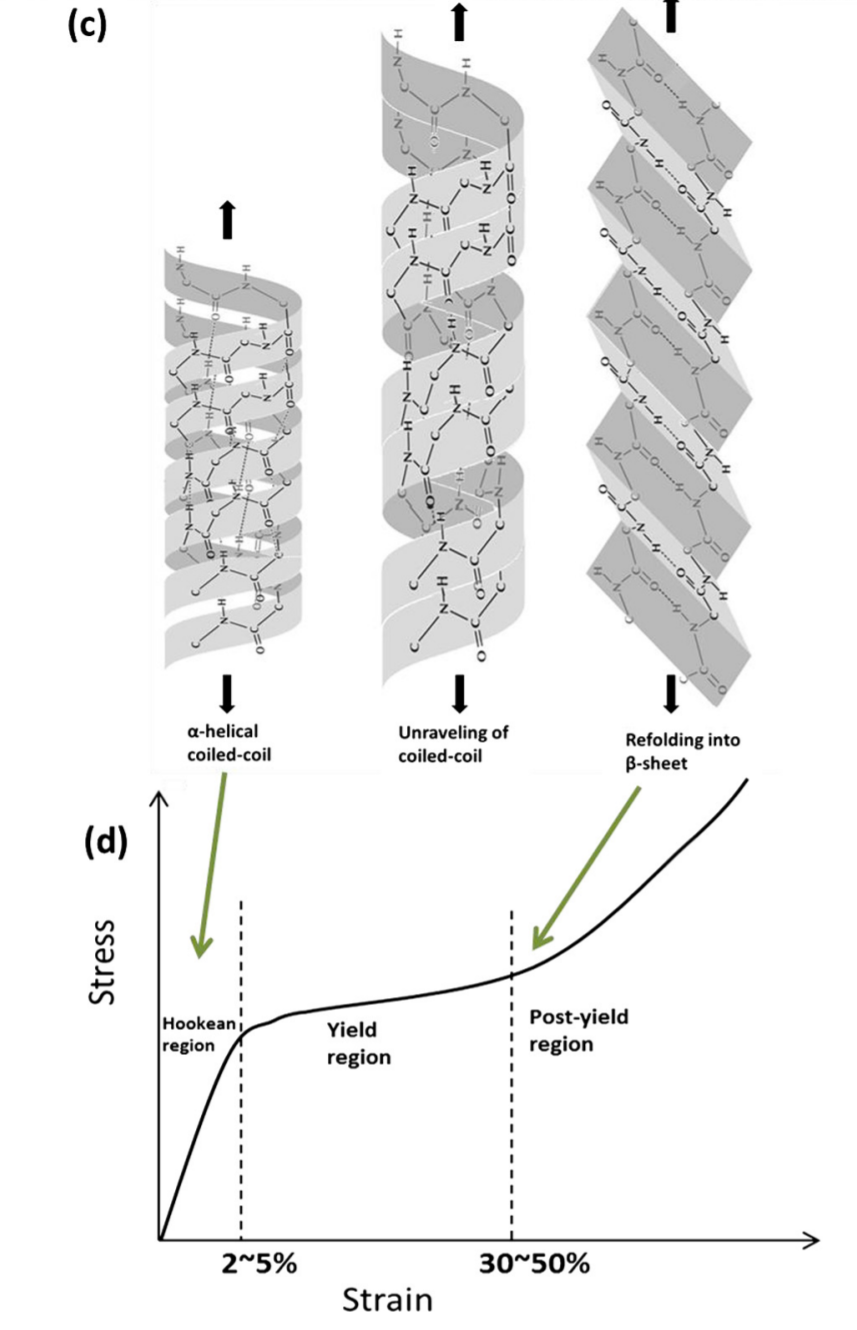
Hair fibers—including those of the beard and scalp—are viscoelastic due to their fibrous keratin structure and the various chemical bonds that hold them together. These bonds, particularly the weaker hydrogen bonds, allow hair to absorb and dissipate mechanical stress. When hair is stretched, hydrogen bonds can temporarily break and reform, permitting the keratin structure to partially unravel or elongate without permanent damage. This reversible bond behavior is a key reason hair can tolerate tension without breaking.


In addition to absorbing stress, hair has built-in recovery mechanisms. Once the applied force is removed, the hydrogen bonds reform and the keratin structure returns toward its original configuration. This ability to recover shape after deformation contributes to the hair’s resilience, flexibility, and overall durability.


Keratin: Structure, mechanical properties, occurrence in biological organisms, and efforts at bioinspiration

This dynamic response to mechanical stress, driven by hair’s underlying molecular structure, highlights the remarkable resilience and adaptability of the hair shaft. The interplay of multiple bond types—and their ability to reversibly break and reform—gives hair the strength, flexibility, and durability needed to withstand everyday environmental and mechanical challenges.( / NCBI)


Understanding how hair responds to stress at the molecular level helps explain why gentle handling, proper conditioning, and moisture balance are essential for preserving hair strength, flexibility, and long-term integrity.

SLIDER #2,  Damaged Hair Seen kUnder a Microscope 

Subscribe
Notify of
guest

5 Comments
Oldest
Newest Most Voted
Inline Feedbacks
View all comments
Sherrie
Guest
Sherrie
1 year ago

Though I am not very savvy about the science, I found out that Without the science behind hair and skin I was just guessing about details that matter in washing the skin, and shampooing / conditioning the hair, and I was guessing wrong!
Doing it right, with products that are right, matter and make a true difference.

Last edited 1 year ago by Sherrie
Sherrie
Guest
Sherrie
1 year ago
Reply to  Michele Woody

I changed my shampoo and conditioning routine drastically. Whereas I’d been listening to random YouTubers who claimed to know the correct way to treat hair, I got recommendations from you. You explained how hair is formed and how sensitive and responsive the hair cuticle is, and how water temperature matters in the process. I learned the correct way to condition to get the benefits of… Read more »

Katie
Guest
Katie
1 year ago

Knowing why these products work the way they do and what our hair and skin need is very important and interesting! It’s nice to have all the visuals to go along with the information!

Educational & Informational Disclaimer

The information provided on this website is for educational and informational purposes only. It is intended to share general knowledge about traditional soapmaking, ingredient behavior, historical context, and manufacturing processes.


Nothing on this site is intended to diagnose, treat, cure, or prevent any disease or medical condition. The products offered are classified as soap under FDA guidelines and are not intended to affect the structure or function of the skin or body. Individual experiences and preferences may vary.


Information presented here should not be considered a substitute for professional medical advice, diagnosis, or treatment. If you have a medical condition, skin concern, or sensitivity, please consult a qualified healthcare professional before using any product.


This website may reference or link to third-party scientific, technical, or educational resources for general learning purposes. These references are provided to support transparency and encourage independent research, not as endorsements or medical guidance.

Click here to read the full disclaimer.

Contact me:

I typically respond to texts almost immediately unless I’m in the middle of making soap.


As soon as I reach a stopping point, I’ll be sure to check and reply.

I check my email daily and will get back to you as soon as possible.

Address:

Michele Woody

104814 State Hwy 64

Muldrow, OK 74948

5 2 votes
Article Rating
5
0
Would love your thoughts, please comment.x
()
x