Palm Oil CONTROVERSY

The Palm Oil Controversy: What’s All the Hullabaloo?

The debate surrounding palm oil has sparked a wide range of opinions. Some people are already well-versed in the controversy, while others—like I was before I started researching—may not fully realize just how extensive the issue is. Then there are those who have heard bits and pieces but haven’t taken the time to dig deeper, often due to lack of interest, time, or perceived relevance.


This section exists to share what I uncovered during my own research into palm oil and its many derivatives. Before I began digging, I had no idea how widespread palm oil truly is. I was genuinely shocked by the sheer number of everyday products that contain some form of it. Because of that, I decided this topic deserved more than a passing mention—it deserved a deeper dive.


I think of this section as a hub for anyone curious about the controversy. After investing hundreds of hours researching palm oil, I didn’t limit myself to just one side of the argument. I wanted to understand the issue from multiple perspectives and provide plenty of “meat” for anyone interested in forming their own well-informed opinion.

Delving into the Details: What Makes Palm Oil So Controversial?

When I first began researching the palm oil controversy, I wanted to move past headlines and get into the finer details. The deeper I dug, the more questions surfaced—questions that genuinely piqued my curiosity:

  • What makes palm oil the go-to oil?
    Why is it so widely used in food, cosmetics, and countless consumer products?

  • What would happen if palm oil production stopped overnight?
    How would such a drastic shift affect global industries, and what would it mean for the people and regions that rely on palm oil economically?

  • Is palm oil the enemy—or are production methods the real problem?
    Is the controversy rooted in the ingredient itself, or in how it’s grown, harvested, and managed?

  • What are realistic and attainable goals for reducing environmental and animal harm?
    Can meaningful change happen without ignoring the economic importance of palm oil in certain parts of the world?

  • Where do we begin?
    What practical steps can be taken right now to lessen the harmful impacts of palm oil production?

  • What still needs to change long-term?
    What roles do policy, industry standards, and consumer behavior play in creating lasting improvement?

Common Knowledge:

Why Is Palm Oil in Such High Demand?

Palm oil is one of the most versatile and efficient oils available, making it a staple in industries ranging from food to biofuels. Its appeal lies in several key advantages:

  • High productivity: Oil palms are harvested year-round, producing fruit that contains around 50% oil, and require four times less land than other oil crops.
  • Land efficiency: Just 0.26 hectares of land produces one tonne of palm oil, compared to 2.2 hectares for soybeans or 2 hectares for sunflowers.
  • Natural stability: Palm oil is composed mostly of saturated fats and is naturally resistant to oxidation, giving it an extended shelf life that benefits both raw oil and pre-packaged products.
    (Read more here and here.)


Palm Oil’s Versatility

Palm oil’s unique properties make it indispensable across industries:

  • Foods: Its bland flavor ensures it won’t alter the taste of products, making it a common ingredient in frozen dinners, cookies, ice cream, peanut butter, and candy. It also has a high smoke point, making it ideal for cooking and frying.
  • Personal care & cleaning products: Palm oil’s high fatty acid content makes it essential for manufacturing emulsifiers and foaming agents used in shampoo, lotion, toothpaste, makeup, body washes, and detergents. Additionally, palm wax is commonly used in candles.
  • Biofuel: As a “green” fuel alternative, palm oil is used in vehicle and aircraft fuel.
  • Animal feedPalm kernel cake, a by-product of palm kernel oil, serves as a medium-grade protein feed for cattle and livestock.


Ubiquity of Palm Oil in Products

The World Wildlife Fund (WWF) highlights the prevalence of palm oil in modern consumer goods, stating that it is found in about half of all packaged products in supermarkets.

  • Global usage breakdown:
    • 72% in the food industry.
    • 18% in personal care and cleaning products.
    • 10% in biofuel production and livestock feed.

Palm oil is extracted from the fruit of the African oil palm tree, which is native to West Africa. While this is its region of origin, oil palm thrives in other humid tropical climates, allowing cultivation to spread far beyond its native range.

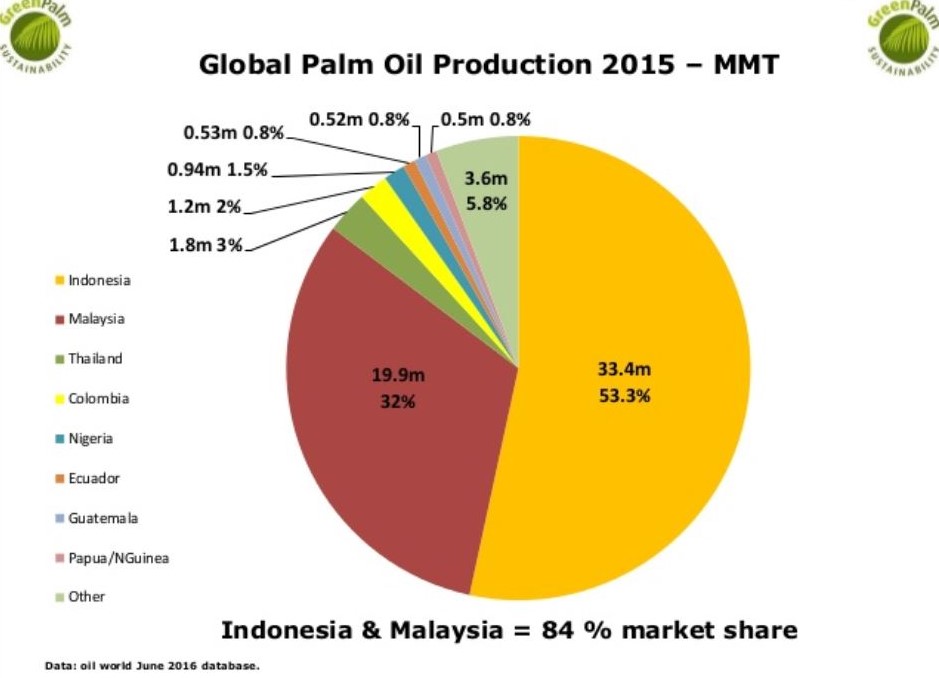
Today, Indonesia and Malaysia dominate global production, together accounting for more than 85% of the world’s palm oil (see chart to the left for details).
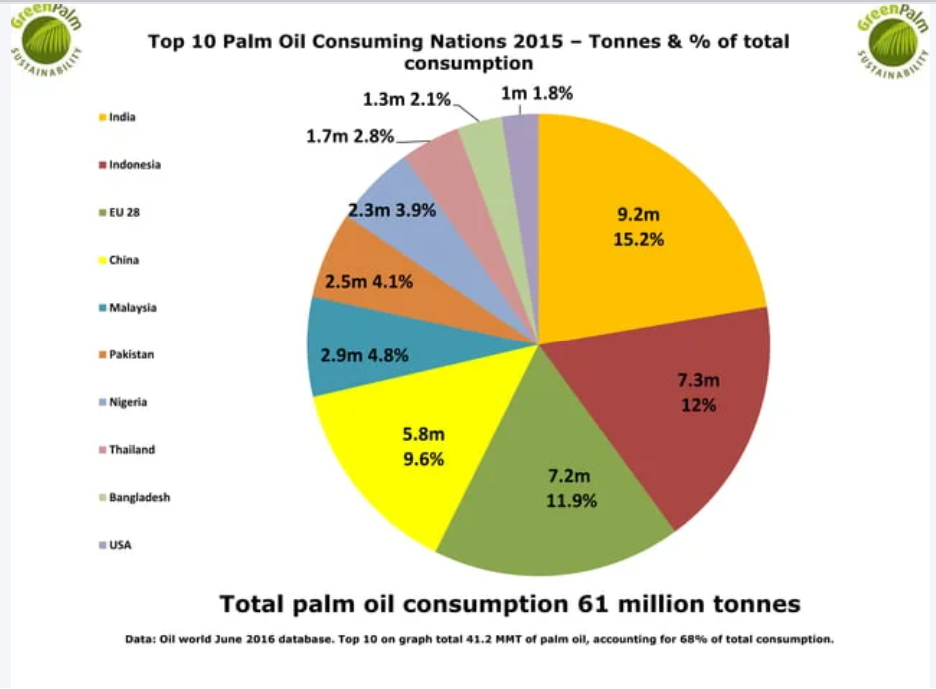
The diagram to the right illustrates total global palm oil consumption as of 2015.

The diagram to the right shows the total consumption of Palm Oil in 2015.

Expansion Beyond Southeast Asia

Although Latin America currently produces less than 10% of the global palm oil supply, production in the region is increasing. Countries such as Brazil—particularly the state of Pará—are rapidly expanding palm oil cultivation.


As in Southeast Asia, this expansion raises familiar concerns: responsibly managed production versus environmentally damaging practices. The same debates surrounding deforestation, land use, and long-term sustainability are now playing out in new regions.


According to the government of Pará, oil palm plantations intended for biofuel were projected to cover approximately 700,000 hectares by 2022. Brazil’s Programme for the Sustainable Production of Palm Oil aims to limit expansion to already degraded land, identifying 10.4 million hectares of deforested land as potential planting areas.


Despite these safeguards, concerns remain that Brazil could follow the same path as Indonesia and Malaysia—countries that now supply roughly 86% of the global market and have experienced severe environmental consequences from unsustainable practices.


Other Key Palm Oil Producers

Palm oil is also produced in countries such as Honduras, Guatemala, Costa Rica, Colombia, Ecuador, and Peru.


While each contributes a smaller share of global production, continued expansion makes sustainable practices increasingly critical. Without careful management, the environmental and wildlife impacts seen elsewhere could easily be repeated.

Why this matters

Palm oil’s global footprint is no longer confined to one region. As demand grows, the choices made in new production areas may determine whether past mistakes are repeated–or avoided. 


“Truth is, every single brand of shampoo and conditioner sold in supermarkets DO USE PALM OIL however, the palm content is hidden under various names.


So as a consumer be aware that just because you may see one brand clearly label palm oil as an ingredient it does not mean that all others on the shelf either side are palm oil free.


There are over 200 names for palm oil derived ingredients. We have found that brands that clearly label palm oil on the packaging of these types of products are sourcing ethically.”


Quote from Palm Oil Investigations here.

What’s the Controversy?

When I first started making my own soap, I noticed that some soap makers held very strong opinions against using palm oil. Often, there was little explanation—just a firm refusal to use it. Naturally curious, I turned to research to understand why.


For those who may be unfamiliar, palm oil production has long been linked to rainforest destruction, with consequences that extend far beyond ingredient lists. The most immediate concern is the widespread loss of habitat for species that depend on these forests for survival.


Impact on Wildlife

One of the most well-known victims of deforestation tied to palm oil production is the orangutan. These highly arboreal animals spend approximately 95% of their lives in trees. When forests are cleared, orangutans are forced into smaller, fragmented areas, making it increasingly difficult for them to find food, shelter, and safe nesting sites.


As their habitat shrinks, competition increases, stress rises, and mortality rates climb. Sadly, orangutans are not alone. Other species—including Sumatran elephants, tigers, rhinoceroses, sun bears, and clouded leopards—also suffer as forests are cleared and ecosystems collapse.


Environmental Concerns

The environmental impact of palm oil–driven deforestation is just as alarming as the toll on wildlife:

  • Greenhouse Gas Emissions
    Clearing forests releases significant amounts of greenhouse gases, much of it tied to heavy machinery and land-clearing operations.

  • Burning Timber and Underbrush
    In many cases, forests are cleared by burning vegetation, releasing dense smoke and pollutants into the atmosphere and contributing to regional air quality crises.

  • Peatland Destruction
    Tropical peatlands play a critical role in carbon sequestration. When peatlands are drained and cleared for palm oil plantations,  vast amounts of smoke and pollutants into the atmosphere, intensifying climate change.

  •  


Why Peatlands Matter

For a deeper look at peatland damage and restoration efforts, resources from Wetlands International provide valuable insight. As the organization states:

“Our immediate objectives are to stop the expansion of oil palm production on peatlands and reduce the impacts of existing plantations on peat. In the long term, our aim is to exclude all palm oil production on peatlands and realize the conservation, restoration, and wise use of peatlands.”
Wetlands International, Case Study, January 2016

Why This Matters

These issues form the core, widely recognized concerns surrounding palm oil. They explain why the topic sparks such strong reactions—and why it’s often discussed in absolutes.

From here, the conversation becomes more complex.

For further details on the negative impacts of palm oil production, you can read about the damage to peatlands click here, or check out the work being done to resolve these issues by Wetland International click here.

The Push for Responsibly Sourced Palm Oil

Efforts to address the environmental and social concerns tied to palm oil production have gained momentum over the years, supported by organizations such as the World Wildlife Fund (WWF) and increased mainstream media attention. These efforts helped give rise to frameworks like the Roundtable on Sustainable Palm Oil (RSPO), established in 2004 to promote more responsible palm oil production with an emphasis on people, the planet, and long-term viability.


At the time of my research, approximately 40% of the world’s palm oil producers were RSPO members. This group includes not only growers, but also manufacturers, retailers, and environmental and social non-governmental organizations—reflecting a broad, though imperfect, coalition working toward improvement.


The Role of Large Corporations

Major companies in North America and Europe have begun responding to consumer pressure for more responsibly sourced ingredients. Household names such as Unilever, along with other large manufacturers and retailers, have increased their use of Certified Sustainable Palm Oil (CSPO).


This shift represents an acknowledgment—at least in part—that sourcing practices matter. While certification alone does not solve every problem associated with palm oil, it does signal movement away from the most damaging production methods.

Progress in Certification

By 2011, approximately 10% of the global palm oil market was certified as Certified Sustainable Palm Oil (CSPO). That percentage has continued to grow as consumer demand for responsibly sourced products increases.


Achieving CSPO certification is a structured process that requires several key steps:

  • Commitment to Sustainability
    Palm oil growers must demonstrate adherence to recognized sustainability standards and submit clear, time-bound plans outlining how those standards will be met.

  • Operational Reviews
    Existing plantations and processing facilities are assessed to identify deficiencies. Corrective actions must be implemented before certification can proceed.

  • Third-Party Approval
    Certification is granted only after independent certification bodies verify compliance with CSPO requirements.


The Roundtable on Sustainable Palm Oil (RSPO) bases its certification on eight guiding principles designed to promote more sustainable practices throughout the entire production process—from plantation management to supply chain transparency. For those interested in the technical details, RSPO provides extensive official resources outlining these standards, click here.


Advocacy for Higher Standards

Some organizations argue that certification alone is not enough. Groups such as Conservation International emphasize the importance of consumer goods companies and retailers committing to 100% certified sustainable palm oil. across their supply chains.


They also encourage companies to go beyond baseline certification by adopting enhanced programs such as RSPO Next, which introduces more advanced sustainability requirements, including stronger protections for forests, peatlands, and human rights.


For readers who want to explore these efforts in greater depth, Conservation International and similar organizations offer detailed analyses of how sustainable palm oil initiatives can help reduce deforestation and environmental harm.


The World Wildlife Fund (WWF) also provides accessible educational materials and ongoing updates on palm oil sustainability initiatives for those who want to learn more (click here and click here).

Considering the Solution: Should We Just Say No to Palm Oil?

Given the very real harm linked to palm oil production, it’s natural to ask: Is the answer to eliminate palm oil entirely? Should all forms of palm oil—sustainably sourced or not—be rejected? And even if that were desirable, what would the real-world consequences look like?


These are reasonable questions, and they deserve more than a yes-or-no answer.


The Push for Change

Awareness of palm oil–related issues has grown significantly over the years. Mainstream media regularly reports on deforestation, wildlife loss, and labor concerns, and advocacy movements such as Say No to Palm Oil have emerged in response.


At the same time, initiatives like the Roundtable on Sustainable Palm Oil (RSPO) were created to introduce certification systems aimed at improving how palm oil is produced. These programs are designed to encourage better environmental practices, reduce deforestation, and promote more ethical labor standards.


Progress, however, has been slow. Many campaigners argue that meaningful change requires brands to actively hold their suppliers accountable rather than relying on vague sustainability claims. Public pressure plays an important role in pushing companies to move away from irresponsible sourcing and toward genuinely improved practices.


Is Total Rejection Feasible?

Completely banning palm oil may sound like the most ethical option—but it may not be the most practical or effective one. Palm oil is one of the most efficient oil crops in the world, producing far more oil per hectare than alternatives.


Replacing palm oil with crops such as soy, rapeseed, or sunflower would require significantly more land, potentially leading to even greater deforestation and environmental damage. In that scenario, the problem isn’t solved—it’s simply shifted elsewhere.


For this reason, the focus may be better placed on how palm oil is produced, rather than on eliminating it altogether. Reforming production methods, supporting responsible sourcing, and demanding accountability may ultimately do more good than outright rejection.

Not So Common Knowledge:

Providing Livelihoods

Palm oil production serves as a primary source of income for millions of people, particularly smallholder farmers who are among the world’s poorest. For many of these families, cultivating oil palm trees is not optional—it is essential.


Income from palm oil allows smallholders to meet basic needs such as food, healthcare, housing, and education. Without this source of livelihood, many would face even greater hardship in regions where economic opportunities are already limited.


Supporting Economies

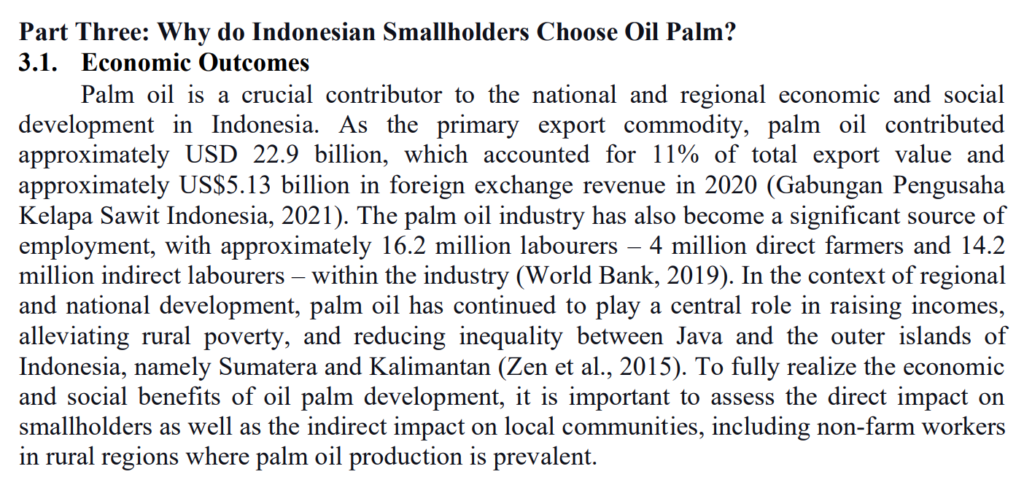
Palm oil’s importance extends beyond individual households—it plays a significant role in national and regional economies. In Indonesia, for example, palm oil accounts for approximately 11% of the country’s total export earnings.


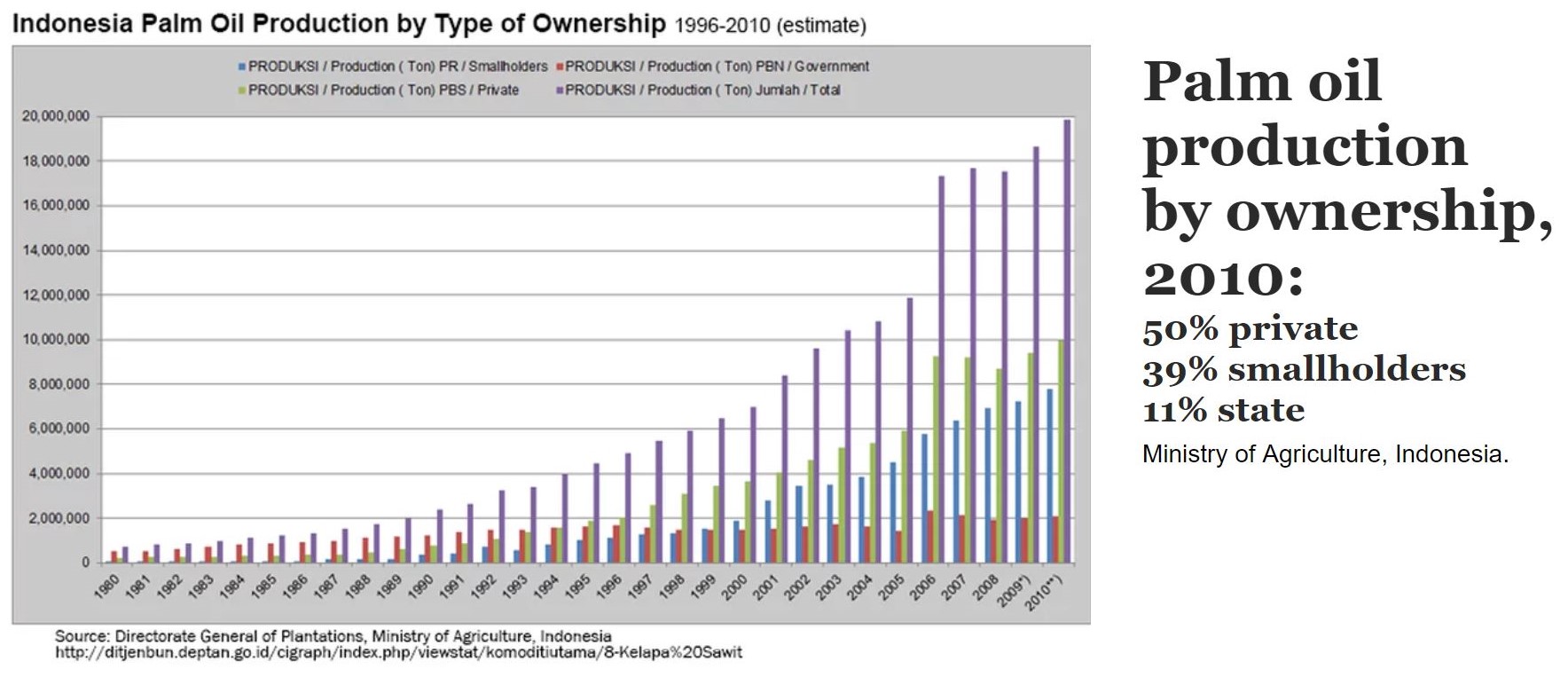
Notably, about one-third of Indonesia’s palm oil production comes from smallholder farmers, underscoring their central role in the industry. As production expands, entire communities benefit through job creation, infrastructure development, and broader economic activity.


This economic reliance is a key reason why palm oil remains such a complex issue. Any discussion about reform or reduction must also consider the real human impact on those whose livelihoods depend on it.


Income from palm oil allows smallholders to meet basic needs such as food, healthcare, housing, and education. Without this source of livelihood, many would face even greater hardship in regions where economic opportunities are already limited. (For supporting data, see the reference below and scroll to Part 3.)


A Balanced Perspective

Recognising palm oil’s dual role—both as an economic driver and a source of livelihoods—helps place the issue in a broader context. While the environmental and ethical concerns are serious and cannot be ignored, it is equally important to acknowledge the human and economic stakes involved.


For many vulnerable populations, palm oil production is not an abstract policy debate but a means of survival. Any meaningful approach to addressing the challenges surrounding palm oil must consider both environmental protection and the realities faced by the communities that depend on this industry.

There’s a good chance some people simply aren’t aware of the full scope of the palm oil controversy. I’ll be the first to admit—I wasn’t either when I started making soap. My awareness grew gradually as I read soap blogs and participated in soaping forums, where I repeatedly encountered strong objections to palm oil.


What struck me most was that many of these objections came with little explanation—just a firm refusal to make or buy soap containing palm oil.

As I dug deeper, I began to realize just how pervasive palm oil and its derivatives truly are. That realization raised an uncomfortable but important question:

If someone boycotts palm oil in soap, are they also avoiding every product that contains palm oil or its derivatives?

The list is staggering.

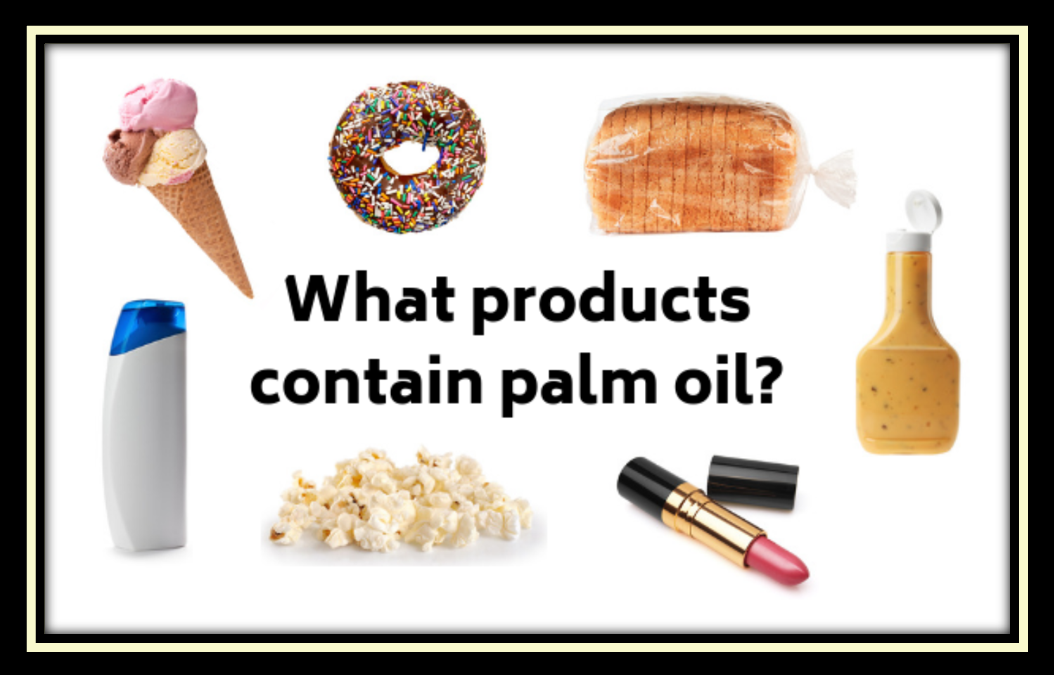
Palm oil derivatives appear in countless everyday items, including:

  • Instant and packaged foods

  • Personal care and beauty products

  • Cleaning supplies

  • Biofuels

  • Processed foods such as baked goods, candies, cookies, crackers, cake mixes, instant noodles, non-dairy creamers, biscuits, margarines, ice cream, frying fats—and much more


This isn’t a criticism—it’s a reality check. Have all those passionate about boycotting palm oil in soap had the opportunity to explore just how widespread its use is across global manufacturing?


To create meaningful change, it helps to understand the full reach of palm oil and its many derivatives. Greater awareness strengthens the ability to ask better questions, demand accountability, and push for responsible practices—rather than focusing on a single product category.


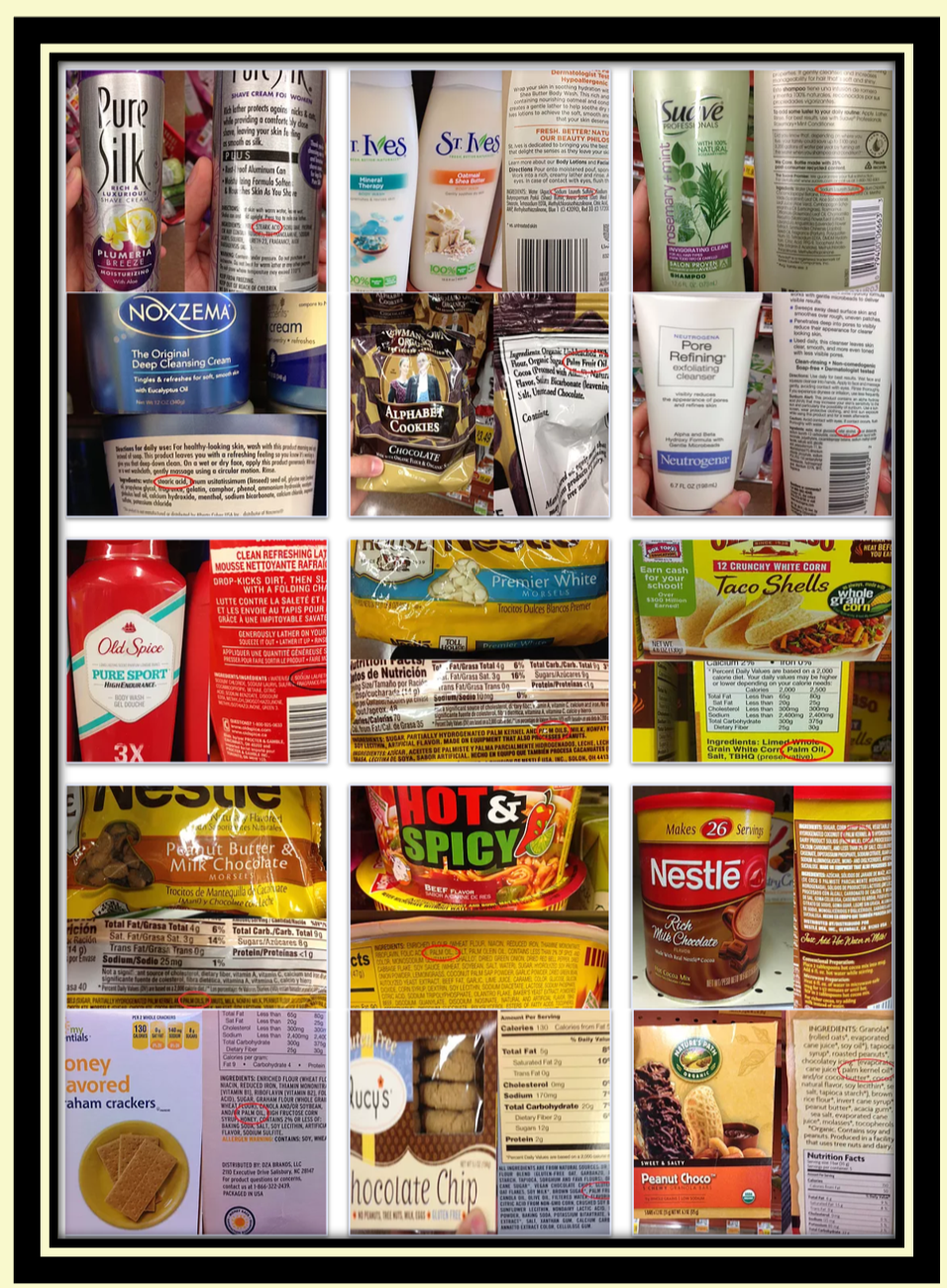
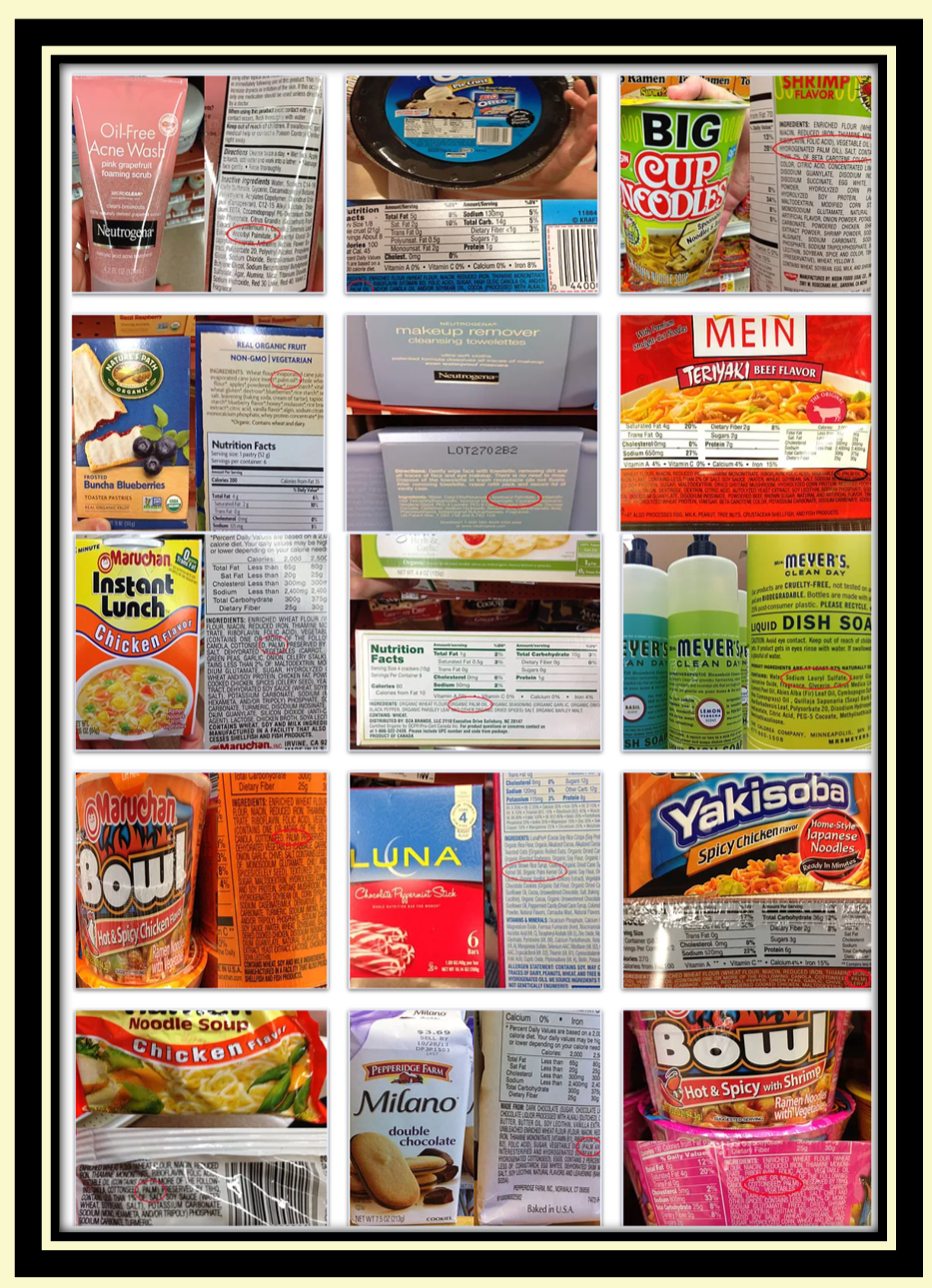
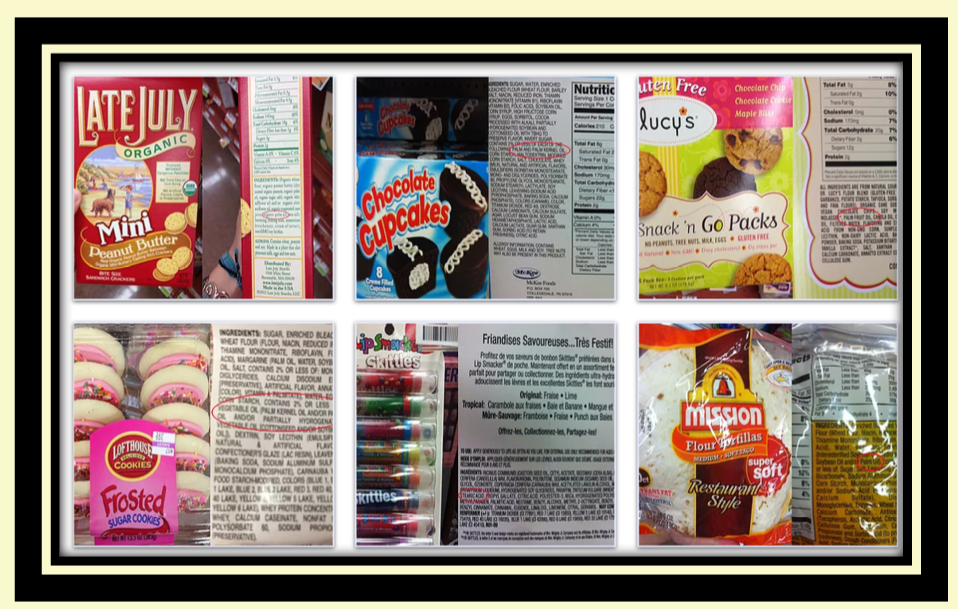
If you’re curious to see just how many products contain palm oil or its derivatives, you can explore the lists below by clicking the links provided. Some are interactive and offer a deeper look at ingredient sourcing.


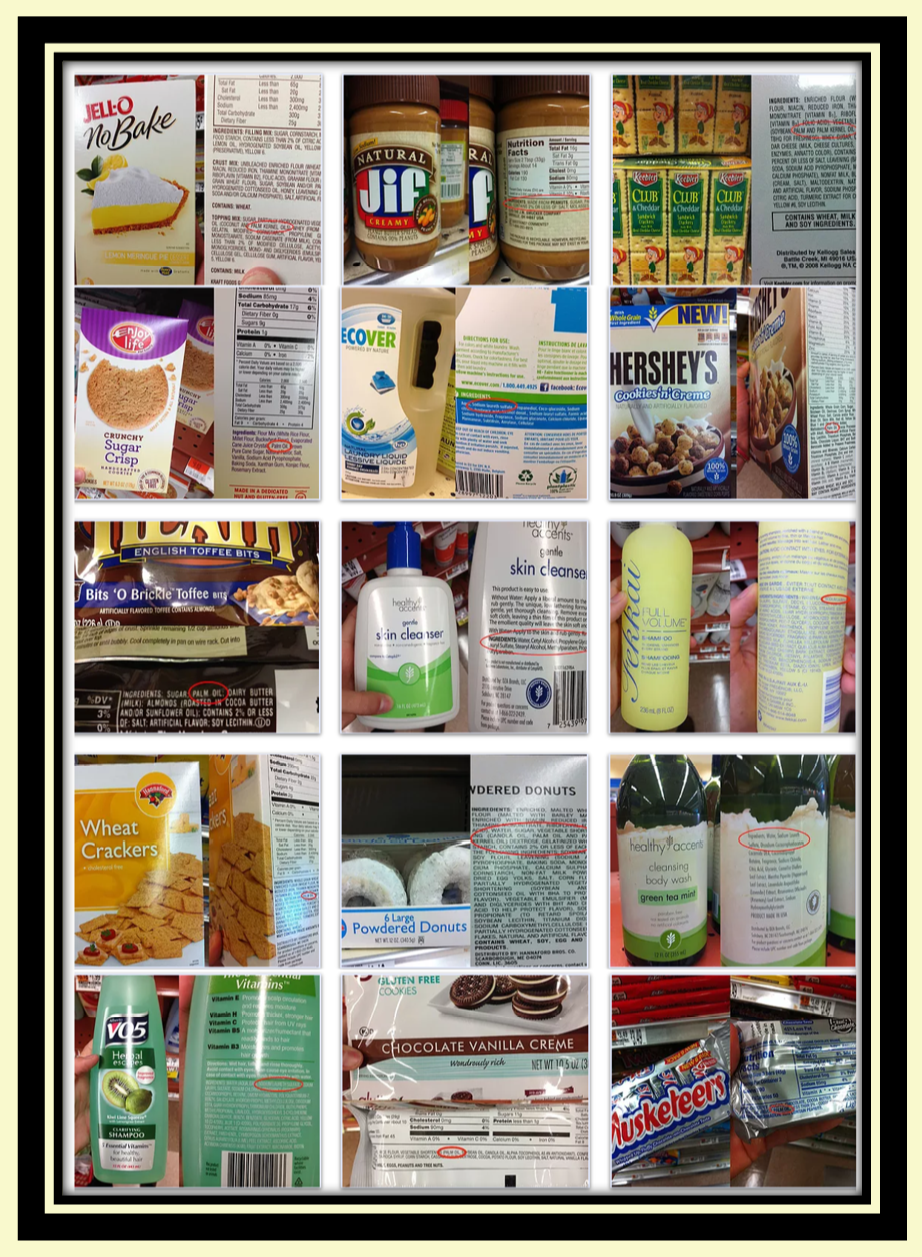
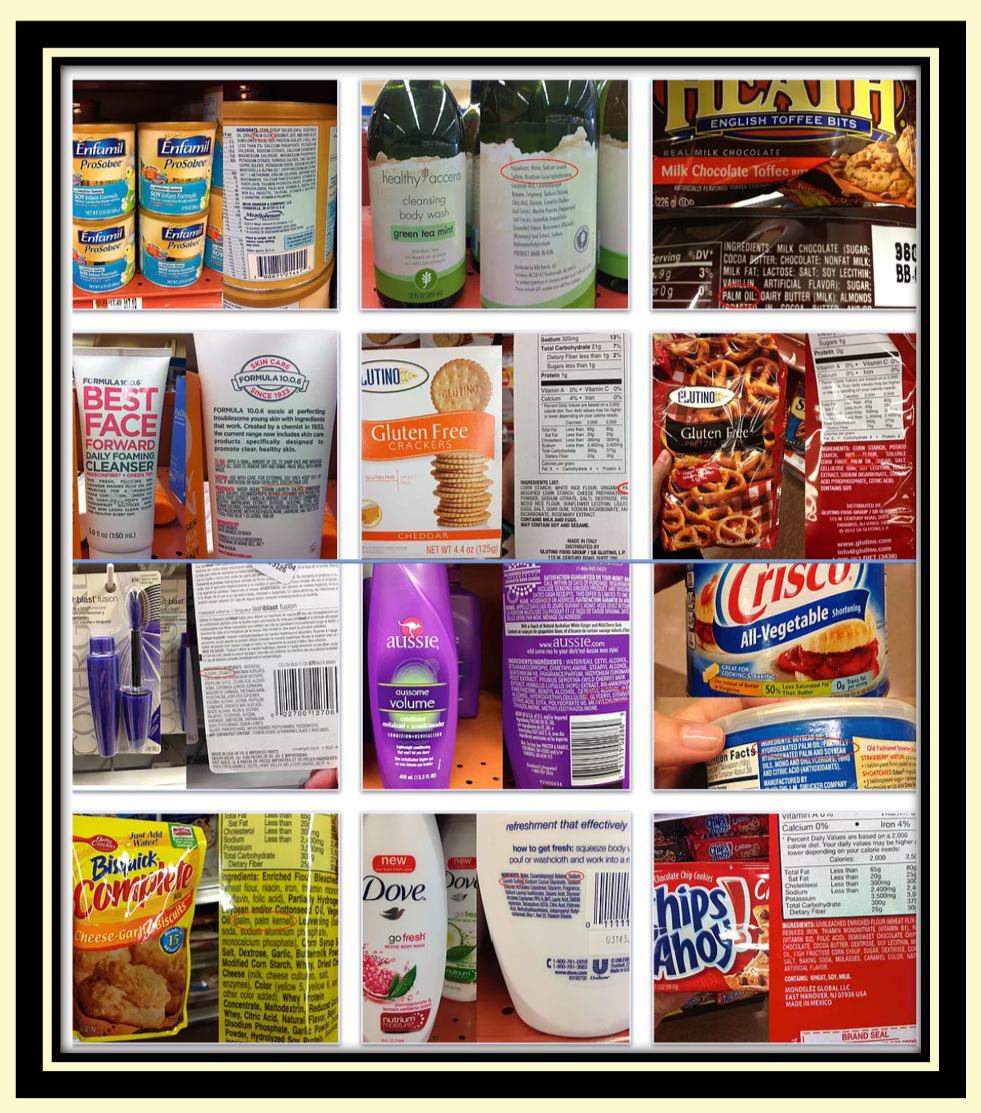
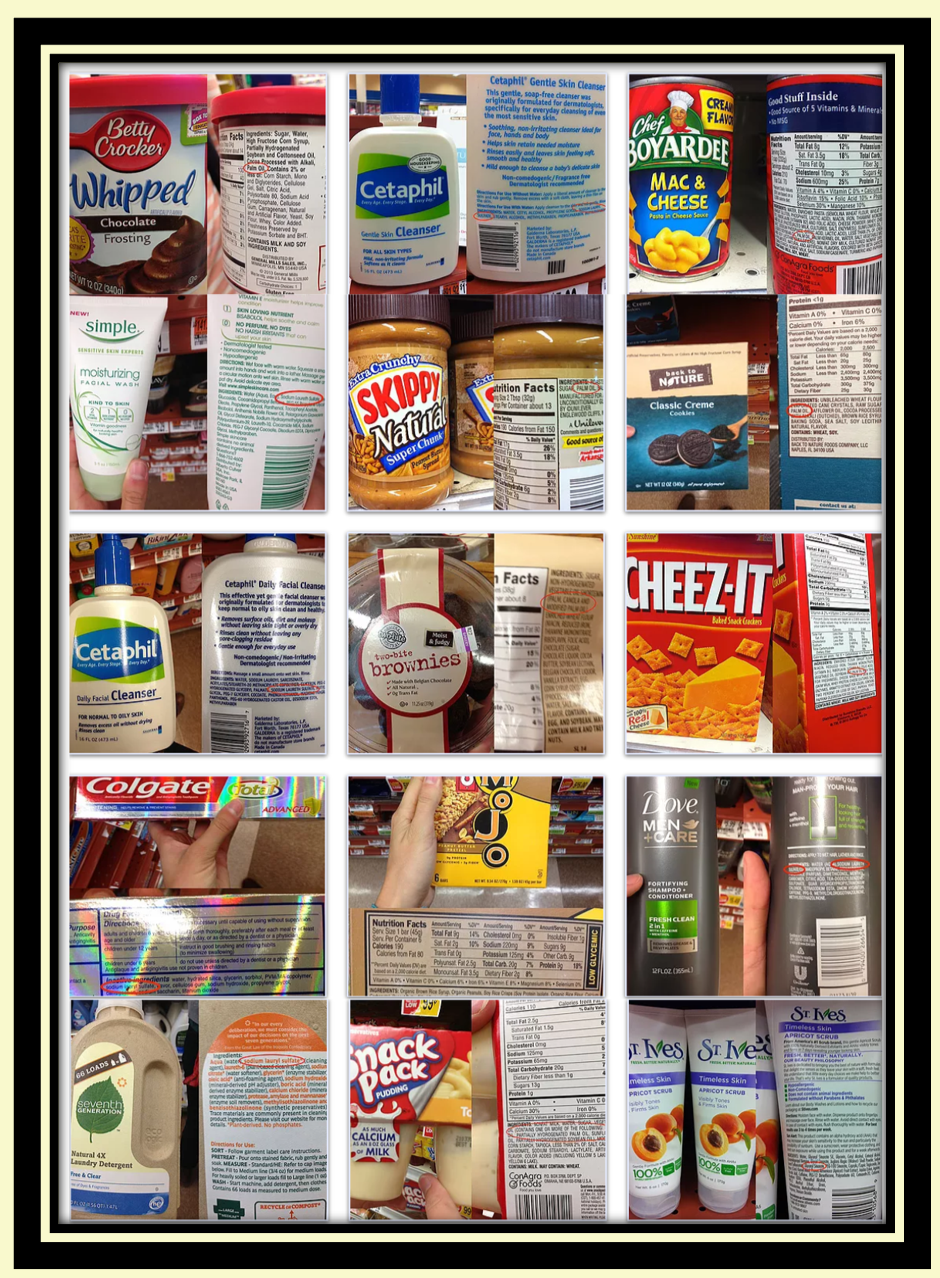
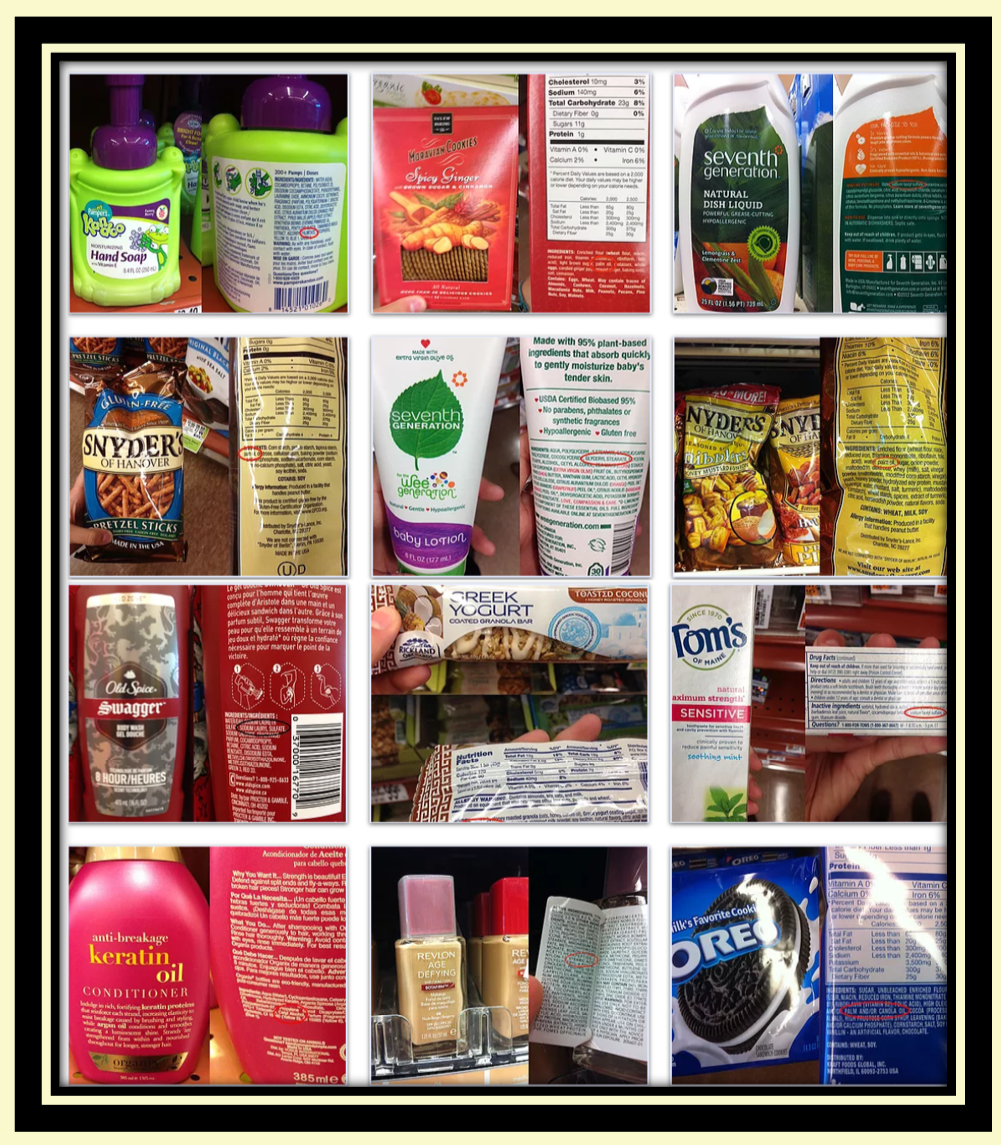
I once found an excellent site that included product images with palm-derived ingredients clearly highlighted. Clicking each image revealed detailed explanations, along with a complete ingredient list for reference. Unfortunately, as often happens over time, that resource is no longer available. I’ve since located alternative sources—though they’re more limited than what I originally found.
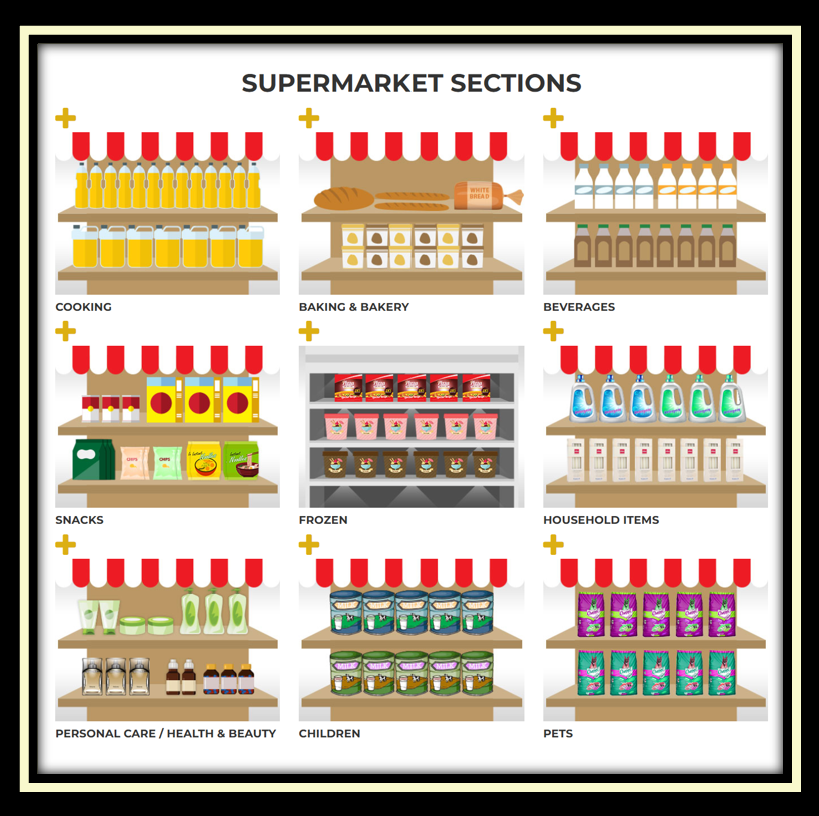
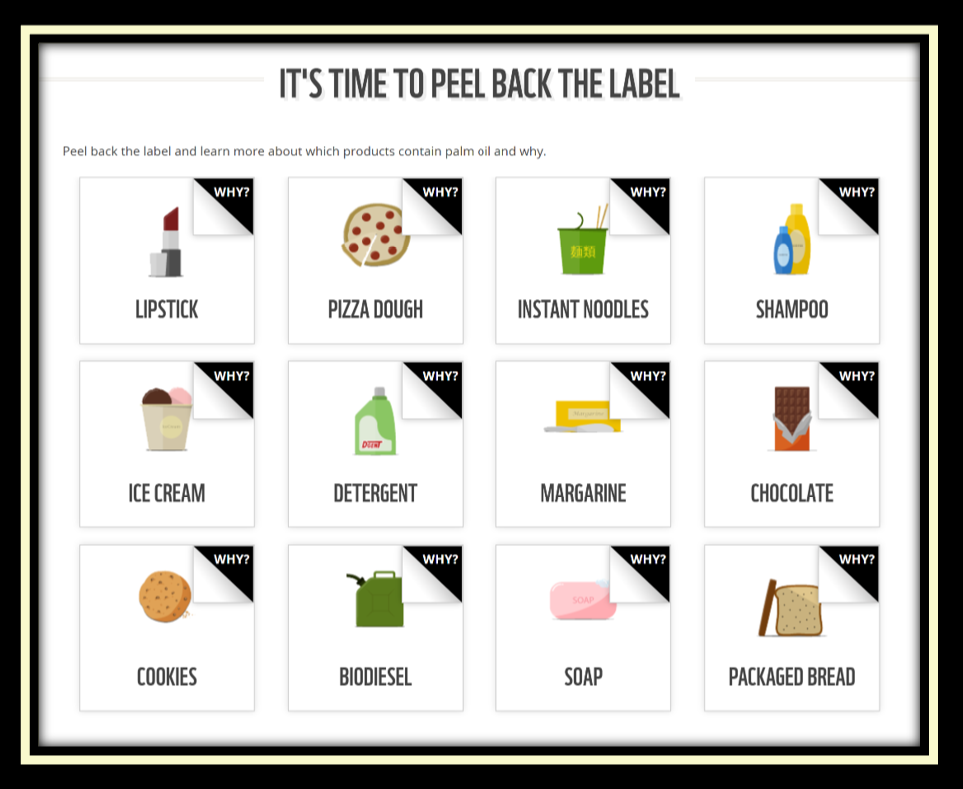
 
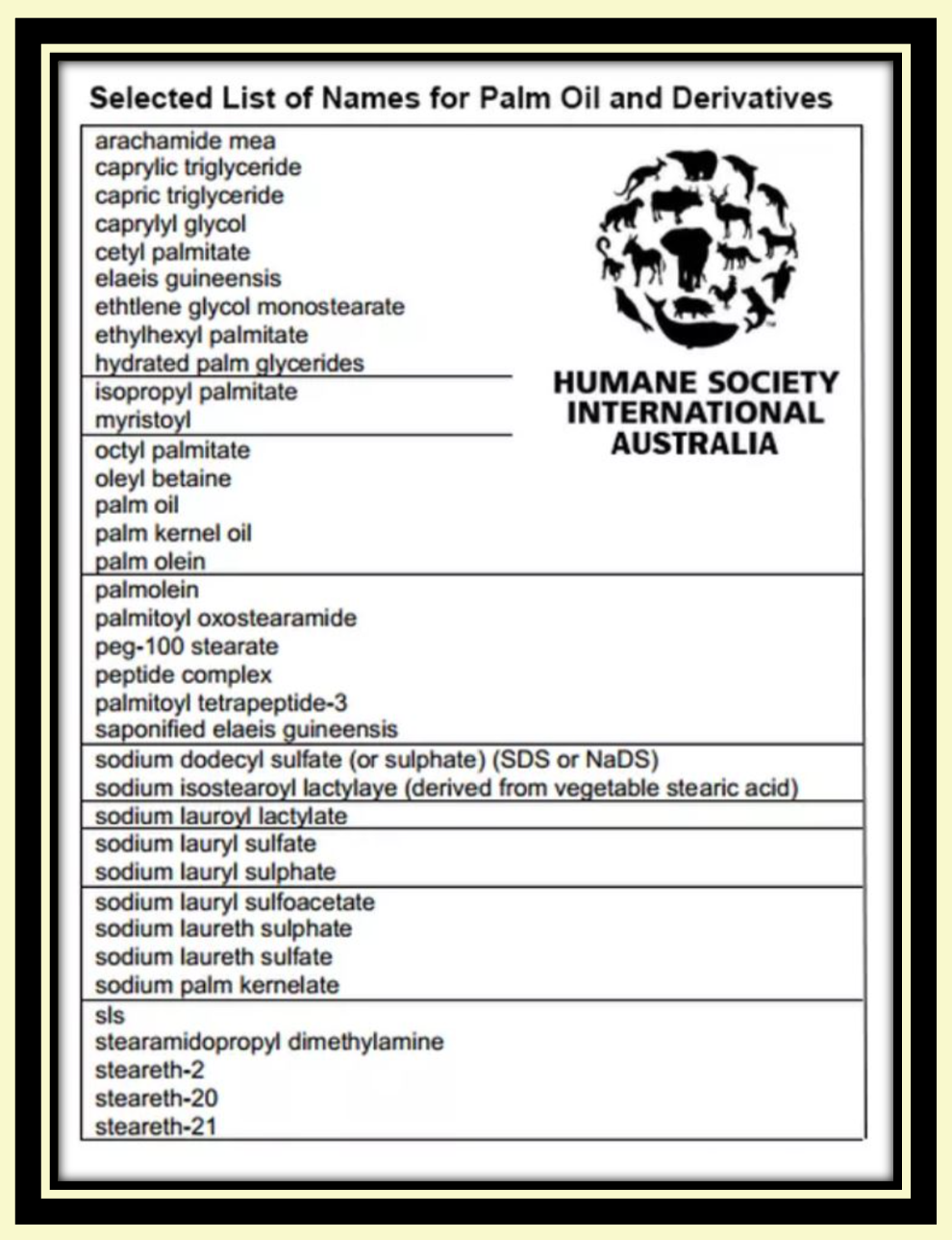
There are over 200 names for palm oil derived ingredients. We have found that brands that clearly label palm oil on the packaging of these types of products are sourcing ethically.”

Quote from Palm Oil Investigations here.

Palm Oil Derivatives: Hidden in Plain Sight

There’s a chance some people simply aren’t aware of the full extent of the palm oil controversy. I’ll admit, when I first started making soap, I wasn’t aware of it either. My understanding grew only after reading numerous soap blogs and participating in soaping forums, where I frequently came across strong objections to the use of palm oil. Interestingly, many of these objections were stated without much explanation—just a firm stance against making or purchasing soap that contained palm oil.

As I researched further, I realized just how pervasive palm oil and its derivatives are in our everyday products. This raised a question: Do those who boycott palm oil in soap also avoid every single product that contains palm oil or its derivatives? The list is staggering, spanning instant foods, personal care items, beauty products, cleaning supplies, biofuels, and various processed foods. Examples include baking products, candies, cookies, crackers, cake mixes, instant noodles, non-dairy creamers, biscuits, margarines, ice cream, frying fats, and so much more.

Have all those who are passionate about boycotting palm oil in soap explored its widespread presence in countless other products? To truly make an impact, it’s crucial to fully understand the reach of palm oil and its derivatives in global production. A deeper awareness can strengthen demands for meaningful change.

If you’re curious to learn just how many products contain palm oil and its derivatives, you can explore the lists below by clicking on the links below each–some are interactive.

I had a better site that included images with red circles highlighting the specific ingredients derived from palm oil. Clicking on each image reveals further details about the products, and a complete list is also provided for easy reference. Unfortunately, as I randomly check link from time to time, the link no longer existed so I found more, but limited to what I had originally found.
I had a better site that included images with red circles highlighting the specific ingredients derived from palm oil. Clicking on each image reveals further details about the products, and a complete list is also provided for easy reference. Unfortunately, as I randomly check link from time to time, the link no longer existed so I found more, but limited to what I had originally found.
When discussing palm oil, it’s important to consider the broader implications of an outright boycott—including its potential impact on smallholder farmers and on communities actively working to produce certified sustainable palm oil (CSPO).


Supporting Responsible Farmers

Boycotting all palm oil—including certified sustainable palm oil (CSPO)—can unintentionally undermine the very efforts aimed at improving environmental and ethical practices. Many small-scale farmers, often working in economically disadvantaged regions, depend on responsibly produced palm oil to support their families and invest in their communities.


A blanket boycott risks harming these growers while allowing large-scale producers—particularly those engaged in deforestation and other damaging practices—to continue dominating the market with so-called “dirty palm oil.”


Economic Consequences

Without a viable market for sustainably produced palm oil, smallholder farmers may lose their livelihoods altogether. In some cases, the land they carefully cultivated can be sold or seized by larger corporations. When that happens, profit often takes priority over environmental stewardship—potentially leading to more deforestation, not less.


Community Impact

Much like choosing to support local businesses closer to home, purchasing products made with CSPO helps sustain smaller farming communities. These farmers frequently reinvest earnings back into their villages, contributing to improved living conditions, education, and infrastructure.


Supporting responsibly sourced palm oil doesn’t ignore the problem—it supports those actively working to be part of the solution.

Risks of Eliminating Sustainable Practices

While Certified Sustainable Palm Oil (CSPO) is not produced exclusively by small farmers, a total boycott of palm oil could undermine the progress already made toward more responsible production. If demand for sustainably sourced palm oil disappears, even large certified producers may have little incentive to maintain higher environmental and ethical standards.


Without a market that rewards sustainable practices, the motivation to follow certification requirements weakens. Over time, this could stall—or even reverse—efforts aimed at reducing deforestation, protecting wildlife, and improving labor conditions.


Market Dynamics

If sustainability initiatives lose consumer support, the market risks being dominated by producers with little concern for environmental or social impact. This creates a system where responsible farming is no longer valued or rewarded.


In effect, abandoning sustainable options doesn’t punish harmful practices—it removes the pressure to improve them. Meaningful change depends on continued demand for better practices, not the absence of demand altogether.


Change Takes Time

Transitioning to sustainable practices—much like personal change—requires patience and persistence. Whether it’s quitting smoking, improving one’s diet, or adopting healthier habits, progress rarely happens all at once. It often includes setbacks, adjustments, and renewed commitment.


The same is true for encouraging more sustainable palm oil production. Meaningful change doesn’t happen overnight, and it isn’t supported by abandonment. Progress depends on continued effort, accountability, and support for practices that move the industry in a better direction over time.


Why Some Choose CSPO

Consumers who continue to purchase Certified Sustainable Palm Oil (CSPO) often do so to ensure their spending supports responsible farming practices rather than harmful ones. Many recognize that palm oil is a complex issue and that progress is more likely to come from measured support and accountability than from an all-or-nothing approach.


By choosing products made with palm oil certified through programs such as the Roundtable on Sustainable Palm Oil (RSPO), consumers help reinforce a system that rewards better environmental stewardship, improved labor practices, and ongoing reform.


For these buyers, supporting CSPO isn’t about ignoring the problems associated with palm oil—it’s about encouraging solutions that move the industry in a more responsible and sustainable direction.


Consider the Bigger Picture

While the challenges surrounding the palm oil industry are significant, meaningful progress is more likely to come from a nuanced approach that supports greener, more responsible practices rather than outright rejection. Addressing the environmental and social impacts of palm oil production requires balancing ecological protection with the livelihoods of the people who depend on it.


Lasting change depends on recognizing both the problems and the potential for improvement—supporting efforts that encourage accountability, responsible sourcing, and long-term progress

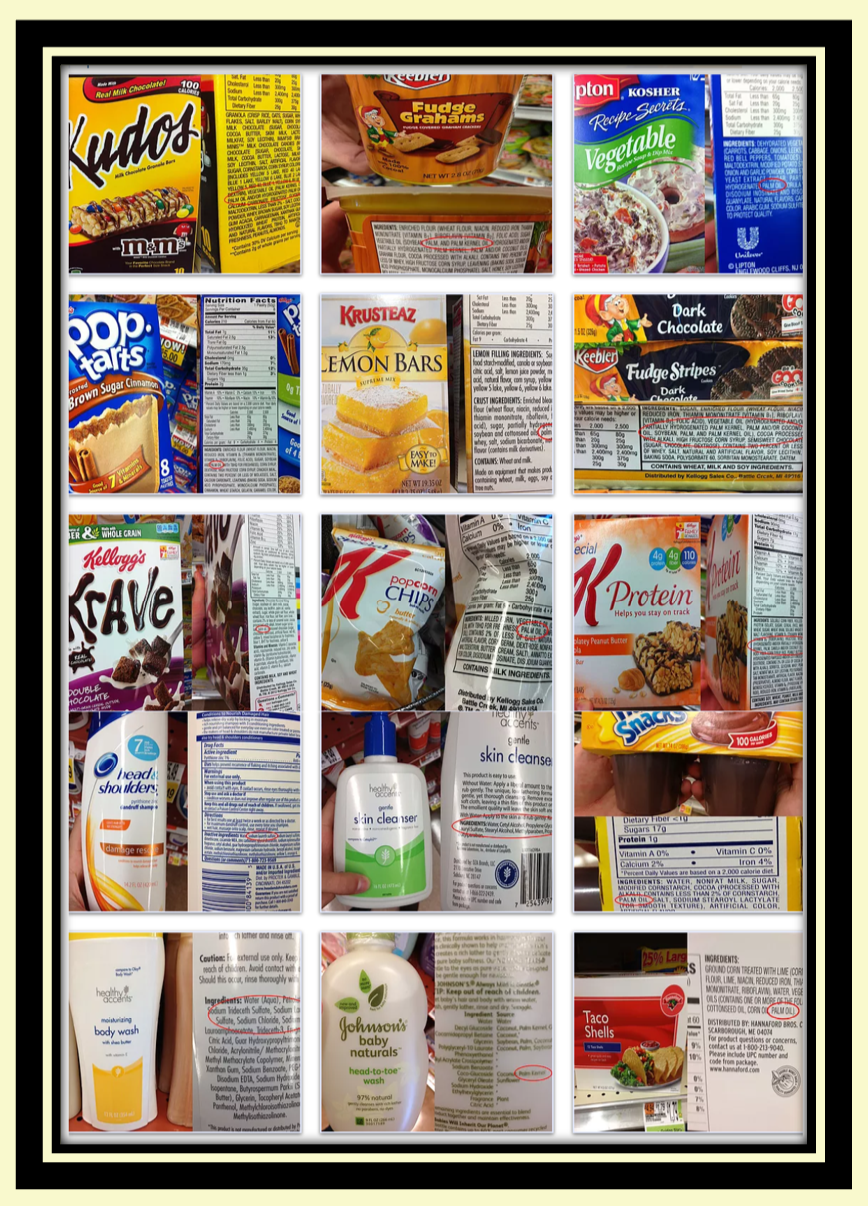
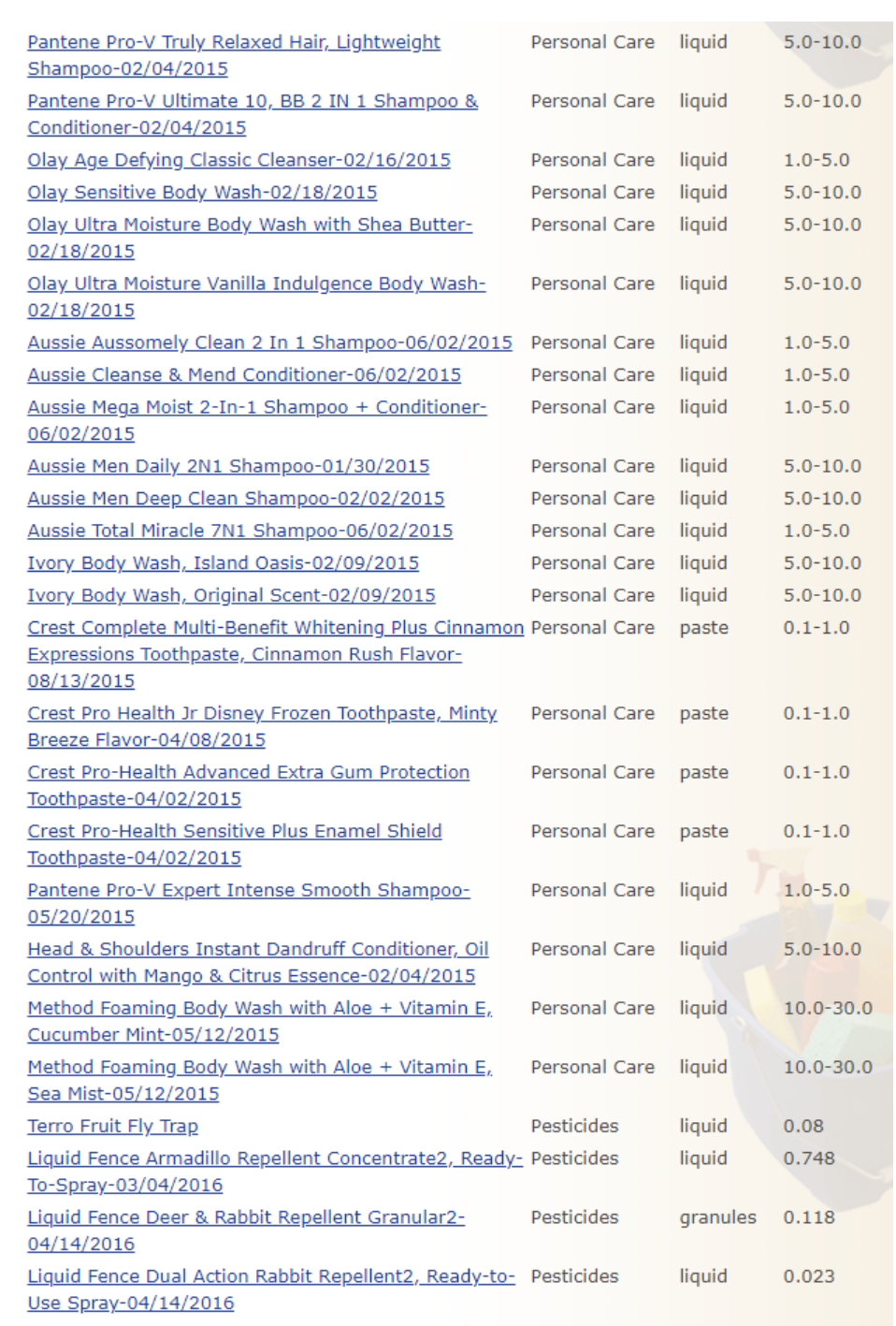
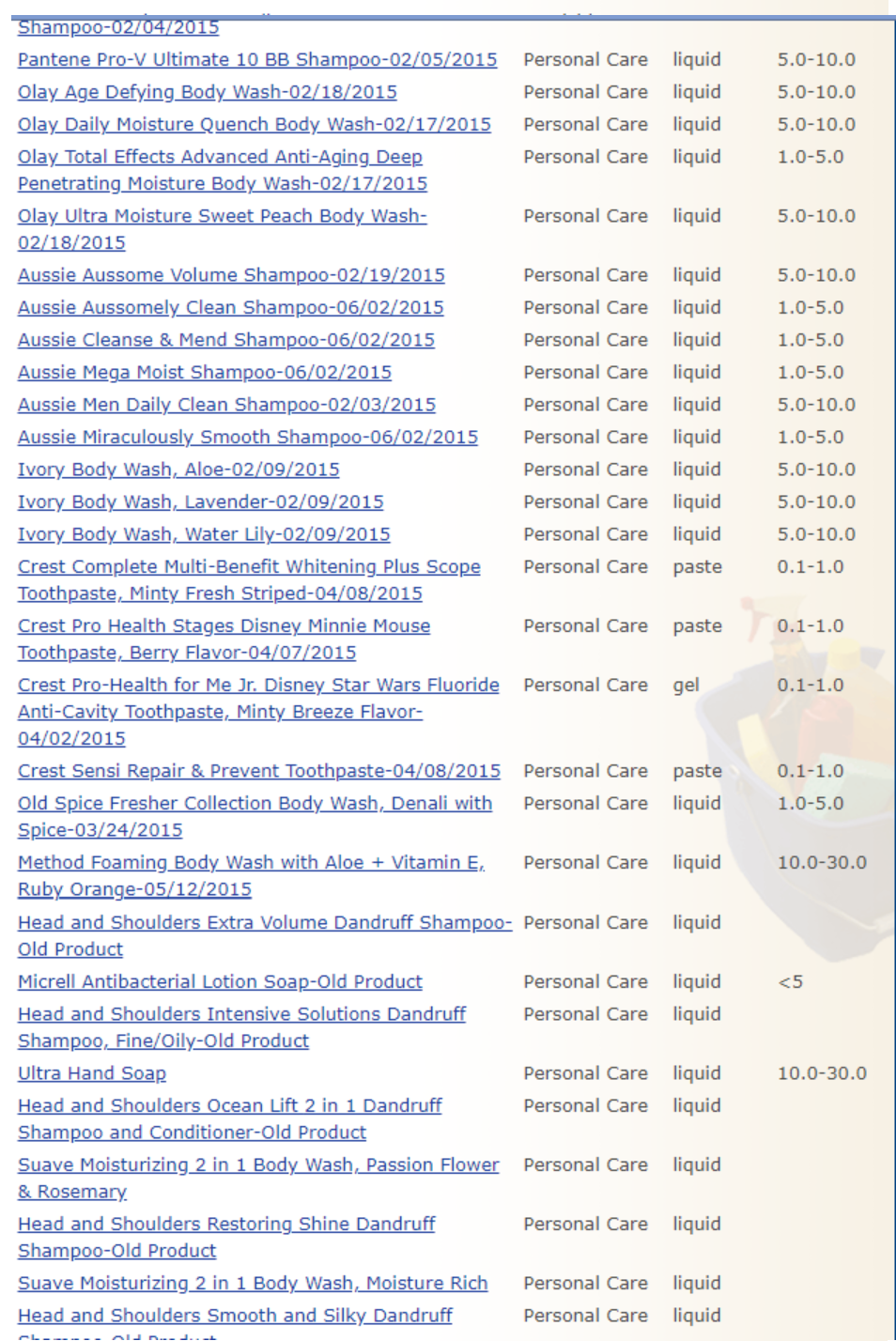
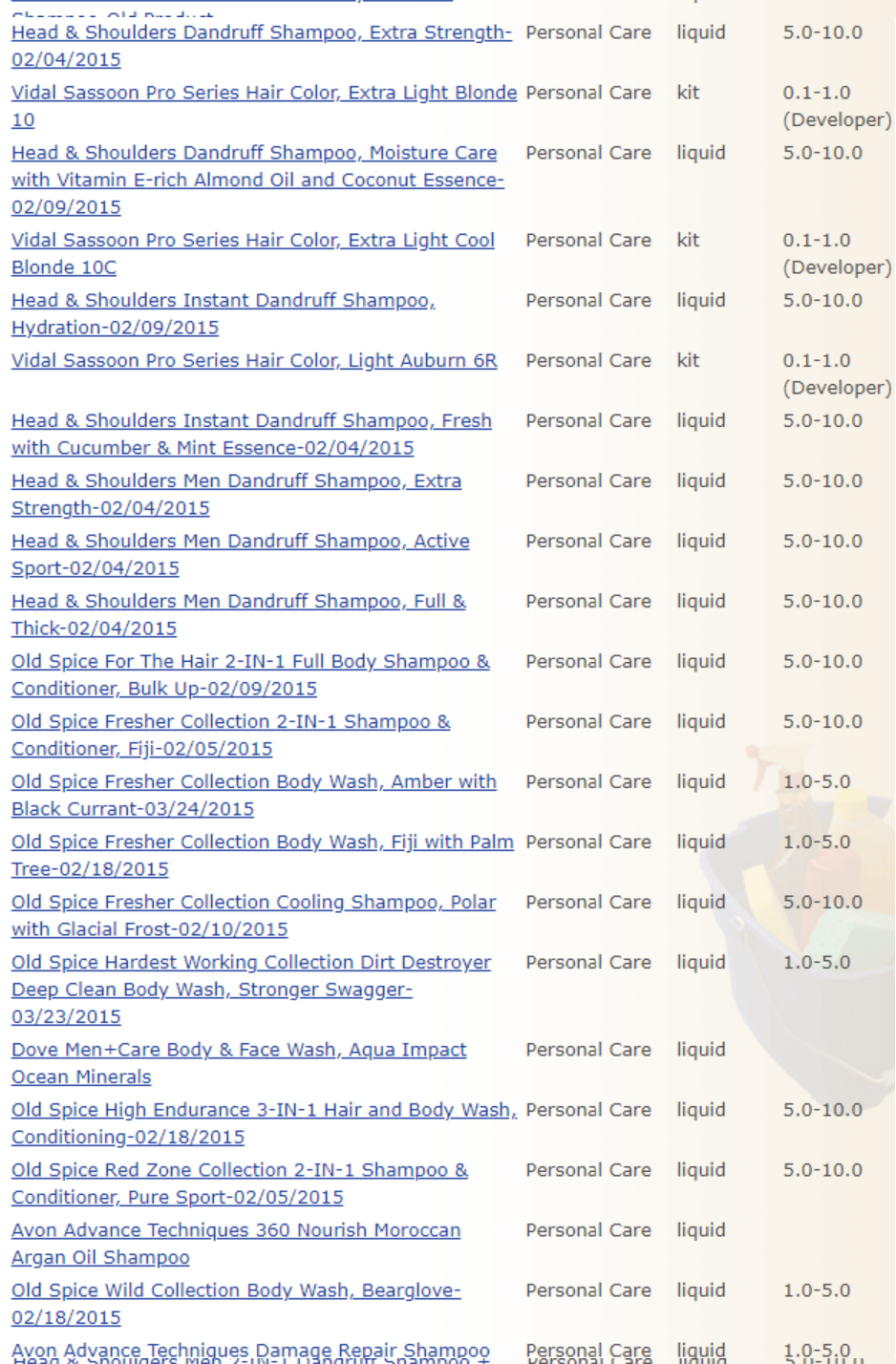
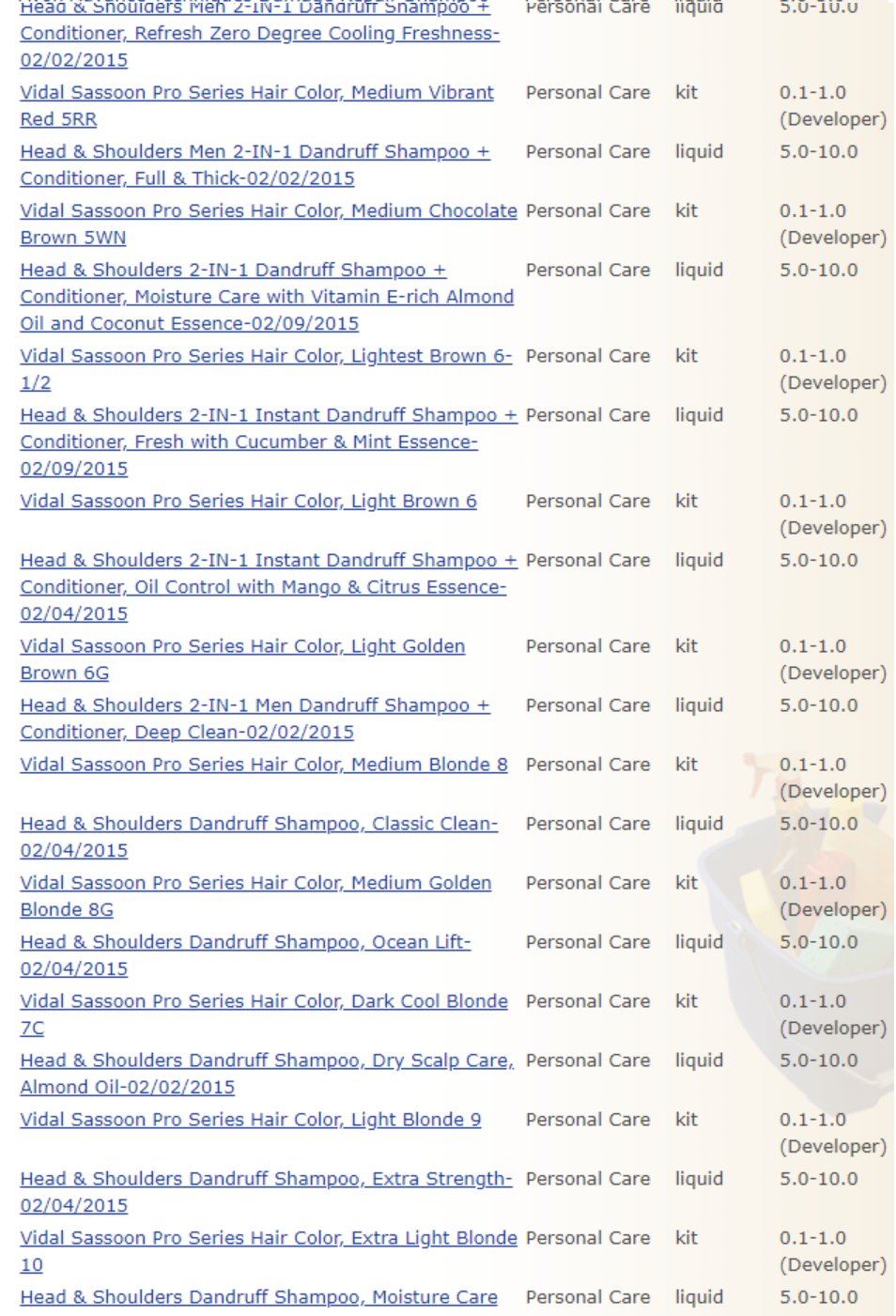
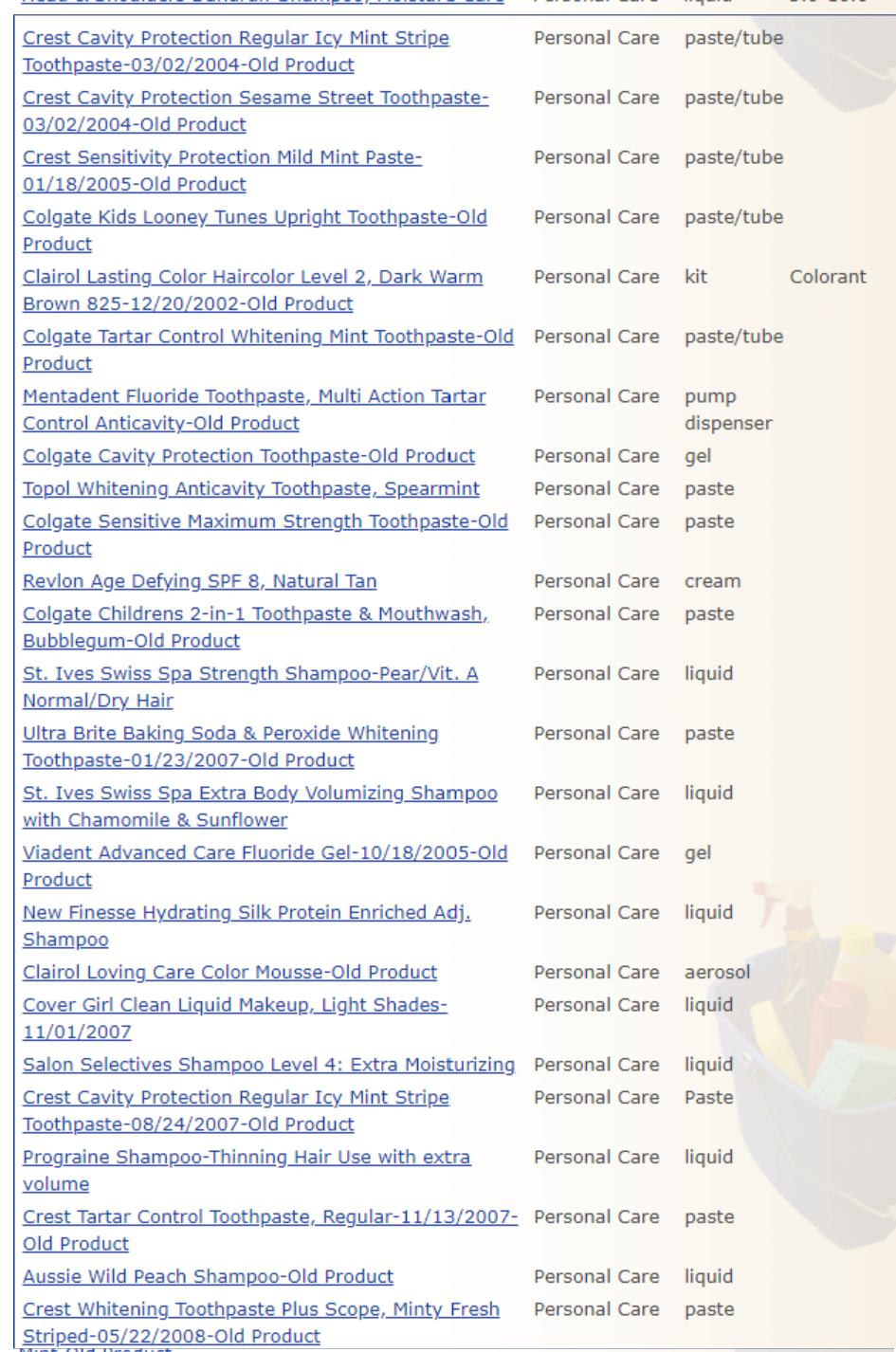
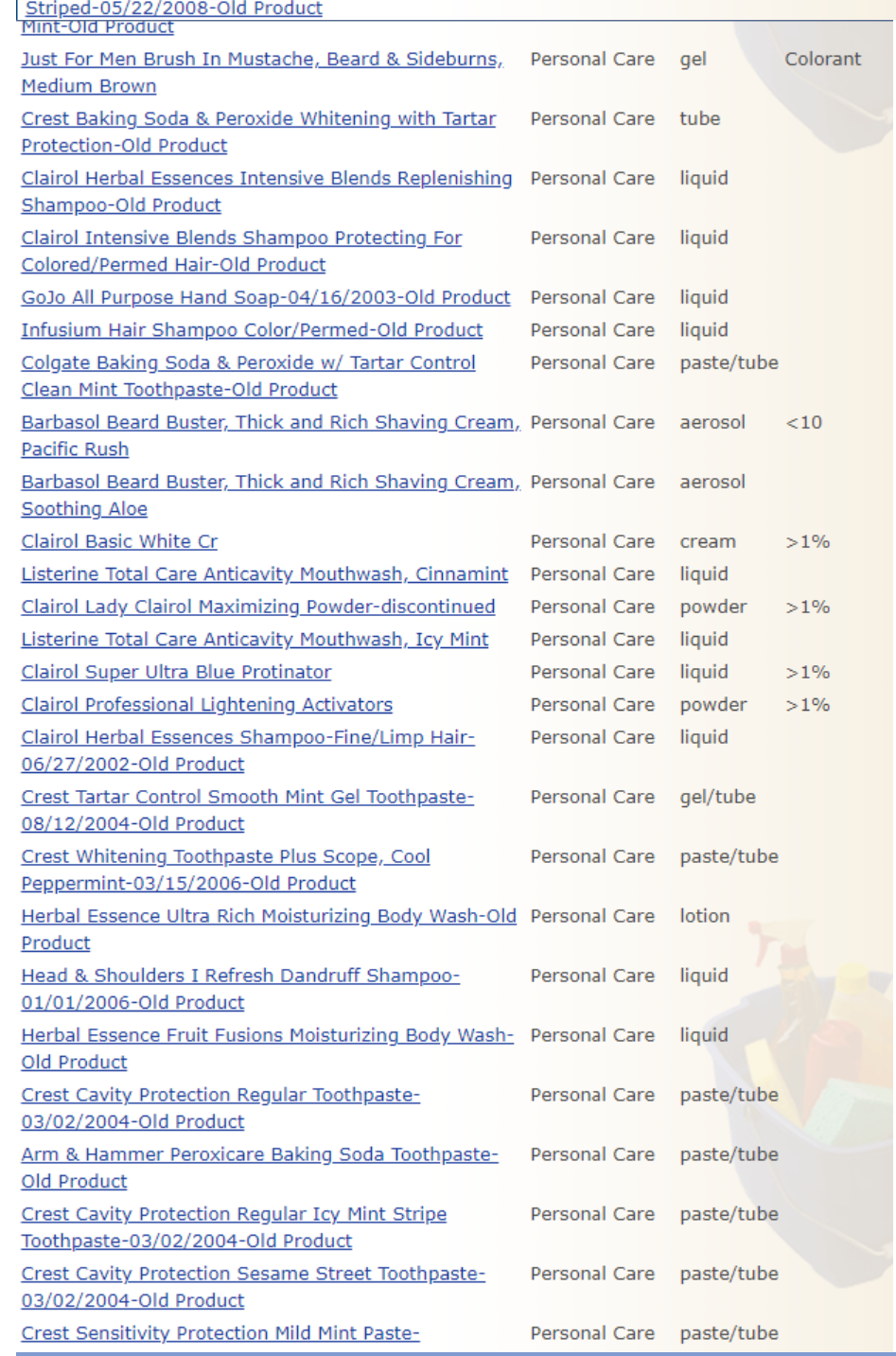
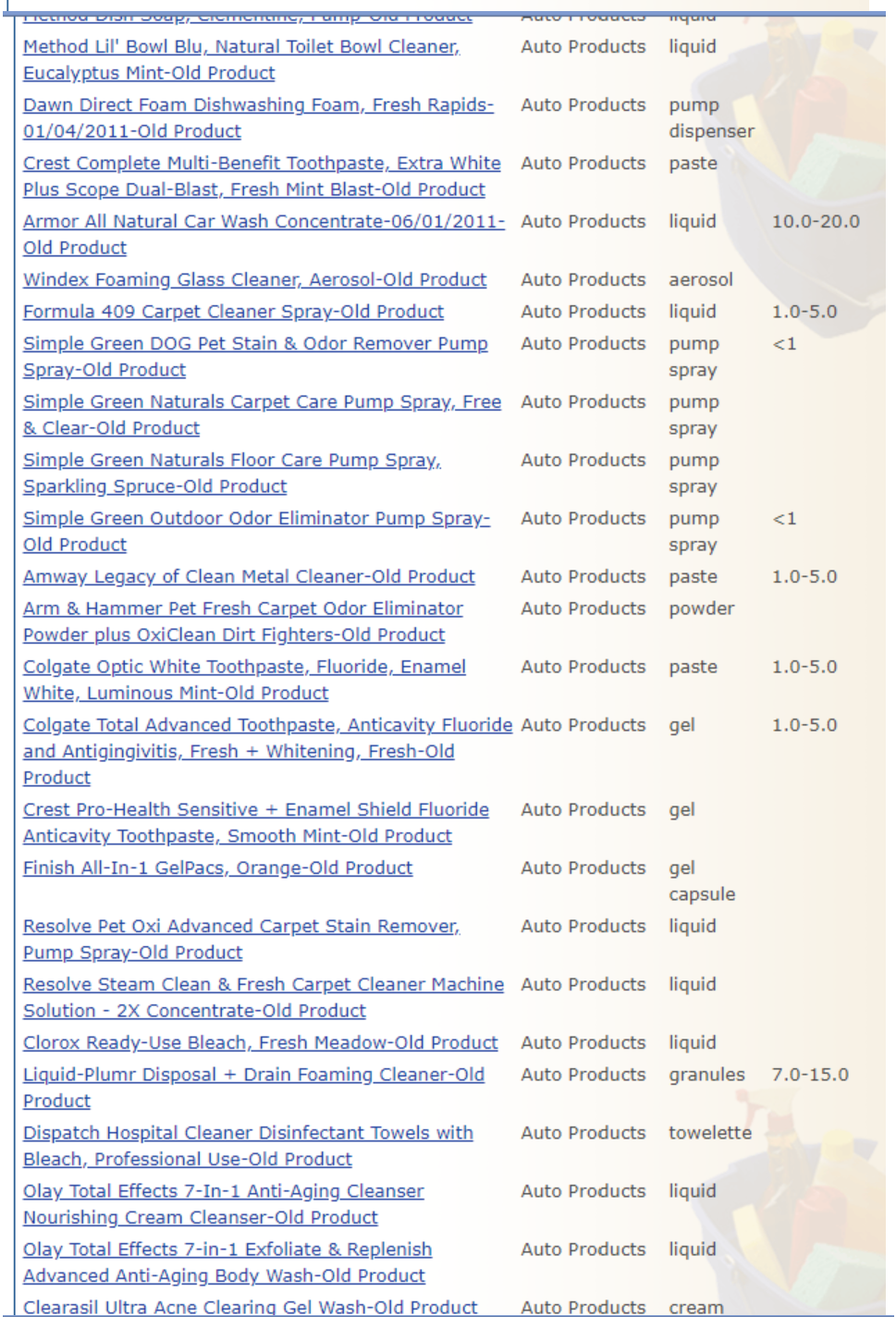
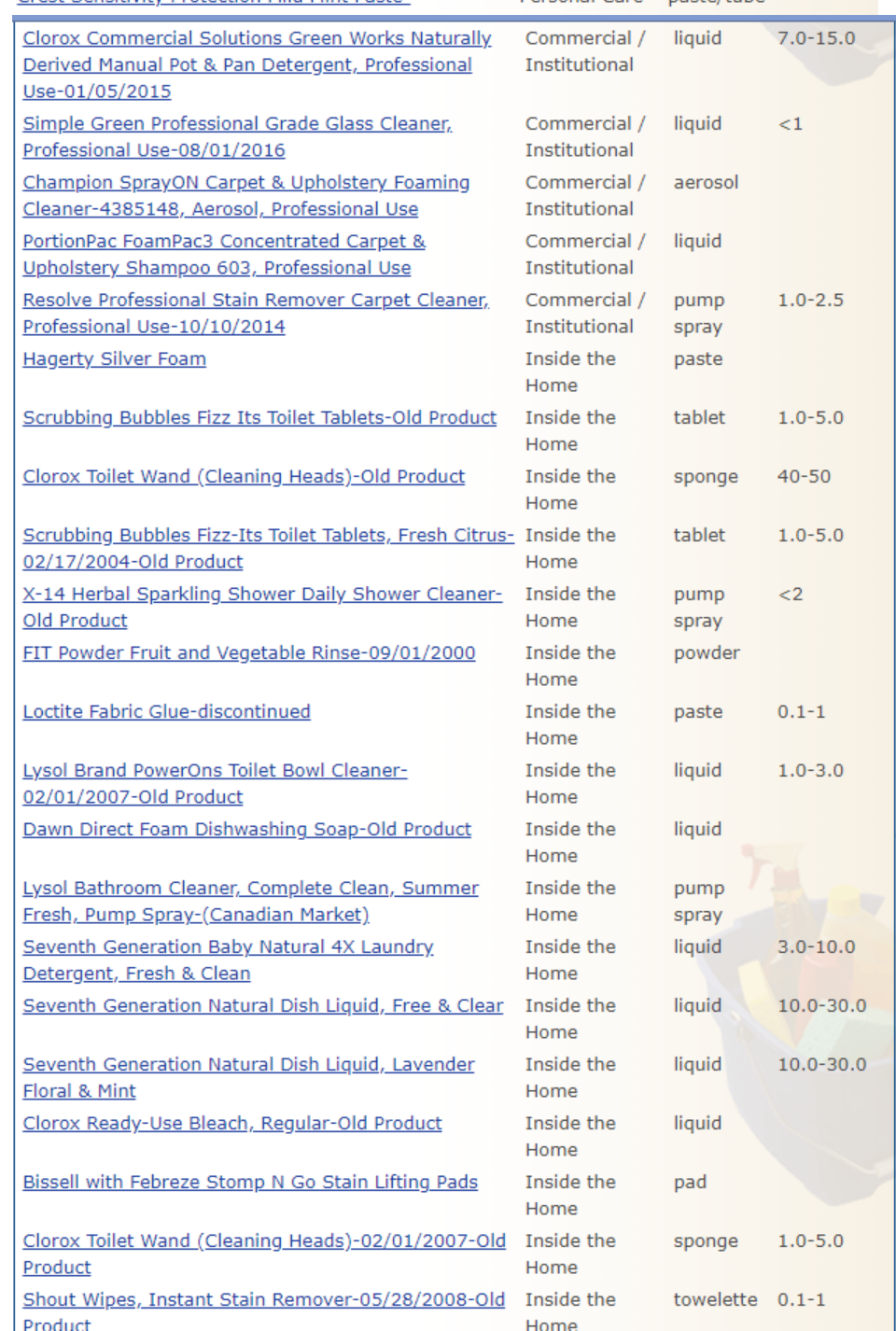
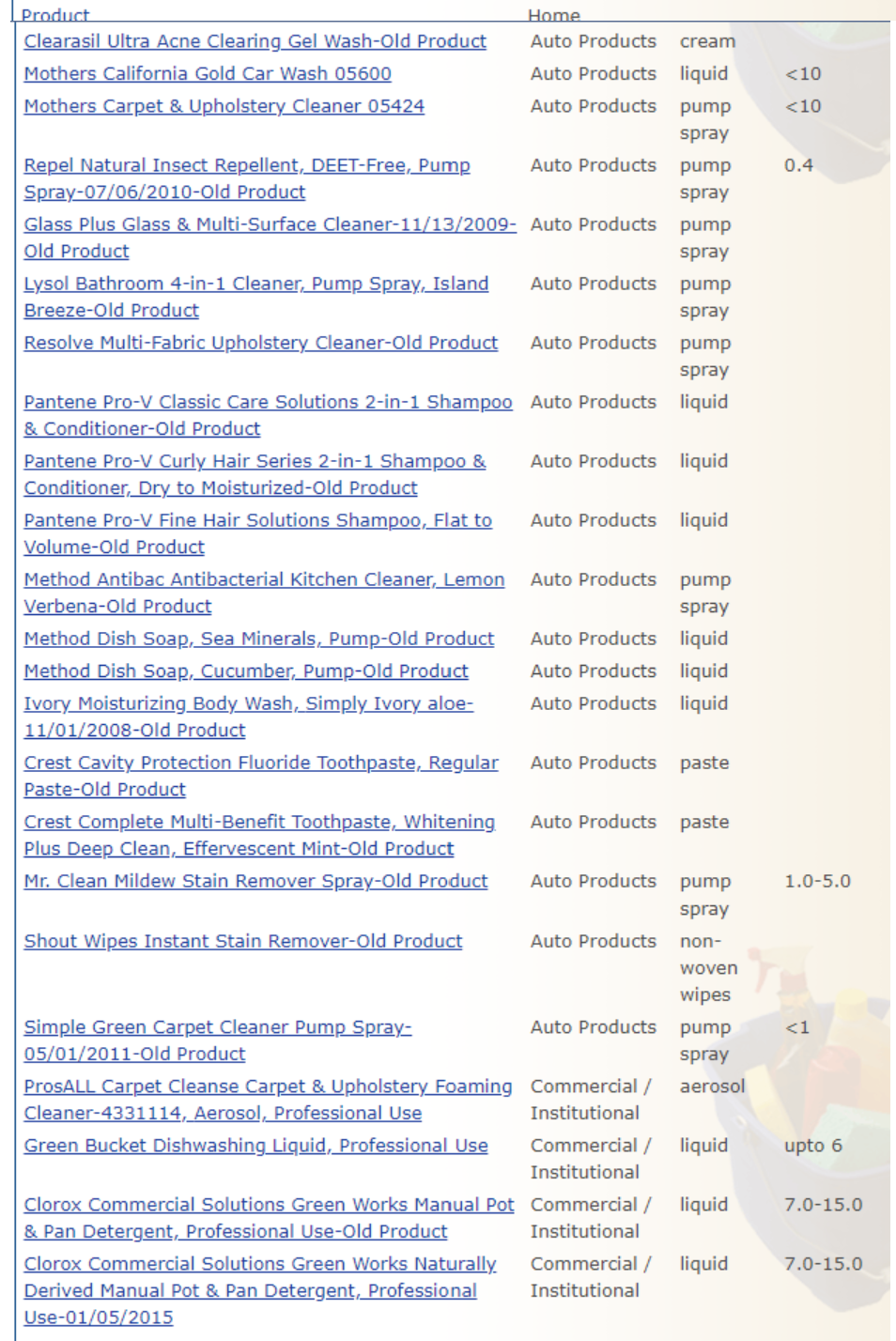
I previously relied on a resource called the Household Products Database, hosted by the U.S. National Library of Medicine (NLM). Unfortunately, that database has since been discontinued.


The original site was especially helpful because it included product images with red circles highlighting ingredients derived from palm oil. Clicking on each image revealed additional product details, along with a complete ingredient list for easy reference. When I recently revisited the link, I discovered it was no longer available.


Thankfully, I had saved the images from that resource.


You can view them below in the photo carousel. Click on any image to enlarge it for better visibility.


The final image in the carousel contains a comprehensive list of palm oil and palm-derived ingredients. It serves as a useful reference for identifying these ingredients as they commonly appear on product labels, and I highly recommend taking a look for a broader overview.

Sodium Lauryl Sulfate (SLS): A Palm Oil–Derived Ingredient You See Everywhere

One of the most well-known ingredients derived from palm oil is Sodium Lauryl Sulfate (SLS). SLS is widely used as a foaming and cleansing agent and appears in a broad range of everyday products—especially personal care items. Chances are, it’s even in your toothpaste. It’s also commonly found in household and automotive cleaning products.


As I began making more products for myself and my family, I became increasingly aware of how often SLS appeared in ingredient lists. While searching for recipes, I made a personal decision to avoid those that included it. I’m not suggesting that SLS is a “bad” ingredient. Rather, my goal in making my own products is to eliminate ingredients I feel are unnecessary for my needs.


I knew SLS was common—but I had no idea how common.


While going through the U.S. Department of Health & Human Services Household Products Database, I stopped counting after reaching 550 items; there were 970 items in total. Below, you’ll find an image carousel of what I discovered and took screenshots of from the database. It’s astonishing to see just how widespread SLS is and how many different items contain it!

Why Some Soapmakers Still Use Palm Oil in Their Recipes

Palm Oil as the Vegetable Tallow Alternative

Animal fats—such as lard (from pigs) and tallow (from animals like cows, goats, and sheep)—have long been valued in soap making. These fats create firm, white bars that last longer in the shower and produce creamy, silky lather that many people find surprisingly gentle on the skin.


For soapmakers who prefer not to use animal-derived ingredients, palm oil is often chosen as a plant-based alternative, commonly referred to as “vegetable tallow.” Much like animal fats, palm oil produces soap that is less soluble in water, meaning it resists turning into a mushy mess when left in the shower.


By contrast, “soft” vegetable oils—those that are liquid at room temperature—tend to produce softer soaps that dissolve more quickly when exposed to water.


How Palm Oil Contributes to Soap Firmness and Lather

Palm oil’s usefulness in soap goes beyond simple hardness. While hardness and solubility are often discussed together, they are not the same thing. A soap can feel hard to the touch yet still dissolve quickly in water.


Palm oil contributes to both:

  • Increased firmness, and

  • Reduced solubility,


which helps create a bar that holds up well over time. Soaps made with palm oil typically produce a stable, creamy lather with medium-sized bubbles, striking a balance between performance and a luxurious feel.


Quick Saponification and Fast Trace Formation

Another reason some soapmakers choose palm oil is its tendency to saponify relatively quickly. This means it can speed up the chemical reaction that turns oils and lye into soap.


Palm oil often helps a recipe reach trace more quickly, sometimes resulting in a noticeably thicker batter in a shorter amount of time. In contrast, oils like olive oil are known for slowing trace significantly. When working with high-olive-oil recipes, soapmakers often compensate by reducing water content, since olive oil can delay trace and extend working time considerably.


Understanding how different oils behave during saponification allows soapmakers to tailor recipes for both performance and process control.

Subscribe
Notify of
guest

0 Comments
Oldest
Newest Most Voted
Inline Feedbacks
View all comments

Educational & Informational Disclaimer

The information provided on this website is for educational and informational purposes only. It is intended to share general knowledge about traditional soapmaking, ingredient behavior, historical context, and manufacturing processes.


Nothing on this site is intended to diagnose, treat, cure, or prevent any disease or medical condition. The products offered are classified as soap under FDA guidelines and are not intended to affect the structure or function of the skin or body. Individual experiences and preferences may vary.


Information presented here should not be considered a substitute for professional medical advice, diagnosis, or treatment. If you have a medical condition, skin concern, or sensitivity, please consult a qualified healthcare professional before using any product.


This website may reference or link to third-party scientific, technical, or educational resources for general learning purposes. These references are provided to support transparency and encourage independent research, not as endorsements or medical guidance.

Click here to read the full disclaimer.

Contact me:

I typically respond to texts almost immediately unless I’m in the middle of making soap.


As soon as I reach a stopping point, I’ll be sure to check and reply.

I check my email daily and will get back to you as soon as possible.

Address:

Michele Woody

104814 State Hwy 64

Muldrow, OK 74948

0 0 votes
Article Rating
0
Would love your thoughts, please comment.x
()
x