
Comprehensive History of Soap During the Early Modern Period

Image AI-generated
Introduction of Soap-Making to the New World
With the European colonization of the Americas in the 16th and 17th centuries, settlers brought with them essential skills, including soap-making. While colonization opened up new economic opportunities and benefits for European countries, it was devastating and damaging for the indigenous people of the Americas. Colonization led to widespread violence, displacement, and the destruction of entire cultures, with indigenous populations suffering severe losses in both lives and land.
Early Soap-Making Practices in America
In terms of soap-making, settlers initially produced soap in rudimentary forms, primarily at home to meet daily cleaning needs. Early American settlers utilized wood ash from abundant hardwood trees to create lye, a powerful alkali, which they combined with animal fats from cooking or hunting to make soap. This soap was often crude and rough-textured, used mainly for laundry and household cleaning rather than personal hygiene.
The Growth of Commercial Soap-Making in America
By the 18th century, small-scale commercial soap production began to take hold in the American colonies. Enterprising soap-makers set up operations near tanneries, butcher shops, and other businesses that provided animal fats, which were integral to the soap-making process. However, as soap-making in America began to grow, it mirrored the larger colonial process—benefiting European settlers while contributing to the further exploitation and marginalization of indigenous peoples.
The Rise of Soap-Making in Italy and France
During the Early Modern Period, soap production in Europe saw significant evolution, with Italy and France emerging as leaders in the craft of high-quality soap manufacturing. Building on methods developed during the Middle Ages, both countries became renowned for producing some of the finest soaps of the era.
Italian Soap-Making: The Art of Savon de Naples
In Italy, Naples became a key center for traditional soap-making, producing a distinctive olive oil-based soap known as “Savon de Naples.” Made with locally sourced, high-quality olive oil, this soap was prized for its smooth, mild properties. Along with Naples, cities like Venice and Genoa, with their access to prime Mediterranean trade routes, also became hubs of soap production. Venetian soap-makers, in particular,
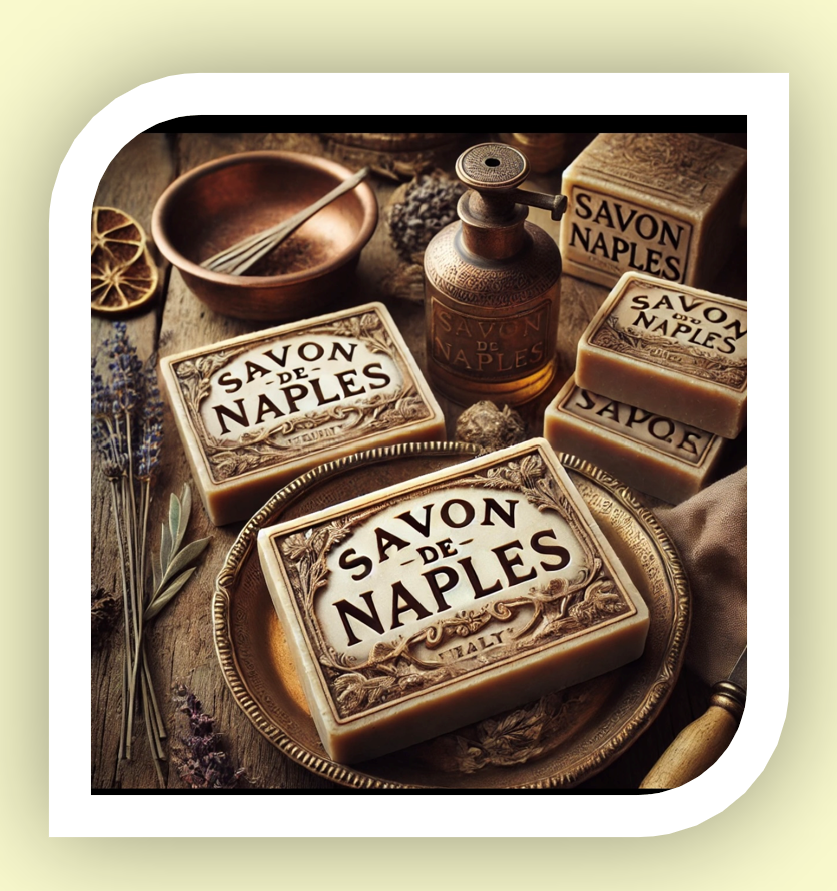
Image AI-generated
refined the craft by creating luxurious scented soaps that combined olive oil with natural fragrances.
These soaps were highly valued both within Italy and across Europe, cementing Italy’s reputation for producing exceptional artisan goods.
French Soap-Making: The Iconic Savon de Marseille
In France, soap-making flourished in the southern city of Marseille, where artisans perfected the method for creating “Savon de Marseille.” This iconic soap was made using pure olive oil, alkali ash derived from sea plants, and Mediterranean seawater, resulting in a product that was mild, rich, and distinctly French. By the 17th century, Savon de Marseille had earned a reputation for its purity and exceptional
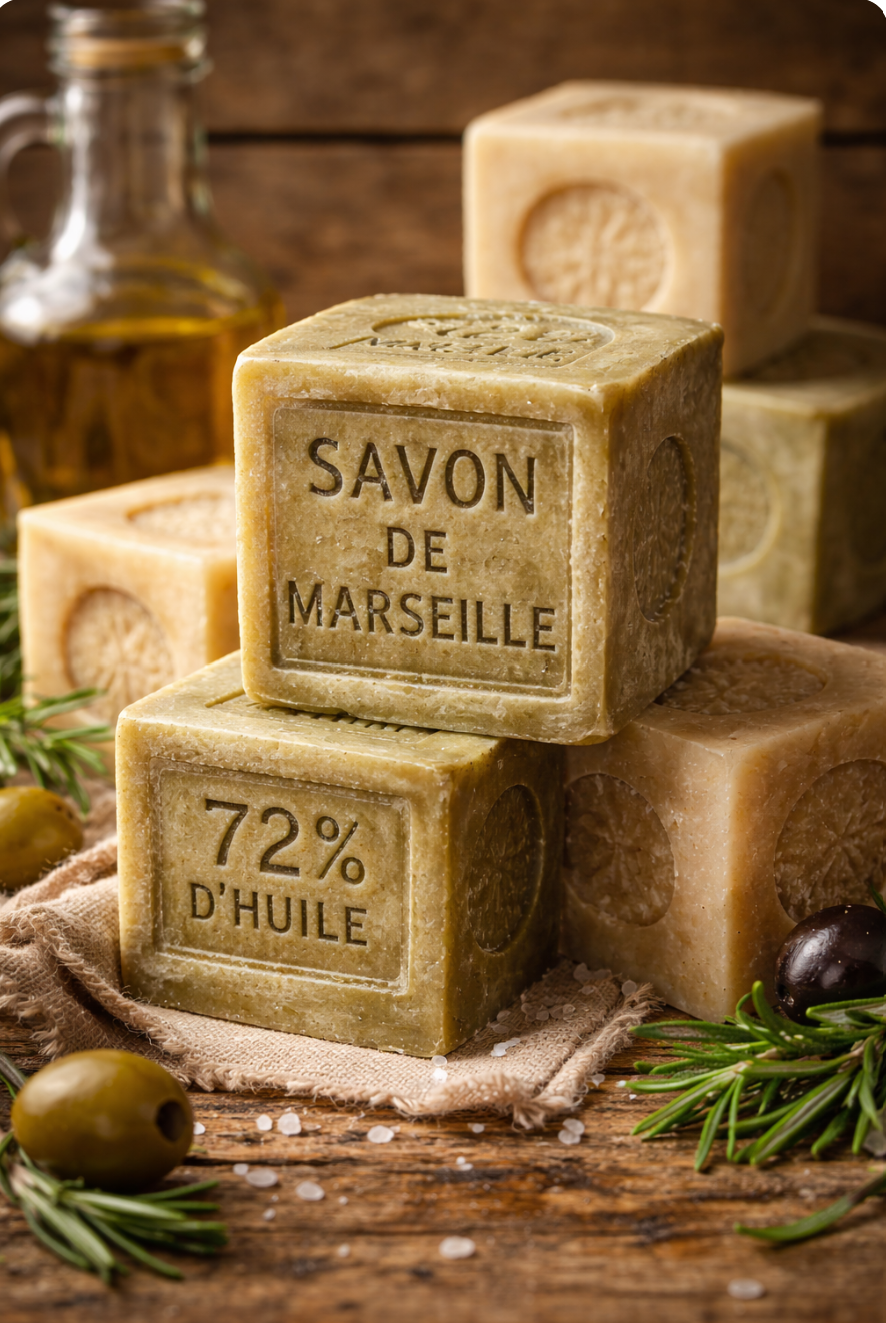
Image AI-generated
quality, becoming a household staple in France and a sought-after export across Europe. The soap’s characteristic green or white blocks—known for their creamy lather and absence of animal fats—became synonymous with French soap-making excellence.
Guilds and Regulation of the Soap Trade
Protecting Quality and Tradition
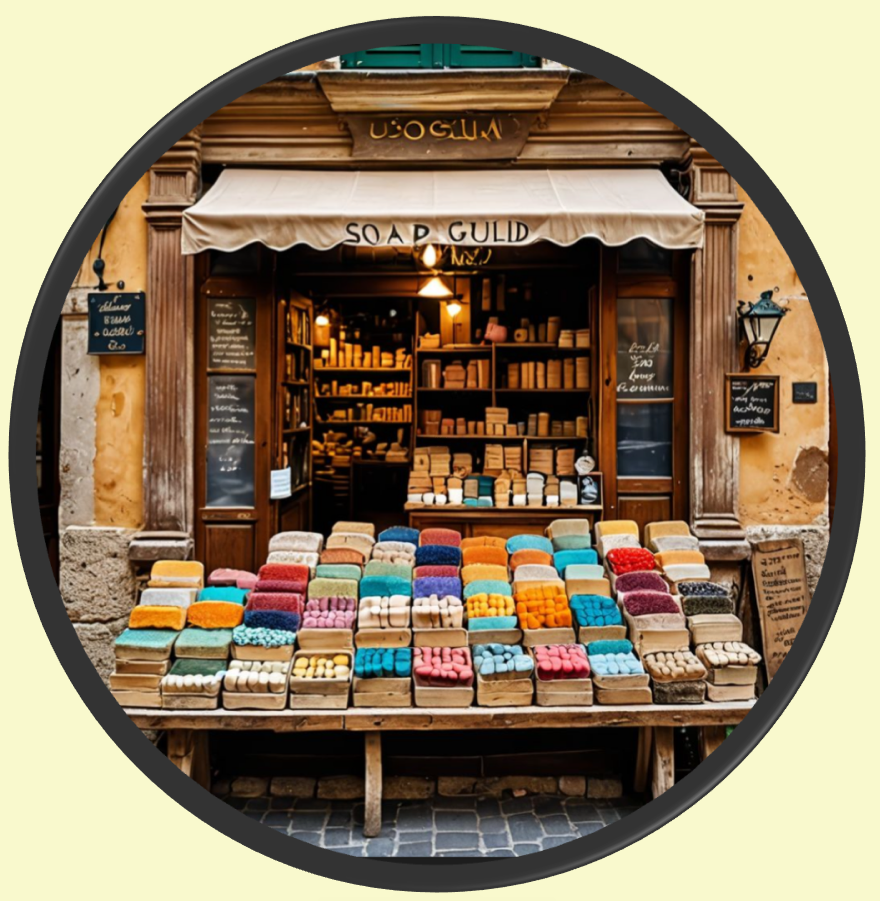
During the Early Modern Period, soap-making became a highly formalized craft in Italy and France, safeguarded and regulated by guilds that upheld the integrity of the trade. These guilds protected traditional recipes, restricted competition from unskilled soap-makers, and ensured the consistent quality that elevated Italian and French soaps to some of the finest in Europe. Unlike Spain’s Castile soap—renowned for its pure olive oil formula—modern Castile soaps often deviate from tradition, sometimes containing minimal olive oil.
Soap Guild, AI-generated
In France, Louis XIV’s Minister of Finance, Jean-Baptiste Colbert, issued the Edict of Colbert in 1688, which strictly regulated soap production in Marseille. The decree mandated that Savon de Marseille be made exclusively with pure olive oil, explicitly prohibiting the use of animal fats, which were deemed inferior. This regulation preserved the soap’s purity, consistency, and esteemed reputation. Violating these rules carried severe penalties, ensuring that Savon de Marseille maintained its high status and authenticity in the market.
In Italy, guilds in Naples, Venice, and Genoa also enforced standards, though perhaps less formally regulated than in France. These guilds protected traditional method, ensured quality control, and promoted local artisanship, leading to Naples and Venice developing distinct regional styles of soap with unique fragrances and textures.
Traditional Soap-Making Methods: A Lasting Legacy
Italy and France continue to honor their rich soap-making heritage, producing authentic, high-quality soaps that often adhere to historical recipes and methods.
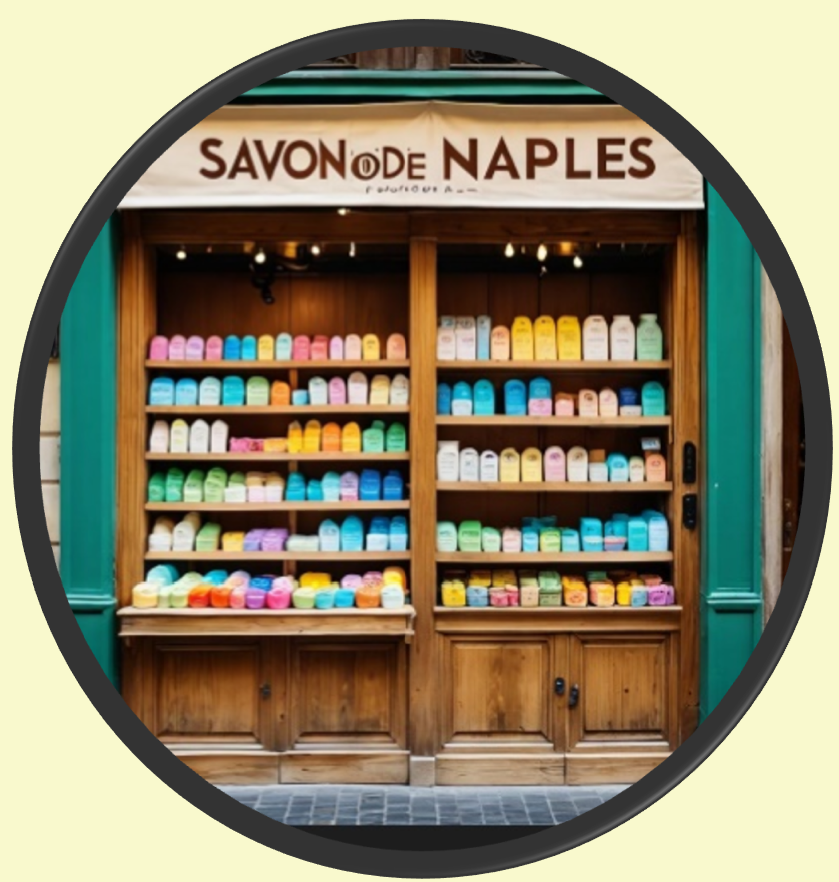
Image of Savon de Naples, AI-generated
Italy’s Enduring Soap Heritage
In Italy, small-scale soap-makers in Naples and other regions still craft artisanal soaps using locally sourced olive oil and natural fragrances, much like their predecessors centuries ago. While modern technology has improved efficiency in production, these Italian artisans remain dedicated to the principles of craftsmanship and quality that elevated Italian soap during the Early Modern Period.
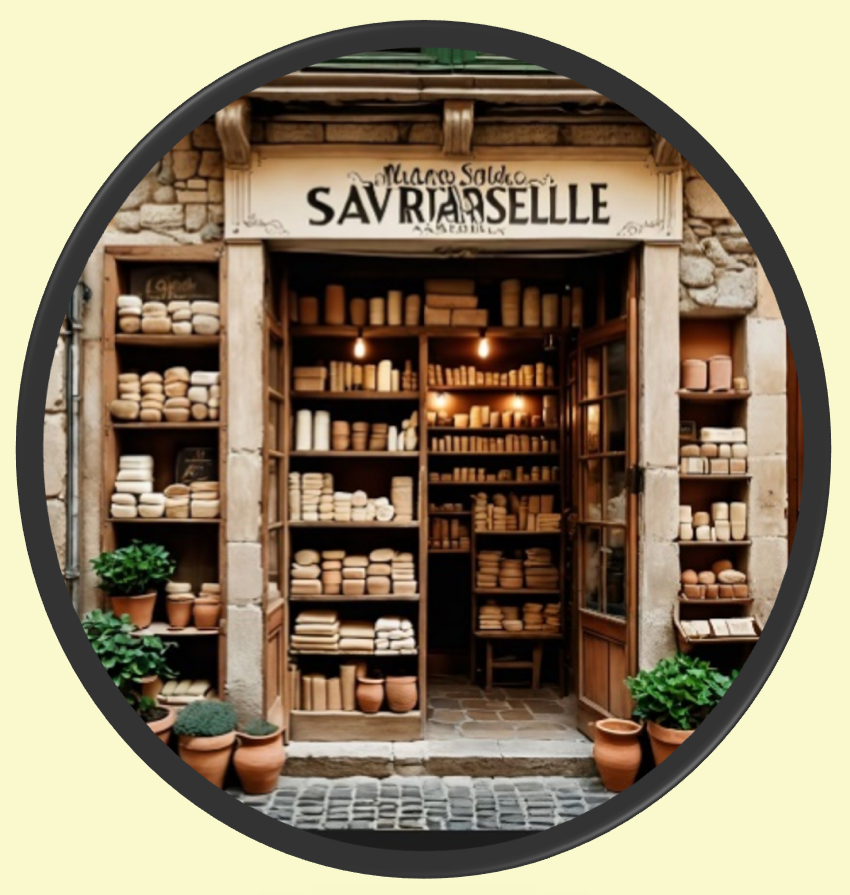
Image of Savon de Marseille, AI-generated
France’s Reverence for Savon de Marseille
Authentic Savon de Marseille is still produced by a select group of traditional soap-makers in the Marseille region. These artisans preserve the age-old boiling methods, using cauldrons and high-quality olive oil to replicate the purity of 17th-century recipes. Although some tools and processes have been modernized, the essence of this iconic soap remains unchanged. Known for its gentle and nourishing properties, Savon de Marseille continues to hold a revered place in both French culture and the global market.
The heritage of the Fer à Cheval Marseille Soap Company videois just one example of the many fascinating Marseille soap-making traditions showcased on YouTube.
The “Fabrication du véritable savon de Marseille” video is another excellent example, offering an in-depth look at the traditional methods used to create authentic Marseille soap.
Procter & Gamble: Pioneering Soap-Making in America
Strategic Beginnings and Early Success
Procter & Gamble’s soap and candle business did not operate near a tannery, but their initial location in Cincinnati, Ohio, was strategically chosen for its access to a canal, which allowed them to efficiently ship their products. Founded in 1837 by William Procter and James Gamble, the company initially focused on producing soap and candles, both of which required animal fats..
While several other soap manufacturers were present in the area, Procter & Gamble’s success grew from this advantageous location, especially after they became the official soap supplier for the Union Army during the Civil War. Their operations initially involved producing both soap and candles, using animal fats like lard oil, a common material for both industries at the time. While their operations were not directly tied to a tannery, they did source materials that could have been used similarly in other industries. Their first factory was located just north of downtown Cincinnati, where the canal provided easy access for shipping and expanded their reach.
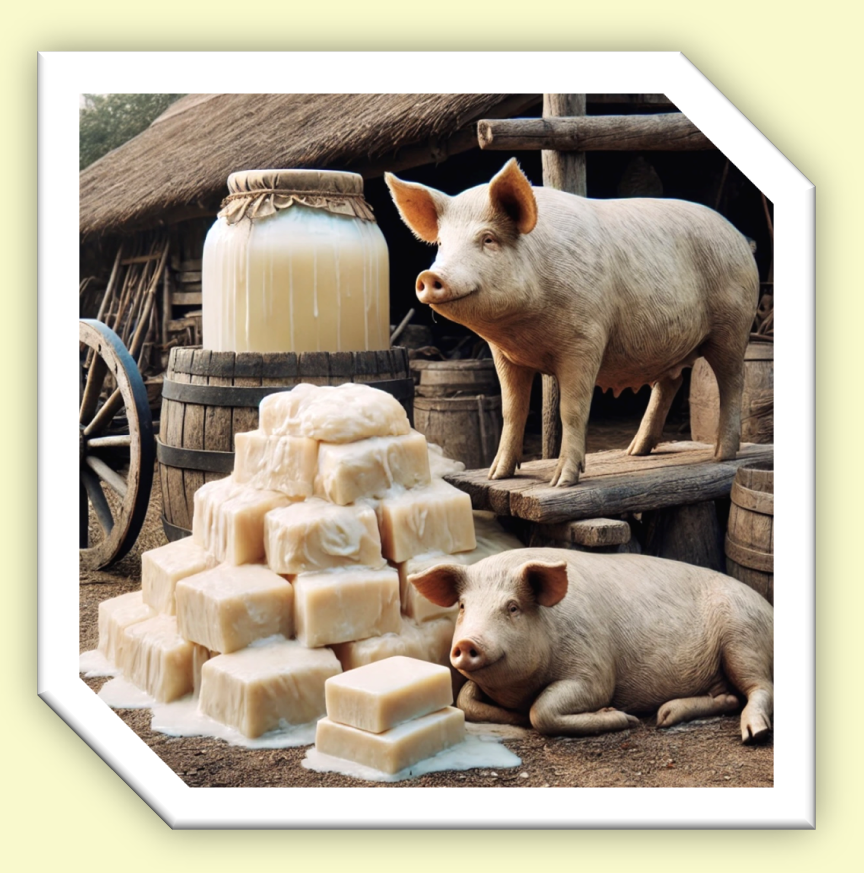
Piles of lard & lard oil for soap making, AI-generated
Conclusion
The Early Modern Period solidified soap’s place as a vital product for both domestic and personal use, with Italy and France leading the way in innovation and craftsmanship. The traditions and techniques developed during this era not only shaped the standards of soap-making but also created enduring legacies that continue to thrive today. Whether through the iconic Savon de Marseille, steeped in its rich French heritage, or the artisanal olive oil soaps of Naples and Venice, these historical methods remain celebrated for their purity, quality, and artistry. The timeless appeal of these soaps serves as a reminder of the ingenuity and dedication that defined Early Modern soap-making and its lasting cultural significance.
Subscribe
Login
0 Comments
Oldest
Newest
Most Voted
Inline Feedbacks
View all comments
Educational & Informational Disclaimer
The information provided on this website is for educational and informational purposes only. It is intended to share general knowledge about traditional soapmaking, ingredient behavior, historical context, and manufacturing processes.
Nothing on this site is intended to diagnose, treat, cure, or prevent any disease or medical condition. The products offered are classified as soap under FDA guidelines and are not intended to affect the structure or function of the skin or body. Individual experiences and preferences may vary.
Information presented here should not be considered a substitute for professional medical advice, diagnosis, or treatment. If you have a medical condition, skin concern, or sensitivity, please consult a qualified healthcare professional before using any product.
This website may reference or link to third-party scientific, technical, or educational resources for general learning purposes. These references are provided to support transparency and encourage independent research, not as endorsements or medical guidance.
Click here to read the full disclaimer.
Contact me:
Text:
(479) 651-2760
I typically respond to texts almost immediately unless I’m in the middle of making soap.
As soon as I reach a stopping point, I’ll be sure to check and reply.
I check my email daily and will get back to you as soon as possible.