
Myth #7: It's a Subpar Product
Tallow and Skin: A Match Made in Nature
The Misconception of Inferiority
For years, traditional soap containing animal fats, such as tallow or lard, has been dismissed as inferior. This bias often stems from the association of animal fats with “old-fashioned” or “less refined” products. Yet, what many don’t realize is that commercial soaps, which are combinations of lye and lipids, frequently include tallow as a key ingredient. While plant oils are often marketed as superior for cosmetics, this claim is not universally supported by evidence. In fact, ingredient lists of many commercial soaps reveal the inclusion of tallow, highlighting its enduring relevance in soap-making.
It’s common to see online soap vendors emphasizing that their products contain no animal fats,
Historical Use and Scientific Basis
Applying animal fats to the skin may seem unappealing at first glance, but their fatty acid profiles are strikingly similar to those found in the human body. Historically, cosmetics formulated with animal fats were valued for centuries because the skin naturally accepts essential components like fatty acids, ceramides, and squalene. These elements are fundamental to maintaining healthy, hydrated skin, which is why animal fats have been prized in skincare.
Soap Chemistry: Animal Fats vs. Plant Oils
Soap made with animal fats and plant oils is fundamentally the same once saponification is complete—neither contains lye or fatty acids in their original forms. However, superfatted soaps, like those I craft with a 3–5% superfat, intentionally leave a small amount of unsaponified oils. These unsaponified lipids may deposit transiently on the skin during washing, contributing to a slightly different tactile skin feel compared to fully saponified soap.
For someone as tactile as I am, this difference was noticeable. Initially, the sensation of superfatted soap on my skin felt unfamiliar, much like my aversion to lotion-infused tissues. But over time, I grew to appreciate the smoother post-wash feel left behind by my handcrafted soaps.
The Case for Tallow in Skincare
What Makes Tallow Unique?
Tallow contains a fatty acid profile that shares similarities with components of human skin lipids. Its constituents closely align with the needs of the skin, making it a natural and effective choice for skincare products.
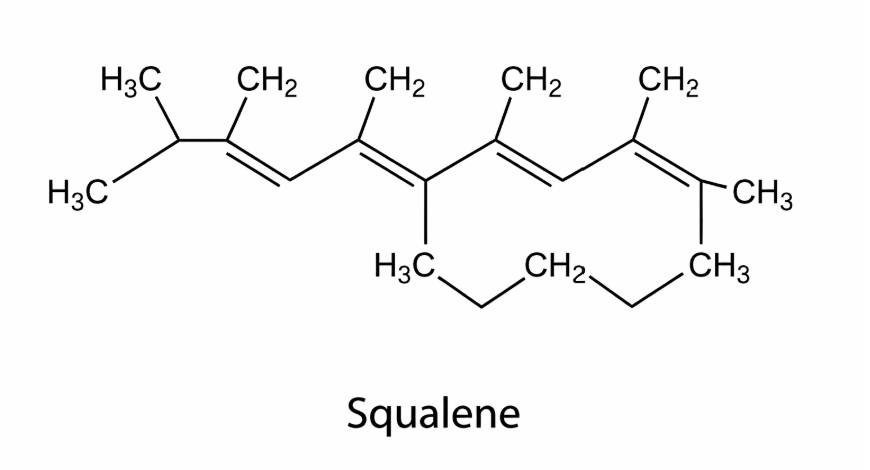
Image AI generated
- Fatty Acids
Tallow contains essential fatty acids that are crucial for skin health:- Oleic Acid (Omega-9): Oleic Acid (Omega-9): Contributes to skin conditioning and permeability.
- Palmitic Acid: Palmitic Acid: Contributes to skin barrier structure and moisture retention.
- Stearic Acid: Stearic Acid: Supports skin feel and contributes to barrier formation.
- Linoleic Acid (Omega-6): Linoleic Acid (Omega-6): Is involved in maintaining skin barrier function.
- Myristic Acid: Myristic Acid: Contributes to cleansing properties and skin feel.
- Ceramides
Essential for the skin barrier, ceramides in tallow help reduce transepidermal water loss (TEWL), maintaining hydration and elasticity. - Squalene
Naturally occurring in human sebum and tallow, squalene moisturizes the skin and protects it from environmental damage with antioxidant properties. - Cholesterol
Vital for structural integrity and moisture retention, cholesterol in tallow mirrors its role in human skin. - Vitamins and Lipids
- Vitamin E: An antioxidant that defends against oxidative stress.
- Vitamin A: Supports skin renewal and repair.
- Phospholipids: Aid in moisture retention and skin barrier repair.
- Glycosphingolipids: Contribute to hydration and maintaining skin structure.
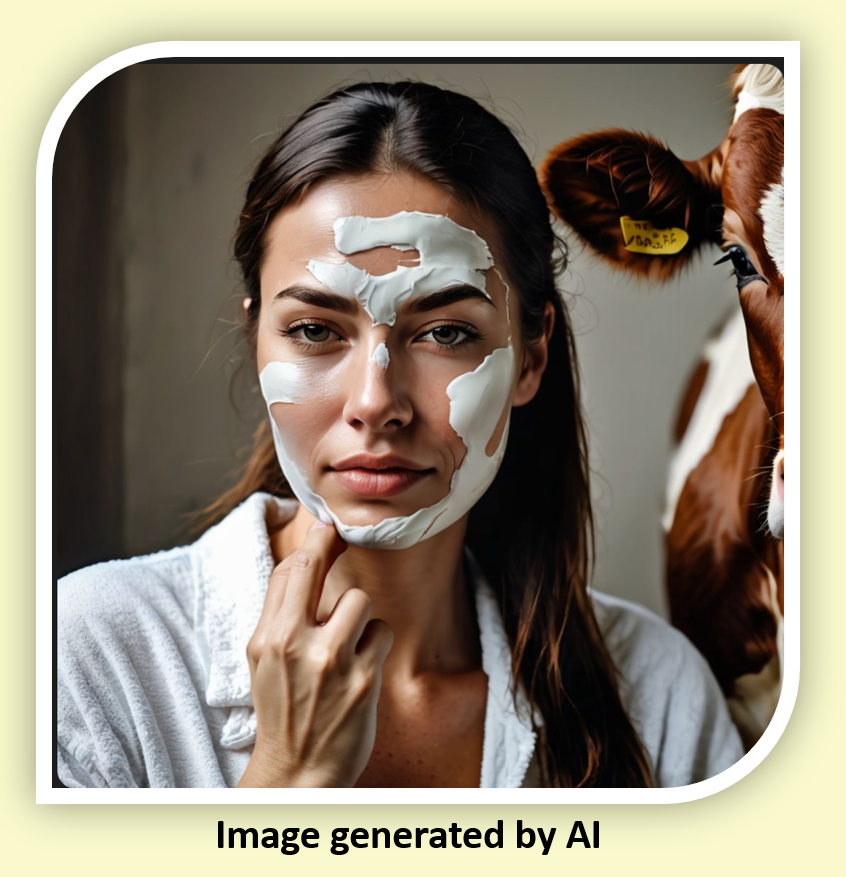
So, Should You Smear Tallow Everywhere?
It’s worth noting, though, that all these skin-loving components shine in leave-on treatments like lotions and creams. Soap, on the other hand, is a rinse-off product and doesn’t stay on the skin long enough for those goodies to work their magic.
Why Tallow Isn’t Subpar
When comparing animal fats to plant oils in cosmetics—particularly leave-on products—animal fats hold their own. Their compatibility with the skin’s natural structure allows for easy absorption, strengthening of the skin barrier, and enhanced hydration.
Even in soap, where unsaponified lipids are present only in trace amounts, tallow can contribute to the overall feel and performance of the bar.It’s no surprise that tallow was historically a go-to ingredient in cosmetics and skincare formulations.
Key Takeaway
Even allowing for the fact that many constituents are altered during saponification, would it be a subpar ingredient? Absolutely not. Tallow’s resemblance to human skin’s natural composition—rich in fatty acids, ceramides, cholesterol, squalene, and vitamins—makes it anything but inferior. Instead, it remains a historically important and skin-compatible lipid source in soapmaking.
Lard and Skin: A Perfect Partnership
In my own soapmaking, I prefer lard for those soaps I make using animal fats, as its composition more closely resembles the constituents of human skin. While I understand that marketing strategies often drive such claims, let’s keep it real and honest when promoting products.
Lard, derived from pig fat, has a fatty acid profile that closely resembles the natural lipids found in human skin. It contains:
- Oleic acid (Omega-9): A monounsaturated fatty acid also found in human sebum, which helps with skin hydration and permeability.
- Palmitic acid: A saturated fatty acid essential for reinforcing the skin barrier and maintaining moisture.
- Stearic acid: Another saturated fatty acid that promotes smoothness and protects the skin.
In comparison to tallow (beef fat), lard’s higher concentration of oleic acid makes it slightly more similar to the fatty acid composition of human skin. This resemblance is why lard is often discussed for its compatibility with skin lipids without causing irritation, particularly in cosmetic and soap-making contexts.
Lard shares several additional constituents with human skin beyond fatty acids, reinforcing its compatibility for skincare:
- Squalene
- Lard: Contains squalene, a naturally occurring lipid in human sebum.
- Human Skin: Squalene is a major component of human sebum and acts as an emollient and antioxidant, protecting the skin from oxidative stress and environmental damage.
- Ceramides
- Lard: While the exact concentration of ceramides in lard is lower than in human skin, it contains lipid molecules that mimic ceramide function by helping maintain the skin barrier and reducing transepidermal water loss (TEWL).
- Human Skin: Ceramides are essential for skin hydration, elasticity, and the integrity of the stratum corneum (outermost skin layer).
- Cholesterol
- Lard: Contains cholesterol, which supports the lipid matrix in skin.
- Human Skin: Cholesterol is vital for maintaining skin structure and barrier function, complementing ceramides and fatty acids.
- Phospholipids
- Lard: Includes phospholipids, key components of cell membranes that enhance moisture retention.
- Human Skin: Phospholipids contribute to the skin’s ability to retain water and repair its barrier.
- Glycosphingolipids
- Lard: Contains glycosphingolipids, which play a role in cellular hydration and skin structure.
- Human Skin: These molecules are critical for maintaining the skin’s natural barrier and preventing dehydration.
- Vitamins
- Vitamin A (Retinol): Present in trace amounts in lard, aiding in skin renewal and repair.
- Vitamin E (Tocopherols): Naturally occurring in lard, providing antioxidant properties to protect skin from free radicals.
- Human Skin: Both vitamins are essential for skin health, promoting cell turnover and protecting against environmental damage.
Lard: A Skin-Loving Superstar
After listing all the amazing benefits of lard, I see ya there, making a note on your grocery list. Don’t try to deny it—I know that “lard” scribbled next to eggs and milk isn’t for frying French fries. Nope, you’re planning to slather it all over your face tonight as a cold cream treatment, aren’t ya? 😉
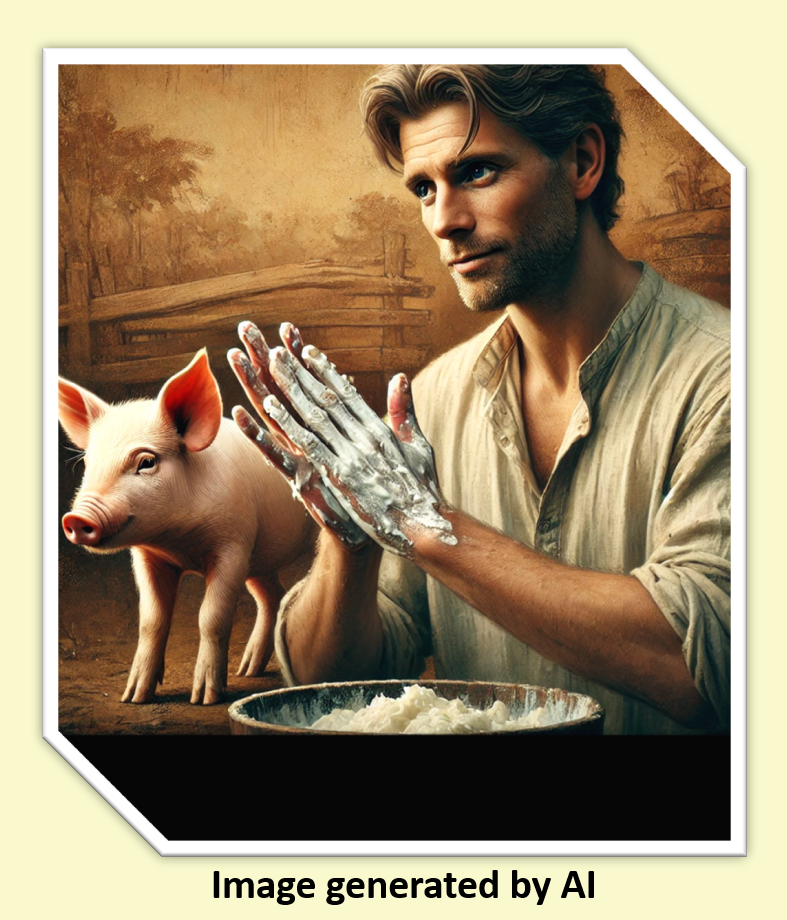
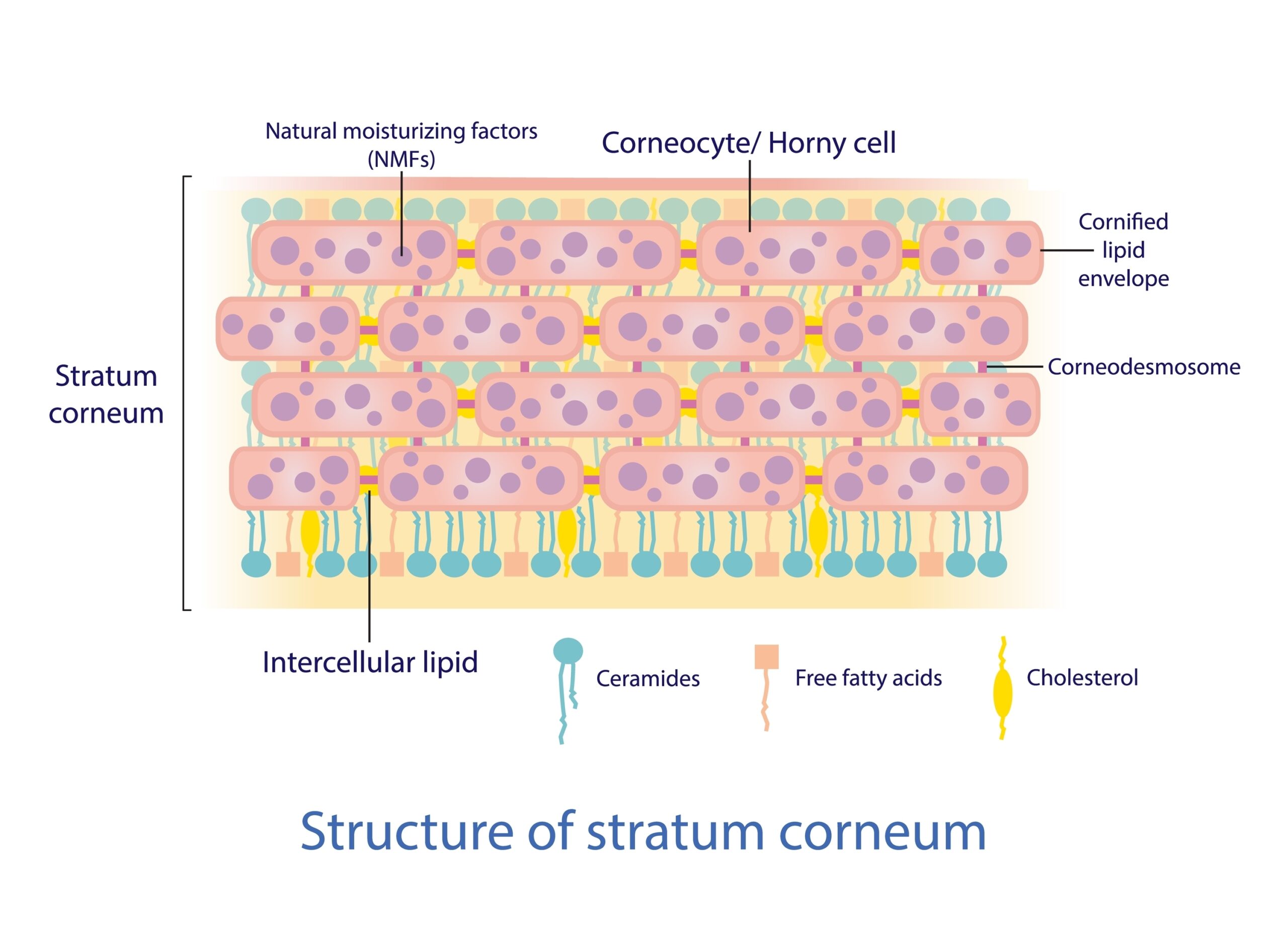
Image from Shutterstock
Conclusion
Lard’s composition aligns remarkably well with the lipid profile of human skin, including key constituents like squalene, ceramides, cholesterol, and essential fatty acids. This biochemical similarity helps explain why lard has historically been used in soap and cosmetic formulations. The claim that lard is even more similar to human skin than tallow is supported by its higher oleic acid content and comparable levels of other beneficial lipids and nutrients.
Educational & Informational Disclaimer
The information provided on this website is for educational and informational purposes only. It is intended to share general knowledge about traditional soapmaking, ingredient behavior, historical context, and manufacturing processes.
Nothing on this site is intended to diagnose, treat, cure, or prevent any disease or medical condition. The products offered are classified as soap under FDA guidelines and are not intended to affect the structure or function of the skin or body. Individual experiences and preferences may vary.
Information presented here should not be considered a substitute for professional medical advice, diagnosis, or treatment. If you have a medical condition, skin concern, or sensitivity, please consult a qualified healthcare professional before using any product.
This website may reference or link to third-party scientific, technical, or educational resources for general learning purposes. These references are provided to support transparency and encourage independent research, not as endorsements or medical guidance.
Click here to read the full disclaimer.
Contact me:
Text:
(479) 651-2760
I typically respond to texts almost immediately unless I’m in the middle of making soap.
As soon as I reach a stopping point, I’ll be sure to check and reply.
I check my email daily and will get back to you as soon as possible.