
Myth #2: It's Drying
A common claim is that traditional soap is inherently drying. What this view often overlooks is that not all cleansers interact with the skin’s outer layer in identical ways. Cleanser composition, frequency of use, individual skin type, and environmental conditions all play a role.
In my own experience with recurring surface dryness and cracking, I observed that my skin responded differently to certain detergent-based cleansers compared to traditional soap. That distinction became difficult for me to dismiss after noticing repeated patterns over time.
I’m No Stratum Corneum Expert… But I Know My Own Skin
I do not claim to be an expert in skin physiology. However, I have spent years reading scientific literature to better understand the challenges I personally experienced.
Skin biology is complex, and no single factor explains every response. Still, understanding the basics of how the outermost layer functions — and how it renews itself — is accessible to anyone willing to look beyond marketing summaries and explore the science more deeply.
My Own Story of of Longtime Extreme Dryness
A Lifelong Struggle with Extreme Dryness
Growing up, I dealt with persistent, extreme dryness on my hands, though I did not understand why at the time. My aunt, who was a nurse with many years of experience, was surprised by how severely my skin would dry and crack. My hands and fingers developed deep fissures, sometimes to the point of bleeding, and nothing we tried seemed to offer lasting comfort.
Temporary Measures That Fell Short
Night after night, my aunt applied thick layers of occlusive ointments to my hands and covered them with surgical gloves to help reduce moisture loss. By morning, my skin felt softer, but the cracks themselves often remained. Relief was temporary, and the cycle tended to repeat until warmer weather arrived.
A Glimmer of Hope with a Popular Ointment
As a young adult, I remember hearing Paul Harvey speak about a well-known ointment reportedly used by Norwegian fishermen. Curious and hopeful, I decided to try it.
The product did soften the surface of my skin and made movement more comfortable for a time. However, the effects were short-lived. Without frequent reapplication and nightly glove use, the dryness and cracking would gradually return.
When Dryness Felt Overwhelming
At its worst, even small movements seemed to aggravate the splits in my fingers. It was a stark reminder of how fragile skin can become when it loses flexibility and struggles to retain moisture.
Skin's Brick & Mortar System:
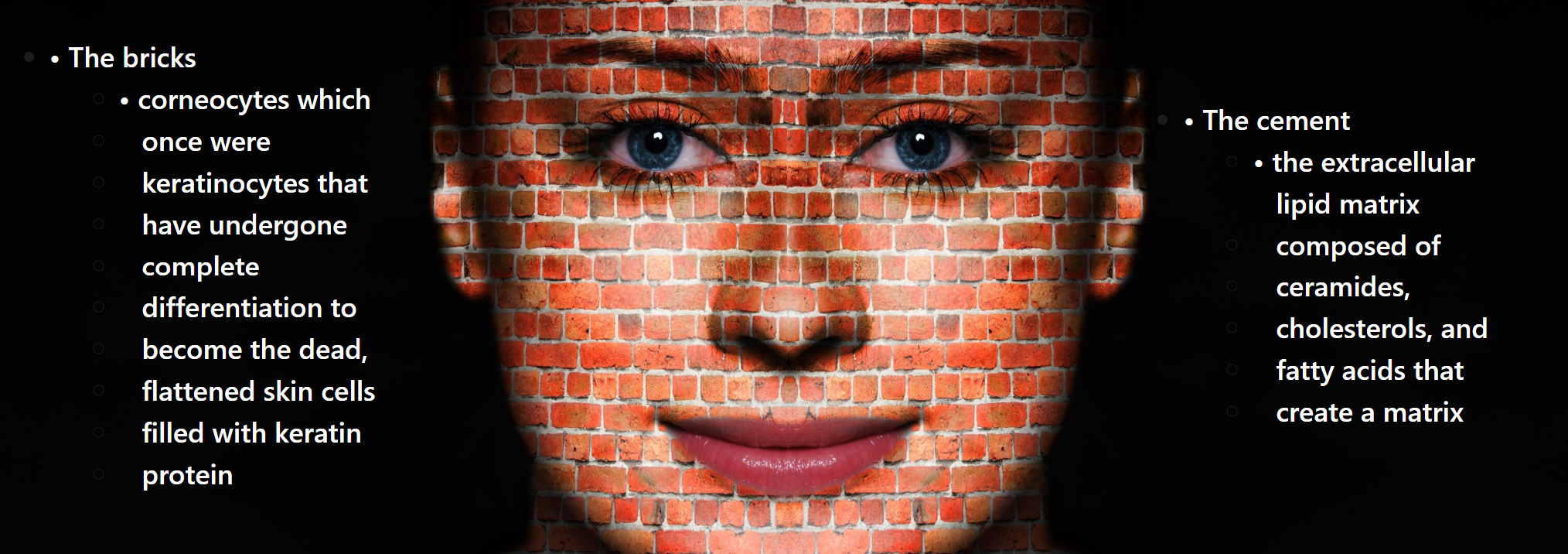
Image from Shutterstocks, with changes & my typed info by me
When the Skin’s Structure Is Disrupted
When the outer lipid matrix becomes disturbed — whether from environmental exposure, frequent washing, or other external factors — the skin may appear drier and less flexible. In that state, it can be more prone to cracking, and minor splits may seem to deepen with repeated stress.
This can feel like a repeating pattern: dryness leading to cracking, followed by temporary improvement, and then recurrence under certain conditions.
A Commitment to Understanding
Although my aunt’s efforts did not provide a lasting solution, they reflected her care and determination to help me stay comfortable. Watching her persistence shaped my own curiosity. Over time, I became committed to understanding what was happening rather than simply managing the symptoms.
Years later, that curiosity led me to reconsider the types of cleansers I was using and how they interacted with my skin. The role traditional soap eventually played in my routine was part of that broader journey — but that story unfolds in the sections that follow.
The Brick-and-Mortar System of Skin
As mentioned earlier, the outermost layer of skin is often compared to a brick wall. The “bricks” are corneocytes (flattened, keratin-rich cells), and the “mortar” is a structured matrix of lipids. Together, this arrangement helps slow moisture loss and provides a protective interface between the body and the external environment.
When the lipid portion becomes disrupted — whether from environmental exposure, repeated washing, or other stressors — the skin may appear drier and less flexible. In that state, cracking can become more noticeable.
Cleanser composition can influence how the skin feels after washing. Some synthetic detergents are formulated to remove oils very efficiently, which may leave certain individuals feeling drier, particularly with frequent use. Others tolerate those formulations without issue.
Traditional soap, when properly formulated, can feel different on the skin compared to many detergent-based cleansers. In my own experience, certain synthetic products seemed to coincide with recurring dryness, while traditional soap felt more compatible with my skin.
Skin responses vary. For some people, frequent cleansing may be associated with increased surface oiliness. For others — like me — it may coincide with progressive dryness and cracking over time.
Individual tolerance plays a significant role. What feels balanced for one person may not feel the same for another.
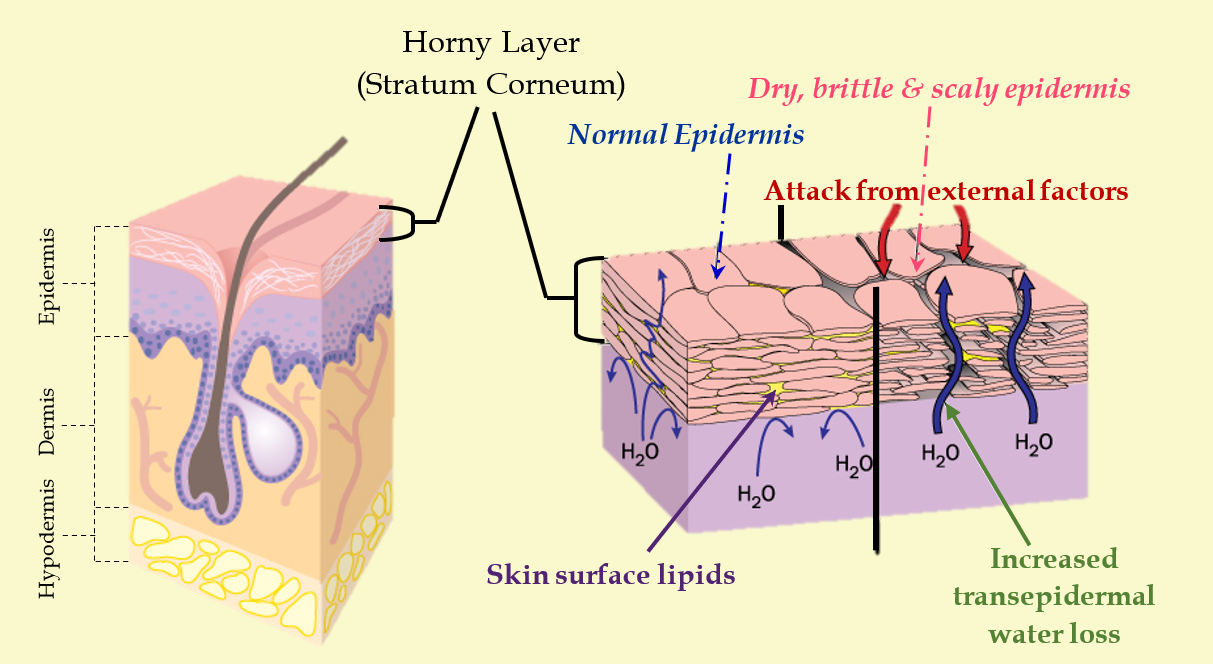
Image from Shutterstock
Dispelling the Myth: Is Alkali Soap Damaging?
The idea that alkali soap inherently harms the skin’s protective layer does not align with my personal experience. For many years, I dealt with extremely dry, fragile skin on my hands that would crack easily and require frequent use of occlusive products just to remain comfortable.
My Experience with Traditional Soap
What began as a project to create soap for my husband unexpectedly changed my own routine. After switching to traditional soap, I noticed that my skin felt more stable and less prone to repeated cracking.
Over time, a pattern became clear. When I used traditional soap consistently, my hands remained more comfortable. When I was exposed again to certain detergent-based cleansers at family members’ homes, the dryness and cracking would gradually return. This cycle repeated enough times that I recognized it as a personal skin tolerance issue.
Shared Experience
A close friend of mine experienced something similar. He also found that his skin responded better to traditional soap and struggled when using certain detergent-based cleansers.
This does not mean detergent-based cleansers are harmful for everyone. Skin responses vary widely from person to person. What works well for one individual may not work as comfortably for another.
A Personal Observation — Not a Medical Claim
My soap is not a medication, and I make no claims that it treats, cures, or prevents any skin condition. It is a rinse-off cleansing product.
However, based on my experience — and the experience of others I know — it is reasonable to question blanket statements that traditional alkali soap is inherently damaging for all skin types. Individual skin tolerance and variability matter.
.
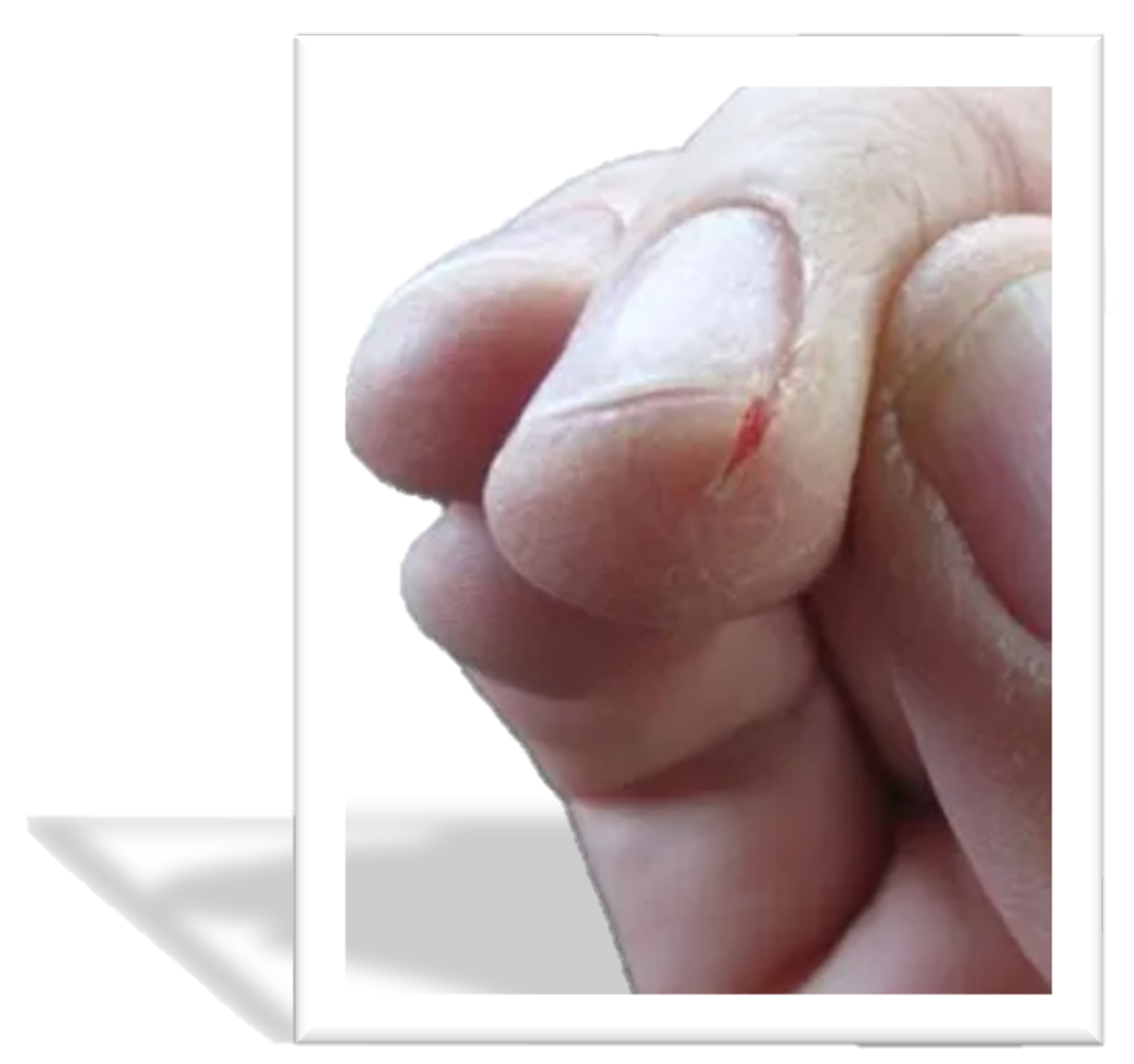
Image from Pinterest
Too Familiar Depictions of My Fingers
The skin around the cracks would become extremely dry, tight, and rigid — almost hardened in texture and lacking flexibility. It seemed unable to hold moisture effectively. When skin reaches that state, even small, everyday contact can cause the splits to reopen, widen, or feel deeper.
Although the skin naturally renews itself and new layers form beneath the surface, visible improvement required minimizing further irritation and protecting the area while the surface gradually stabilized.
This pattern of excessive dryness, cracking, temporary relief, and recurrence happened repeatedly — particularly when I used certain cleansers that my skin did not tolerate well.
The epidermis continually renews itself (source link).
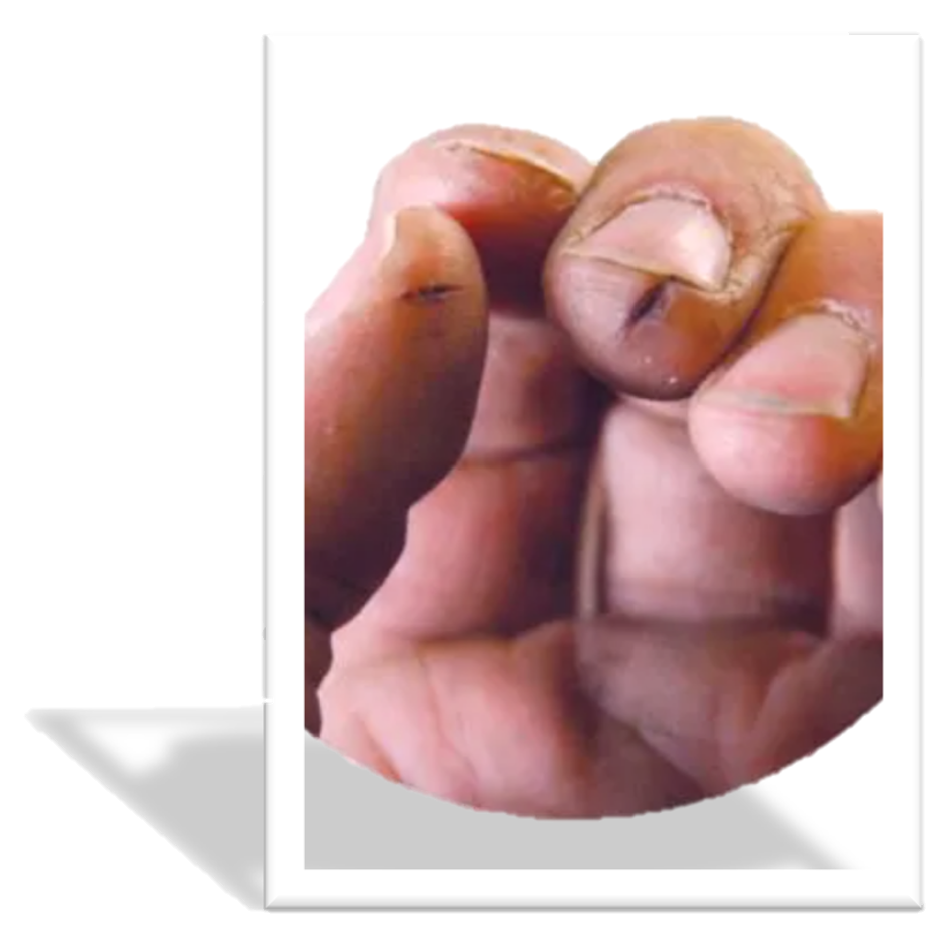
Image from First Derm (interesting reading. The use of soap was my only change from this material)
The Impact of Synthetic Cleansers on Skin Permeability — My Personal Experience
To better understand how the skin’s protective barrier functions, researchers have studied what happens when the outer layer of skin (the stratum corneum) is temporarily disrupted in controlled laboratory settings. In some studies involving mice, scientists removed portions of the skin’s surface lipids using solvents such as acetone to observe how the barrier repairs itself. (source link, click here).
The findings were fascinating. In many cases, the animals restored a significant portion of their barrier function within several hours after disruption, demonstrating the skin’s remarkable ability to recover under controlled conditions.
My personal experience felt very different.
For an extended period of time, my hands experienced recurring cycles of extreme dryness and cracking, particularly during the colder months. Unlike the rapid recovery described in laboratory settings, my skin often seemed slow to stabilize once disrupted.
Over time, I began noticing a pattern. Repeated exposure to certain synthetic detergent-based cleansers appeared to coincide with these cycles of dryness and surface fragility. When I returned to traditional soap, my skin felt more stable and less prone to repeated cracking.
This is not to suggest that synthetic cleansers are inherently harmful. Many people use them without issue. However, in my case, repeated exposure seemed to affect how comfortably my skin maintained its surface integrity, particularly during already dry seasons.
When My Routine Changed
Everything shifted when I began making traditional soap — originally for my husband. What started as a simple project gradually changed my own daily routine.
Over time, I noticed that my skin felt more balanced and less prone to the recurring dryness and cracking I had experienced for years. Replacing the liquid cleansers in our home with handmade bars coincided with a noticeable improvement in how comfortably my skin maintained its surface moisture, particularly during colder months.
I am not suggesting that traditional soap is a treatment or solution for any skin condition. Skin responses vary widely from person to person. However, in my experience, removing certain synthetic detergent-based cleansers from my routine made a meaningful difference in how my skin felt and behaved.
I share this story simply as a personal observation. If someone recognizes similarities in their own experience, it may be worth evaluating how different types of cleansers affect their individual skin comfort.
Crafting Soap for My Husband — and Myself
When I began creating traditional soap, my focus was simply on meeting my husband’s preferences. He enjoys a rich lather, and my sensitivity to fragrance had made finding suitable options nearly impossible. I would spend far too much time examining “unscented” labels and even smelling sealed packages to be certain they would not trigger irritation.
At the time, my husband tended to have noticeably oily skin across his scalp and upper shoulders, while the rest of his skin appeared more typical. After we began using our handmade soap consistently, we both noticed a change in how his skin felt day to day. The heavy surface oil that had previously been so noticeable became far less of an issue.
Encouraged by his experience, I decided to try the soap myself. Breaking a 40-plus-year habit of using the same commercial shampoo felt significant, but I was curious.
A Gradual Realization
As the seasons changed, something subtle stood out. Autumn and winter passed without the recurring cracking and surface dryness that had been a familiar part of those months for me. I did not immediately recognize it — it was only in the spring that I realized how different the previous two seasons had felt.
My hands had remained comfortable through colder weather without the same recurring cycle of splitting and excessive dryness.
This was not because I had created a medicinal product. It was simply a change in routine. By removing certain synthetic detergent-based cleansers from daily use, my skin appeared to maintain its surface comfort more consistently.
My husband noticed something similar. The persistent oiliness he had experienced in the past was no longer as pronounced after switching to traditional soap.

Image generated by AI
A Shift in Our Routine
Over time, it became clear that something about simplifying our cleansing routine was making a noticeable difference. I removed the liquid hand cleansers from our home — along with the refill stock I had kept on hand — and replaced them with the soap I was making. I also learned how to make a simple liquid version for use in foaming dispensers in our bathrooms and kitchen.
By eliminating those detergent-based cleansers from daily use, I noticed that my skin felt more consistently comfortable throughout the day.
GENUINE SOAP–A Better Fit for My Skin
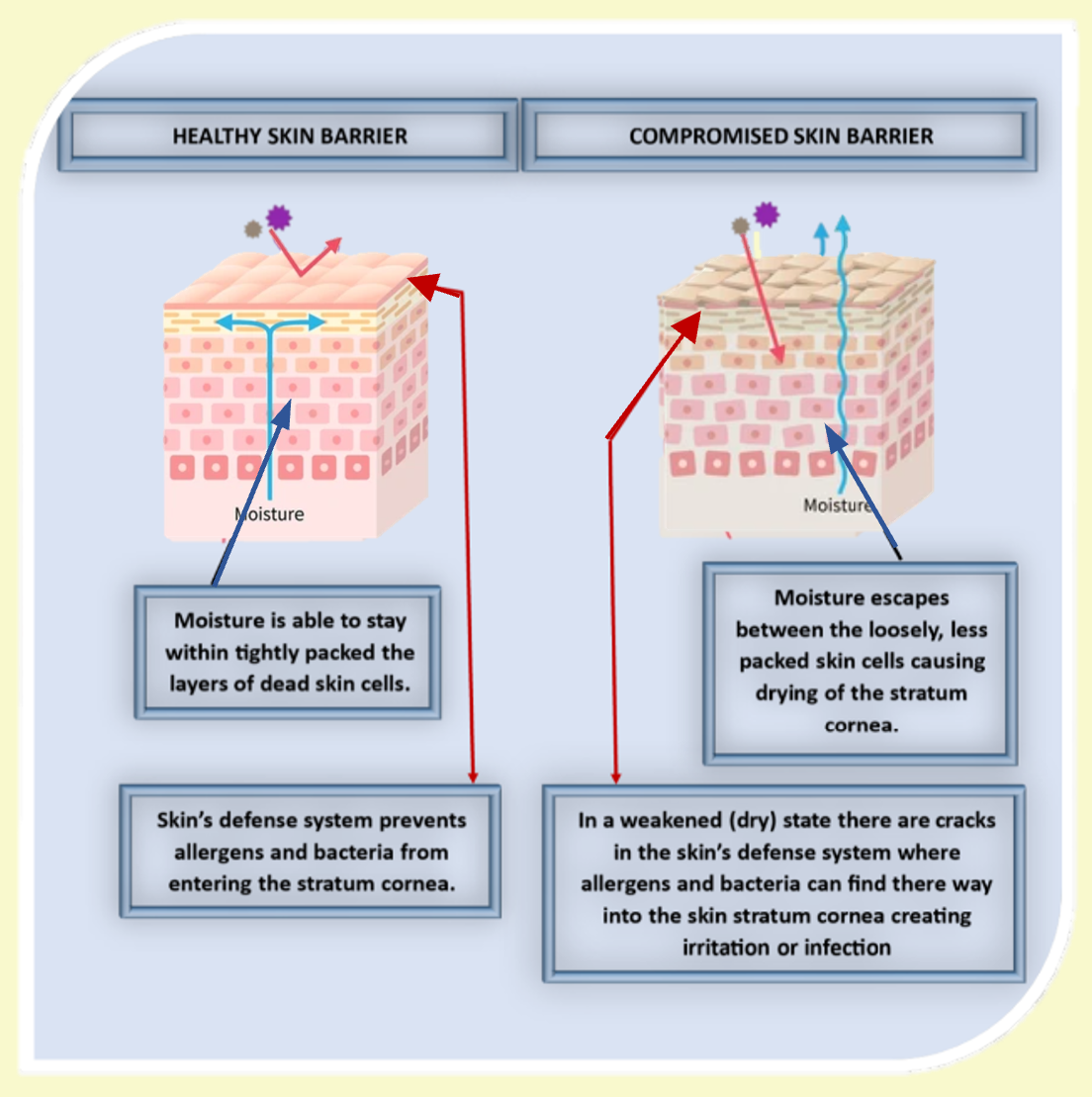
The epidermis continually renews itself (source link). The outermost layer of skin is made up of flattened, dead skin cells arranged in a structured pattern that helps slow moisture loss and protect underlying layers.
Over time, I observed that when I switched exclusively to traditional soap, my skin appeared more comfortable and less prone to the recurring dryness I had previously experienced. It felt as though my skin was able to maintain its surface integrity more consistently when certain detergent-based cleansers were no longer part of my routine.
By removing those products from daily use, I noticed that my skin’s outer layer seemed more stable during colder months. This was not the introduction of a special treatment — it was simply a change in cleansing method.
A Different Perspective on Alkalinity
Traditional soap is alkaline, and that fact is often emphasized in discussions about skin care. However, the skin is a dynamic organ that continuously renews and rebalances itself. For many people, synthetic detergents work perfectly well. For others — myself included — tolerance may differ.
Rather than viewing the issue as “alkaline versus non-alkaline,” my experience led me to think more broadly about overall cleanser composition and individual skin response.
I share this not as a universal claim, but as a personal observation: in my case, simplifying my cleansing routine to traditional soap coincided with improved day-to-day skin comfort.
Debunking the Myths: Understanding Soap’s Alkaline pH
There is a great deal of discussion surrounding soap’s alkaline pH and its relationship to the skin’s so-called “acid mantle.” In many marketing materials, alkalinity is presented as inherently harmful, while synthetic cleansers are positioned as automatically superior.
In Myth #3, I examine those claims more closely. I include links to scientific literature and research findings that explore how the skin actually responds to cleansing — and how quickly it rebalances under normal conditions.
My goal is not to dismiss synthetic cleansers altogether. Many are thoughtfully formulated and work well for a large portion of the population. Rather, I aim to provide additional context so readers can evaluate claims about pH and barrier disruption more critically.
What Made Me Suspect Syndet and Combo Products Were a Factor?
On one trip to Utah to visit our youngest son, I forgot to pack my traditional soap. During that week-long stay, I began noticing familiar changes in my hands. The skin on my knuckles became dry, with light flaking. The areas around my fingernails felt tighter than usual, though they had not yet cracked.
After returning home and resuming my normal routine with traditional soap, my hands gradually felt more comfortable again.
The following year, I stayed with our grandchildren for a couple of weeks while their parents traveled. Once again, I did not have access to my usual soap. Here is how my hands changed during that time:
Week 1: Noticeable dryness and flaking across the knuckles.
Week 1.5: Early signs of splitting at the fingertips.
By the end of the stay: Hardened cracks had formed, along with lifting surface skin on the backs of my hands. The knuckle area showed shallow cracking.
Experiencing this pattern more than once led me to question whether certain syndet or combination cleansing bars were contributing to the recurring dryness I had struggled with in the past.
This is a personal observation, not a medical conclusion. However, the repeated timing between cleanser changes and surface dryness was difficult for me to ignore.

Image from Shutterstock
(SOME) OLD DOGS CAN LEARN NEW TRICKS
Me, being the old dog, 😊 I did it again! I was without my soap.
I have to admit, I can be slow to form new habits. On trips away from home, I sometimes defaulted to whatever hand wash was available in hotels or family bathrooms. More than once, those detergent-based cleansers coincided with the now-familiar dryness and tightness in my hands.
It was almost as if my skin was reminding me, “Pack your soap next time.”
The final lesson came when our son moved from Utah back to Oklahoma, about a three-hour drive away. While helping them settle in and care for the kids, I once again forgot to bring my traditional soap.
By the time we returned home, the skin on my knuckles had become dry and flaky. After resuming my usual routine, my hands gradually returned to their more comfortable baseline.
That experience reinforced a simple conclusion for me: when I travel, my soap travels with me.
Soap Goes to the Hospital—No, It’s Not Sick!
With my new resolve and multiple joint surgeries on the horizon, I made sure my true soap was by my side as a faithful companion. It ensured my skincare routine stayed on track, even during my hospital stays. Having it with me provided peace of mind, sparing me from the dryness and discomfort that would have otherwise crept back in.

Image from Shutterstock
Liquid True Soap: A Playful Gift
I had a little fun when gifting my grandkids a specially crafted liquid foaming soap scented with “Monkey Farts” — yes, a banana fragrance. The name alone guaranteed giggles, and it quickly became a favorite at the sink.
Over time, my daughter-in-law, who is an RN, mentioned that she appreciated how the soap felt on their hands, particularly during the winter months when skin can feel drier than usual. She liked it enough to ask whether I had more — and of course, I did.
As always, this is simply a shared family experience, not a medical claim. It was a playful gift that happened to become part of their regular routine.
Everyone’s Skin is Different
While my experiences reflect how well traditional soap has suited my own skin, it’s important to remember that skincare preferences and responses vary from person to person. What feels comfortable for me may not feel the same for someone else.
If you’re curious about traditional soap, you may find it helpful to hear from others who have chosen to incorporate it into their routines. Personal experiences can offer perspective, but ultimately, each individual must determine what works best for their own skin.
The One Downside of True Soap
One of the few practical drawbacks of traditional soap is its tendency to form soap scum in hard water. While this hasn’t posed much of an issue for showering, for those of us who enjoy a long, leisurely soak (like me), occasional tub maintenance is a small trade-off for maintaining the routine that suits my skin.
Not familiar with Soap Scum?
Soap scum forms when the fatty acids in traditional soap react with minerals present in hard water. Hard water contains higher levels of calcium and magnesium. When these minerals interact with soap’s fatty acid salts, they create an insoluble residue that can cling to surfaces. That residue is what we commonly call soap scum.
Detergent-based cleansers do not contain true soap (fatty acid salts). Because of this, they generally do not react with hard water in the same way, so the same type of residue does not typically form.
Combo bars, which contain both traditional soap and synthetic detergents, fall somewhere in between. Since they include a true soap portion, they may produce some soap scum depending on the amount of soap present and the hardness of the water.
How Does My Skin Feel After Rinsing?
After rinsing, my skin feels clean and comfortable, without a noticeable residue. Randall’s (my dear husband’s) skin feels the same. I’ve even used my soap to wash my eyeglasses, and they rinse clear under our tap water.
I mention this because I remember older advertisements suggesting that traditional soap leaves a film behind while other cleansers rinse completely clean. In my experience, that has not been the case with the soaps I make.
One factor that can influence residue is superfatting. Highly superfatted soaps contain a greater amount of unreacted oils, which may leave a light coating on certain surfaces, including eyeglasses. Formulation and water hardness both play a role.
I also do not experience the tight, dry feeling I once noticed with some detergent-based cleansers, whether bar or liquid. Since simplifying my routine and moving away from those products, my skin has felt more consistently comfortable.
Educational & Informational Disclaimer
The information provided on this website is for educational and informational purposes only. It is intended to share general knowledge about traditional soapmaking, ingredient behavior, historical context, and manufacturing processes.
Nothing on this site is intended to diagnose, treat, cure, or prevent any disease or medical condition. The products offered are classified as soap under FDA guidelines and are not intended to affect the structure or function of the skin or body. Individual experiences and preferences may vary.
Information presented here should not be considered a substitute for professional medical advice, diagnosis, or treatment. If you have a medical condition, skin concern, or sensitivity, please consult a qualified healthcare professional before using any product.
This website may reference or link to third-party scientific, technical, or educational resources for general learning purposes. These references are provided to support transparency and encourage independent research, not as endorsements or medical guidance.
Click here to read the full disclaimer.
Contact me:
Text:
(479) 651-2760
I typically respond to texts almost immediately unless I’m in the middle of making soap.
As soon as I reach a stopping point, I’ll be sure to check and reply.
I check my email daily and will get back to you as soon as possible.