
The Soapy Legacy of Ancient Babylon Ingenuity, Trade, and Early Soap-Making
Introduction to the Ancient Middle East
The term “Ancient Middle East” encompasses a vast historical period, from approximately 3500 BC to around 600 AD, marked by the rise and fall of powerful empires and civilizations such as Sumer, Babylon, Assyria, Persia, and the early Islamic Caliphates.
Location and the Rise of Babylon
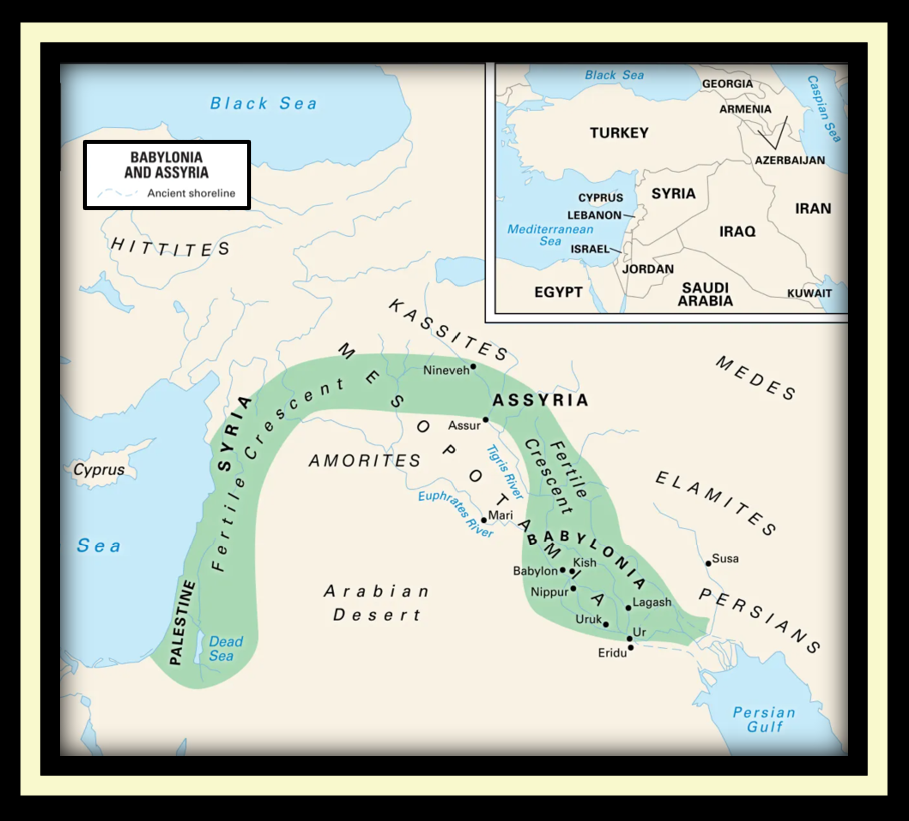
Babylonian Map Britannica
Babylon, originally a small port town on the Euphrates River, eventually flourished into one of Mesopotamia’s most prosperous cities. This historic city now lies within modern-day Iraq, approximately 50 miles south of Baghdad.
Origins of Soap-Making in Ancient Babylonia
Tracing Early Practices
The exact origins of soap-making remain unclear, but archaeological discoveries have illuminated some of its earliest traces. The first confirmed production of a soap-like substance dates back to around 2800 B.C. in Ancient Babylon, during the Sumerian Period, which spanned from the 5th to the 3rd millennia B.C.
The Sumerians, known for their advanced culture, left behind a remarkable artifact: a tablet discovered in 1957, detailing a soap-making process. This tablet specifies precise proportions of oil and wood ash (from lye water) to create soap by mixing and heating. Interestingly, it remains the only pre-Christian record that mentions soap’s use for washing textiles.
Cultural Significance and Ingenuity
The practice of soap-making in Babylonia offers valuable insights into the daily lives, hygiene practices, and trade networks of ancient Mesopotamia. The passage of time does not lessen their sophistication; rather, it emphasizes their intelligence. Creating early forms of soap and establishing trade routes required exceptional resourcefulness, underscoring the advanced nature of these ancient civilizations.
The production and use of soap highlight the advanced technological and chemical understanding of ancient Babylonia. Soap-making required knowledge of chemical processes, as well as the ability to source and combine ingredients effectively—a testament to the sophistication of the society.
In essence, Babylonian soap represents one of the earliest examples of human ingenuity in transforming natural materials into practical products, laying the foundation for soap-making techniques that would evolve over the centuries.
Notable Aspects of Babylonian Soap
Ingredients
Babylonian soap was typically crafted from a blend of fats, oils, and alkaline substances derived from wood or plant ashes. These readily available ingredients allowed Babylonians to create a basic form of soap that served multiple purposes.
Utility
Beyond its role in cleansing textiles, soap in Sumerian society also held medicinal value. Apothecary tablets from around 2200 B.C. document specialized soap formulations with medicinal additives tailored to address specific health concerns. *(For further details, click here and navigate to page 1 after selecting ‘preview book’). * This dual use of soap indicates its significance not only for personal cleanliness but also as a versatile tool in daily life.
Cultural Significance
The production and use of soap highlight the advanced technological and chemical understanding of ancient Babylonia. Soap-making required knowledge of chemical processes, as well as the ability to source and combine ingredients effectively—a testament to the sophistication of the society.
Soap’s Role in Trade and Marketplaces
A Possible Commodity: Soap’s Role in Trade and Marketplaces in Ancient Babylonia
It’s plausible that the soap-like substance originating in Babylonia was traded through both trade routes and local marketplaces, though direct evidence of this may be limited. Several factors suggest its potential as a traded commodity:
Trade Route
Located strategically in Mesopotamia, Babylonia had access to major trade routes connecting various civilizations of the ancient Near East. These routes enabled the exchange of goods like textiles, metals, and agricultural products. As a valuable item with practical uses in both hygiene and textile production, soap could have been traded along these routes, reaching regions where local production was limited or nonexistent.
Marketplaces
Babylonian cities were home to bustling marketplaces, where merchants from diverse regions gathered to buy, sell, and exchange goods. These markets were economic hubs that attracted traders from neighboring areas. It’s conceivable that soap was among the goods available for purchase, allowing locals and visitors alike to obtain it for personal use or further trade.

Image AI generated
Barter and Trade Practices
The barter system was commonly used in ancient trade, where goods were exchanged directly without currency. Soap, with its practical value, could have been traded for other goods or services in both local markets and long-distance networks, contributing to its wider circulation.
Broader Dissemination
While direct archaeological evidence of soap trade from Babylonia may be scarce, the presence of soap-making instructions and evidence of soap use in ancient Mesopotamia suggests that soap was indeed produced and utilized in the region. Given the widespread exchange of goods and ideas along ancient trade routes, it is reasonable to assume that soap, like other commodities, may have been traded across regions, contributing to its dissemination beyond its place of origin.
Conclusion: The Legacy of Ancient Babylonia’s Innovation
Reflecting on the people of Ancient Babylonia, it’s remarkable how their culture, though separated from us by centuries, still resonates today. Archaeological findings offer a glimpse into their ingenuity and depth of scientific understanding.
The passage of time does not lessen their sophistication; rather, it emphasizes their intelligence. Creating early forms of soap and establishing trade routes required exceptional resourcefulness, underscoring the advanced nature of these ancient civilizations.
Why These Maps?
In tracing the origins of soap, I found myself drawn to the geography of Babylonia, Egypt, and the Levant—three regions that reveal a fascinating web of cultural and technological exchange. These maps not only pinpoint the birthplaces of early soap-making but also illuminate the interconnectedness of ancient civilizations. Trade routes crisscrossed these lands, carrying more than just goods—they transported ideas, techniques, and innovations, including the craft of soap-making.
While it’s easy to assume that soap originated independently in each region, these maps challenge us to consider how shared knowledge and resources played a role. Babylonia’s early alkali-rich cleansers, Egypt’s meticulous use of oils and ash for cleaning, and the Levant’s evolving soap traditions weren’t isolated developments. Together, these lands wove a tapestry of early soap-making practices, highlighting the profound influence of geography and trade on one of humanity’s most essential crafts.
These maps serve as a visual reminder to rethink our assumptions about everyday items like soap. By exploring this shared history, we gain a deeper appreciation for how interconnected the ancient world truly was.
Babylonian Map Britannica
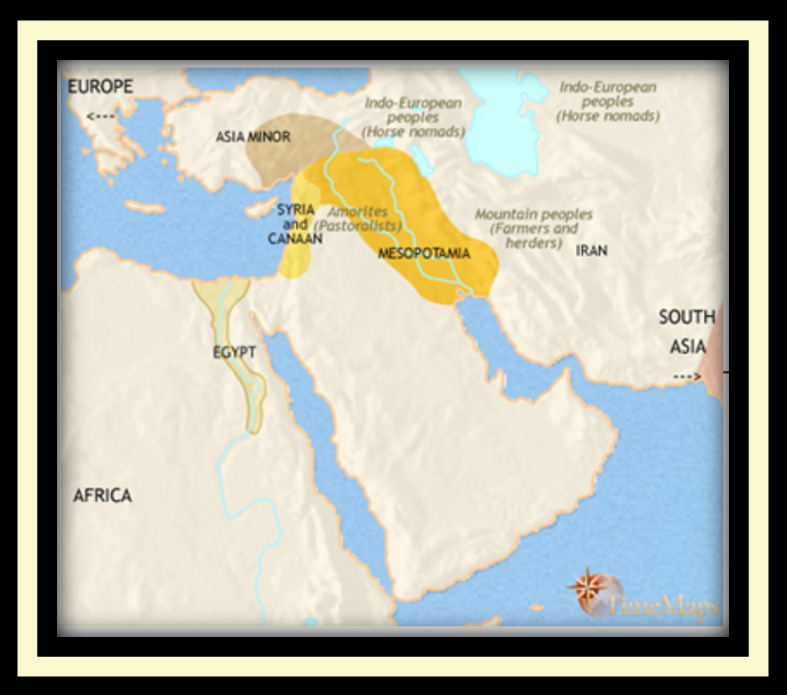
Ancient Levant / Israel / Juda Map Brewminate
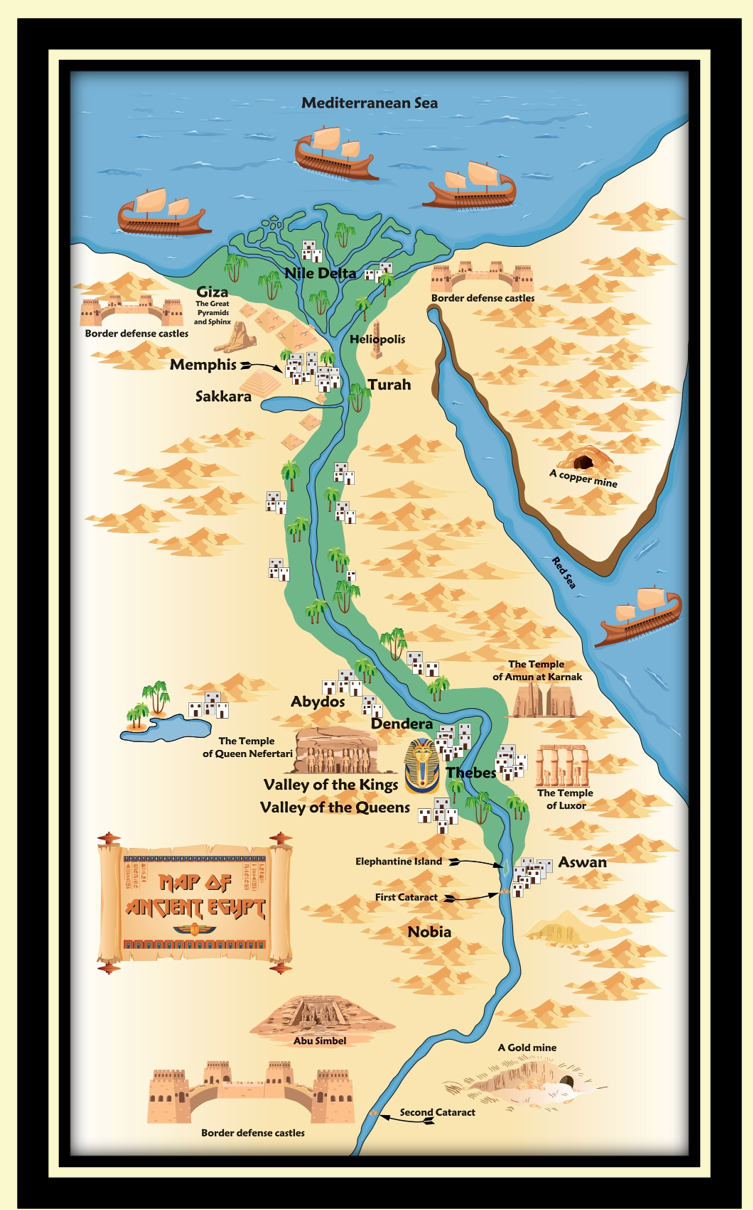
Ancient Egypt Map Shutterstock
Educational & Informational Disclaimer
The information provided on this website is for educational and informational purposes only. It is intended to share general knowledge about traditional soapmaking, ingredient behavior, historical context, and manufacturing processes.
Nothing on this site is intended to diagnose, treat, cure, or prevent any disease or medical condition. The products offered are classified as soap under FDA guidelines and are not intended to affect the structure or function of the skin or body. Individual experiences and preferences may vary.
Information presented here should not be considered a substitute for professional medical advice, diagnosis, or treatment. If you have a medical condition, skin concern, or sensitivity, please consult a qualified healthcare professional before using any product.
This website may reference or link to third-party scientific, technical, or educational resources for general learning purposes. These references are provided to support transparency and encourage independent research, not as endorsements or medical guidance.
Click here to read the full disclaimer.
Text:
(479) 651-2760
I typically respond to texts almost immediately unless I’m in the middle of making soap.
As soon as I reach a stopping point, I’ll be sure to check and reply.
I check my email daily and will get back to you as soon as possible.