
The Soap-Making Legacy and Hygiene Practices of Ancient China
The Geography and Cultural Context of Ancient China
Ancient China, one of the world’s oldest continuous civilizations, was located in East Asia, bordered by the Pacific Ocean to the east, the Himalayan mountains to the southwest, and the vast deserts of the north. The Yellow River (Huang He) and Yangtze River provided fertile plains that supported the growth of early Chinese societies. The region’s varied landscapes, including mountains, plains, and river valleys, contributed to the development of diverse agricultural and medicinal practices, which later influenced soap-making. During this period, China was composed of various dynasties and kingdoms, each contributing to a flourishing civilization.
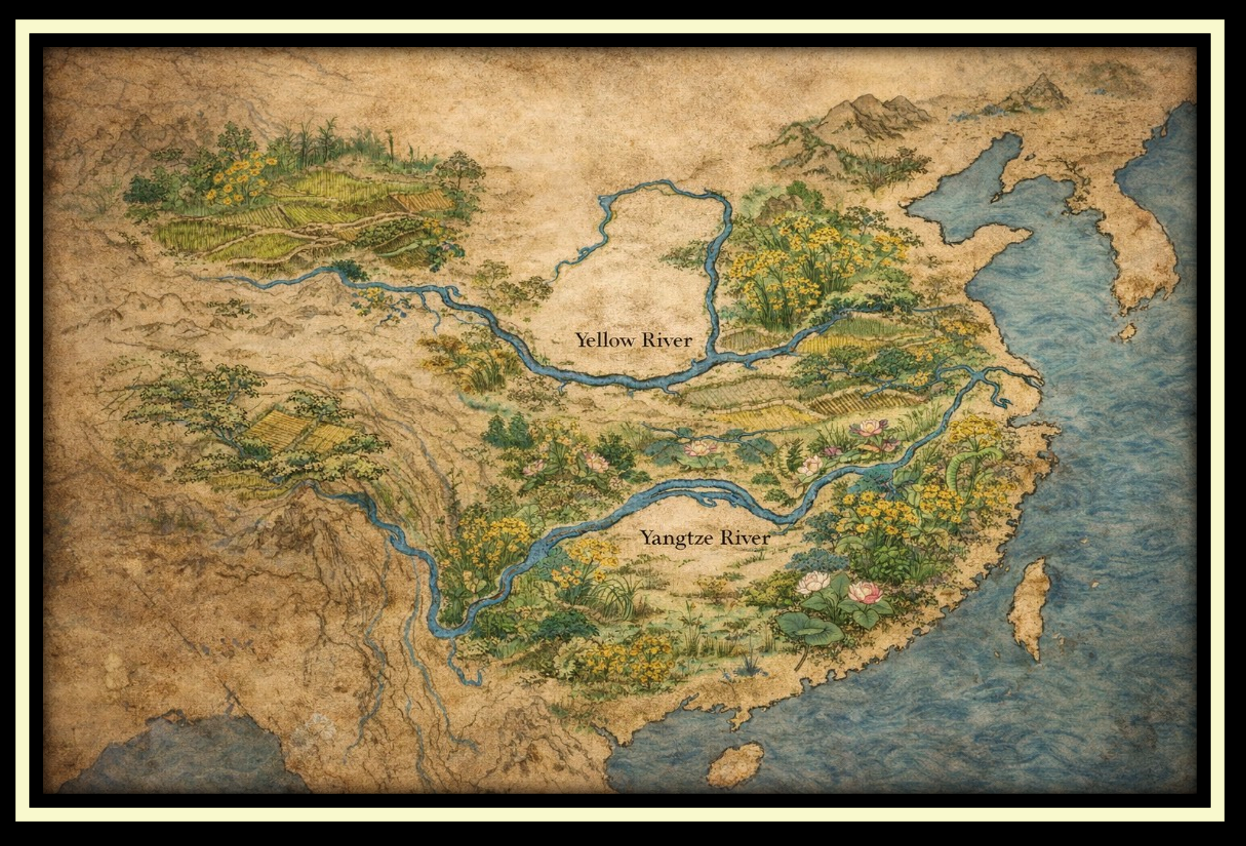
Image AI generated
Soapmaking in ancient China developed differently from the West, where basic soap for cleansing was the standard. In contrast, ancient China’s approach to cleanliness included diverse, innovative methods tailored to its unique cultural and environmental context.
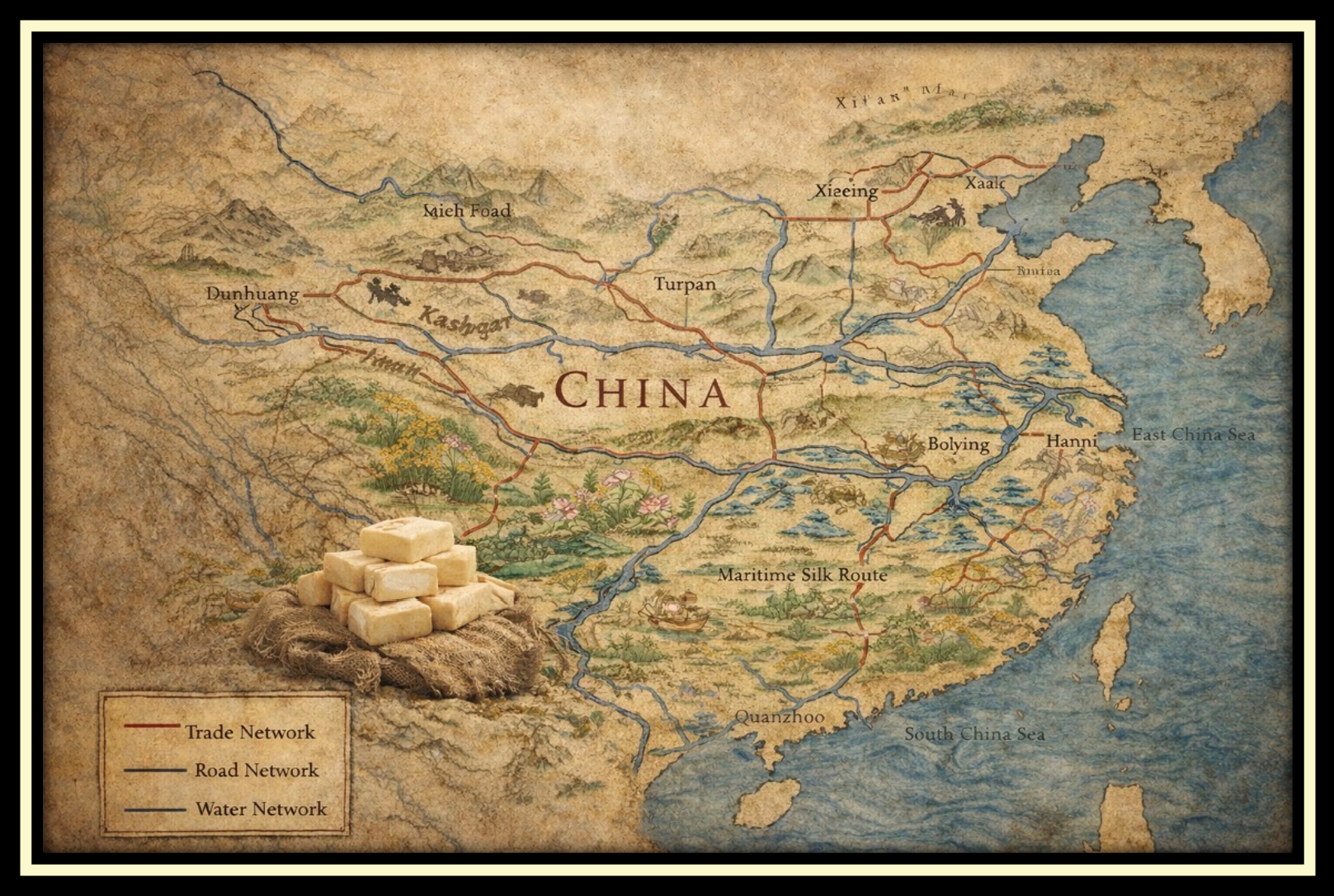
Image AI generated
The development of soap-like substances in ancient China likely arose through a combination of indigenous innovation and the exchange of knowledge along the Silk Roads. As China’s trade networks expanded, especially through the exchange of goods such as textiles, spices, and medicinal plants, it is plausible that Chinese artisans encountered methods and materials used by other civilizations, such as the Babylonians or Persians, who were already experimenting with cleansing agents. These early interactions, combined with China’s rich tradition of herbal medicine and botanical expertise, may have led to the discovery and refinement of soap-making techniques using plant oils, ashes, and alkaline substances.
However, it’s also likely that China developed its own methods independently, fueled by a long-standing cultural emphasis on cleanliness and hygiene. Early Chinese soap-like substances were crafted from local resources like plant-based oils, alkalis from lime or ashes, and herbs, reflecting both the practical and medicinal needs of the society. The creation of these substances was not only a response to the need for personal hygiene but also aligned with Chinese values of balance and holistic health, where cleanliness was deeply tied to physical well-being and spiritual harmony. Thus, whether through cultural exchange or indigenous innovation, ancient China’s approach to soap-making was a product of both global influence and local ingenuity.
This like the Disney’s “It’s a Small World” song vibe! The idea that ancient civilizations were sharing and exchanging knowledge, whether through trade or cultural diffusion, creates this beautiful interconnectedness of human innovation. Despite the vast distances and differences between societies, many of the fundamental ideas, like the quest for cleanliness, are shared across cultures, and this exchange helped shape the world’s diverse traditions. The Silk Roads were more than just trade routes—they were corridors of knowledge, fostering this incredible blend of ideas that traveled and evolved over time, much like a global tapestry, much as the song suggests!
Introduction: A Distinct Path to Cleanliness
The history of soapmaking in ancient China reflects a distinctive approach to hygiene and cleanliness, diverging significantly from practices in Europe and the Middle East. For instance, Chinese soapmakers developed techniques to counteract persistent odors after washing fabrics with alkalis—a solution not commonly seen in early Western soap traditions. Ancient Chinese artisans crafted soaps and cleansing agents specifically suited to regional needs, including laundry soaps, scented alkalis, and therapeutic blends for skincare, showcasing a holistic approach to cleanliness and health.
The Role of Scented Alkalis in Ancient Chinese Soap-Making
The Chinese developed scented alkalis primarily to address a common challenge in ancient washing practices—persistent odors. When washing clothes or fabrics using alkaline substances like plant-based ash or lye, the cleaning process often left behind undesirable smells, especially when natural fibers absorbed the lingering scent of the alkali itself. To counteract this, Chinese artisans began adding aromatic substances to the alkaline mixture, creating scented alkalis. These additions not only helped neutralize any unpleasant odors from the washing process but also infused fabrics with a pleasant fragrance, enhancing the overall cleanliness experience.

Image AI generated
One notable scented alkali in ancient China was Mianxiang (面香), meaning “fragrant face.” Mianxiang was primarily used for laundry and gained significant popularity during the Han Dynasty. By the Ming Dynasty, scented laundry agents had become a daily staple in many homes. This fragrant alkali mixture, which included spices and starch, became an essential part of households and communities, with specialized shops, such as He Xiang Lou and Hua Han Chong in Beijing, selling these fragrant products.
The use of scented alkalis reflected a broader cultural focus on aesthetics, hygiene, and the desire for both functional and pleasant-smelling outcomes in daily life. This practice of adding fragrance to washing agents aligned with traditional Chinese values of balance and harmony, where the sensory experience—sight, smell, and touch—was integral to maintaining overall well-being. Thus, scented alkalis served both a practical and a cultural purpose, ensuring cleanliness while contributing to a harmonious and pleasant environment.
Soap as Medicine: The Herbal and Therapeutic Approach
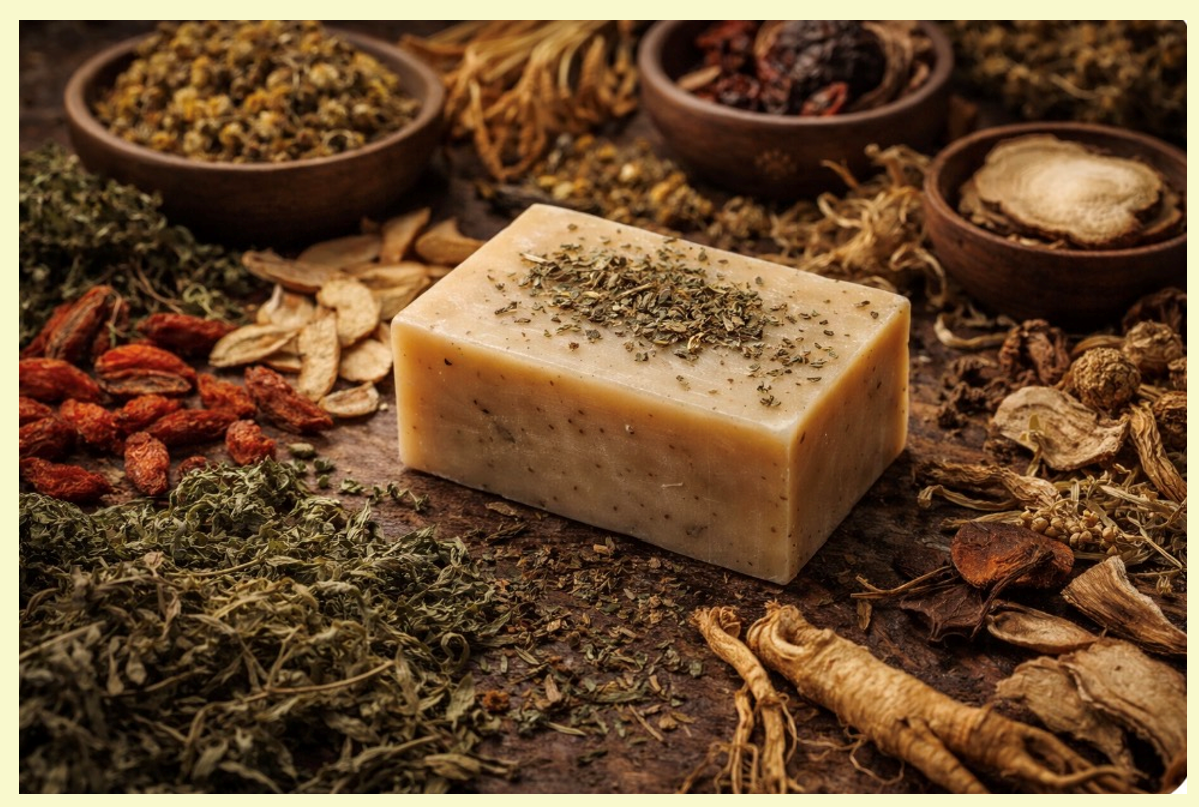
Image AI generated
Soap as Medicine: The Herbal and Therapeutic Approach
Ancient Chinese soapmakers often infused their soaps with medicinal herbs and botanicals, recognizing their potential to treat a variety of skin issues. These therapeutic soaps addressed conditions like itching, inflammation, and rashes, reflecting the early Chinese understanding of health as a holistic concept where cleanliness and wellness intersected. Herbalists incorporated extracts from plants known for their antibacterial or soothing properties, demonstrating a culture deeply attuned to the healing qualities of the natural world. The infusion of therapeutic ingredients into soap helped establish a tradition that emphasized soap not only as a tool for hygiene but also as a means of promoting overall well-being.
Crafting Soap in Ancient China: A Labor-Intensive Process
The art of soapmaking in ancient China was a labor-intensive craft that required both skill and patience. Soap was made by boiling plant oils with alkalis derived from ashes, lime, or other natural sources, then allowing the mixture to cool and harden. The resulting soap cakes were carefully crafted and later cut into smaller pieces for individual or household use. Given the resources, expertise, and time required, soap was considered a valued commodity. This intricate production process highlights the dedication and craftsmanship of early Chinese artisans, underscoring the cultural and practical significance of soap in daily life.
Beyond the Bath: Soap-Like Substances in Other Applications
In ancient China, soap wasn’t always the first choice for skin care or hygiene; instead, medicinal ointments and creams infused with herbs were typically preferred for their targeted healing properties. However, the Chinese did experiment with soap-like substances for other practical uses, such as laundry. One such example was zhuyizi (猪胰子), a unique blend of pig pancreas and plant ash. While historians aren’t entirely certain of its exact uses, it’s believed that zhuyizi might have served as a cleansing agent for textiles or even as a basic cleanser. This unusual mixture showcases the ingenuity of ancient Chinese culture, utilizing the enzymatic properties of the pancreas to tackle grease—an inventive solution using available resources to address everyday needs.
The Bathhouses: A Cultural Tradition of Cleanliness and Socializing
In both private homes and public spaces, bathhouses played a critical role in ancient Chinese culture. For royalty, the palatial bathhouses were often part of a luxurious routine that began each day with bathing rituals. These royal bathhouses would feature heated water, sometimes from natural hot springs—a form of geothermal heating that reduced the need for additional fuel. In contrast, public bathhouses served the general populace, but the attention to cleanliness remained just as pronounced.
Public bathhouses were divided into sections for men and women. These venues were not only for cleaning but also for socializing. Bathers enjoyed tea and sometimes a light breakfast following their morning rituals, often served in a communal setting where people could unwind and engage in conversation. This provided a sense of community, with patrons of different social statuses mingling in a shared space.
These bathhouses had large, heated pools that were regularly filled with water from natural hot springs, contributing to a soothing experience. Tea was often served afterward, emphasizing the cultural importance of the ritual and the therapeutic benefits of relaxation. The water was heated by natural sources like hot springs, providing a sustainable and comforting way to achieve the desired temperature for bathers.
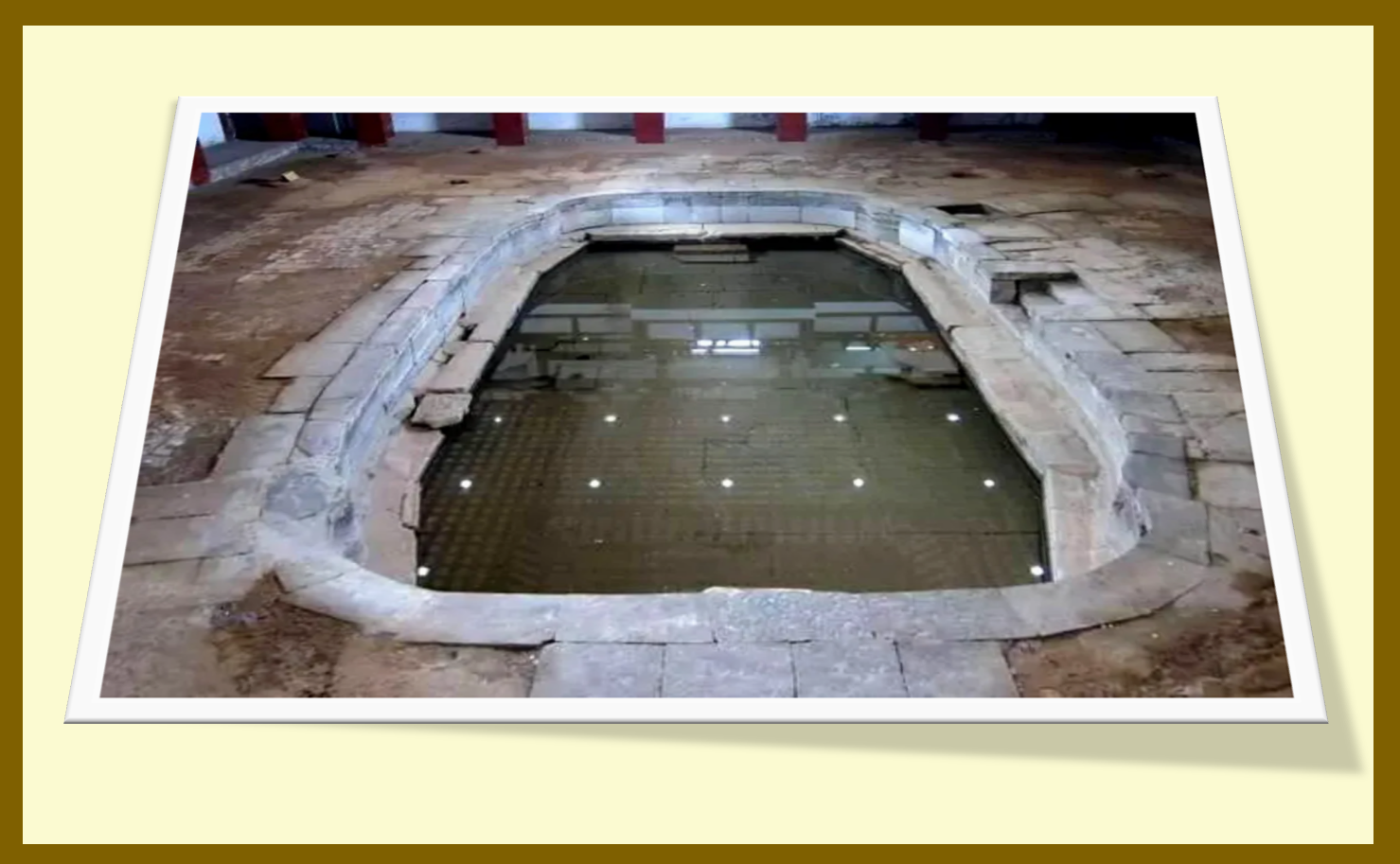
Huaqing Pond, located within the royal palace of the Tang Dynasty, was reportedly used by Lady Yang, the beloved consort of Emperor Xianzong, as part of her bathing rituals.. Photo from View of China.
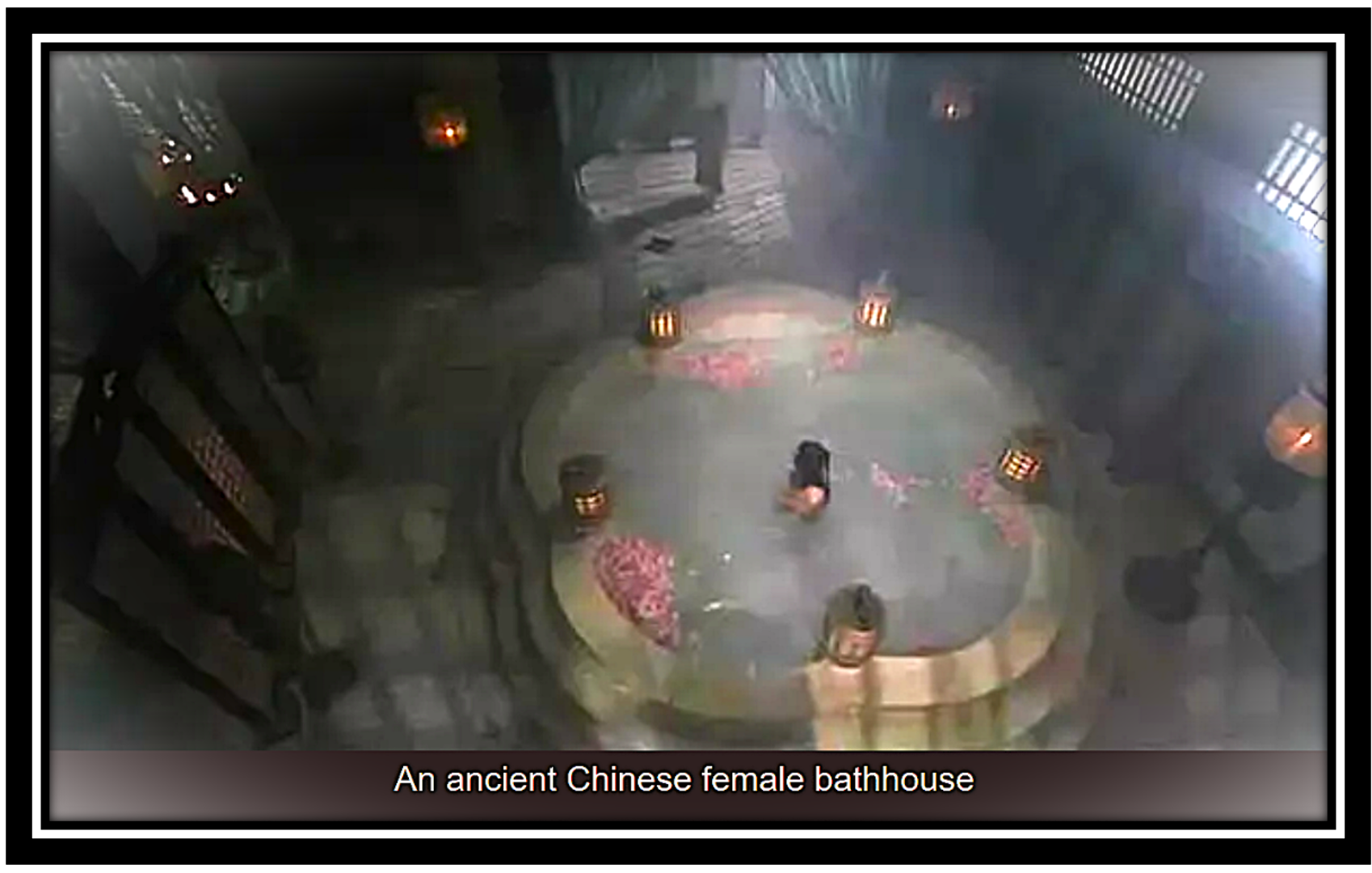
Female Chinese bathhouse from antiquity. Photo from View of China.
The Bathhouses: A Cultural Tradition of Cleanliness, Healing, and Socializing
In ancient China, the bathhouse was far more than just a place for washing; it was a cornerstone of daily life, reflecting cultural values and serving as a hub for both personal hygiene and social interaction. From the imperial courts to bustling towns, bathhouses played a crucial role in maintaining both the physical and social well-being of the people.
If you’re interested in learning more about these fascinating bathhouses, click the accordion sections below to explore further!
For the Chinese elite, especially royalty and high-ranking officials, bathhouses were not just a utilitarian space but a luxurious ritual. In imperial palaces, bathhouses were often opulent, featuring hot water from natural hot springs. These royal bathhouses were carefully constructed with advanced systems for heating water, often utilizing geothermal energy—a sustainable source that required minimal fuel. The bathing rituals were not merely about cleanliness; they were deeply tied to maintaining health and well-being, preparing the body for the demands of the day ahead.
The practice of bathing was often seen as a therapeutic experience, with the warm water soothing the muscles and calming the mind. Bathing became part of a daily routine, beginning each morning with the rejuvenating effects of a soak in the luxurious royal baths. These bathhouses also acted as spaces for reflection, spiritual cleansing, and even private conversations between the emperor and trusted advisors.
In contrast, the public bathhouses served as vital community centers, where cleanliness and socializing went hand in hand. These communal bathhouses were an essential part of everyday life for the common people. Divided into sections for men and women, they offered a space for both hygiene and social connection. The water in these bathhouses was often heated by the same geothermal springs or by burning wood in large furnaces, which provided a warm, soothing atmosphere for bathers.
After a soak, bathers would relax in large, steamy rooms or rest in smaller, more private quarters. It was customary to sip tea or enjoy a light breakfast in these spaces, creating an environment where patrons could unwind and socialize. The communal nature of the bathhouses helped foster a sense of unity, as individuals from all walks of life—ranging from peasants to merchants, scholars to artisans—came together in a shared space.
These bathhouses were also places for relaxation and rejuvenation, not just hygiene. The tradition of drinking tea after bathing was closely linked to Chinese wellness practices, and it was believed that tea helped to further cleanse the body and mind, enhancing the relaxing benefits of the bath.
The significance of bathhouses in ancient Chinese culture extended beyond their role in physical cleanliness. They symbolized balance and harmony—values deeply embedded in Chinese philosophy. The practice of bathing, along with the use of herbal infusions, essential oils, and teas, reflected the holistic approach to health that was prevalent in ancient Chinese society. The ritual was a means of nurturing both the body and the spirit, combining cleanliness with relaxation and social bonding.
In cities like Chang’an (modern-day Xi’an) and Luoyang, public bathhouses were so popular that they became almost as important as temples and marketplaces. Specialized bathhouses catered to different social classes, and the high-end establishments often included additional services like massages and herbal treatments, further blending the therapeutic with the social. These bathhouses were a focal point of urban life, and their influence can still be felt in modern Chinese spas and wellness centers.
One of the more remarkable aspects of ancient Chinese bathhouses was their use of natural resources. Hot springs provided a sustainable and constant source of heated water, allowing for an eco-friendly approach to maintaining the temperature. These springs were often located in areas with volcanic or geothermal activity, particularly in regions such as Sichuan and Hunan, where the natural landscape facilitated the development of bathing facilities. The use of hot springs also had an added benefit—mineral-rich waters were believed to have therapeutic properties, aiding in the treatment of ailments such as skin conditions and joint pain.
This integration of natural resources into daily life was part of the broader Chinese philosophy of living in harmony with nature. The bathhouses were not only places for personal cleansing but also places where individuals could reconnect with the environment, drawing on the natural world for both physical and spiritual renewal.
Roman Practices: The “Ick” Factor in Textile Cleaning
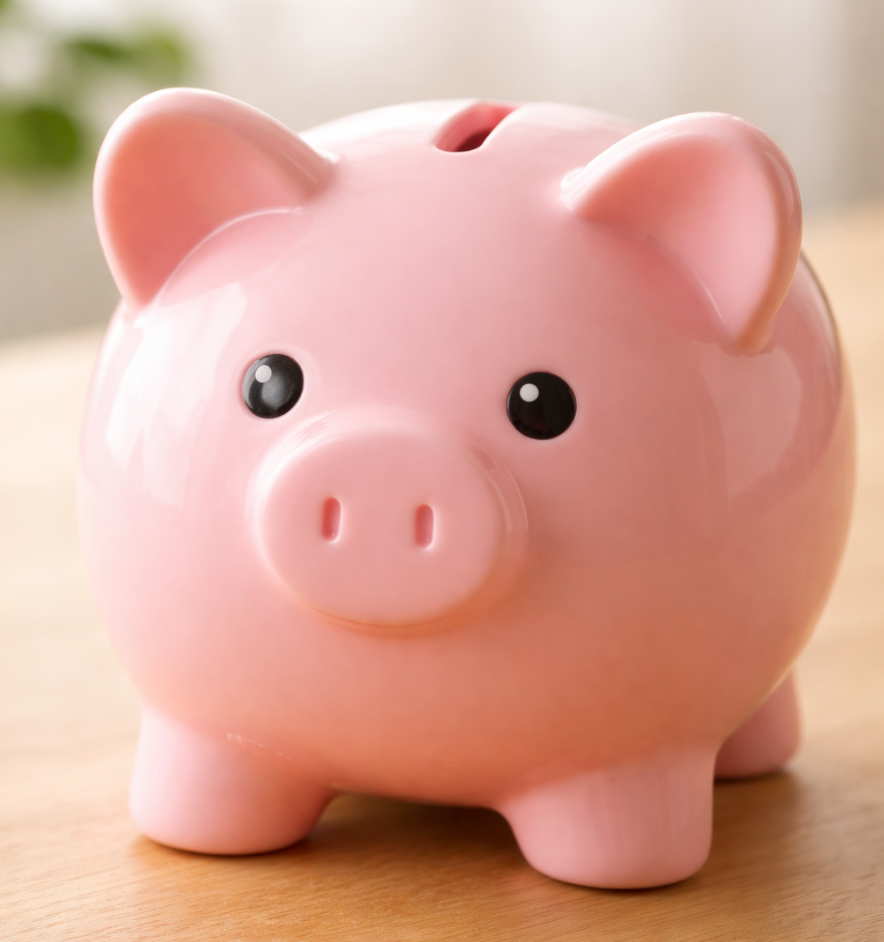
Image AI generated (pig pancreas for cleaning)
Interestingly, the ancient Chinese were not alone in using unconventional substances for cleaning. The Romans, for example, relied heavily on urine for washing and whitening textiles. The fullonicae (Roman laundries) were equipped with vessels placed throughout the city to collect urine, a vital resource for cleaning fabrics. The ammonia in urine was effective in breaking down grease and stains, particularly on woolen garments. Public vessels were strategically located in Roman cities, allowing people to contribute to this cleaning process, albeit in a manner that might be considered off-putting by modern sensibilities.
While unusual, this practice was a pragmatic and ingenious solution to the textile challenges faced by the Romans. The ammoniacal solution enabled large-scale garment cleaning and whitening. This “ick” factor reminds us of how early societies developed creative solutions to address practical needs, even if those solutions might seem repellent to contemporary tastes.
Conclusion: Ancient China’s Enduring Influence on Cleanliness and Wellness
The exploration of soapmaking in ancient China highlights a culture rich in innovation, resourcefulness, and a deep understanding of hygiene. From the early Mianxiang mixtures crafted with fragrant herbs to the Han Dynasty’s advances in soap production, ancient China made invaluable contributions to the history of cleanliness and personal care. The parallel development of soap-like substances across civilizations—such as in Babylonia—reveals the universal desire for cleanliness that unites us all.
Furthermore, the use of unconventional materials like the zhuyizi (a blend of pig pancreas and plant ash) in China, or the Roman practice of collecting urine for textile cleaning, underscores the ingenuity of ancient peoples. By examining these traditions, we gain a greater appreciation for the innovation of early Chinese soap-makers, the cultural significance of bathhouses, and the shared legacy of human ingenuity in maintaining cleanliness across civilizations.
Educational & Informational Disclaimer
The information provided on this website is for educational and informational purposes only. It is intended to share general knowledge about traditional soapmaking, ingredient behavior, historical context, and manufacturing processes.
Nothing on this site is intended to diagnose, treat, cure, or prevent any disease or medical condition. The products offered are classified as soap under FDA guidelines and are not intended to affect the structure or function of the skin or body. Individual experiences and preferences may vary.
Information presented here should not be considered a substitute for professional medical advice, diagnosis, or treatment. If you have a medical condition, skin concern, or sensitivity, please consult a qualified healthcare professional before using any product.
This website may reference or link to third-party scientific, technical, or educational resources for general learning purposes. These references are provided to support transparency and encourage independent research, not as endorsements or medical guidance.
Click here to read the full disclaimer.
Contact me:
Text:
(479) 651-2760
I typically respond to texts almost immediately unless I’m in the middle of making soap.
As soon as I reach a stopping point, I’ll be sure to check and reply.
I check my email daily and will get back to you as soon as possible.