The Origins of Soap-Making: Ancient Egypt's Innovations
Geography and Resources of Ancient Egypt
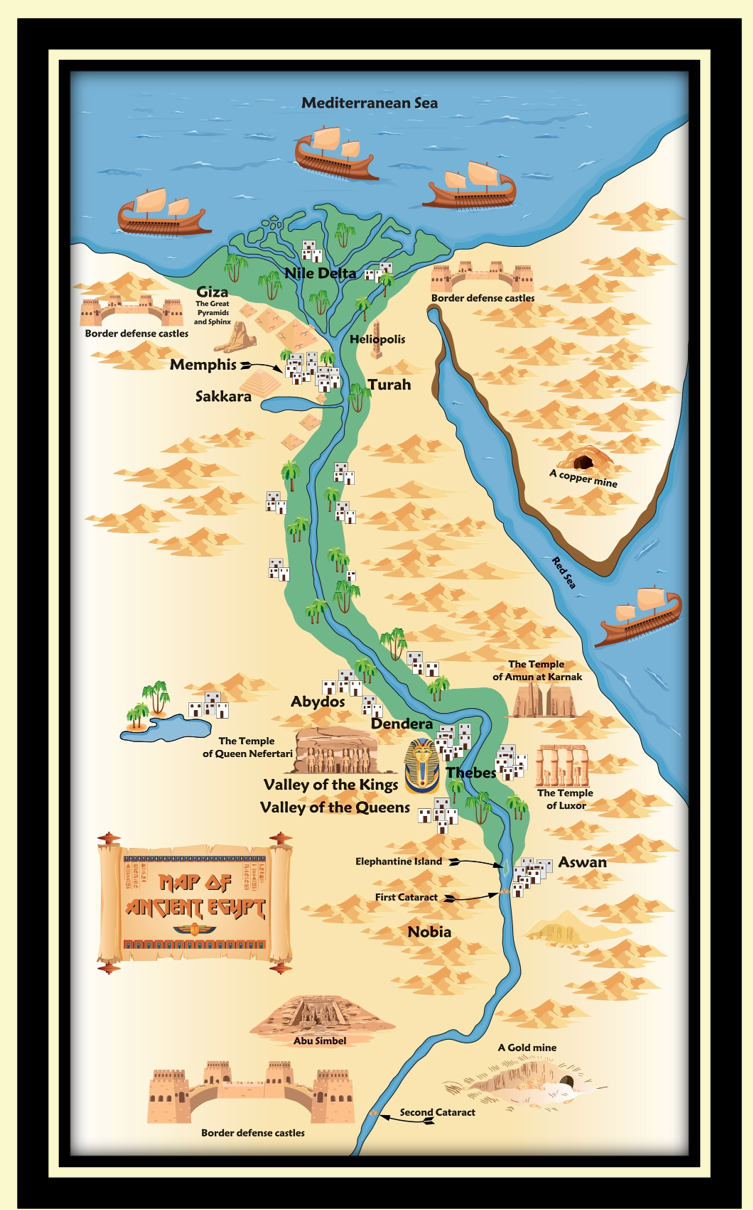
Ancient Egypt Map Shutterstock
Situated in Northeastern Africa, Ancient Egypt encompassed four distinct geographic regions: the Delta, the Western Desert, the Eastern Desert, and the Nile Valley. These regions provided a variety of resources that were crucial to Egyptian life. The fertile lands of the Nile Valley supported agriculture, the deserts supplied minerals and building materials, and the trade networks that extended through these regions connected Egypt with neighboring lands and civilizations.
This interconnectedness helped the Egyptians access raw materials and share knowledge with other cultures. Today, the remnants of their ingenuity remain visible in archaeological sites that stretch across modern Egypt, offering a glimpse into their sophisticated way of life.
The Ebers Papyrus and Early Soap-Making
The Ebers Papyrus, an invaluable Egyptian medical document from around 1550 BC, provides one of the earliest known references to soap-like cleansing agents. These substances were crafted from a blend of animal fats, vegetable oils, and trona, a mineral with alkaline properties. Trona, with its naturally occurring sodium carbonate, played a pivotal role in creating these early soaps.
These mixtures served various purposes, from treating skin ailments to general cleanliness. The ability to utilize these natural ingredients reflects the Egyptians’ resourcefulness and their innovative approach to health and hygiene. Over time, the production methods became more refined, and these cleansing agents were used not only for personal hygiene but also in the preparation of wool for weaving.
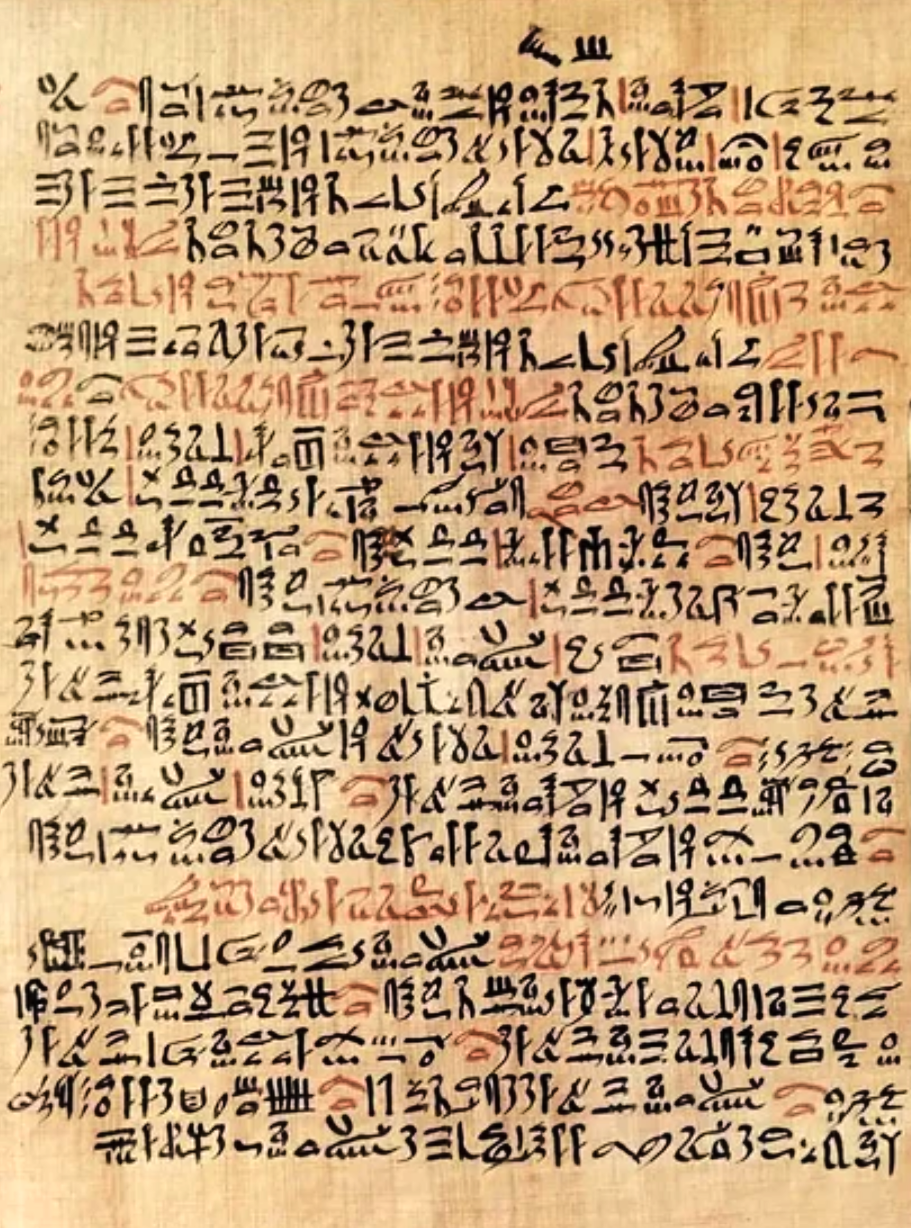
The Ebers Papyrus (photo from Wikipedia)
The Role of Trona and Barilla in Early Soap-Making
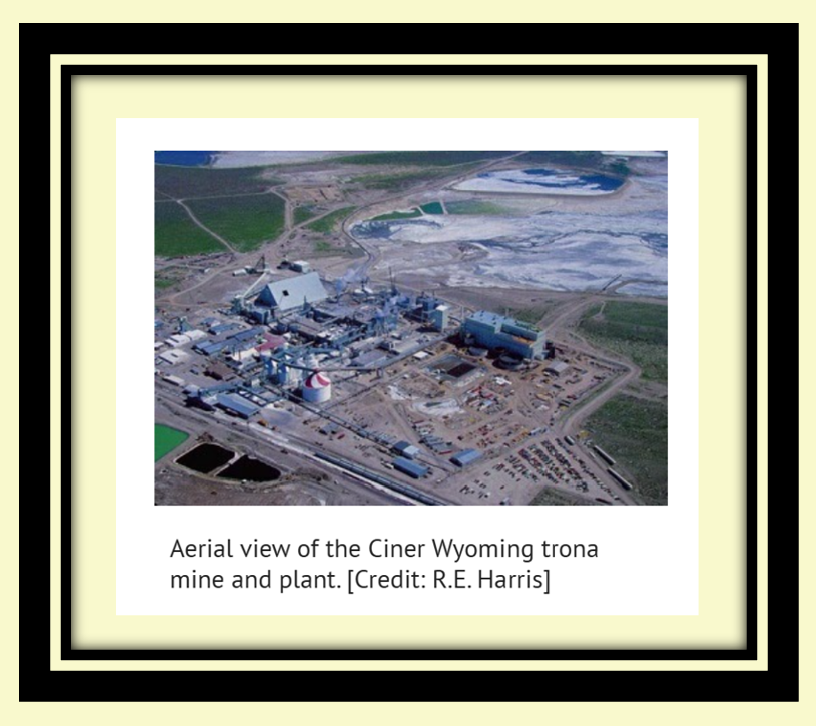
Picture from Wyoming State Geological Survey site
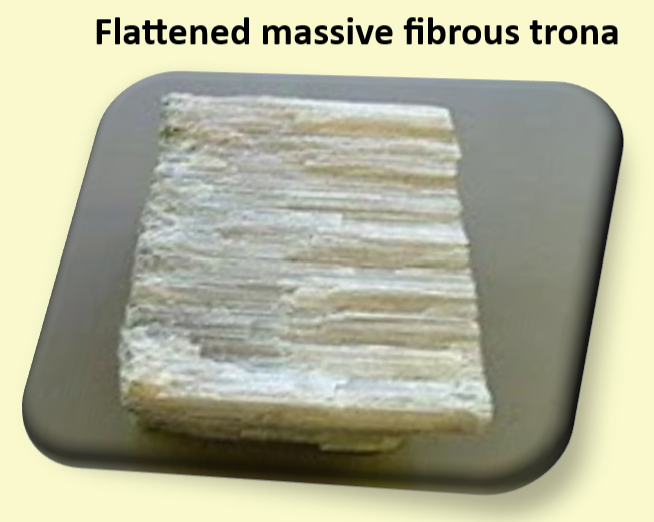
In addition to trona, the Egyptians likely used barilla, a soda ash derived from the ashes of sodium carbonate-rich plants. This alternative alkali source allowed them to diversify their soap-making techniques. The combination of trona and barilla highlights the ingenuity of the Egyptians in harnessing their environment to create practical and effective solutions for hygiene and healthcare.
Today, trona mining continues in similar environments, with significant operations in regions like the Green River Basin in Wyoming, USA, and Magadi Lake in Kenya. These deposits, formed over millions of years, are crucial for various industrial processes, including glassmaking, water purification, and detergent production.
Picture from Wyoming State Geological Survey site
Trona’s Lasting Legacy: From Ancient Soap to Modern Industry
Trona’s significance extends far beyond its ancient origins. This mineral, primarily comprising sodium carbonate, is an essential raw material in modern industries. It plays a key role in producing pure soda ash, which is used in:
- Glassmaking: Soda ash reduces the melting point of silica sand, making glass production more efficient.
- Detergents and Soaps: Its cleansing properties remain integral to modern formulations.
- Water Purification: Soda ash helps remove impurities in water treatment processes.
- Flue Gas Desulfurization: Trona is used to neutralize harmful emissions in industrial settings.
Additionally, trona contributes to the production of sodium phosphate, caustic soda, and sodium cyanide, which are crucial in industries like gold refining.
Historically, trona was used by various civilizations, including the Egyptians, who recognized its cleansing properties early on. This enduring mineral has transitioned seamlessly from ancient soap-making to modern technological applications, reflecting its timeless value and versatility.
Bathing Rituals: Cleanliness in Egyptian Daily Life
Ancient Egyptians employed various methods for bathing and skincare, tailored to their social status and available resources:
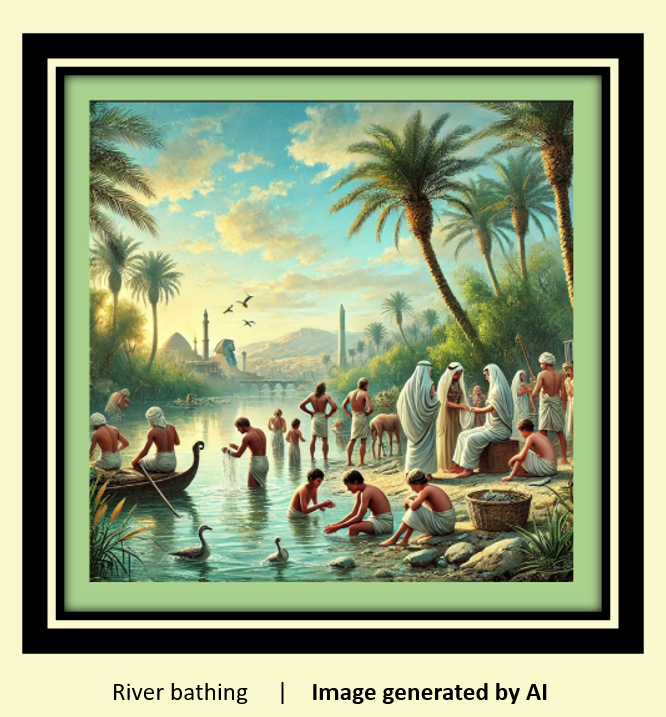
- River Bathing: The Nile River was central to Egyptian hygiene practices. People from all walks of life would bathe in the river, using its waters to cleanse themselves and their clothes. River bathing was a communal activity, with individuals gathering at designated spots along the riverbanks to wash and socialize.
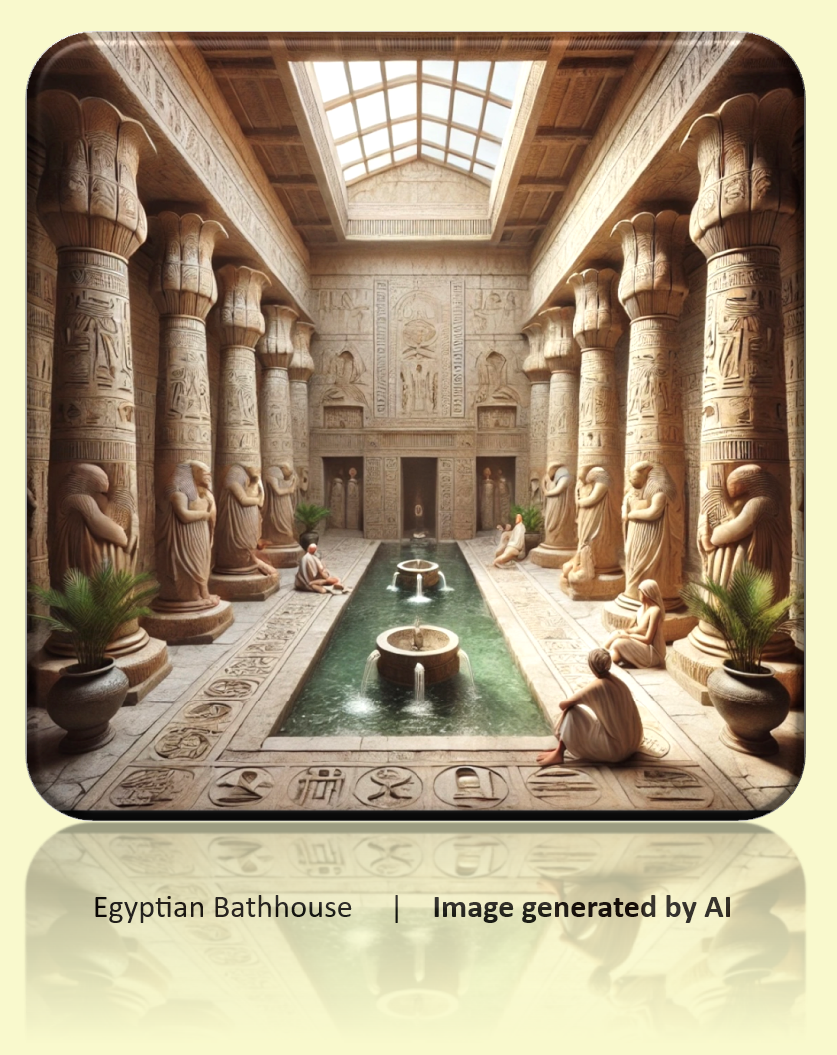
- Indoor Bathing Facilities: While river bathing was common, wealthier Egyptians had access to more sophisticated bathing facilities. Some affluent households constructed private bathing chambers within their homes. These indoor baths, often adorned with decorative elements, provided a more luxurious experience with water drawn from the Nile.
- Public Bathhouses: In urban areas, public bathhouses offered communal bathing facilities for those without private baths. These bathhouses became social hubs where people could relax, cleanse, and socialize. Public baths typically included hot and cold-water baths, sauna-like steam rooms, massage services, and even exercise areas.
Skincare Practices: Oils, Ointments, and the Strigil
Egyptians valued skincare, using various oils, ointments, and perfumes to cleanse and moisturize their skin. They applied oils like castor, sesame, and almond oils, often incorporating fragrant ingredients such as myrrh, frankincense, and rosemary. To remove dirt and excess oil, Egyptians used a curved tool called a strigil, which they employed to scrape impurities from their skin after applying oils or ointments. This practice, known as ablution, promoted cleanliness while supporting healthy skin
Conclusion: The Legacy of Ancient Egyptian Hygiene
The ancient Egyptians’ innovations in soap-making highlight their remarkable ingenuity in hygiene and healthcare, laying the foundation for the evolution of cleanliness practices throughout history. By harnessing the medicinal properties of plants and minerals such as trona and barilla, they developed methods that later civilizations would refine and expand upon. Records like the Ebers Papyrus showcase their sophisticated understanding of both medicine and daily care, reflecting a culture deeply committed to health and well-being.
This legacy of soap-like substances not only served their contemporaries but also influenced generations to come, leaving an indelible mark on the story of human hygiene. The Egyptians’ contributions to soap-making techniques continue to resonate in modern practices, a testament to their enduring impact on civilization
Why These Maps?
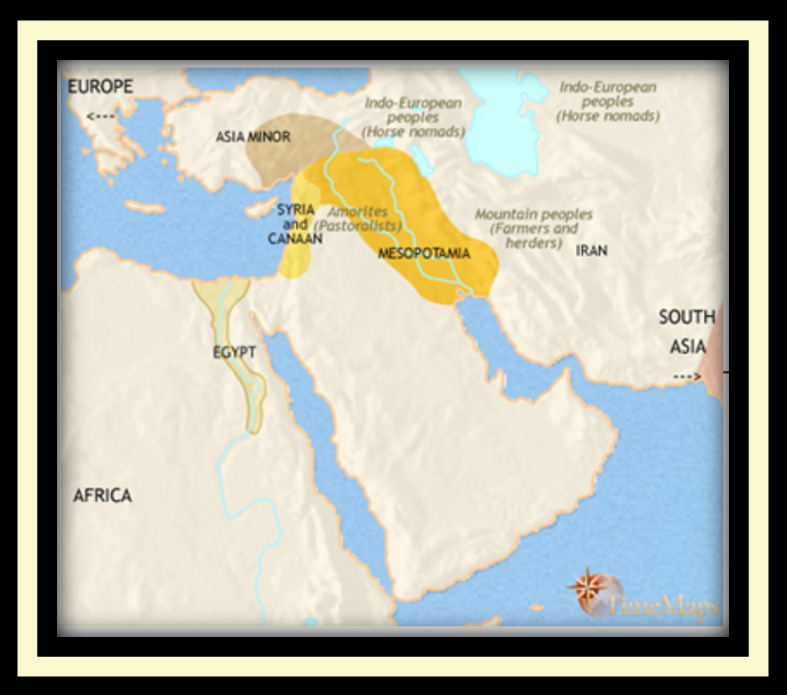
In tracing the origins of soap, I found myself drawn to the geography of Babylonia, Egypt, and the Levant—three regions that reveal a fascinating web of cultural and technological exchange. These maps not only pinpoint the birthplaces of early soap-making but also illuminate the interconnectedness of ancient civilizations. Trade routes crisscrossed these lands, carrying more than just goods—they transported ideas, techniques, and innovations, including the craft of soap-making.
While it’s easy to assume that soap originated independently in each region, these maps challenge us to consider how shared knowledge and resources played a role. Babylonia’s early alkali-rich cleansers, Egypt’s meticulous use of oils and ash for cleaning, and the Levant’s evolving soap traditions weren’t isolated developments. Together, these lands wove a tapestry of early soap-making practices, highlighting the profound influence of geography and trade on one of humanity’s most essential crafts.
These maps serve as a visual reminder to rethink our assumptions about everyday items like soap. By exploring this shared history, we gain a deeper appreciation for how interconnected the ancient world truly was.
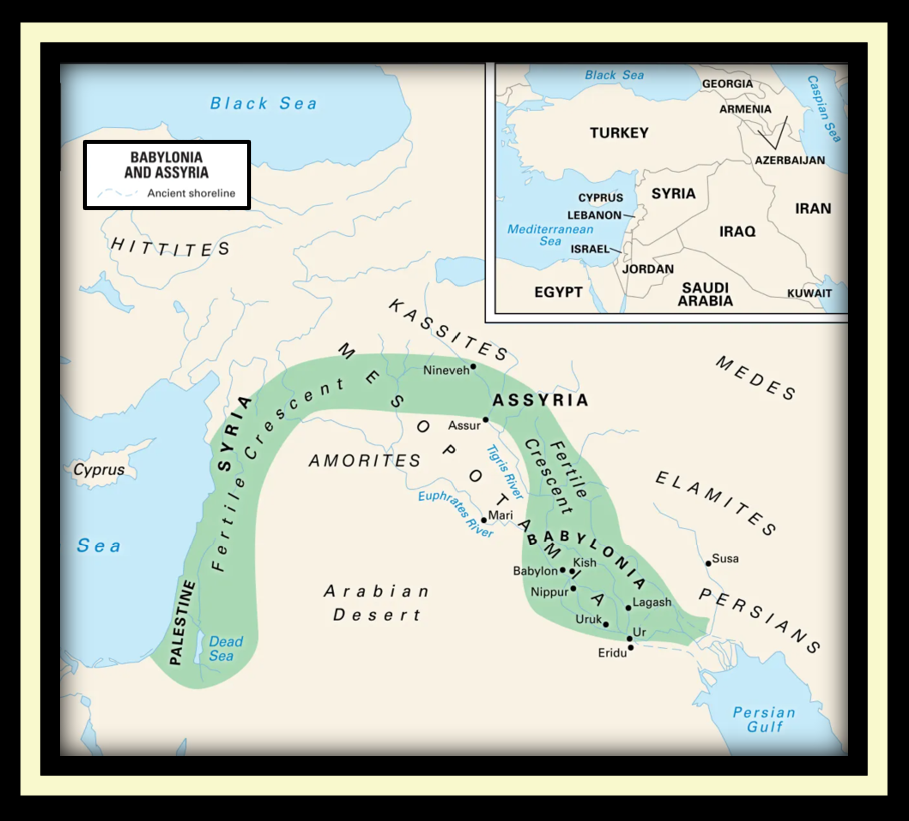
Babylonian Map Britannica
Ancient Levant / Israel / Juda Map Brewminate
Ancient Egypt Map Shutterstock
Educational & Informational Disclaimer
The information provided on this website is for educational and informational purposes only. It is intended to share general knowledge about traditional soapmaking, ingredient behavior, historical context, and manufacturing processes.
Nothing on this site is intended to diagnose, treat, cure, or prevent any disease or medical condition. The products offered are classified as soap under FDA guidelines and are not intended to affect the structure or function of the skin or body. Individual experiences and preferences may vary.
Information presented here should not be considered a substitute for professional medical advice, diagnosis, or treatment. If you have a medical condition, skin concern, or sensitivity, please consult a qualified healthcare professional before using any product.
This website may reference or link to third-party scientific, technical, or educational resources for general learning purposes. These references are provided to support transparency and encourage independent research, not as endorsements or medical guidance.
Click here to read the full disclaimer.
Contact me:
Text:
(479) 651-2760
I typically respond to texts almost immediately unless I’m in the middle of making soap.
As soon as I reach a stopping point, I’ll be sure to check and reply.
I check my email daily and will get back to you as soon as possible.