
Introduction to the Islamic Golden Age and Soapmaking
Setting the stage for Aleppo soap and its historical significance
Islamic Golden Age
Before we dive into the Islamic Golden Age, let me ask you this: “Which came first, the chicken or the egg?” Yes, this question is directly related to our topic—Aleppo soap. Curious about how chickens and eggs fit into the story of soap? Stick with me, and by the end, you’ll have your answer. I promise you’ll see how these seemingly unrelated elements are intertwined.

Image AI generated
During the Islamic Golden Age, which spanned from the 8th to the 14th century, soap-making saw remarkable advancements and became widely adopted across the Islamic world. Among the many innovations of this period, one soap stood out for its exceptional quality and craftsmanship: Aleppo soap. Known throughout the Mediterranean and beyond, Aleppo soap gained a reputation for its unique blend of ingredients and its gentle, effective cleansing properties.
Made from a blend of olive oil and laurel oil, Aleppo soap represented the pinnacle of artisanal soap-making. Its natural formulation, enriched with nourishing oils, offered a luxurious bathing experience that set it apart from other soaps of the era. As demand for Aleppo soap spread, it became a prized commodity along the trade routes, reaching markets in Europe and Asia.
Join us as we explore the fascinating history of Aleppo soap, a symbol of the innovation and craftsmanship of soap-makers during the Islamic Golden Age.
The Geography of the Islamic Golden Age
Key regions contributing to the Islamic Golden Age.
During the Islamic Golden Age, spanning from the 8th to the 14th century, various regions across the Arabian Peninsula, North Africa, and Central Asia were under Muslim rule. These regions became significant centers of Islamic civilization, learning, and culture. Notable territories included:
- Arabian Peninsula: Including modern-day Saudi Arabia, Yemen, Oman, Bahrain, Kuwait, Qatar, and the United Arab Emirates. These areas came under Muslim rule following the expansion of Islam in the 7th and 8th centuries.
- North Africa: Encompassing regions such as modern-day Morocco, Algeria, Tunisia, Libya, Egypt, and Sudan, which were rich in Islamic heritage and cultural contributions during this period.
- The Levant: Including present-day Syria, Lebanon, Jordan, Palestine, and Israel.
- Central Asia: Covering modern-day Uzbekistan, Kazakhstan, Tajikistan, Turkmenistan, Afghanistan, and Kyrgyzstan.
- Persia: Corresponding to modern-day Iran.
- Mesopotamia: Including modern-day Iraq and its capital, Baghdad, as well as Kuwait.
- Bukhara and Samarkand: Important cultural and scientific centers in modern-day Uzbekistan.
- Pakistan: Particularly the Punjab region, which saw significant cultural, scientific, and architectural advancements during this period.
- Andalusia: The southern region of modern-day Spain, which flourished under Muslim rule.
These regions were crucial hubs for advancements in science, art, philosophy, and medicine, which contributed to the legacy of the Islamic Golden Age.
Syria: A Crossroads of Civilization and Soapmaking
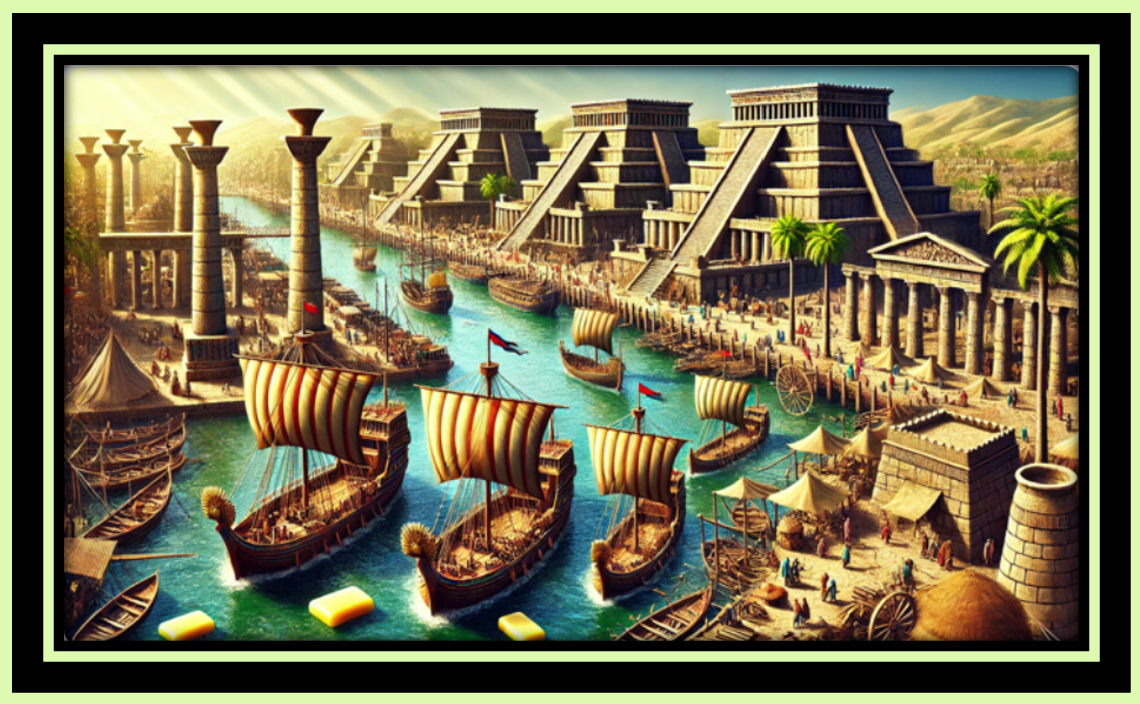
Image AI generated
The cultural and trade significance of Syria, particularly Aleppo.
Syria’s pivotal position as a crossroads of civilizations played a crucial role in the development and proliferation of Aleppo soap.
Nestled at the convergence of trade routes linking Europe, Asia, and Africa, Syria became a vibrant hub of cultural exchange, where diverse traditions, ideas, and goods intermingled. This strategic location facilitated the seamless transmission of knowledge and resources essential for soap production, establishing Syria as a leading center for crafting exquisite soap.
Soap was already known in the ancient world, but during the Islamic Golden Age, its production and use became more widespread and sophisticated. Islamic scholars and scientists made notable contributions to various fields, including chemistry and medicine, which likely influenced advancements in soap-making.
Join us on a journey back in time, where you’ll embody the spirit of ‘jabon al-sham’—caravan travelers crossing the ancient Silk Road and other trade routes. Experience the thrill of seeking precious commodities to import back to distant lands, as Aleppo soap becomes a coveted treasure in markets far and wide.
Scientific Contributions to Soapmaking
The role of Islamic scholars in advancing soapmaking techniques.
During the Islamic Golden Age, several scholars and scientists made significant contributions to various fields, including chemistry, which played a crucial role in the development of soap production techniques. While their direct impact on soap production might not be as widely recognized as their contributions to other areas, their advancements in chemistry and related sciences indirectly influenced soapmaking methods and understanding. Here are some notable figures whose work contributed to soap production:
- Jabir ibn Hayyan (Geber) (c. 721–815):
Field: Alchemy, Chemistry
His pioneering work laid the foundation for understanding chemical reactions essential to the soap production process. - Al-Razi (Rhazes) (c. 865–925):
Field: Medicine, Chemistry
His expertise in chemistry likely contributed to the understanding of the chemical processes involved in soapmaking. - Ibn Sina (Avicenna) (980–1037):
Field: Medicine, Chemistry
His profound knowledge of chemical principles and compounds would have influenced soap production techniques during the Islamic Golden Age. - Al-Biruni (973–1048):
Field: Astronomy, Mathematics, Chemistry
His contributions to chemistry would have shaped the understanding of chemical processes relevant to soapmaking.
While the specific contributions of these scholars to soap production might not be extensively documented, their groundbreaking advancements in chemistry and related sciences undoubtedly helped shape the overall progress of scientific knowledge during the Islamic Golden Age—indirectly impacting soapmaking practices.
PROPERTIES & USES OF QUICKLIME IN SOAP PRODUCTION
What is Quicklime?
Quicklime, also known as calcium oxide (CaO), is a chemical compound typically produced by heating limestone (calcium carbonate) in a lime kiln at temperatures above 900°C (1652°F). This process, called calcination, causes the limestone to undergo thermal decomposition, releasing carbon dioxide gas and leaving behind quicklime.
Quicklime is a white, caustic, alkaline substance that reacts vigorously with water, producing heat and forming slaked lime (calcium hydroxide). It is highly reactive and has numerous industrial, agricultural, and chemical applications. In soap production, quicklime or slaked lime is sometimes used to adjust the pH level of the soap mixture or enhance its cleansing properties.
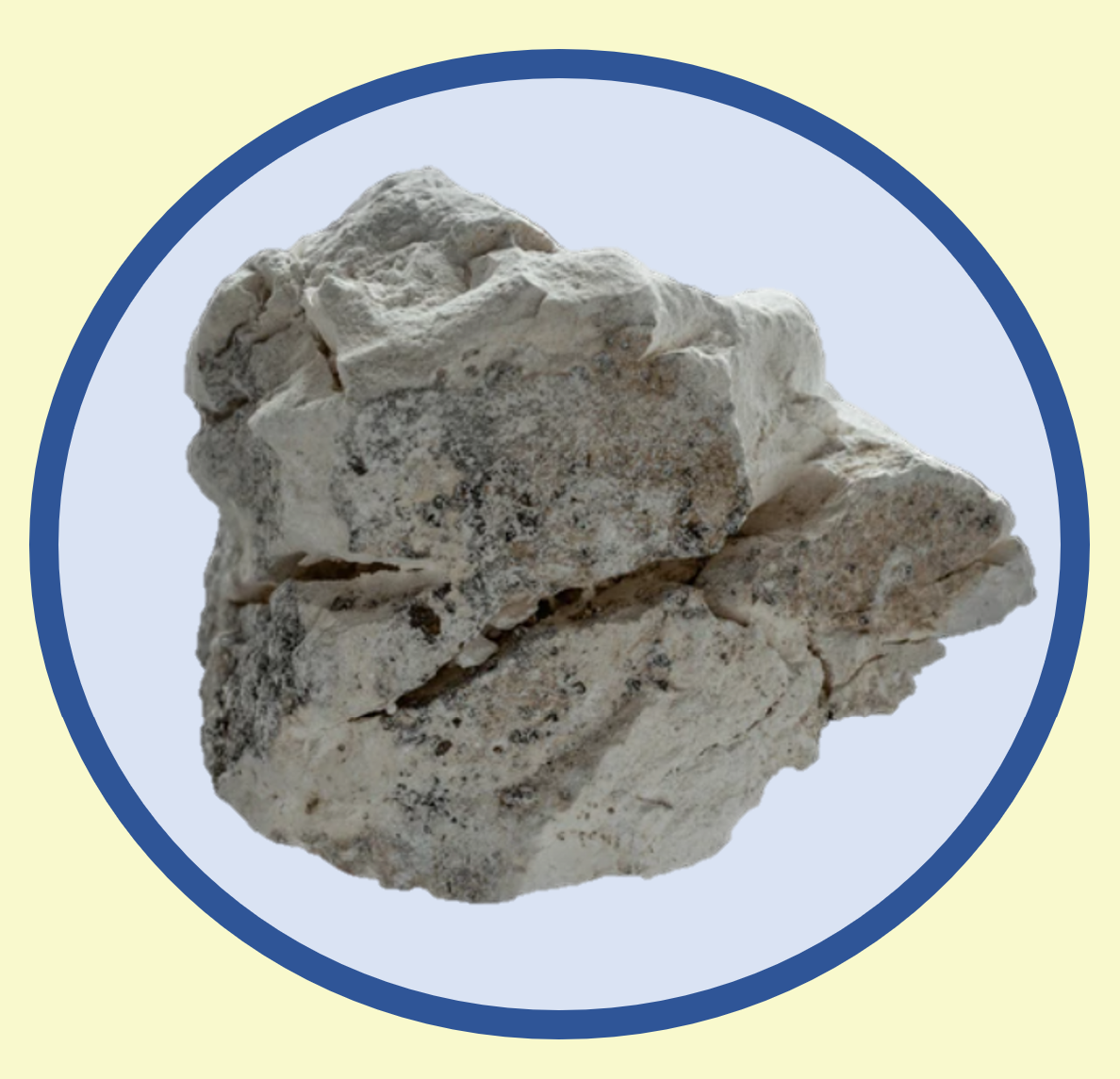
Image from Shutterstock
Quicklime Advantages
The addition of quicklime (calcium oxide) to fats, oils, and alkali plays a significant role in the production of harder, more efficient soap bars. This process, known as saponification, involves a chemical reaction that transforms fats and oils into soap molecules.
Quicklime serves several important purposes in the soap-making process:
Alkalinity: Quicklime is highly alkaline, aiding in the breakdown of fats and oils into fatty acids and glycerol. This process, known as hydrolysis, is essential for soap production as it allows the fatty acids to react with the alkali, forming soap molecules.
Calcium Soap Formation: During saponification, quicklime reacts with fatty acids to form insoluble calcium soaps. These calcium soaps contribute to the hardness of the soap bar. The presence of calcium ions also stabilizes the lather and enhances the soap’s cleansing properties.
Water Softening: Quicklime helps soften water by precipitating calcium and magnesium ions, which are present in hard water. This is beneficial because hard water can interfere with soap’s lathering ability. By softening the water, quicklime ensures the soap can effectively lather and remove dirt and oils from the skin.
Preservative Action: The high pH environment created by quicklime inhibits the growth of bacteria and molds in the soap mixture, helping to preserve the quality and stability of the final product.
Overall, the inclusion of quicklime in the soap-making process facilitates saponification, enhances the hardness and efficiency of the soap bars, improves lathering, and contributes to the soap’s preservation. This method revolutionized soap production, enabling the mass production of high-quality soap bars valued for their cleansing and skincare benefits
pH and its cleaning properties
When quicklime is dissolved in water, it undergoes a chemical reaction to form slaked lime (calcium hydroxide), which is an alkaline substance. The alkaline nature of quicklime or slaked lime helps raise the pH level of a soap mixture.
In soap production, adjusting the pH level is crucial as it affects the soap’s overall effectiveness and gentleness. Soap with a higher pH tends to be more alkaline, which enhances its cleansing properties by better emulsifying oils and removing dirt and grime from the skin. However, overly alkaline soap can strip away the skin’s natural oils, leading to dryness and irritation–pioneer time soap.
By incorporating quicklime into the soap-making process, soapmakers can control the pH level, achieving a balance between cleansing power and mildness. This results in a soap that cleanses effectively without causing excessive dryness or irritation.
The higher pH of soap, resulting from the addition of quicklime, can also help inhibit the growth of bacteria and microorganisms within the soap itself. Many bacteria thrive in acidic environments and struggle to survive in alkaline conditions. Thus, soap with a higher pH, such as that produced with quicklime, might possess inherent antimicrobial properties that help prevent pathogen growth, contributing to the soap’s cleanliness and hygiene.
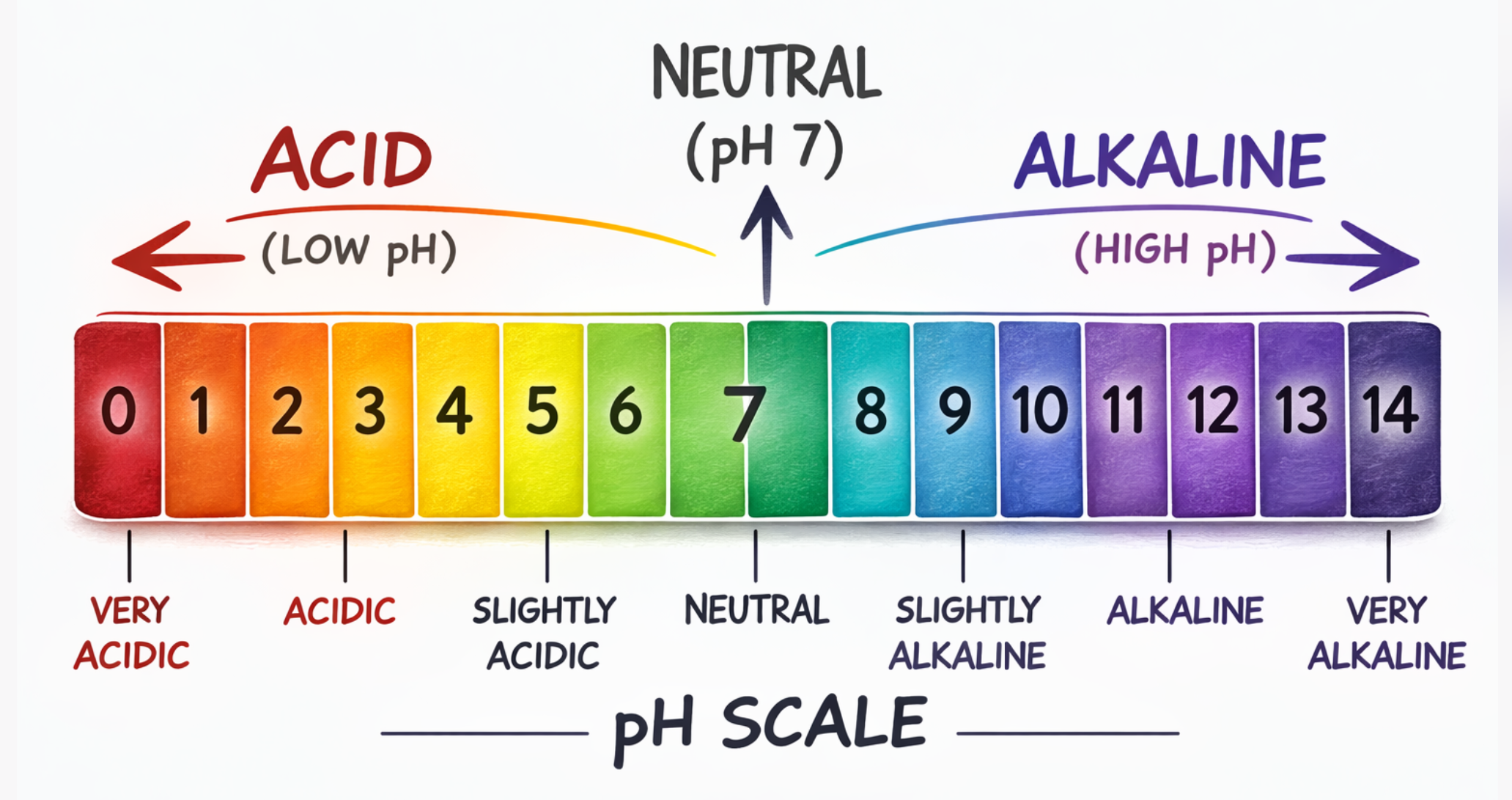
Image AI generated
The pH of Soap vs. The pH of Skin
While we’re on the topic of pH, it’s important to clarify the distinction between the high pH of soap—achieved through ingredients like quicklime—and the naturally acidic pH of human skin. Handmade soap, with its inherently alkaline pH, creates an environment that is hostile to most microorganisms. This eliminates the need for preservatives, as bacteria and other “nasties” transferred to the soap during use struggle to survive in its alkaline environment. Even though skin microbiota might come into contact with the soap, these organisms are unlikely to thrive in such conditions.
In contrast, the skin operates differently, maintaining a slightly acidic pH—this is a protective feature known as the acid mantle. This acidity acts as a natural barrier against harmful pathogens. When soap is used, it temporarily disrupts the skin’s acid mantle, but the body’s natural systems quickly restore balance, often within just a few hours. This resilience is part of a larger network of biological checks and balances, much like how the body regulates blood pH and respiratory function to maintain overall equilibrium.
It’s also important to note a key difference between traditional soap and synthetic detergent-based cleansers. While handmade soap relies on its higher pH for microbial resistance, detergent-based body washes and shampoos are formulated closer to a neutral (7) pH. This makes them more hospitable to bacteria, which is why they require preservatives to prevent microbial growth. Their near-neutral pH creates a more favorable environment for bacteria, necessitating the use of added chemicals for safety and stability. This distinction highlights the thoughtful chemistry behind both traditional and modern cleansing products, each serving its purpose while balancing preservation and skin compatibility.
Trade and the Spread of Soapmaking
The role of trade in popularizing Aleppo soap.
The Islamic Golden Age was marked by extensive trade networks that facilitated the exchange of goods, ideas, and technologies across vast regions.
Soap, as one of the valuable commodities traded along these routes, played a key role in spreading the craft of soap-making and increasing its popularity beyond the Islamic world.

Image AI generated
As trade routes connected the Arabian Peninsula with parts of Europe, Asia, and Africa, goods like soap traveled far and wide, influencing local cultures and industries. The interaction between different civilizations allowed for the sharing of soap-making techniques, leading to the refinement of production methods and the enhancement of soap’s quality.
During this period, Islamic soap-makers were instrumental in advancing soap production techniques, improving the quality of the product, and expanding its availability to a wider audience. Their contributions helped establish soap as an essential commodity in many regions, shaping its evolution into the globally used product we recognize today.
Crusaders introduced Europe to Aleppo soap
While the specific historical details surrounding the introduction of Aleppo soap to Europe may vary, it is plausible that the Crusaders played a role in its spread. The Crusaders were a series of religious wars during the medieval period, where

Image AI generated
European Christians launched military campaigns to reclaim the Holy Land from Muslim control. These campaigns brought European soldiers and merchants into contact with various cultures and products from the Middle East, including Aleppo soap.
Though direct, irrefutable evidence linking the Crusaders to the introduction of Aleppo soap to Europe might be lacking, it is reasonable to assume that trade and cultural exchanges during this period helped facilitate the transfer of goods and ideas between the East and West. Aleppo soap, known for its high quality and unique properties, could have been among the commodities that European traders encountered and sought to import back to their homelands.
REPUTATION & DISSEMINATION
A stellar Reputation
Aleppo soap earned a stellar reputation across the Mediterranean region and beyond for its quality and craftsmanship. Valued for its natural ingredients—such as olive oil and laurel oil—and its gentle yet effective cleansing properties, Aleppo soap became a prized commodity.
Aleppo’s status as a bustling trade hub facilitated the distribution of its renowned soap throughout the Mediterranean, the Middle East, and beyond. Caravans traveling along the Silk Road and other ancient trade

Image AI generated
routes carried Aleppo soap alongside spices, textiles, and other valuable goods. Its reputation for purity and quality earned it favor among merchants and consumers, solidifying Aleppo as a prominent center for soap production and trade.
Over time, Aleppo soap gained recognition in distant lands, including Europe, where it was likely introduced through trade networks and cultural exchanges. The Crusaders, during their campaigns in the Middle East, might have encountered Aleppo soap and recognized its superior quality. While definitive historical records linking the Crusaders directly to the spread of Aleppo soap in Europe are lacking, the broader context of medieval trade and cultural interaction makes this a plausible scenario.
In summary, Syria’s position as a crossroads of civilizations provided the essential ingredients, knowledge, and trade networks for the development and spread of Aleppo soap. The combination of natural resources and centuries of artisanal expertise produced a soap that attracted merchants and traders from across the globe, further enhancing its popularity and recognition worldwide. Aleppo soap transcended borders, becoming celebrated for its exceptional quality and craftsmanship.
THE ANCIENT TRADITION CONTINUES TODAY
Aleppo Soap: Ancient Craftsmanship Preserved in Syria (With Videos)
The history of Aleppo soap dates back centuries, with its origins rooted in the ancient city of Aleppo, in present-day Syria. The region’s abundant olive oil and laurel oil, combined with access to natural alkaline substances such as soda ash and quicklime, provided the basic ingredients for soap-making. The Aleppo soap-makers, known as “jabon al-sham,” mastered the art of blending these ingredients to create a high-quality, all-natural soap renowned for its purity and effectiveness.
The process of making Aleppo soap involves traditional methods passed down through generations, incorporating time-honored techniques and natural ingredients. Olive oil, a staple of Mediterranean cuisine, serves as the primary base, while laurel oil imparts fragrance and antimicrobial properties. To achieve the desired hardness and texture, soap-makers incorporate quicklime. These ingredients are mixed and boiled in large vats, then poured onto the ground to cool and harden. Once solidified, the soap is cut into blocks and stamped with the maker’s seal. It is then left to cure for several months, during which it develops its characteristic color, scent, and texture.
While modern manufacturing techniques have been introduced in some Aleppo soap workshops to increase efficiency, many producers continue to uphold the traditional methods and craftsmanship that have defined Aleppo soap for centuries, including the incorporation of quicklime.
Now, to address the age-old question: which came first, the chicken or the egg?
With Aleppo soap originating during the Islamic Golden Age (750-1350 A.D.) and Castile soap emerging in the High Middle Ages (1101-1300 A.D.), we can think of Aleppo soap as the “chicken” and Castile soap as the “egg.” So, which one came first?
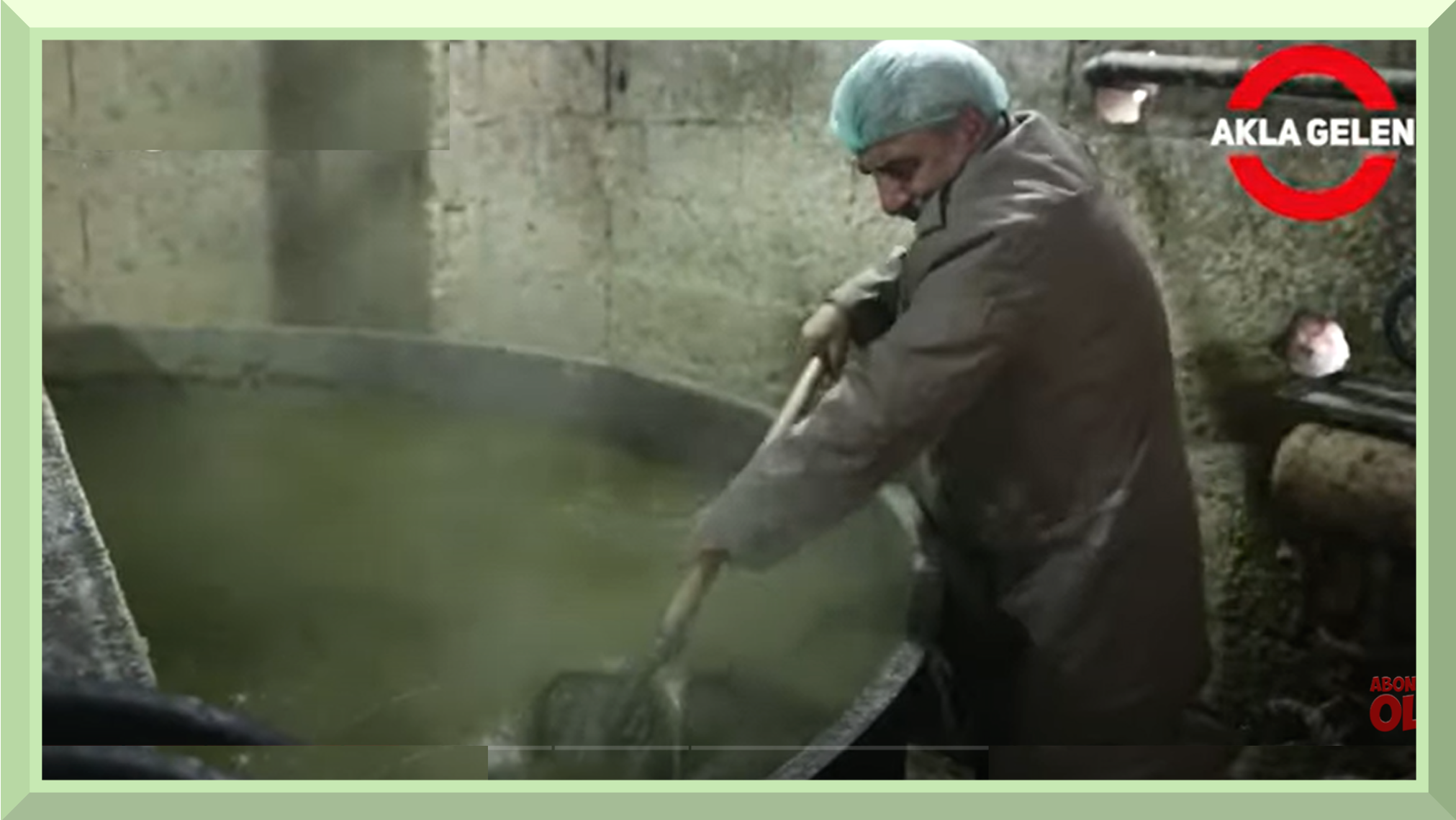
Authentic Aleppo Soap, from
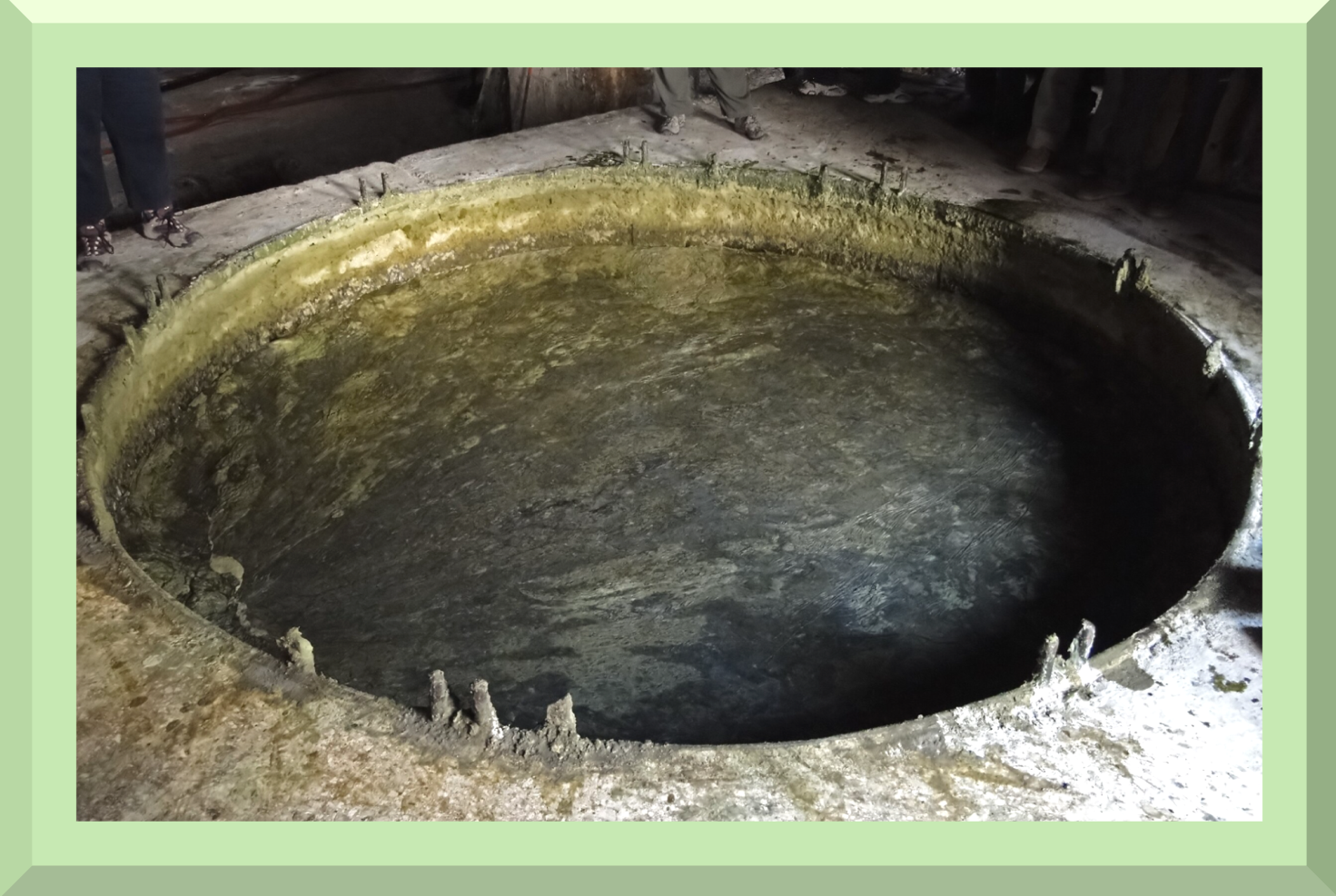
Vat of Aleppo soap at the Al-Jebeili factory, Aleppo, Syria from Wikipedia
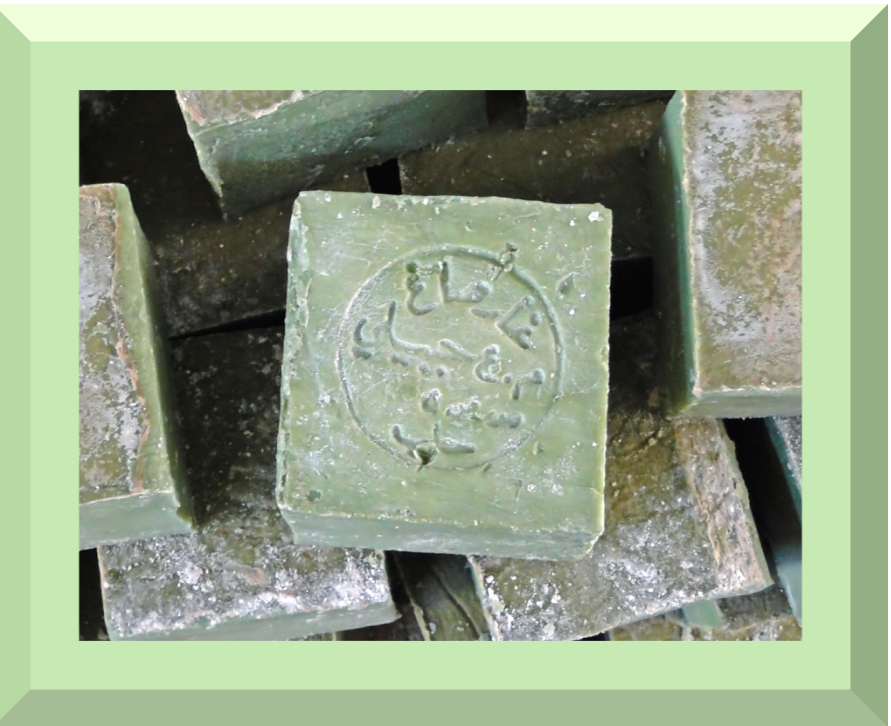
Authentic Aleppo Soap, from Wikipedia
Educational & Informational Disclaimer
The information provided on this website is for educational and informational purposes only. It is intended to share general knowledge about traditional soapmaking, ingredient behavior, historical context, and manufacturing processes.
Nothing on this site is intended to diagnose, treat, cure, or prevent any disease or medical condition. The products offered are classified as soap under FDA guidelines and are not intended to affect the structure or function of the skin or body. Individual experiences and preferences may vary.
Information presented here should not be considered a substitute for professional medical advice, diagnosis, or treatment. If you have a medical condition, skin concern, or sensitivity, please consult a qualified healthcare professional before using any product.
This website may reference or link to third-party scientific, technical, or educational resources for general learning purposes. These references are provided to support transparency and encourage independent research, not as endorsements or medical guidance.
Click here to read the full disclaimer.
Contact me:
Text:
(479) 651-2760
I typically respond to texts almost immediately unless I’m in the middle of making soap.
As soon as I reach a stopping point, I’ll be sure to check and reply.
I check my email daily and will get back to you as soon as possible.