
Hygiene and Soap: A Journey Through the Early Middle Ages
The Context of the Early Middle Ages
The Geography and Context of the Early Middle Ages
The Early Middle Ages (500–1000 CE) unfolded across Western and Central Europe after the collapse of the Western Roman Empire. This era witnessed the fragmentation of former Roman territories into smaller kingdoms, such as the Frankish Empire, Anglo-Saxon England, and the Lombard Kingdom in Italy. Geographically, it spanned regions of modern France, Germany, Italy, Spain, and England, with Eastern Europe influenced by the Byzantine Empire and southern Europe shaped by Islamic Caliphates. Despite the political instability of the time, the Early Middle Ages laid the foundation for later cultural and political advancements.
Click here to view an interactive map showing how the landscape of the Roman Empire changed over time.]
Decline in Hygiene Practices and Bathing Habits
Bathing Practices and the Decline After the Fall of Rome
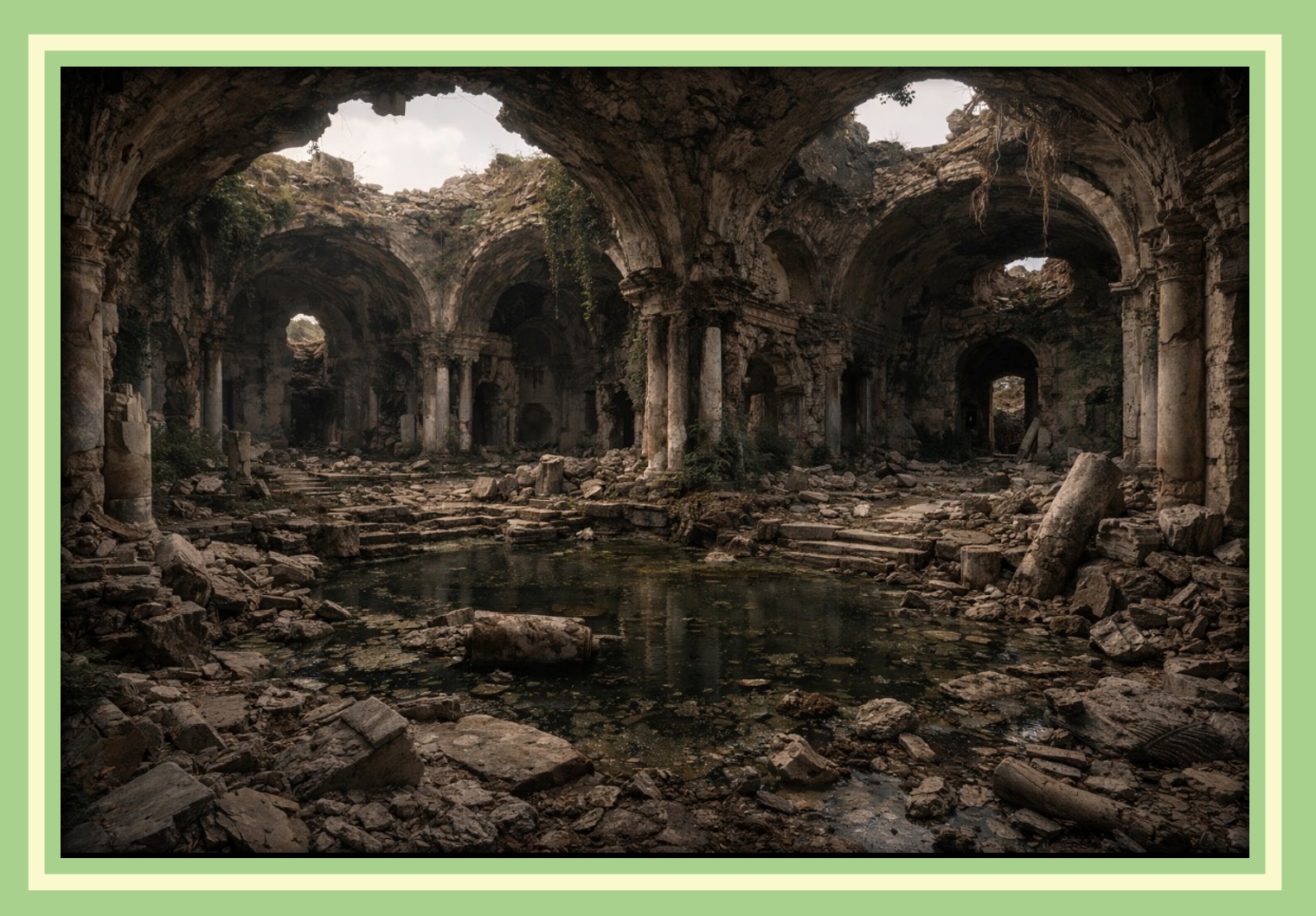
Image AI generated
Bathing was an integral part of Roman culture, with public baths (thermae) serving as vital centers for both hygiene and social interaction. The fall of Rome in 467 A.D. disrupted this infrastructure, leading to the deterioration of aqueducts, sanitation systems, and public baths. As these organized facilities faded from existence, personal hygiene standards declined, contributing to the spread of disease.
Many Europeans during this period believed that bathing, particularly in hot water, opened the pores of the skin, making the body more vulnerable to illness. This misconception, combined with devastating plagues like the Black Death, led to a significant decline in bathing practices. People feared that water exposure could allow disease to enter the body. As a result, dry cleaning with cloths or using perfumes to mask odors became more common, leading to generally poor hygiene. It wasn’t until the Renaissance, with advancements in science and health, that soap and consistent hygiene practices regained their importance.
Global Innovations in Bathing Practices Amid European Decline
Despite the decline in hygiene practices across much of Europe, other cultures continued to preserve or even advance their bathing customs. In medieval Japan, cleanliness was highly valued, with both public bathhouses and private washing rituals playing a central role in daily life. Similarly, in Iceland, the use of geothermal hot springs, like the Blue Lagoon, became important centers for both hygiene and community, showcasing an innovative adaptation of local resources. These enduring practices highlight the diversity of global hygiene traditions during a time when Europe struggled with declining standards.
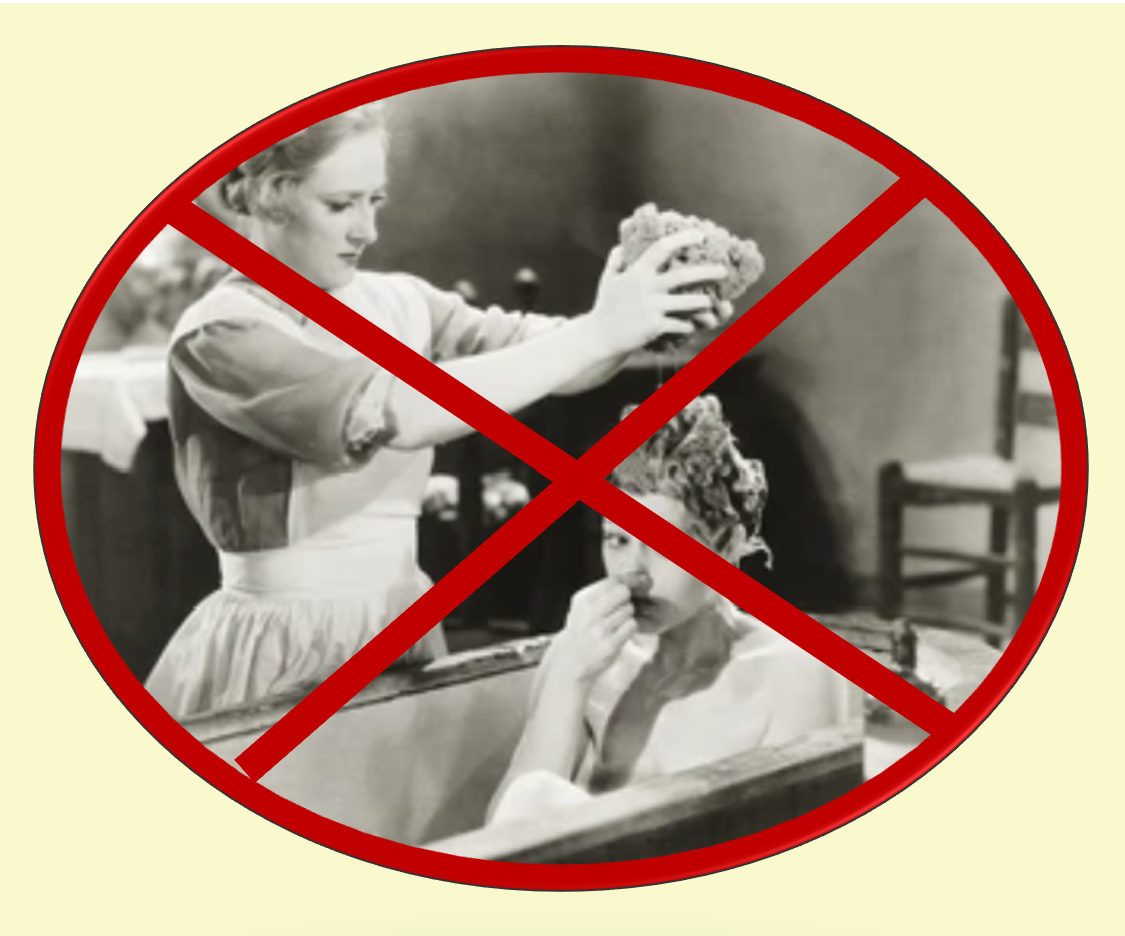
Image from Shutterstock
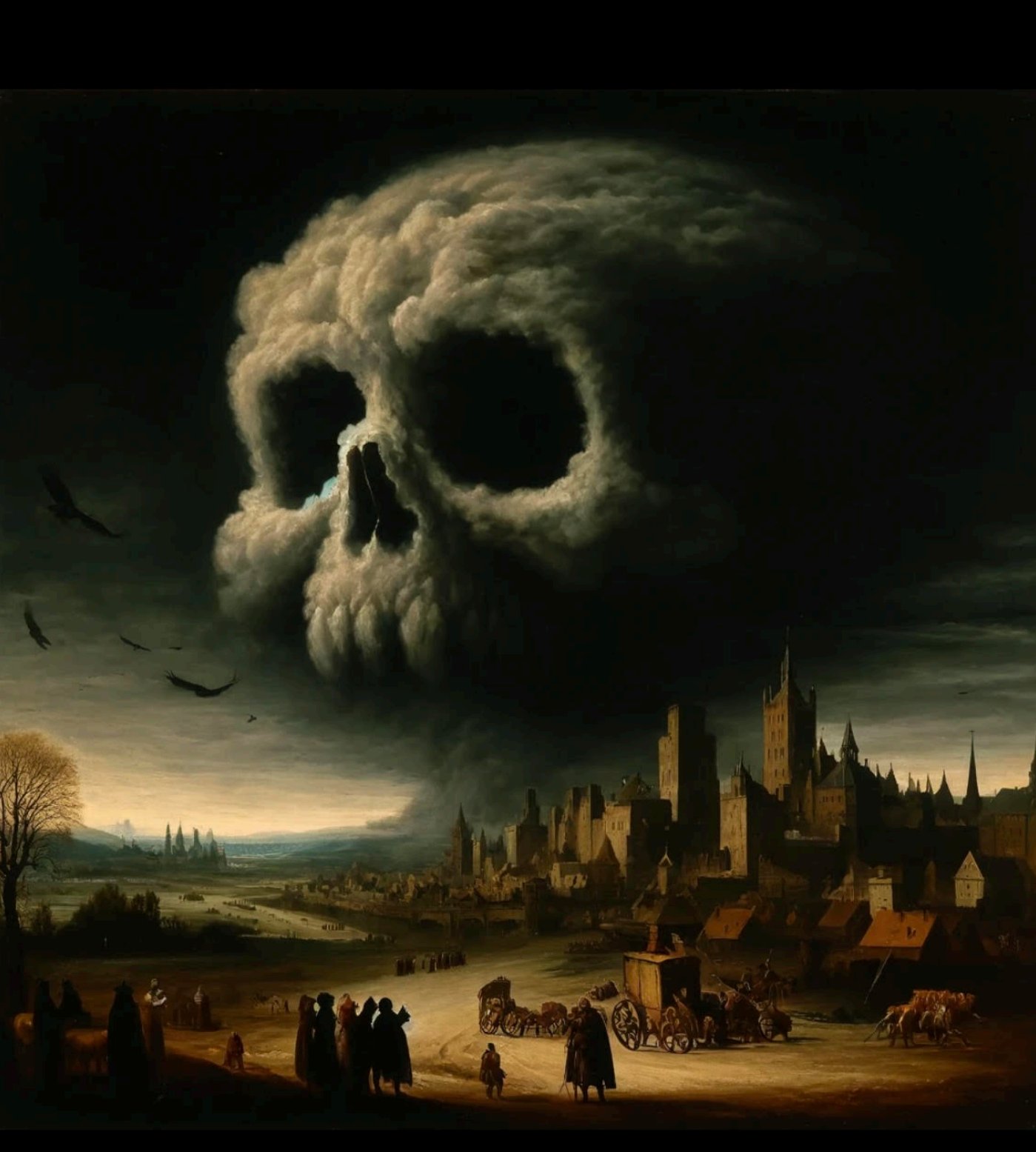
Image AI generated
Public Health and Widespread Disease
The Black Death had a devastating impact on Europe, significantly reducing its population and exposing the era’s poor sanitation practices. Limited medical knowledge fueled widespread misconceptions about disease and health. During this time, hygiene was often neglected in favor of herbal remedies, amulets, and spiritual protections. Despite the urgent need for cleanliness, soap was not commonly used to prevent illness, as its hygienic properties were not yet understood or recognized.
Soap-Making and Hygiene Advancements in the Middle Ages
Soap-Making in Medieval Europe
During the Early Middle Ages, soap-making was a small-scale craft performed by local artisans and apothecaries. These early soap-makers used animal fats and wood ash to create a soft, grayish soap that lacked refinement and fragrance. Soap was considered a luxury product, primarily used by the wealthy for laundering clothes and in bathhouses, where it served as a valuable hygiene aid.
Influence of Islamic and Mediterranean Soap-Making
During the Middle Ages, the Islamic world emerged as a leader in advanced soap-making, crafting high-quality, scented solid soaps. This expertise spread to Mediterranean regions such as Spain and Italy, where olive oil-based soaps became synonymous with quality. Castile soap, a notable product of this tradition, exemplifies the impact of Islamic practices on European soap-making. By the late Middle Ages, these techniques had begun to spread across Europe, laying the foundation for the modern soap industry.
Cultural Preservation of Hygiene Practices
Survival of Hygiene Practices in Specific Regions
While hygiene practices in Europe diminished after the fall of Rome, other parts of the world maintained or even advanced their bathing traditions. Japan, with its deep-rooted bathing culture, continued to prioritize cleanliness, with significant sites like the Dōgo Onsen hot spring in Matsuyama demonstrating the cultural importance of ritualized bathing. Similarly, Iceland made innovative use of its geothermal resources, developing communal bathing traditions centered around natural hot springs, which became essential for both hygiene and social connection. These regions not only preserved hygiene practices but also adapted creatively to local resources, in contrast to Europe’s struggle to maintain the Roman bathing legacy.
Galen’s Contribution to Soap Use
Galen (129–c. 216 AD) was a prominent Greek physician, surgeon, and philosopher who resided primarily in Pergamon (modern-day Turkey) and later in Rome, where he became a court physician to Emperor Marcus Aurelius. Galen made significant contributions to medicine, anatomy, and pharmacology. In his writings, he advocated for the use of soap for both hygiene and medical purposes, describing soaps made from animal fats and plant ash, sometimes enriched with aromatics, as effective treatments for skin ailments and vital tools for maintaining hygiene. His promotion of soap bridged the gap between practical cleaning and medical care, transforming soap from a basic necessity into a key component of health practices. Galen’s insights laid the groundwork for soap’s growing significance in both daily life and medical treatments.
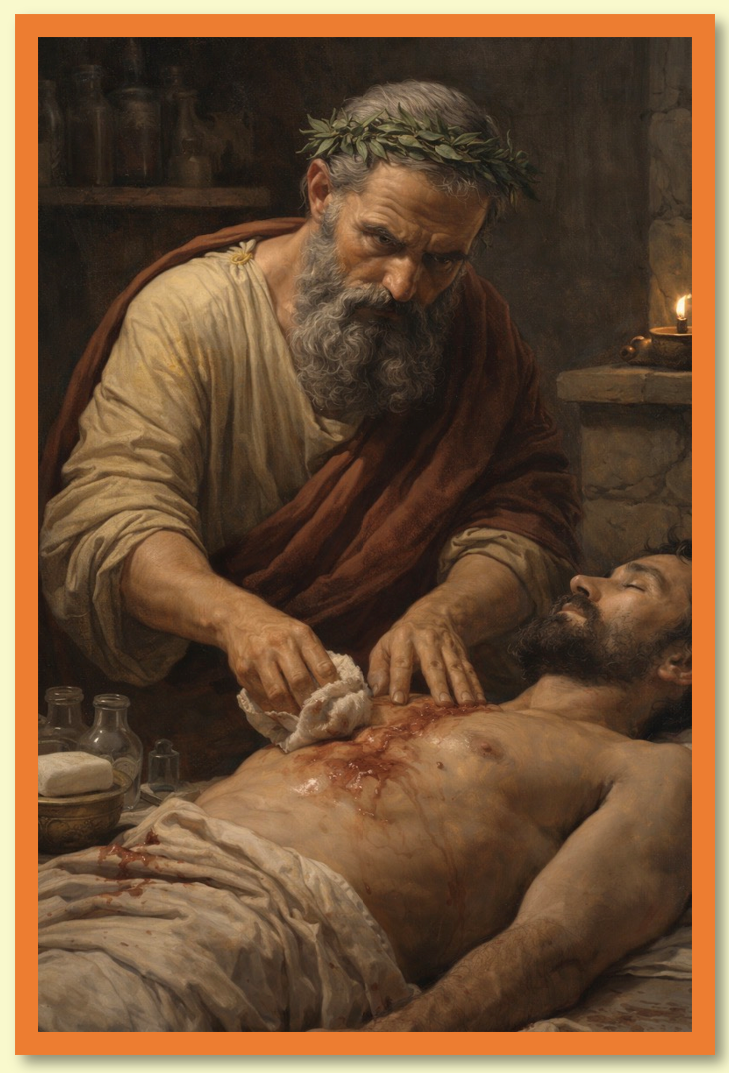
Image AI generated
Conclusion
The history of soap and hygiene is a complex tapestry woven with cultural influences, technological advancements, and societal changes. While Europe faced a decline in hygiene practices after the fall of Rome, regions like the Islamic world, Japan, and Iceland continued to uphold and refine their traditions. The contributions of figures like Galen further solidified the role of soap in both health and cleanliness, setting the stage for the eventual reemergence of modern hygiene practices. Ultimately, the resilience of these diverse global traditions underscores the importance of adapting to environmental and cultural contexts, ensuring that the legacy of cleanliness continues to evolve across the world.
Educational & Informational Disclaimer
The information provided on this website is for educational and informational purposes only. It is intended to share general knowledge about traditional soapmaking, ingredient behavior, historical context, and manufacturing processes.
Nothing on this site is intended to diagnose, treat, cure, or prevent any disease or medical condition. The products offered are classified as soap under FDA guidelines and are not intended to affect the structure or function of the skin or body. Individual experiences and preferences may vary.
Information presented here should not be considered a substitute for professional medical advice, diagnosis, or treatment. If you have a medical condition, skin concern, or sensitivity, please consult a qualified healthcare professional before using any product.
This website may reference or link to third-party scientific, technical, or educational resources for general learning purposes. These references are provided to support transparency and encourage independent research, not as endorsements or medical guidance.
Click here to read the full disclaimer.
Contact me:
Text:
(479) 651-2760
I typically respond to texts almost immediately unless I’m in the middle of making soap.
As soon as I reach a stopping point, I’ll be sure to check and reply.
I check my email daily and will get back to you as soon as possible.