
The Late Middle Ages and the Evolution of Soap
Overview of Soap in the Late Middle Ages
Soap in the Late Middle Ages
The Late Middle Ages (roughly the 13th to 15th centuries) marked a period of significant transformation in soap-making. While Spain continued to dominate soap production with its prized Castile soap—crafted exclusively from 100% olive oil—other regions in Europe, such as Italy and France, began to experiment with their own soap-making techniques. These efforts introduced new ingredients and methods, gradually diversifying the craft.
This era of experimentation and regional innovation laid the foundation for the sophisticated soaps that would emerge in the Early Modern Period. Although still influenced by the simplicity and purity of Castile soap, these evolving practices hinted at a broader European shift toward more complex formulations and specialized soap products.
Regional Developments in Soap-Making
The Emergence of Soap in Italy and France
During the Late Middle Ages, Italy and France began to establish themselves as notable soap-producing regions, each developing distinct practices and characteristics.
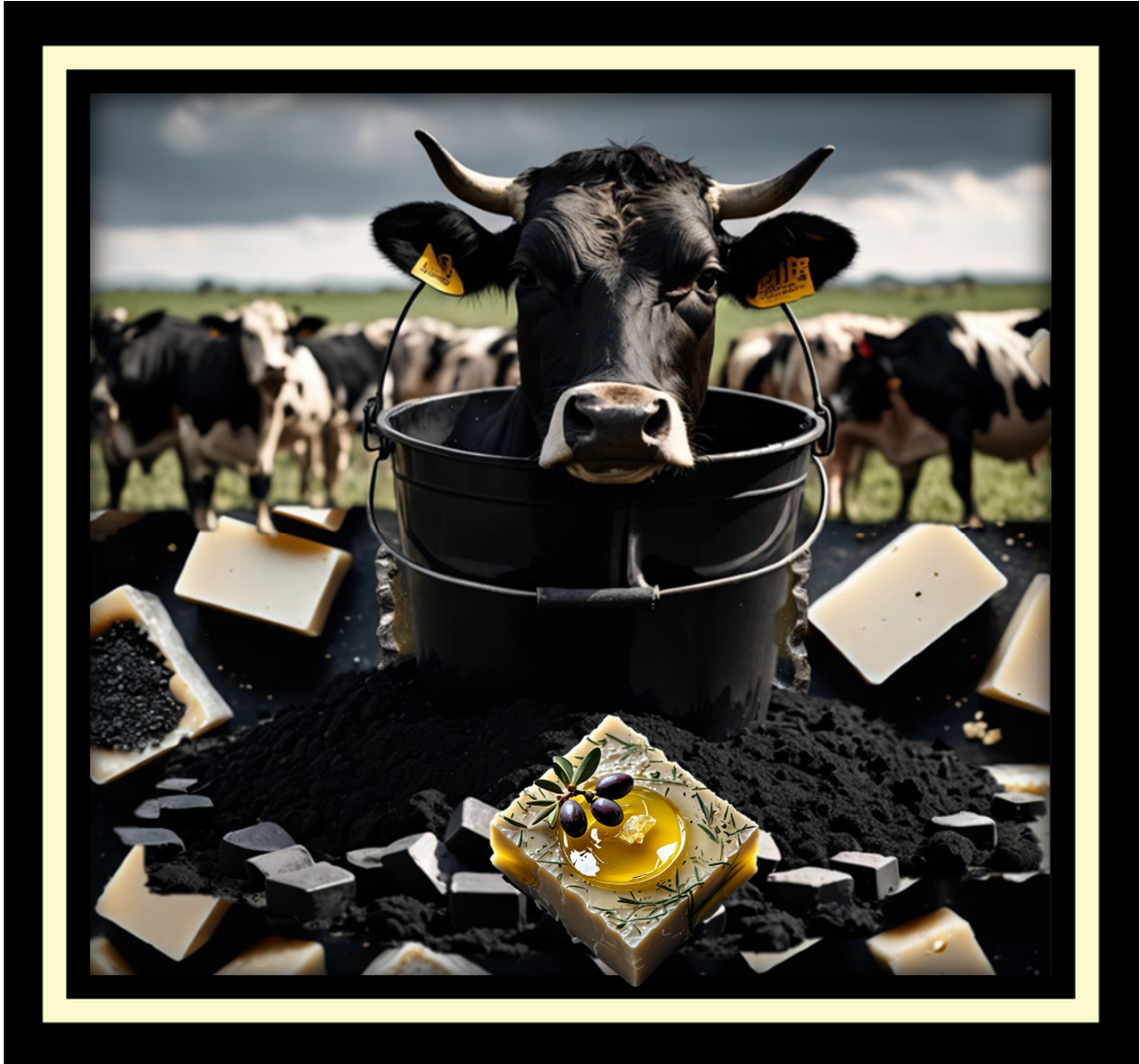
Image AI generated
Tallow (cow fat), Olive oil, and ash used to make soap
Soap Production in Italy
In Italy, particularly in Naples, soap-making emerged as a regional craft. Soaps were typically made using a blend of olive oil, tallow (animal fat), and ash, marking a transition from purely utilitarian soap to products increasingly used for personal hygiene and laundering among wealthier social classes. While the methods remained rudimentary compared to later innovations, they represented an important step toward more sophisticated soap-making techniques that would develop in the following centuries.
Early Soap-Making in France
In contrast, soap-making in France during the Late Middle Ages was less developed. Production predominantly relied on animal fats, which were more accessible than olive oil. These early French soaps were functional but lacked the refinement of later olive oil-based varieties. It wasn’t until the 17th century, with the establishment of soap-making guilds and regulations, that French soap production gained prominence. The famed Savon de Marseille, made primarily from olive oil and sea salt, emerged during this time as a hallmark of quality.

Image AI generated
The Road to Innovation
The 18th and 19th centuries marked a turning point for both Italy and France as their soap industries matured. Marseille became synonymous with high-quality olive oil-based soaps, while Italy refined its techniques by drawing from Mediterranean traditions and establishing its unique soap-making identity. These advancements helped solidify both countries as leaders in the global soap-making industry.
Economic and Social Influences on Soap
The Impact of Taxation on Soap Production
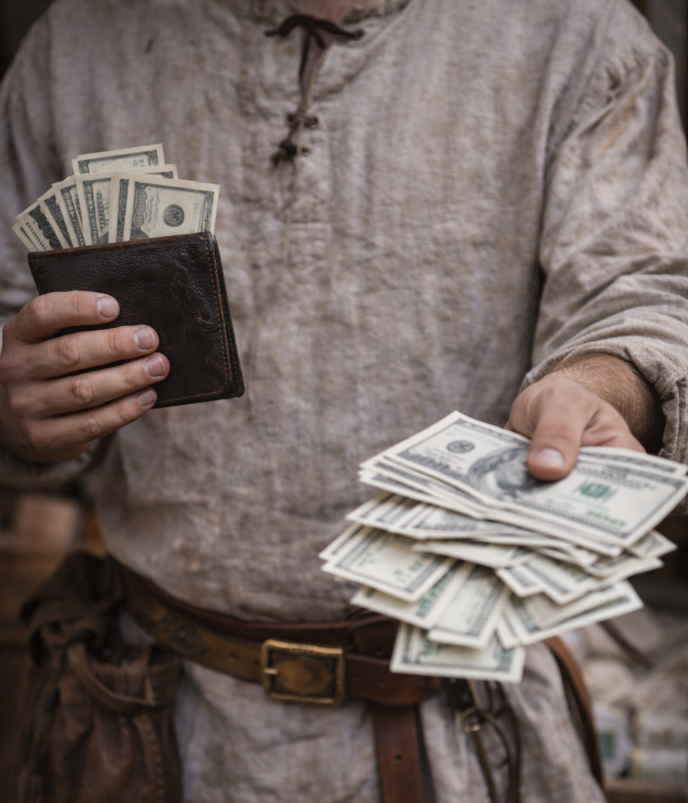
Image AI generated
The Rise of Soap Taxation
During the Late Middle Ages, one of the most significant factors influencing soap production was the rise of taxation. By the 13th and 14th centuries, European monarchies began imposing taxes on various goods, including soap. This was driven by the increasing demand for soap in urban areas and its status as a luxury product. Monarchs recognized soap’s growing popularity among wealthier classes and saw an opportunity to generate revenue by taxing such desirable items.

Image AI generated
France and the Gabelle
In France, soap taxation was particularly impactful, with a specific tax known as the “gabelle” imposed on soap production. This tax added a financial burden for soap makers, who already faced high costs for ingredients and labor. Uneven tax rates across regions further exacerbated the challenges, making it difficult for smaller producers to compete with larger operations.
Effects on Accessibility and Perception
The taxation of soap led to a rise in its price, making it less accessible to the general population.

Images from Shutterstock
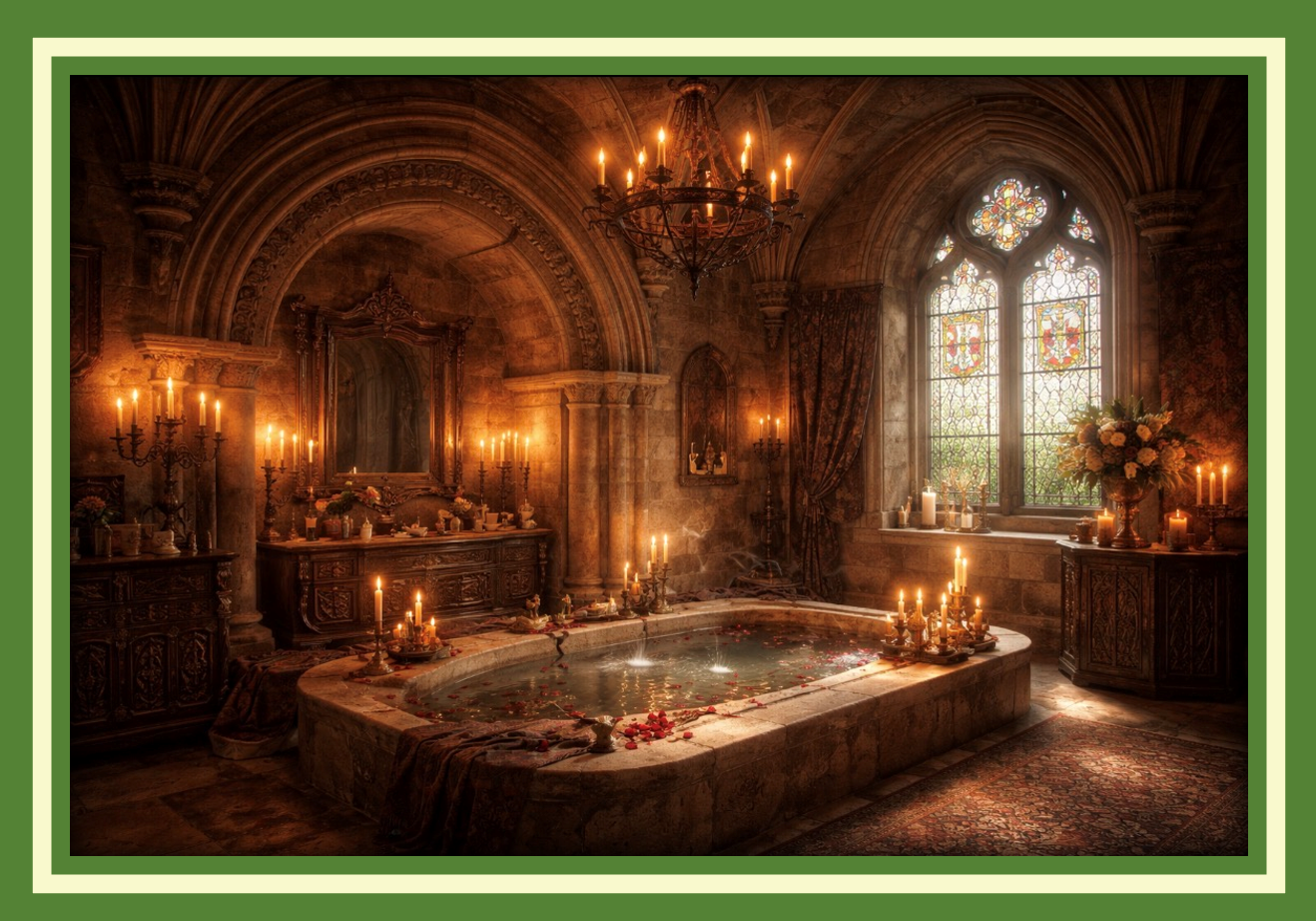
Image AI generated
Consequently, soap maintained its reputation as a luxury item, primarily used by the wealthy or for laundering expensive clothing and linens. Despite its high cost, soap’s popularity among the elite remained undiminished, as it was increasingly valued for personal hygiene and its association with status and refinement.
This period underscored the tension between soap’s role as an essential commodity and its perception as a luxury, a dynamic shaped heavily by economic and political factors.
Advances in Soap-Making Techniques
Guilds and Quality Control
As soap production expanded in regions like France and Italy during the Late Middle Ages, guilds began to form to regulate and standardize the craft. These guilds, composed of artisans and tradesmen, were established to protect the interests of soap makers and ensure the quality of their products. They set strict rules regarding the ingredients used in soap-making, as well as regulating prices and the distribution of soap within local markets.
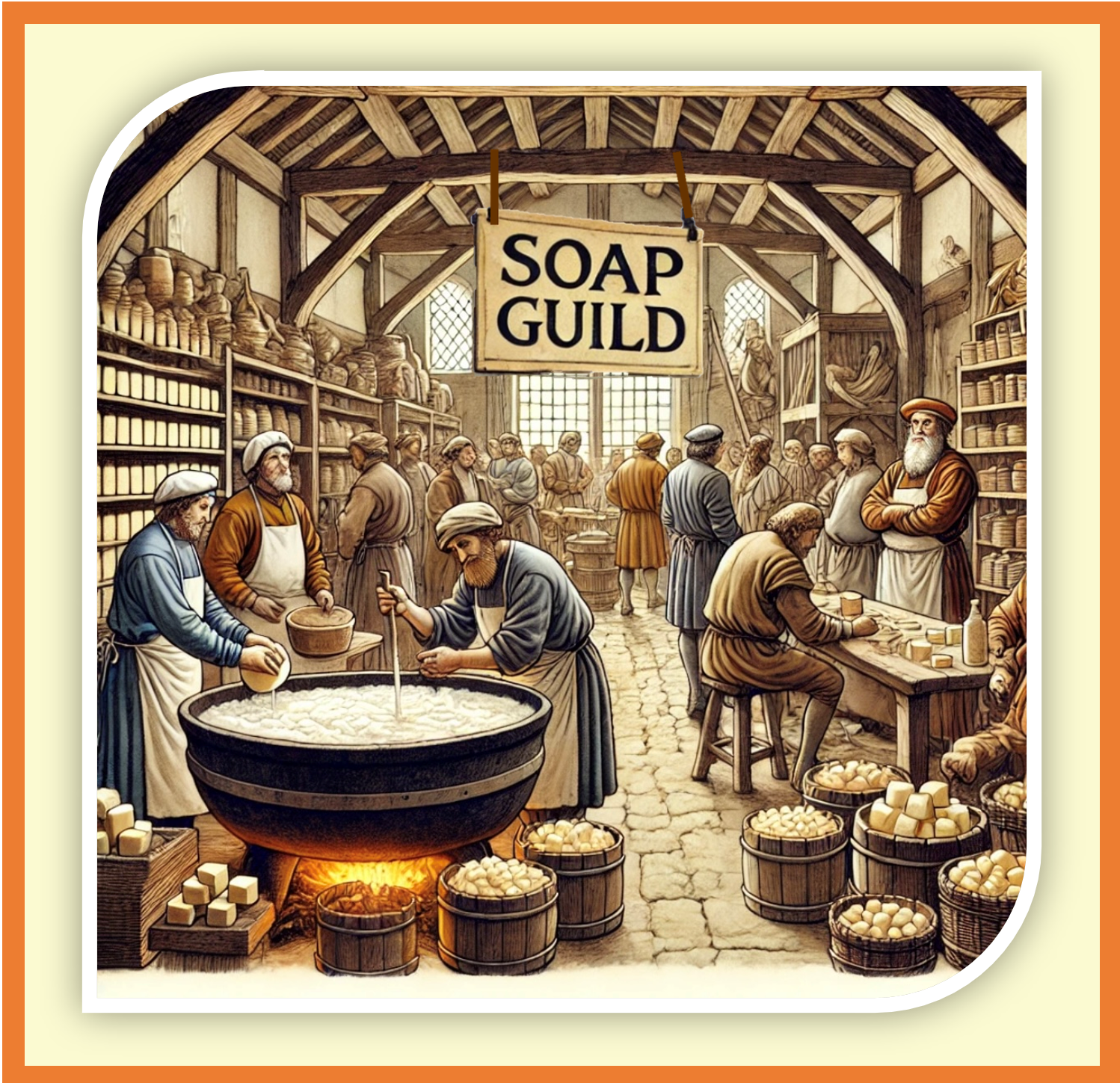
Image AI generated
Guilds and Standards
The guilds exercised significant control over the quality of soap, ensuring that it met established standards. However, it would take several more centuries for these guilds to reach the level of power and influence they would eventually hold during the Early Modern Period. While the guild system allowed for some consistency in production, it also meant that soap-making remained largely localized, with the finest soaps—particularly those made with olive oil—still being produced in select regions.
Technical Developments in Soap-Making
Ash and Soda Ash
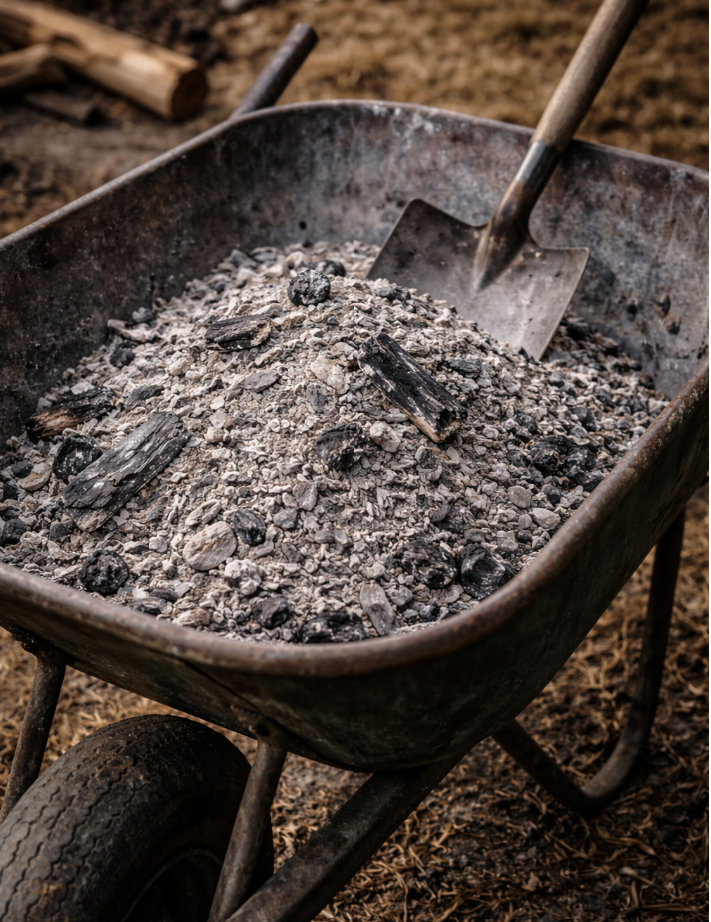
Wood ash from burnt hardwood trees
Image AI generated
During the Late Middle Ages, while soap-making techniques remained relatively basic, several important advancements began to take shape. One of the key developments was the increased experimentation with alkalies derived from various sources. Soap-makers began using wood ash, a byproduct of burning hardwood trees, as well as soda ash (sodium carbonate), often processed from trona. These substances served as essential components in the saponification process, the chemical reaction that turns fats or oils into soap. The introduction of different alkali sources helped improve the consistency and effectiveness of soap, although the process remained highly labor-intensive.
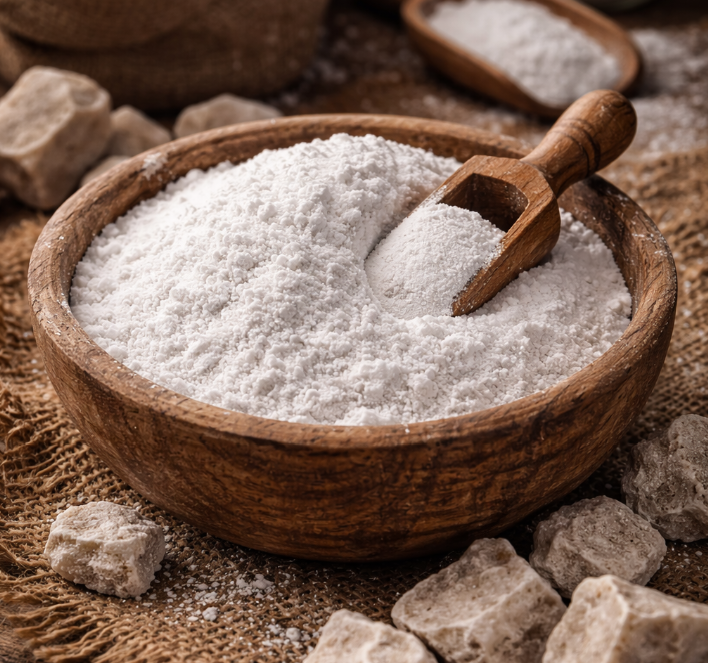
Soda Ash /Sodium Carbonate processed Trona
Image AI generated
Experimentation with Fragrances
In this period, there was also some experimentation with scenting soaps, though it was not as refined as it would become in later centuries. While most soaps were unscented or only faintly fragrant, soap-makers occasionally added herbs and flowers to enhance their aroma. However, the practice of scenting soap remained limited, with most soaps primarily valued for their cleaning abilities rather than their fragrances.
The Role of Soap in Society
In the Late Middle Ages, soap’s primary use was for laundering, rather than personal hygiene. While bathing with soap was beginning to gain popularity among the elite, soap’s main application was still in cleaning delicate fabrics like linen, wool, and silk. These fabrics, especially those used by the wealthy, required specialized care to preserve their quality. Soap became a vital tool for cleaning linens, undergarments, and even religious vestments, which were often made from fine materials.
Soap also found medicinal applications, with some medieval texts noting its use in treating skin ailments or for general body cleansing. However, its role as a hygiene product was not widespread, especially among lower classes. In urban areas, soap began to be traded in local markets and sold in specialized shops, though its high cost meant it remained largely out of reach for the general population.
Conclusion
In the Late Middle Ages, soap production was still in its early stages in many parts of Europe, particularly in Italy and France. While Spain’s Castile soap, made entirely from olive oil, remained the gold standard, other regions were experimenting with various fats and techniques. Taxation, particularly in France, significantly impacted the soap market, elevating its status as a luxury item primarily used by the wealthy. The formation of soap-making guilds helped regulate the craft, ensuring a certain level of quality and standardization. During this period, soap became increasingly important not only for personal hygiene but also for laundering fine clothing. Despite these developments, it wasn’t until the Early Modern Period that soap-making would experience significant industrial growth and refinement.
Educational & Informational Disclaimer
The information provided on this website is for educational and informational purposes only. It is intended to share general knowledge about traditional soapmaking, ingredient behavior, historical context, and manufacturing processes.
Nothing on this site is intended to diagnose, treat, cure, or prevent any disease or medical condition. The products offered are classified as soap under FDA guidelines and are not intended to affect the structure or function of the skin or body. Individual experiences and preferences may vary.
Information presented here should not be considered a substitute for professional medical advice, diagnosis, or treatment. If you have a medical condition, skin concern, or sensitivity, please consult a qualified healthcare professional before using any product.
This website may reference or link to third-party scientific, technical, or educational resources for general learning purposes. These references are provided to support transparency and encourage independent research, not as endorsements or medical guidance.
Click here to read the full disclaimer.
Contact me:
Text:
(479) 651-2760
I typically respond to texts almost immediately unless I’m in the middle of making soap.
As soon as I reach a stopping point, I’ll be sure to check and reply.
I check my email daily and will get back to you as soon as possible.