
The High Middle Ages: The Evolution of Soap-Making Traditions
The Legacy of Castile Soap: Soap Making in the High Middle Ages
Soap Making in the High Middle Ages
During the High Middle Ages (roughly the 11th to 13th centuries), soap production, though still rudimentary, saw important advancements that shaped the soap industry for centuries. One of the most significant developments was the creation of Castile soap, a product of the Castile region of Spain. Made exclusively from 100% olive oil, this soap was prized for its purity, gentleness, and moisturizing properties. Its simple yet effective composition—olive oil, water, and alkali derived from plant ashes—set it apart as a mild soap suitable for all skin types.
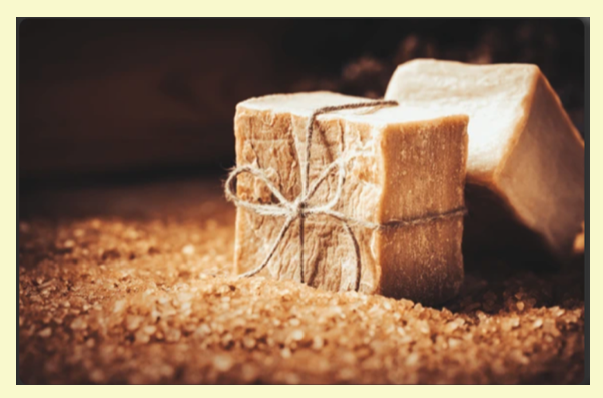
Image from Shutterstock
Castile Soap: The 100% Olive Oil Standard
True Castile soap was defined by its use of only olive oil as the fat component, a standard that Spain maintained for centuries. Unlike other regions where soaps often incorporated animal fats or mixed oils, Castile soap’s olive oil base ensured a product that was less drying and far gentler on the skin.
However, as time passed, Spain, unfortunately, did not preserve the traditional recipe as rigorously as other soap-making cultures, such as those behind Aleppo soap or Marseille soap, who remained committed to their original formulas and ingredients.
A Note on Consumer Awareness
The term “Castile soap” has lost much of its original meaning and is now often used to describe any soap containing some olive oil, regardless of its adherence to the traditional recipe. This widespread misuse has caused considerable confusion among consumers. Many believe that soaps labeled as “Castile” are made exclusively from olive oil, only to find upon checking the ingredients that these products often include a blend of other oils—and sometimes even animal fats. Historically, Castile soap’s distinction lay in its pure olive oil composition and the absence of animal fats, which set it apart from soaps made in nearby regions.
One of my relatives had this exact experience. Thinking she had bought genuine Castile soap, she later found out it contained only a small amount of olive oil—my bad, I couldn’t resist pointing it out to her. Disappointed, she decided to be more diligent about checking ingredient labels before making future purchases, as she has no interest in buying a product labeled “Castile” when it isn’t the authentic Castile she believed it to be.
Bastille Soap: A “Bastardized” Alternative
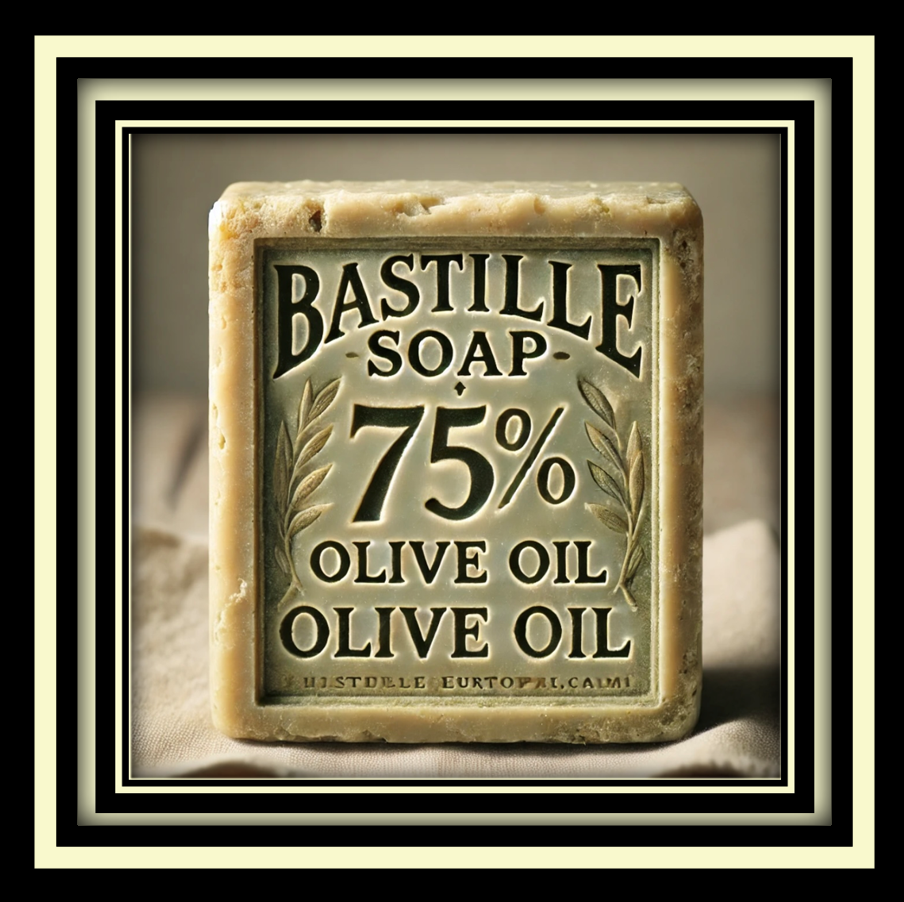
Adding to the confusion is the emergence of Bastille soap, a term some use humorously to refer to “bastardized” versions of Castile soap containing at least 75% olive oil but supplemented with other oils. Interestingly, Bastille soap actually contains much more olive oil than most soaps marketed as “pure Castile soap.” While Bastille soap can be a high-quality product in its own right, it is still a departure from the historical legacy of true Castile soap.
The decline in Spain’s adherence to its soap-making heritage contrasts starkly with the traditions of Aleppo soap makers, who continue to produce their product according to centuries-old methods. Aleppo soap retains its authenticity, with no substitutions or deviations allowed—a consistency that has preserved its legacy and distinguished it from modern interpretations of Castile soap.
A Note on Consumer Awareness
This shift in terminology underscores the importance of ingredient transparency in today’s market. For those seeking genuine soap with historical integrity, reading the ingredient list is essential. Names alone can be misleading, as not every product labeled as Castile soap meets the purity and quality standards established during the High Middle Ages.
Soap-Making Beyond Castile
Soap Making in Other Regions
During the High Middle Ages, soap-making practices in regions like Italy and France were less advanced compared to their later developments. It wasn’t until the Early Modern Period (16th to 18th centuries) that these regions became renowned centers for soap production. France’s Marseille soap and Italy’s Naples soap emerged as iconic examples of this evolution.
While often incorporating olive oil as a primary ingredient, these soaps also began to include other fats and oils, such as palm and coconut oil, resulting in more complex formulations than the simple, pure Castile soap of Spain.
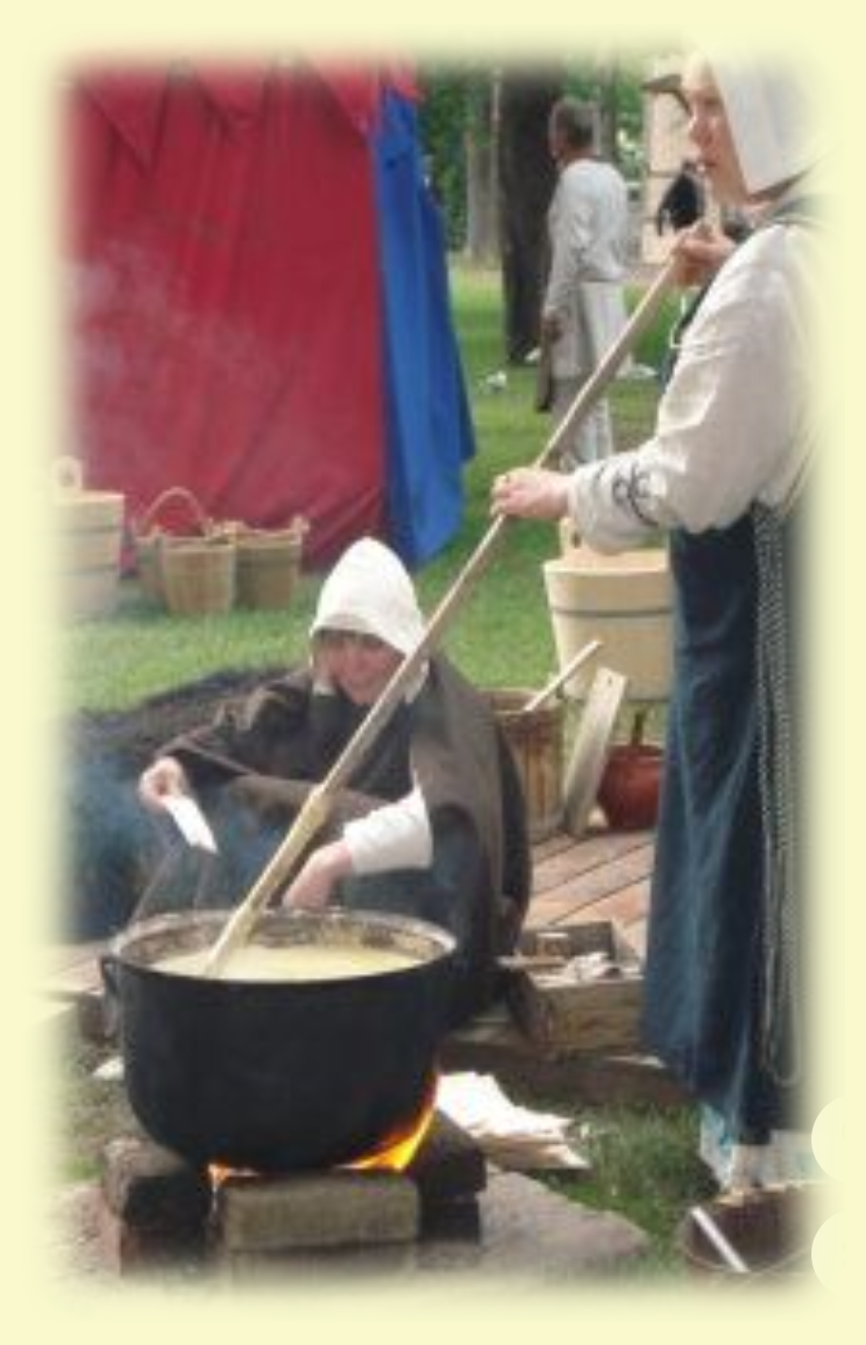
Image from Pintrest
Guilds and Advancements in Soap Making
The organization of soap-making guilds and the formal regulation of trade practices didn’t take shape until the Early Modern Period, following the High Middle Ages. By the 14th and 15th centuries, guilds in cities across Europe, particularly in Italy, France, and England, began to oversee the soap-making trade.
These guilds established quality standards and ensured that soap was produced using proper methods and ingredients. In contrast, soap production during the High Middle Ages remained a predominantly artisanal practice, carried out by small-scale producers working independently or in modest workshops.
Hygiene and Innovation
The Rise of Specialized Soap for Household and Hygiene Use
Soap in the High Middle Ages was primarily a practical commodity, used mainly for cleaning and laundering purposes. Personal hygiene use was limited, typically reserved for the wealthier classes. However, this period saw the early stages of experimentation that laid the groundwork for the soap industry’s later diversification. Soap makers began adding ingredients like herbs, flowers, and even animal fats to create products with varied purposes. These innovations hinted at the potential for specialization and led to the development of scented, medicinal, and other specialized soaps during the Early Modern Period..
Conclusion
While the High Middle Ages saw the creation of the 100% olive oil Castile soap, the true tradition behind Castile was lost during the centuries that followed. Today’s modern “Castile” soaps often fail to meet the standards set by the original Castile soap of the High Middle Ages. The history of soap-making in the High Middle Ages laid the foundation for the much more refined and industrialized soap production that would follow in the Early Modern Period. From the original 100% olive oil Castile soap to the use of olive oil in more complex soaps across Italy, Spain, and France, soap-making was an art that continued to evolve throughout history
Educational & Informational Disclaimer
The information provided on this website is for educational and informational purposes only. It is intended to share general knowledge about traditional soapmaking, ingredient behavior, historical context, and manufacturing processes.
Nothing on this site is intended to diagnose, treat, cure, or prevent any disease or medical condition. The products offered are classified as soap under FDA guidelines and are not intended to affect the structure or function of the skin or body. Individual experiences and preferences may vary.
Information presented here should not be considered a substitute for professional medical advice, diagnosis, or treatment. If you have a medical condition, skin concern, or sensitivity, please consult a qualified healthcare professional before using any product.
This website may reference or link to third-party scientific, technical, or educational resources for general learning purposes. These references are provided to support transparency and encourage independent research, not as endorsements or medical guidance.
Click here to read the full disclaimer.
Contact me:
Text:
(479) 651-2760
I typically respond to texts almost immediately unless I’m in the middle of making soap.
As soon as I reach a stopping point, I’ll be sure to check and reply.
I check my email daily and will get back to you as soon as possible.