
understanding Beard growth, Stages, and Care
Beard Growth and Care: Understanding the Basics
The Complexity of Beard Hair
Beard growth goes beyond simple stages; it’s a fascinating process that involves much more than meets the eye. While we can’t see the microscopic activity happening under the skin, we can learn about the anatomy of facial hair and how follicles interact with various factors to promote growth. I’ve included images that provide unique glimpses into the complex structure of your beard—visual aids that bring these details to life. Healthy skin is the foundation of a thriving beard. Just like a house built on a weak foundation will have problems, neglecting the skin beneath your beard can lead to various challenges.
What to Expect During Beard Growth
If you’ve grown a beard before, you likely know what to expect. But for first-timers, it’s important to understand that growing a well-maintained beard requires time and patience. This section covers everything from dealing with stubble to managing beard itch and beardruff, offering tips on maintaining a comfortable and well-groomed beard.
Stages of Beard Growth
Stage 1: Stubble (Day 0 to Week 1)
The beard journey begins! You’ll notice stubble growing in as early as the first day. The speed at which it appears varies from person to person, and this largely depends on genetics, testosterone, and DHT (a testosterone byproduct).
Sebaceous glands, which surround each hair follicle, release sebum—a natural oil that lubricates and waterproofs both your skin and hair. In the early days, your sebaceous glands can usually keep up with the demands of your growing whiskers. However, as your beard grows, the hairs absorb more sebum, leaving your skin potentially dry.
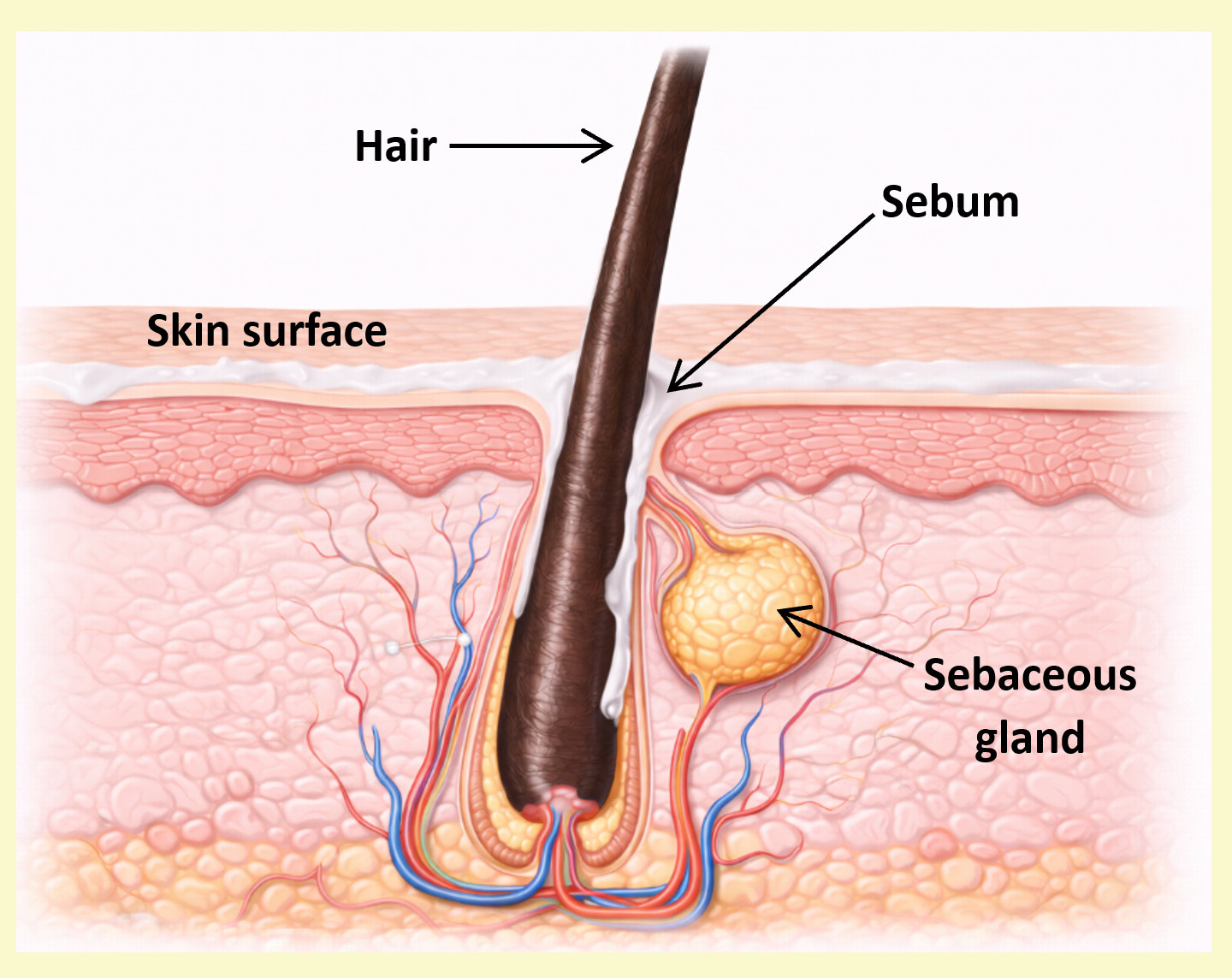
Image AI-generated
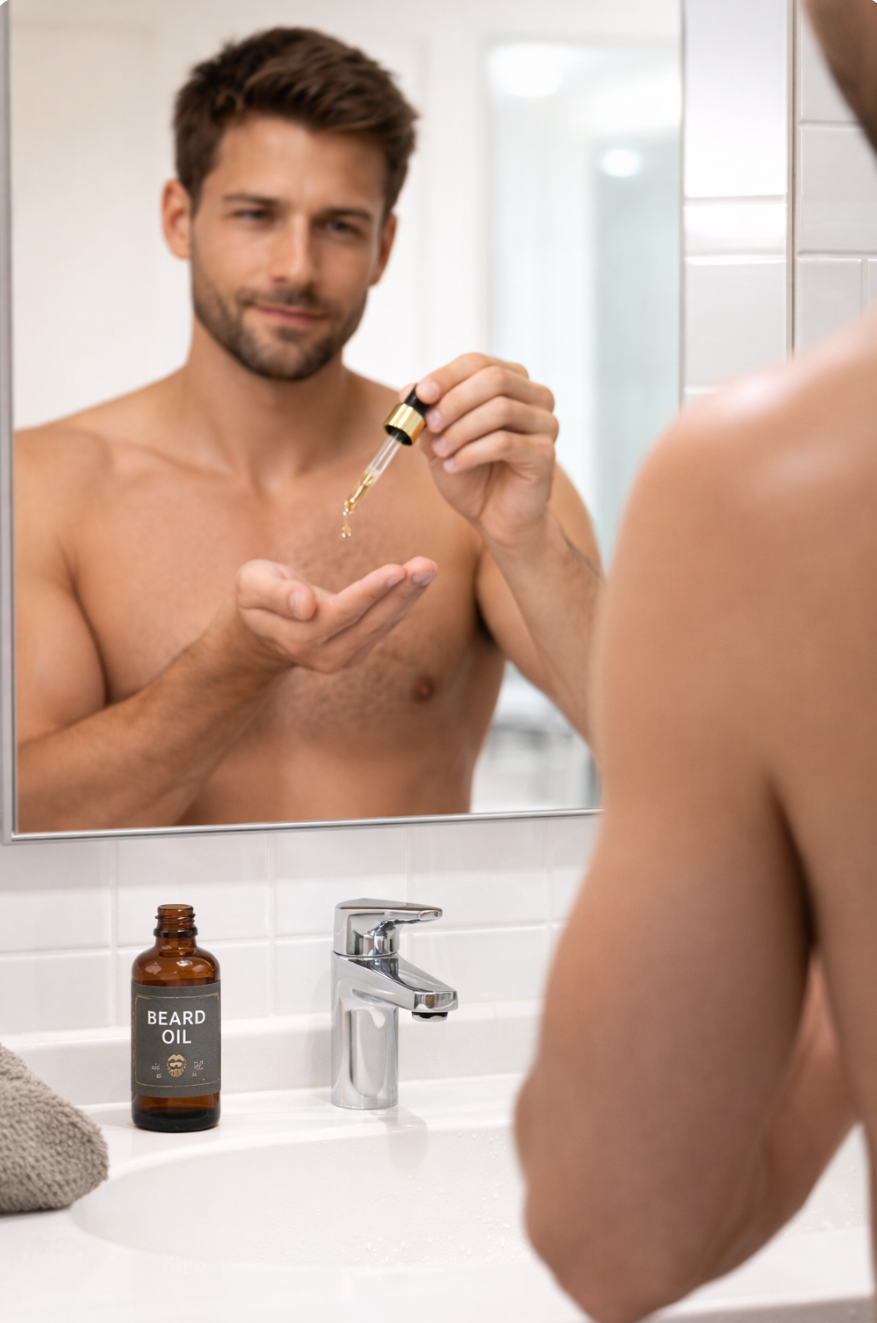
Image AI-generated
This is where beard oil comes in! A couple of drops of quality beard oil daily can help alleviate dryness, itching, and flaking. Plus, most beard oils are non-comedogenic, meaning they won’t clog pores, but always patch test to be sure.
Stage 2: Beard Itch & Beardruff (Week 2–3)
By now, you’ve likely seen your stubble turn into a fuller layer of facial hair. This is when beard itch and beardruff (dandruff from the beard) can start. This happens when sebum production can’t keep up with the growing beard. Often, this stage is when men might be tempted to shave off the growth due to the uncomfortable itch and potential flaking. Use beard oil regularly to help manage dryness and maintain a soft, manageable beard. Beard oil can help relieve discomfort and soothe the skin beneath, promoting healthier beard growth.
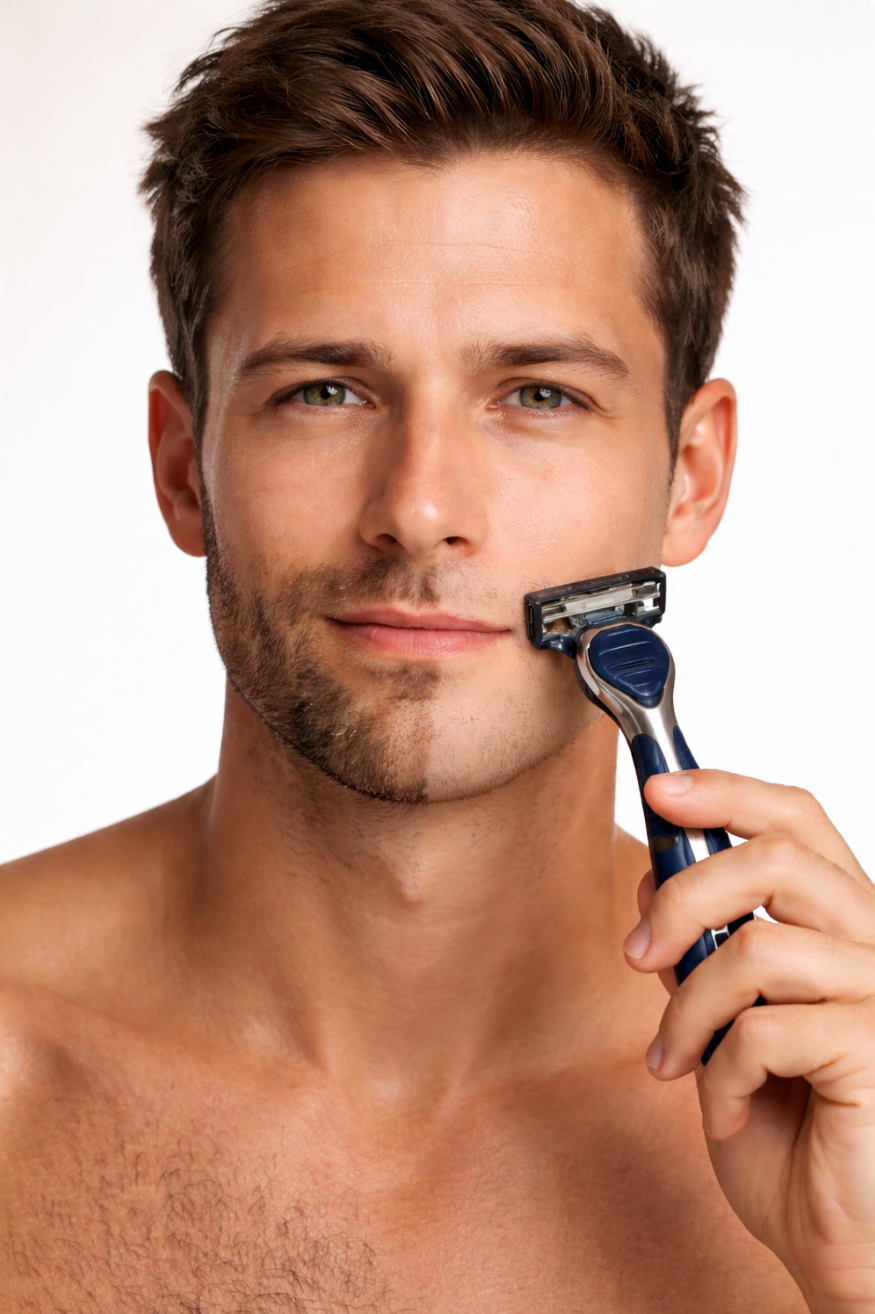
Image AI-generated
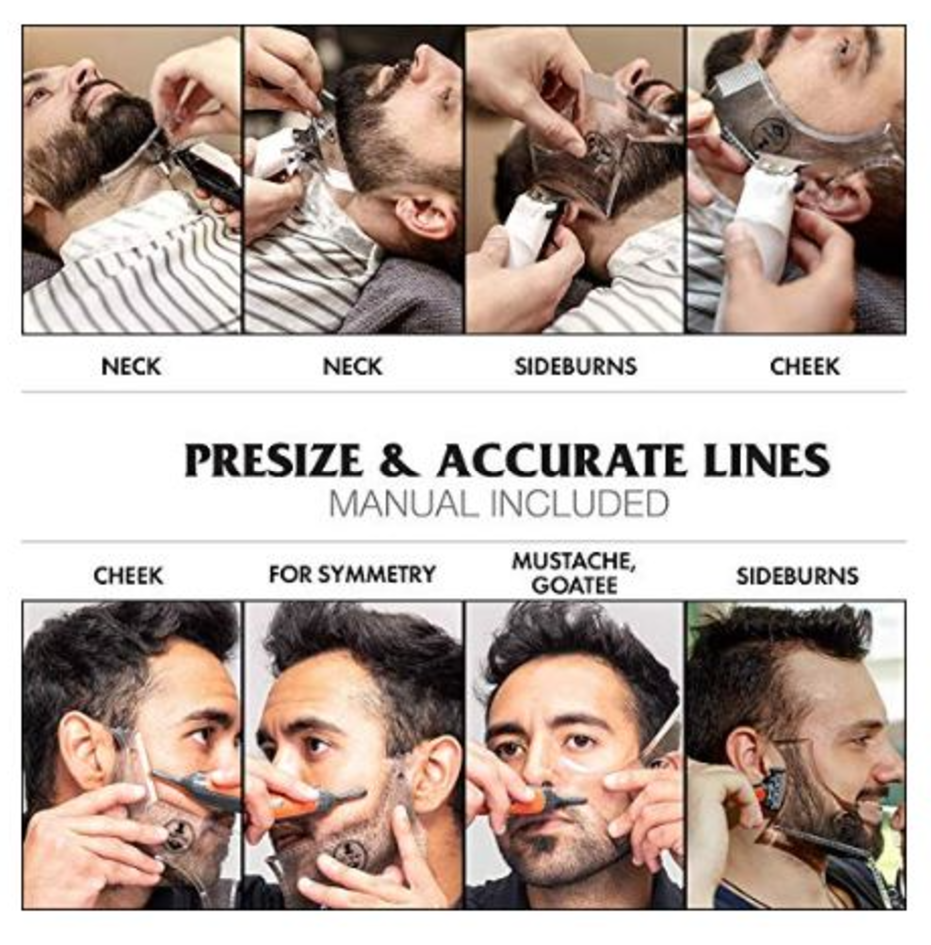
Image from Amazon
Stage 3: Tame the Mane (Week 4–6)
At this stage, your beard should be over an inch long, and it’s time to shape and sculpt. First-time sculptors might consider visiting a barber for their initial shaping. To maintain your beard’s shape, a beard trimmer or shaping tools may be useful.
If you’re sporting a longer beard, mustache care becomes essential. For instance, the hairs above your upper lip can curl into your mouth, so either trimming them back or sculpting them into a defined style is important. Beard balm offers light hold, while mustache wax is great for shaping and offering extra hold.
Stage 4: Maintenance (Week 7–8)
Your beard is now growing fuller! Goodbye to the “awkward in-between” phase, and hello to a more refined look. Regular trimming is key to keeping it neat, and using the right tools, like a trimmer with the correct guard, can help you maintain your beard’s shape. Longer beards need attention, especially the mustache area, where hairs can curl into your mouth.
For mustache care, beard balm offers light to medium hold, while mustache wax is perfect for more control and defined shapes. You can use mustache wax for extra hold, especially if you’re styling a handlebar mustache.
As an informational resource, you may find this site helpful. It offers reviews of 15 different trimmers and provides tips for shaping various beard, mustache, and goatee styles
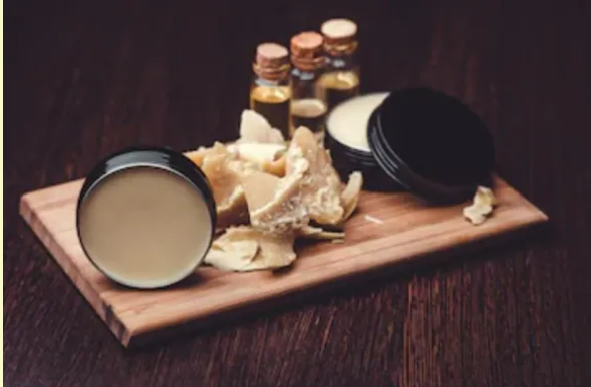
Image AI-generated
Conclusion
Growing a beard takes effort, but the reward is well worth it. Not only do beards offer warmth in colder climates, but they can also provide UV protection and block allergens, making them useful year-round.
A healthy beard depends on how well you care for it—both through proper grooming and nourishing your skin beneath. Whether you have patchy growth or a full beard, the right care can help you achieve a great look.
Tips
If you’re struggling with patchy growth, don’t be discouraged! Patchy beards can be just as striking as full ones, as seen in “30 Spectacular Patchy Beards to Get the Ultimate Look” (here). For mustache enthusiasts, check out styles like the Scruffy Mustache, made iconic by Johnny Depp.
Educational & Informational Disclaimer
The information provided on this website is for educational and informational purposes only. It is intended to share general knowledge about traditional soapmaking, ingredient behavior, historical context, and manufacturing processes.
Nothing on this site is intended to diagnose, treat, cure, or prevent any disease or medical condition. The products offered are classified as soap under FDA guidelines and are not intended to affect the structure or function of the skin or body. Individual experiences and preferences may vary.
Information presented here should not be considered a substitute for professional medical advice, diagnosis, or treatment. If you have a medical condition, skin concern, or sensitivity, please consult a qualified healthcare professional before using any product.
This website may reference or link to third-party scientific, technical, or educational resources for general learning purposes. These references are provided to support transparency and encourage independent research, not as endorsements or medical guidance.
Click here to read the full disclaimer.
Contact me:
Text:
(479) 651-2760
I typically respond to texts almost immediately unless I’m in the middle of making soap.
As soon as I reach a stopping point, I’ll be sure to check and reply.
I check my email daily and will get back to you as soon as possible.