
The Role of Sleep in Beard Growth
Indtroduction
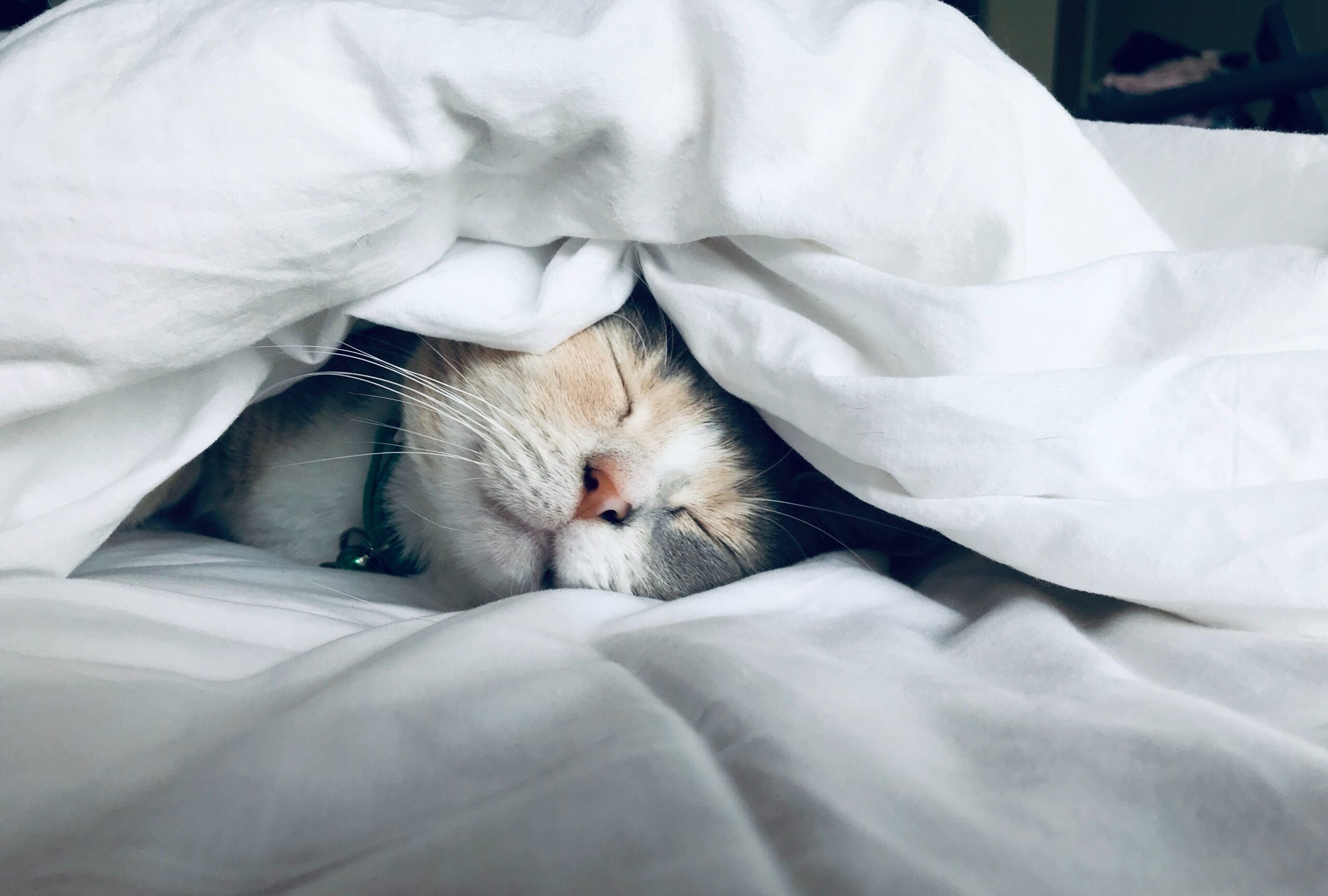
Photo by Kate Stone Matheson on Unsplash
Sleep plays a vital role in the maintenance and growth of your beard. It’s not just about resting your mind—sleep is the body’s time to regenerate, repair, and balance essential hormones that impact every system in the body, including hair growth. When it comes to beard growth, the quality and quantity of your sleep can significantly influence the health of your facial hair.
The Science of Sleep and Testosterone
During sleep, particularly during deep, restorative stages of REM (Rapid Eye Movement) sleep, your body works overtime to repair and regenerate tissues, produce vital hormones, and restore energy levels. Testosterone, the key hormone responsible for beard growth, is produced predominantly during these deeper sleep phases.
Lack of sleep can directly impact testosterone production, which can hinder your beard’s growth. In fact, studies have shown that men who consistently sleep less than five hours a night for just one week can experience a 10-15% decrease in testosterone levels, equivalent to aging 10-15 years. Lower testosterone levels can lead to weaker, thinner facial hair or patchy areas that refuse to fill in. To se imformation form National Library of Medicine click here. Or from the UChicago Medicine click here.
While products can support healthy beard growth and improve the appearance of facial hair, they cannot boost testosterone or DHT levels in individuals who don’t have the genetic makeup for strong beard growth. Genetics and hormonal balance play a critical role in determining the potential for beard growth.
This happens because testosterone stimulates hair follicles to enter the anagen phase of the hair growth cycle, where active growth occurs. Without this critical hormone boost from sleep, hair follicles may struggle to maintain growth.
The Impact of Sleep Deprivation on Hair Follicles and Growth Cycles
Hair growth is a complex process that depends on the cooperation between hormones, blood circulation, and the health of the hair follicles.
- Increased Cortisol Levels: Sleep deprivation can cause an increase in cortisol, the stress hormone. Elevated cortisol levels can lead to inflammation and disrupt the normal function of hair follicles, causing them to enter the telogen phase (resting phase), potentially leading to shedding and delayed new hair production.
- Delayed Tissue Repair: The body uses sleep as a recovery period to repair tissue and promote cell regeneration. Hair follicles rely on this regeneration to remain healthy and continue producing new, strong hair. Without adequate sleep, these processes are impaired, slowing beard growth.
DHT, a byproduct of testosterone, plays a crucial role in hair growth and loss. While DHT promotes facial hair growth in some individuals, it may also contribute to hair loss on the scalp for others, as the sensitivity of hair follicles to DHT varies from person to person.
Sleep and Overall Health
Sleep deprivation is linked to a number of negative health outcomes that can indirectly affect your beard:
- Weakened Immune System: Chronic sleep deprivation may weaken the immune system, making it harder to fight off infections or inflammation that could affect the scalp and face.
- Systemic Health Issues: Poor sleep may contribute to conditions such as insulin resistance, obesity, cardiovascular disease, and decreased immune function, all of which can impact hair health.

Photo by Mert Kahveci on Unsplash
Restorative Sleep and Cellular Repair
During deeper stages of sleep, especially slow-wave sleep (SWS), the body focuses on physical repair:
- Cellular Regeneration: Cells regenerate and tissues heal, ensuring optimal conditions for hair follicle health.
- Skin Health: Restorative processes support the health of the skin under your beard and the follicles themselves.
Additionally, insufficient sleep contributes to increased stress levels, elevating cortisol and disrupting the hair growth cycle. This can exacerbate issues with beard fullness or patchiness.

Photo by Niklas Rhöse on Unsplash
How to Get Better Sleep
- Aim for 7-9 Hours Per Night: Most adults need 7 to 9 hours of quality sleep each night to maintain healthy testosterone levels and support beard growth.
- Create a Relaxing Bedtime Routine: Engage in activities like reading, meditation, or a warm bath before bed to signal to your body that it’s time to wind down.
- Maintain a Consistent Sleep Schedule: Go to bed and wake up at the same time daily, even on weekends, to regulate your circadian rhythm.
- Limit Blue Light Exposure: Avoid screens (phones, computers, TVs) at least 30 minutes before bedtime, as blue light interferes with melatonin production, the hormone responsible for sleep.
Conclusion
Prioritizing restorative sleep allows your body to go through its natural repair processes, creating the optimal conditions for healthy and vibrant beard growth. From maintaining testosterone production to supporting cellular repair, sleep is an essential component of your beard care regimen. By adopting healthy sleep habits, you not only enhance your beard’s growth potential but also promote overall well-being.
Educational & Informational Disclaimer
The information provided on this website is for educational and informational purposes only. It is intended to share general knowledge about traditional soapmaking, ingredient behavior, historical context, and manufacturing processes.
Nothing on this site is intended to diagnose, treat, cure, or prevent any disease or medical condition. The products offered are classified as soap under FDA guidelines and are not intended to affect the structure or function of the skin or body. Individual experiences and preferences may vary.
Information presented here should not be considered a substitute for professional medical advice, diagnosis, or treatment. If you have a medical condition, skin concern, or sensitivity, please consult a qualified healthcare professional before using any product.
This website may reference or link to third-party scientific, technical, or educational resources for general learning purposes. These references are provided to support transparency and encourage independent research, not as endorsements or medical guidance.
Click here to read the full disclaimer.
Contact me:

Text:
(479) 651-2760
I typically respond to texts almost immediately unless I’m in the middle of making soap.
As soon as I reach a stopping point, I’ll be sure to check and reply.
I check my email daily and will get back to you as soon as possible.