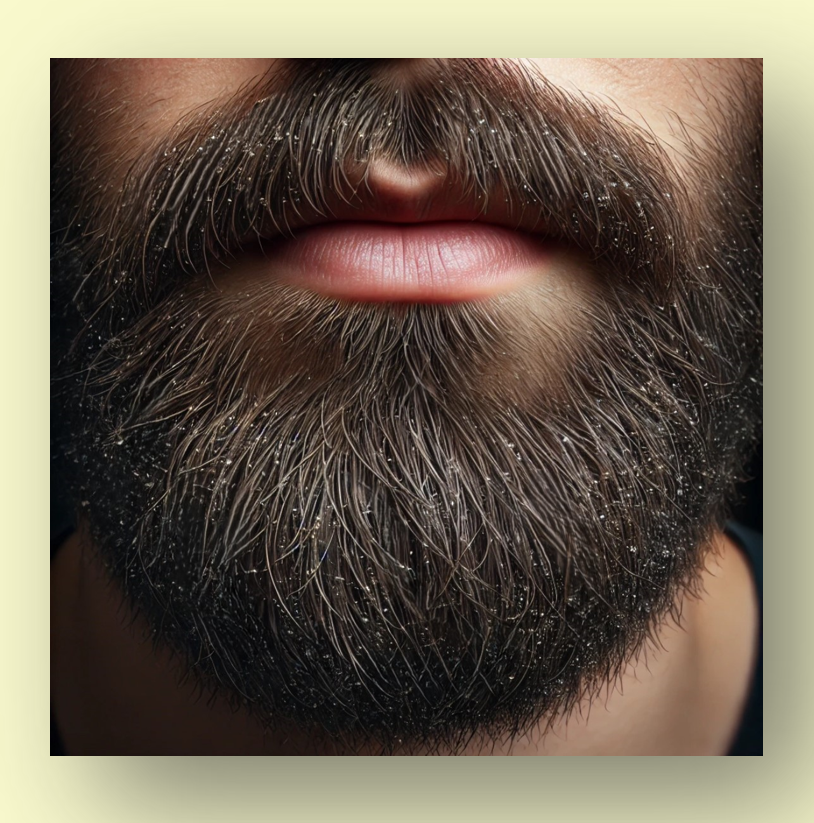
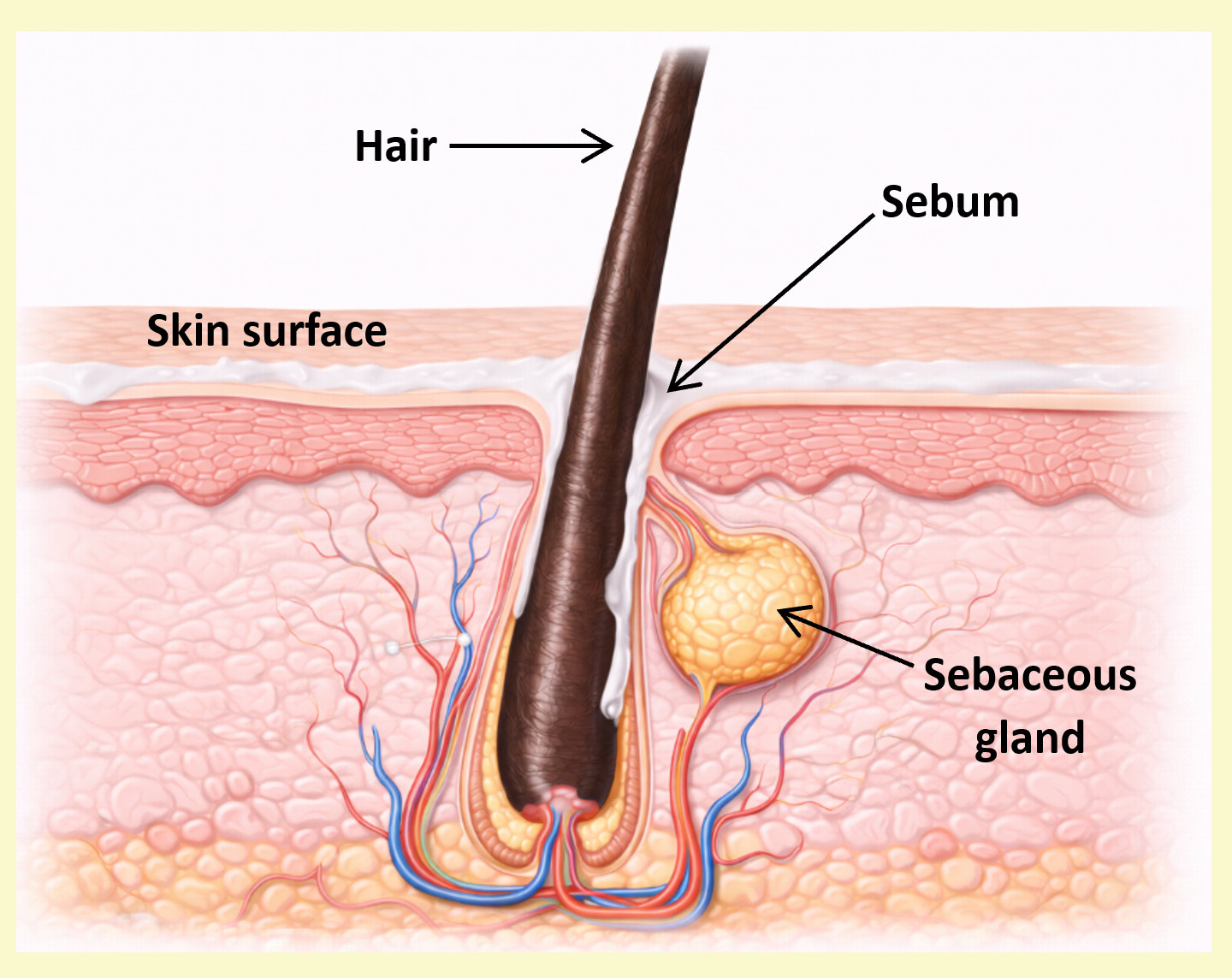
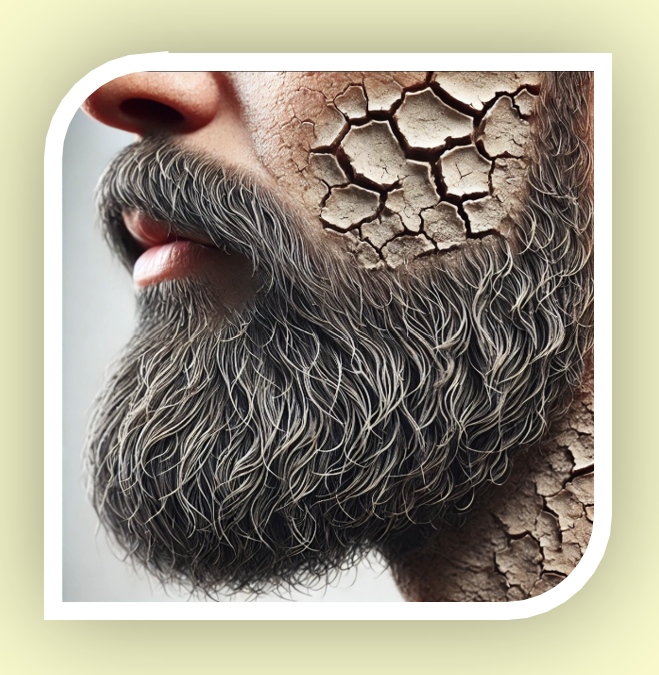
Sebaceous glands beneath your beard produce sebum to hydrate the skin. As your beard thickens, these glands might struggle to supply enough sebum, resulting in dryness and flaking. Cold weather and low humidity can make the situation worse.
Dead Skin Cell Accumulation
Skin naturally sheds dead cells, but when they are trapped beneath your beard, they can accumulate and form flakes.
Fungal Activity and Skin pH Disruption
The fungus Malassezia globosa naturally thrives on sebum and can be associated with skin irritation. Disruptions to the skin’s pH balance may encourage fungal growth, potentially leading to flaking.
Improper Grooming
Using harsh soaps or neglecting beard care can strip natural oils, potentially leading to dryness and irritation.
The Science Behind Beardruff
Sebum Production and Skin Moisture
As your beard grows, sebaceous glands work harder to produce sebum, which can sometimes leave the skin underneath feeling less moisturized.
Image from Shutterstock
Skin Cell Shedding
Image is AI-generated
The epidermis naturally sheds dead skin cells, but when this process speeds up—due to irritation or fungal activity—excess cells may accumulate, potentially causing flakes.
Microbiome and pH Balance
The skin’s slightly acidic pH helps maintain a healthy microbiome. Disruptions to this balance can contribute to fungal overgrowth and irritation.
Moisture Barrier Function
The outermost layer of skin, the stratum corneum, plays a role in maintaining moisture. If this barrier is compromised, it may lead to dryness and flaking.
How to Manage and Prevent Beardruff
Use Gentle Beard Wash
Choose a beard-specific cleanser to avoid stripping natural oils. Skip shampoos or soaps with harsh sulfates.
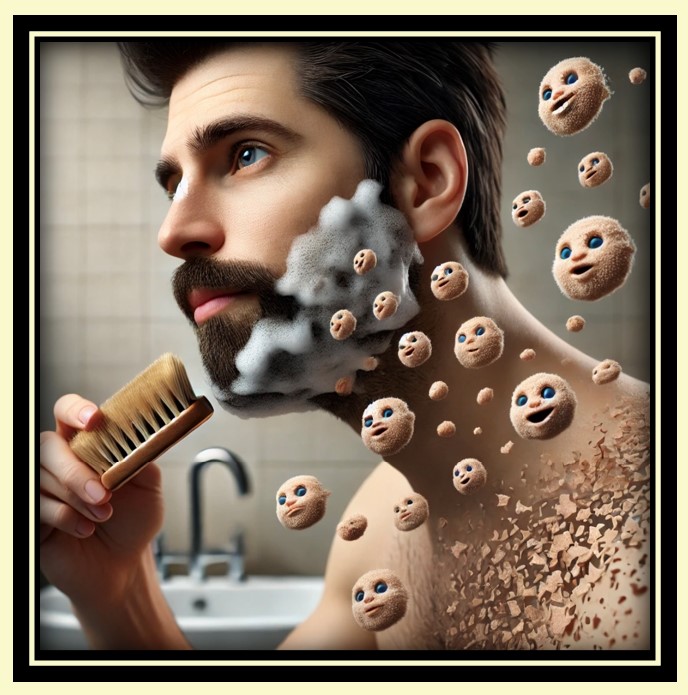
Image is AI-generated
Exfoliate Beneath Your Beard
Gently exfoliate beneath your beard using a soft-bristle brush or a facial scrub to help remove dead skin cells and prevent buildup.
Hydrate and Moisturize
Apply beard oil daily to help replenish moisture. Oils like jojoba, argan, and marula can mimic sebum and provide lasting hydration.
Combat Fungal Growth
If fungal irritation is suspected, consider using products with natural ingredients like tea tree or neem oil to help soothe the skin.
Condition Your Beard
Use a beard balm or butter to help lock in moisture and keep your beard hair soft and manageable. Ingredients like shea butter, illipe butter, and sal butter are known for their hydrating properties.
Avoid Hot Water
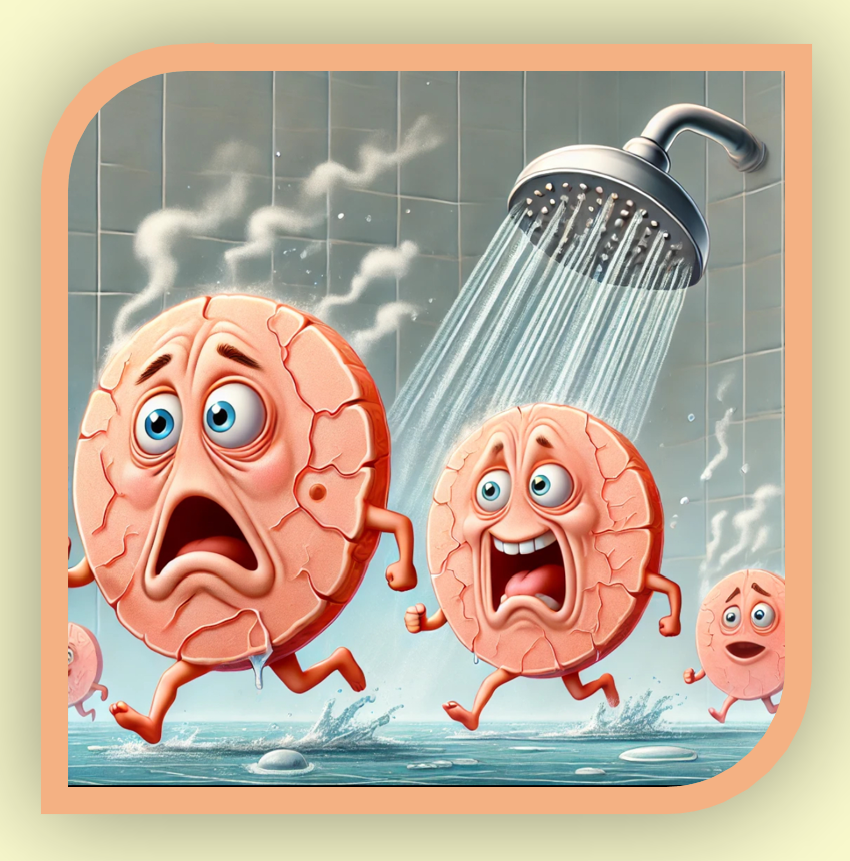
Wash your face and beard with lukewarm water to help preserve natural oils and prevent further dryness.
Image is AI-generated
Support Healthy Skin and Hair Through Diet
Eat a balanced diet rich in omega-3 fatty acids, zinc, and biotin to support the overall health of your skin and hair, which may help reduce flaking.
Beardruff vs. Other Conditions
Beardruff is commonly caused by dryness or fungal activity, but persistent or severe flaking may be related to other conditions such as::
Seborrheic Dermatitis: Caused by yeast overgrowth, leading to redness and thick, yellowish flakes.
Psoriasis: An autoimmune condition where skin cells build up rapidly, forming scaly patches.
Contact Dermatitis: An allergic reaction to grooming products, causing irritation and flaking.
If your beardruff does not improve with proper care or is accompanied by redness, itching, or swelling, consult a dermatologist for further evaluation.
Conclusion
Beardruff is a common issue that can often be managed with proper care and attention. By understanding the potential causes—such as dryness, dead skin accumulation, and fungal activity—you can select the right solutions to maintain the health of your beard and the skin beneath it. With a gentle cleansing routine, proper hydration, and antifungal treatments when appropriate, you can help reduce flakes and maintain a soft, well-groomed beard. If symptoms persist, consider seeking professional advice to address any underlying conditions.
The information provided on this website is for educational and informational purposes only. It is intended to share general knowledge about traditional soapmaking, ingredient behavior, historical context, and manufacturing processes.
Nothing on this site is intended to diagnose, treat, cure, or prevent any disease or medical condition. The products offered are classified as soap under FDA guidelines and are not intended to affect the structure or function of the skin or body. Individual experiences and preferences may vary.
Information presented here should not be considered a substitute for professional medical advice, diagnosis, or treatment. If you have a medical condition, skin concern, or sensitivity, please consult a qualified healthcare professional before using any product.
This website may reference or link to third-party scientific, technical, or educational resources for general learning purposes. These references are provided to support transparency and encourage independent research, not as endorsements or medical guidance.