
Understanding beard conditioner:
The Role of pH Balance in Facial Hair Care
Introduction to pH and Its Importance
Introduction to pH and Its Importance
The body’s ability to maintain pH balance is truly remarkable. This delicate equilibrium is essential for overall health, and even minor disruptions at the systemic level can lead to serious consequences. While facial hair doesn’t regulate pH the same way living tissue does, pH still plays an important role in how your beard looks, feels, and behaves.
What Is pH?
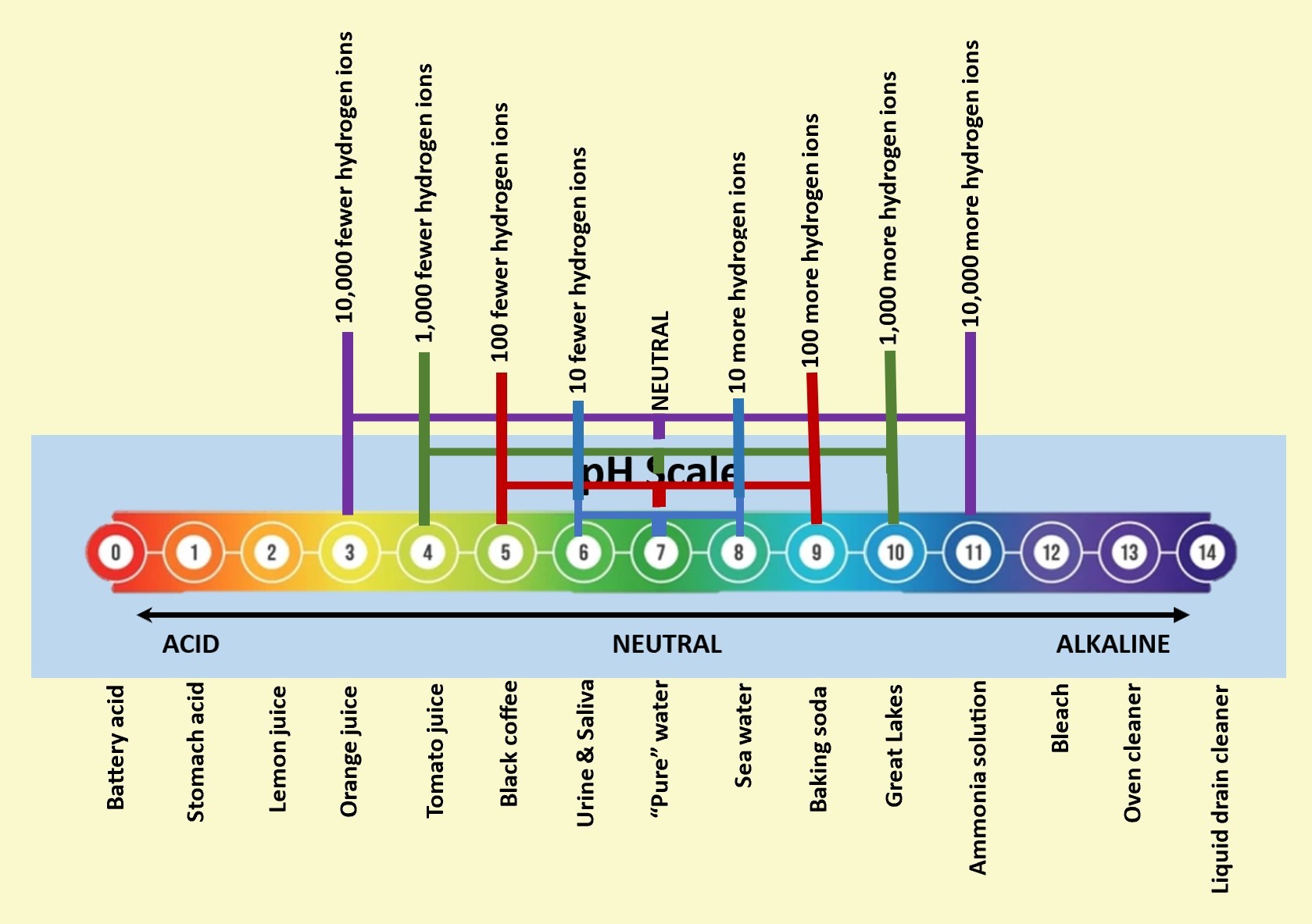
pH stands for “potential of hydrogen” and measures how acidic or alkaline a substance is. To understand why pH matters, it’s important to know that the pH scale is logarithmic, not linear. This means that each whole-number change represents a tenfold difference in acidity or alkalinity. In practical terms, even small shifts in pH can lead to significant changes in how substances interact. That’s why pH plays such a crucial role in the behavior of skin and hair.
How pH Affects Beard and Skin Health
When pH levels shift outside of their typical range, both skin and hair can respond in noticeable ways. A more acidic or alkaline environment can affect how the skin feels and how beard hair behaves at the surface, potentially leading to dryness, irritation, or a rougher texture during grooming.
The skin’s natural pH averages around 5.5, which places it in a slightly acidic range, while hair fibers are typically more acidic, usually closer to pH 4.5–5. Because skin and hair differ in structure and function, products interact with each differently. Beard conditioners are often formulated to work within mildly acidic pH ranges, helping to maintain the natural balance of beard hair and skin after cleansing without disrupting their underlying biology.
Maintaining pH Equilibrium for Survival
The relationship between pH balance and the human body is fundamental to survival. Various physiological systems continuously work to maintain internal pH within a narrow range, allowing cells, enzymes, and organs to function properly. While facial hair itself does not participate in these regulatory processes, understanding how the body tightly controls pH offers valuable context for why pH matters more broadly.
To explore detailed information about how our bodies maintain pH equilibrium through processes like blood buffering and respiration, simply click the arrow on each toggle for the section you’d like to read. This format keeps the page concise and reader-friendly, allowing you to dive into the specifics without being overwhelmed by a lengthy layout.
The human body tightly regulates blood pH at approximately 7.4 through multiple buffering systems, most notably the carbonic acid–bicarbonate buffer. These systems operate continuously, counteracting small shifts in acidity or alkalinity to preserve normal cellular activity and organ function.
Carbon dioxide (CO₂), a naturally acidic by-product of metabolism, plays a key role in this process. The lungs help regulate blood pH by adjusting how much CO₂ is expelled during breathing. When respiration is reduced or impaired and CO₂ is not efficiently removed, acidity can rise beyond what buffering systems alone can fully correct.
This relationship highlights how closely respiration and pH regulation are linked—and how maintaining this balance is essential for physiological stability and survival.
If breathing is delayed long enough, involuntary reflexes take over to resume normal respiration. I sometimes think of this as the body enforcing a “Thou Shalt Breathe” rule—not as a conscious decision, but as an automatic safeguard that prioritizes pH balance and survival. This response highlights how strongly the body protects equilibrium. Some athletes, such as free divers, train to tolerate higher CO₂ levels for longer periods by improving efficiency within these systems, though the underlying regulatory mechanisms remain automatic and tightly controlled.
I have personally experienced how forcefully the body works to restore balance during episodes of severe respiratory distress, including asthma attacks. During periods of intense coughing and restricted breathing, any sense of voluntary control quickly disappears as the body prioritizes the restoration of normal respiration. In those moments, it becomes unmistakably clear that breathing is not a conscious decision, but an automatic process driven by the body’s need to maintain internal equilibrium.
Experiences like these serve as a powerful reminder that pH balance is not something the body negotiates. It is actively enforced through involuntary regulatory systems designed to protect physiological stability and, ultimately, survival.
The body’s systems for maintaining equilibrium also extend to blood sugar regulation. Insulin plays a central role in managing glucose levels, and when this regulation is disrupted, serious imbalances can occur. One example is diabetic ketoacidosis, a condition in which the body produces excessive acidic compounds known as ketones, leading to dangerous shifts in blood pH.
Metabolic acidosis can arise from other sources as well. Intense or prolonged exercise can increase lactic acid production, temporarily challenging the body’s buffering systems. Kidney dysfunction can also impair acid regulation by reducing the body’s ability to excrete excess acids effectively.
Together, these examples illustrate that maintaining balance—whether involving blood sugar, acid levels, or pH—is not optional. It is a tightly regulated process essential to normal physiological function and survival.
Equilibrium Concluded
As outlined above, the body relies on an intricate system of checks and balances to maintain pH equilibrium and support survival. Beard hair, however, does not participate in these life-sustaining regulatory processes. Disruptions at the beard level are not a health risk, but prolonged exposure to conditions far outside the typical pH range can influence how facial hair feels and behaves over time. This may present as increased dryness, roughness, or reduced manageability during grooming.
With pH providing the environmental context in which beard hair exists, the next step is to look more closely at the hair itself—its structure, layers, and the systems that give it strength and resilience.
Beard Hair: A Closer Look
Below is a diagram showing the non-living hair shaft above the skin and the living follicle below, where blood vessels and supporting structures sustain hair growth.
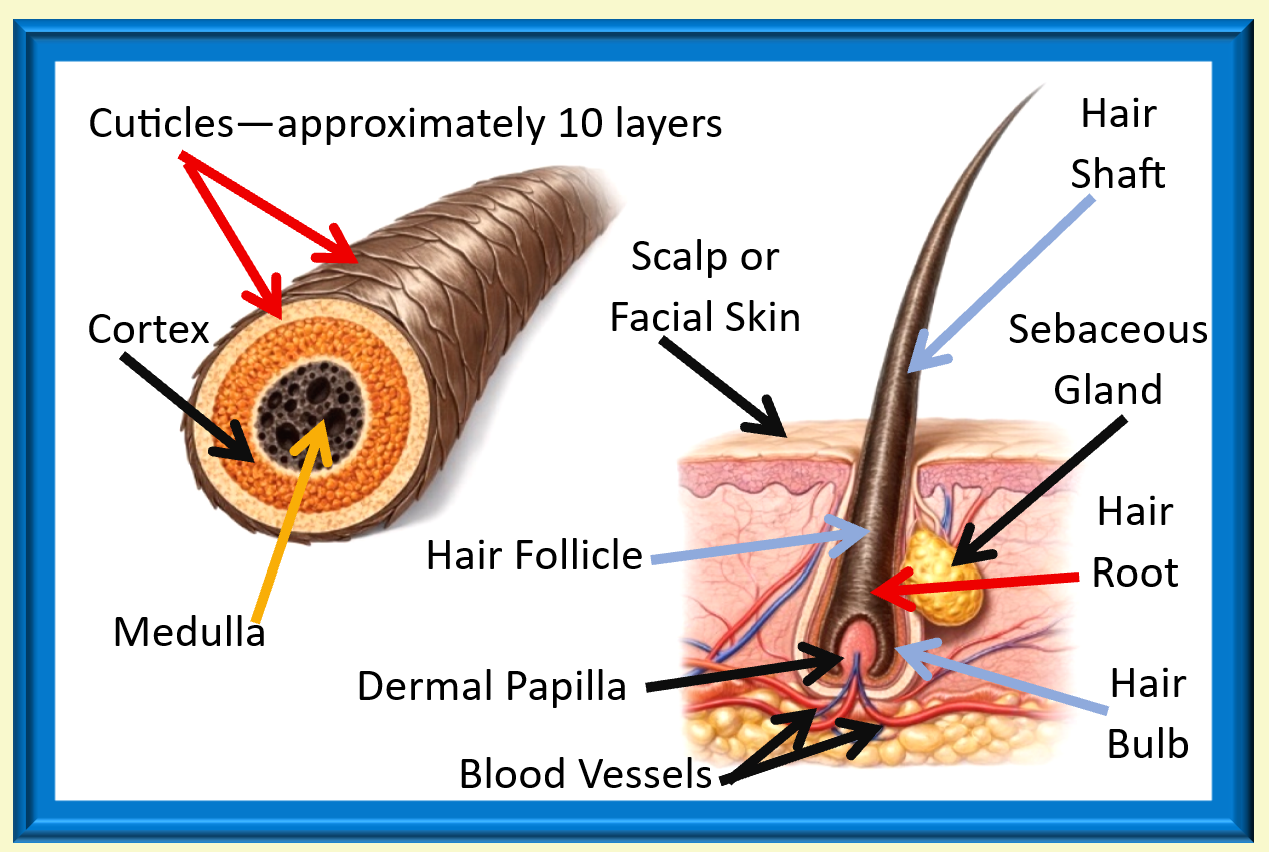
Image AI generated
At the structural level, once hair emerges above the skin, its behavior is governed by its physical design rather than active biological regulation. The outermost layer of a hair strand, the cuticle, comprises 6 to 12 overlapping scale-like layers. These scales function as protective armor for the underlying cortex and influence how moisture enters and is retained within the hair shaft—provided the cuticle is in good condition.
The cortex, located beneath the cuticle, serves as the primary support layer of the hair. It is composed of long, coiled protein strands (primarily keratin) held together by a variety of bonds. This layer contributes to the beard’s strength, elasticity, and resilience.
Just as a cathedral depends on multiple interconnected support systems—such as buttresses, arches, vaults, columns, and trusses—to remain standing, hair relies on its own internal framework for strength and stability. These architectural elements distribute force and prevent collapse under stress. Likewise, the hair shaft is built from organized layers and protein bonds that work together to support flexibility and durability. This design allows hair to endure routine environmental and mechanical stress once it exists above the skin, without the need for active biological control.
For readers interested in exploring this structure in greater detail, a separate section traces hair formation step by step—from individual atoms and molecular bonds to fully formed terminal hair—using diagrams to illustrate each stage. Use the button below to explore this breakdown visually.
Want to See the Hidden World of Hair Damage?
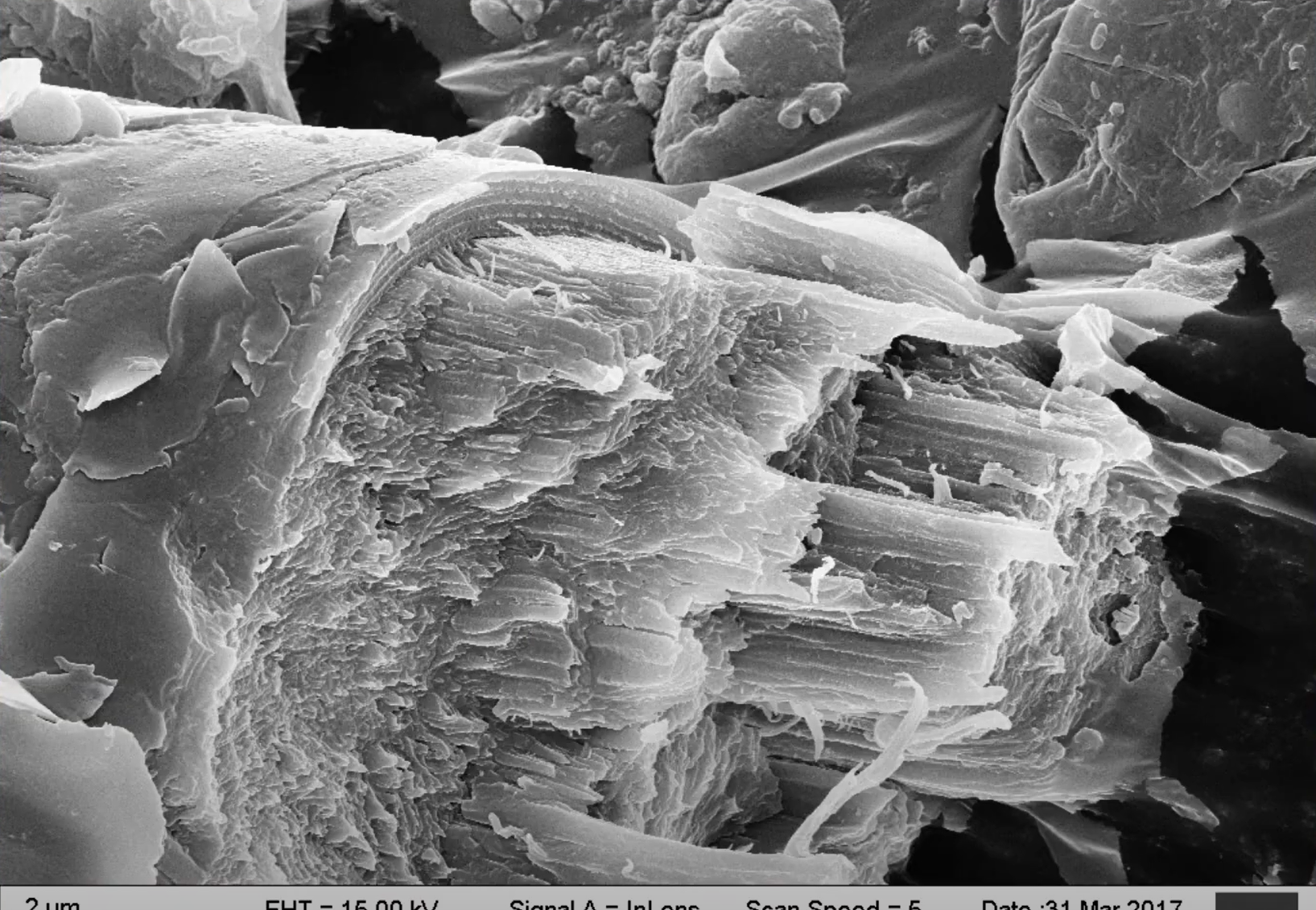
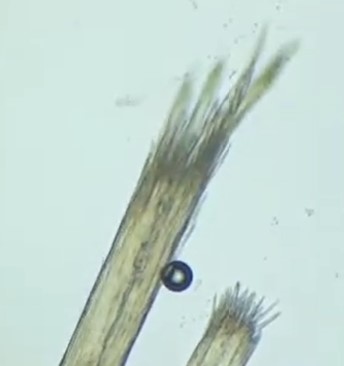
The cortex is an impressive and resilient structure, but like any physical material, it can be altered by extreme conditions such as high heat, chemical exposure, and repeated mechanical stress. When viewed at high magnification, these changes become far more visible than they are to the naked eye.
The images and videos below show hair examined under powerful microscopes, including electron microscopy. At this scale, features such as lifted or missing cuticle layers, exposed cortex, and structural breakdown within the hair shaft can be observed. These visual examples offer a deeper appreciation for how hair responds to stress at a structural level and help illustrate why surface conditions and handling matter in everyday grooming.
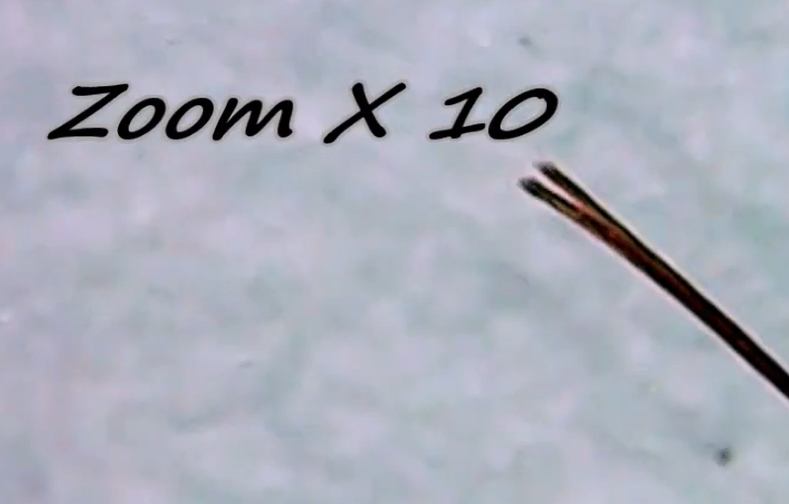
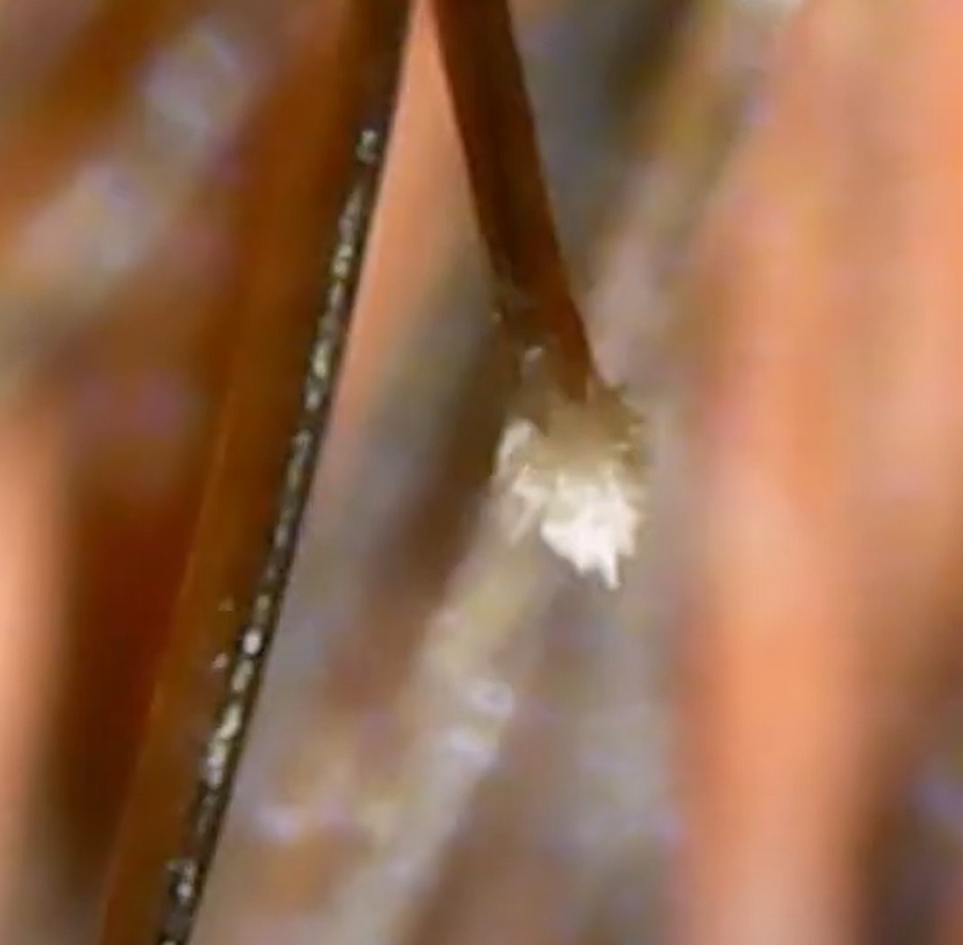
This one is my favorite & he’s funny
Seeing hair at this level of detail helps explain why the condition of the cuticle matters so much in everyday beard care.
The Beard’s Armor
The cuticle acts as the beard’s protective armor, serving as the outermost layer that shields the hair from external elements. These overlapping, scale-like layers absorb stress, much like armor plates, protecting what lies beneath.
When the cuticle becomes worn or disrupted, the hair shaft’s surface can become more porous. This may allow moisture to enter too easily, contributing to frizz or an unruly appearance, while also allowing moisture to escape more quickly, leaving the hair feeling dry, rough, or brittle.
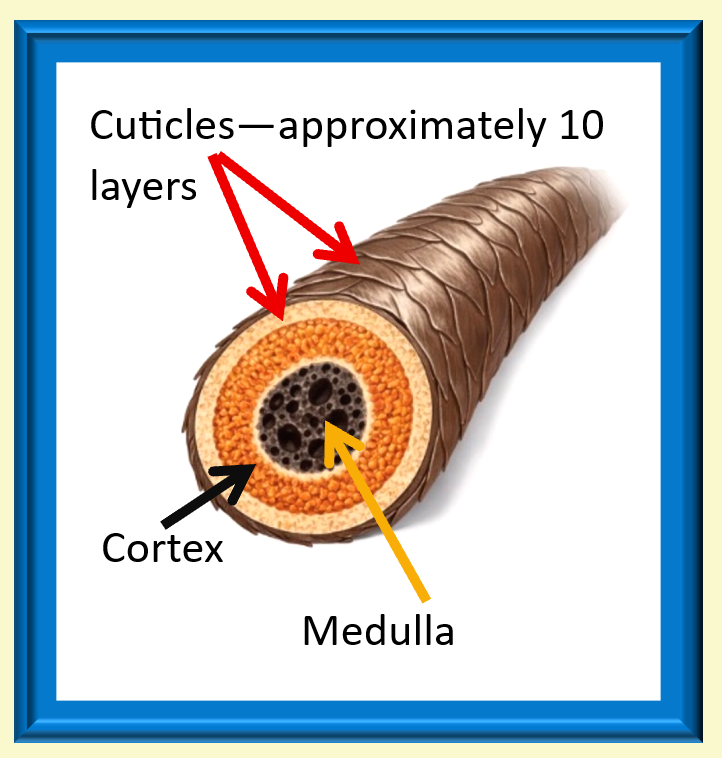
Image AI generated
Although the cuticle isn’t visible to the naked eye, its role as protective armor is essential. Similar to how a pine cone’s scales open and close in response to environmental changes, the cuticle layers of hair react to their surroundings, protecting the more delicate inner cortex beneath.
Understanding this natural “armor system” provides insight into why beard hair behaves the way it does and why caring for the cuticle is crucial for maintaining a well-kept, resilient beard.
To understand how this protective armor functions in real time, it helps to look at what causes cuticles to lift or settle in response to their environment.
Mechanisms That Activate Cuticles
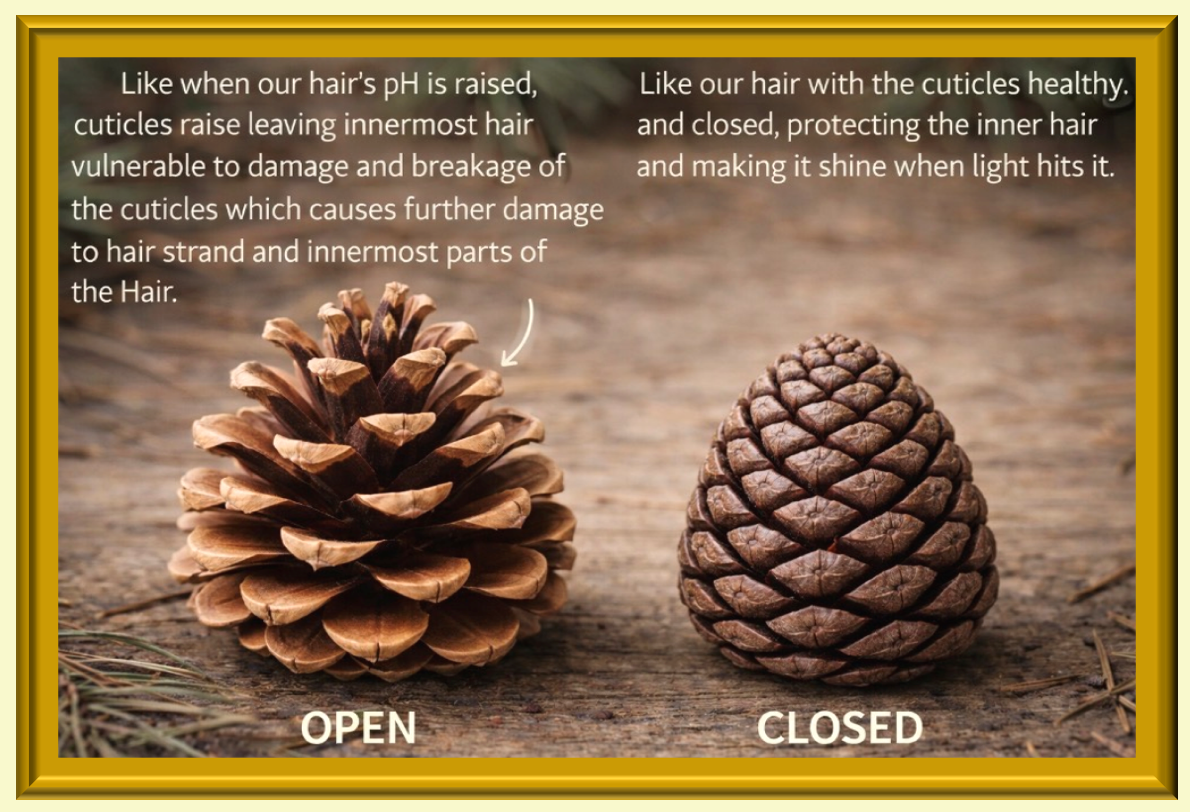
Image AI generated
Much like a pine cone, which opens and closes in response to moisture, beard hair reacts to environmental changes, particularly moisture levels. When exposed to water—whether from washing, humid air, or steam—the hair shaft absorbs moisture, causing the cuticles to lift. As the hair dries, these bonds reform, and the cuticles settle, restoring a smoother surface.
The behavior of hair cuticles is influenced by pH as well. Alkaline conditions cause cuticles to lift, while mildly acidic conditions allow them to lie flatter and closer together, much like a pine cone that responds passively to changes in moisture to protect the seeds inside.
How pH Influences Beard Hair Behavior
When beard hair is exposed to higher-pH cleansing environments, the cuticle layers along the hair shaft are more likely to remain lifted temporarily. This creates a more uneven surface, increasing friction between neighboring hairs, which may contribute to static, frizz, and resistance during grooming. In contrast, lower-pH conditions help the cuticles lie flatter, resulting in a smoother surface that interacts more gently with light, moisture, and grooming tools.
Did You Know?
Seawater has a naturally alkaline pH of approximately 8.2, a range similar to that of some traditional soaps and shampoo bars. Swimming in the ocean exposes both skin and hair to this higher-pH environment for extended periods of time.
Swimming pools are typically maintained at a pH between 7.2 and 7.8 to balance swimmer comfort and the effectiveness of sanitizing chemicals. While this range is closer to neutral, it is still more alkaline than the natural pH of hair fibers.
Tap water can vary widely in pH depending on local water sources and treatment methods. Municipal water supplies commonly fall between pH 6.0 and 8.5, with some systems permitted to reach levels as high as pH 9.0 under regulatory guidelines.
Understanding these everyday pH exposures helps explain why activities like swimming or showering can influence how hair and skin behave at the surface. Keeping this context in mind provides a clearer picture of how environmental factors interact with beard hair during routine daily care.
Beard’s Happy pH
Beard hair is naturally more acidic than the skin, with a pH of about 3.67, compared to the skin’s natural pH of 5.5. This difference helps explain why some products formulated to align with the skin’s pH may not always work as well on beard hair. When hair is exposed to higher-pH cleansers, the cuticles may become more raised, causing roughness and increasing friction. Beard hair tends to feel more manageable and less prone to static when exposed to products that match its natural acidic pH.
Quote from The National Center for Biotechnology Information (NCBI):
“Dermatologists most frequently prescribe shampoos for the treatment of hair shedding and scalp disorders… Little is taught in medical schools about hair cosmetics, so prescriptions often focus on scalp health while disregarding the hair fiber.”
External Stressors – Grooming/Styling
Chemical Treatments
Chemical treatments like perms and hair coloring can weaken the disulfide bonds that contribute to hair’s strength and shape. These bonds link protein molecules within the hair shaft and are one of the three primary bond types discussed in the Hair Science section. You can learn more about these bonds and their role in hair health there.
In addition to chemical treatments, everyday grooming practices—such as exposure to moisture changes, cleansing products, and combing—can have a more immediate effect on the cuticle layer. These surface-level stressors can impact how the hair behaves, especially when they occur frequently without sufficient recovery time.
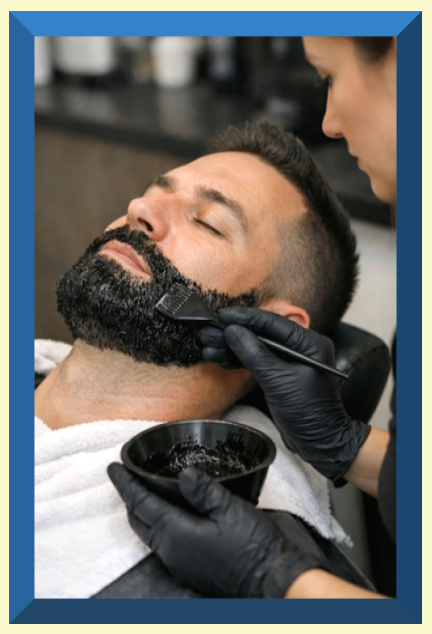
Image AI-generated
FAQ
Once hair extends beyond the surface of the skin, it is no longer living tissue. Unlike skin—which can actively regulate pH and respond biologically—beard hair responds only in physical ways. Its behavior is influenced by external factors such as moisture levels, pH exposure, and grooming practices, rather than by internal biological processes.
pH plays a direct role in how the outer cuticle layers of the hair shaft position themselves. Higher pH conditions tend to encourage cuticles to remain more lifted, while lower pH environments allow them to settle flatter against the hair surface. This difference in cuticle alignment influences how hair feels to the touch and how easily it can be managed during grooming.
A fallen pine cone continues to open and close in response to changes in humidity, even though it is no longer alive. Beard hair behaves in much the same way. Once it extends beyond the skin’s surface, it responds physically to environmental conditions—such as moisture and pH—rather than actively regulating itself through biological processes.
While chemical treatments can place stress on hair structure, everyday beard care more commonly affects hair at the surface level. Repeated exposure to moisture fluctuations, cleansing products, and routine grooming practices tends to have a greater influence on how beard hair behaves over time.
Non-medicated grooming products interact only with the surface of the hair shaft. They do not change hair biology or alter the internal structure of the hair. Instead, their effects are limited to surface behavior—such as feel, manageability, and appearance—during and after use.
Beard hair may feel rough or difficult to manage due to surface-level conditions rather than changes in its internal structure. Factors such as lifted cuticles, increased friction between hairs, dry environmental conditions, and static electricity can all influence how beard hair feels and responds during grooming.
pH Level of Beard Wash
Beard cleansers come in various forms, including liquid washes, traditional shampoos, and solid shampoo bars, but the pH of these products is often overlooked. Understanding pH can provide valuable insight into how a cleanser interacts with beard hair at the surface level. For more details, explore the section titled “Beard Wash.”
Most consumers don’t routinely check product labels for pH, and in many cases, that information isn’t available. Manufacturers aren’t required to list pH values, and terms like “pH neutral” or “pH balanced” are often used without clear definitions. This lack of clarity can lead to differences in how products behave on beard hair, even when their labels seem similar.
Understanding pH Labeling
Since beard hair is a non-living structure once it emerges from the skin, it cannot regulate pH on its own. Instead, it reacts physically to the environment created by cleansing products. To understand how pH labeling impacts beard hair, it’s helpful to consider how different products interact with the hair shaft, as the pH of a cleanser plays a crucial role in how it affects the hair..
Cleanser pH and Its Impact on Beard Hair Behavior
A study examining 123 shampoo products found pH values ranging from 3.5 to 9.0. Of these, 38.21% measured at pH 5.5 or below, while 61.78% exceeded that level. In practical terms, only 47 of the shampoos tested fell within a range that closely aligns with the scalp’s natural pH and is nearer to the naturally lower pH of hair fibers (approximately 3.67). The remaining 76 shampoos were formulated at higher, more alkaline pH levels.
When beard hair is exposed to cleansers closer to neutral or above, the cuticle layers along the hair shaft are more likely to remain lifted temporarily. This creates a more uneven surface, increasing friction between individual hairs. Much like a fallen pine cone whose open scales interact differently with air and moisture, beard hair with raised cuticles responds more noticeably to its environment, particularly during grooming and in dry conditions.
Products described as pH balanced typically fall slightly below neutral and are mildly acidic, though the exact pH is rarely disclosed. Depending on how closely these formulations align with the natural pH of hair fibers, cuticles may lie flatter at the surface, resulting in less friction between hairs and a smoother grooming experience.
A third category includes products that provide no pH information at all. Research suggests these formulations can reach pH levels as high as 9—higher than many beard shampoo bars and traditional soaps. At these levels, beard hair is more likely to exhibit increased surface roughness, which can make flyaways, static electricity, and resistance during combing more noticeable.
From pH to Friction: Understanding Beard Hair Behavior
As shown in the referenced shampoo pH study, many cleansers are formulated at higher pH levels than both the scalp and hair shaft. This explains why beard hair can behave differently after washing, even when products seem similar on the label.
When the cuticles remain lifted after cleansing, the surface of the hair becomes less uniform. This increases friction between neighboring hairs, contributing to static electricity, tangling, and a rougher feel during grooming. Like a pine cone responding to changes in its environment, beard hair reacts predictably to shifts in moisture and pH.
A thoughtfully formulated beard conditioner can help moderate these effects by encouraging the cuticles to settle and lie flatter after washing. While this doesn’t alter the hair’s internal structure, it softens the temporary effects of pH shifts and environmental exposure, making grooming smoother and more comfortable.
My products are designed to complement the natural behavior of beard hair, not to treat or alter the hair itself.
Helping Cuticles Settle After Cleansing
It’s also worth noting that the use of a thoughtfully formulated beard conditioner can help balance how beard hair behaves after cleansing. Washing with shampoos or traditional soap—especially those with higher pH values—can leave the hair’s cuticle layers more lifted at the surface. While this shift is temporary, it can affect how the beard feels and responds during grooming. A conditioner works at the surface level by interacting with the outer layers of the hair shaft, helping the cuticles settle and lie flatter after washing. Much like a pine cone closing its scales once environmental conditions change, this surface interaction can make beard hair feel smoother and more manageable following cleansing. In this way, conditioning doesn’t alter the hair’s structure or biology, but it can help moderate the effects of temporary pH shifts and environmental exposure that occur during routine beard care.
Categories
To better explore the question, “Is there really a difference?”, it helps to compare how beard hair responds to cleansers across three general pH ranges:
mildly acidic (around pH 5.5),
neutral (pH 7), and
more alkaline formulations (approaching pH 9, the highest level observed in the product analysis).
The sections below examine these categories in reverse order—starting with the most alkaline—so the surface-level effects on beard hair become easier to distinguish.
This category includes shampoos formulated toward the higher end of the pH range commonly seen in mass-produced cleansers (around pH 9.0). Research examining 123 shampoo products found that more alkaline formulations tend to increase the negative electrical charge on the surface of hair fibers. As this surface charge increases, friction between individual hairs also rises, which can contribute to greater roughness, static electricity, and increased cuticle disruption during grooming.
In contrast, lower-pH shampoos were associated with reduced static and frizz, likely due to a decrease in surface charge. The analysis also revealed considerable variation across product types. Many salon shampoos clustered at pH 5.0 or lower, while numerous widely available consumer brands measured above this range. Pediatric shampoos often tested closer to neutral pH, reflecting formulation choices intended to minimize eye irritation in “no-tear” products.
One key takeaway from the study is the magnitude of change represented by shifts on the pH scale. A move from pH 5 to pH 9 corresponds to a 10,000-fold decrease in hydrogen ion concentration, illustrating that relatively small numerical differences reflect substantial chemical changes. While the research did not identify a single “ideal” pH for all hair types, it highlights why pH can significantly influence hair’s surface behavior—particularly with respect to friction, static, and manageability.
Cleansers marketed as pH-neutral are typically formulated around pH 7, placing them closer to neutrality than to the naturally acidic surface of hair fibers. When compared to higher-pH shampoos, these formulations generally cause less surface disruption and tend to produce lower levels of static and frizz during grooming.
However, “pH-neutral” does not mean identical to hair’s natural chemistry. Because the hair shaft is inherently more acidic, exposure to neutral pH conditions can still promote temporary cuticle lifting. This may lead to mild increases in surface friction between individual hairs, though the effect is usually far less pronounced than with more alkaline cleansers.
In practical terms, pH-neutral cleansers often occupy a middle ground. They are typically gentler on the hair surface than higher-pH formulations, yet still differ from the lower pH environment hair naturally favors. This helps explain why beard hair may feel reasonably manageable after cleansing, while still benefiting from additional surface conditioning to encourage cuticles to settle and lie flatter.
Cleansers formulated at a pH of 5.5 or below are commonly described as pH-balanced and are mildly acidic in nature. This range more closely reflects the naturally lower pH of hair fibers when compared with neutral or alkaline formulations. At the surface level, mildly acidic conditions tend to encourage cuticle layers to rest flatter and align more uniformly along the hair shaft.
When cuticles remain more closely aligned, the hair surface generally feels smoother and interacts more evenly with light, moisture, and grooming tools. Reduced surface irregularity can also lower friction between individual hairs, which may contribute to improved manageability during everyday grooming.
Because cleansing can temporarily shift surface conditions, pH-balanced washes are often paired with conditioners formulated within a similar acidic range. This combination focuses on influencing how beard hair behaves at the surface after washing—supporting smoother cuticle alignment without altering the hair’s internal structure or biology. Among the three cleanser categories, pH-balanced formulations most closely reflect the natural surface behavior of beard hair.
Understanding pH Choices in Beard Care
Is choosing a pH-balanced beard wash strictly necessary? In the end, it comes down to personal preference and informed decision-making. Understanding how pH influences hair behavior at the surface level offers useful context when evaluating grooming products—beyond relying on labels or trends alone.
When considering both beard hair and the skin beneath it, some professionals recommend a layered approach: using a cleanser formulated closer to the skin’s natural pH, followed by a conditioner with a slightly lower pH that better aligns with the more acidic surface of hair fibers. This sequence reflects the fact that skin and hair respond differently to pH exposure.
In practice, many shampoo and conditioner pairs are designed with this relationship in mind. Conditioners are often formulated with a lower pH than their companion cleansers, allowing them to interact with the hair’s surface after washing. Although specific pH values are not always disclosed, paired products are typically intended to function together in this way.
Using products from different brands can introduce variability. If a conditioner has a higher pH than the cleanser used beforehand, the combination may not encourage cuticles to settle as effectively. Because formulations vary widely, understanding basic pH relationships helps explain why some product pairings feel more cooperative during grooming than others—even when each product seems appropriate on its own.
Viewed together, these three categories highlight how cleanser pH influences beard hair behavior at the surface level. As formulations move from more alkaline to neutral and then to mildly acidic, differences in cuticle position, surface friction, and static response become more apparent. While no single pH value is universally ideal for every individual, understanding these general ranges helps explain why beard hair may respond differently to various cleansers and why surface conditions play an important role in how hair feels and behaves during everyday grooming.
Conditioner: Enhancing and Protecting Beard Appearance
Conditioner plays a key role in keeping your beard looking and feeling its best by addressing the surface effects of environmental exposure and daily grooming. A well-formulated conditioner with a mildly acidic pH (around 5 to 5.5) helps smooth the cuticles, reducing friction and preventing static buildup. It forms a protective layer around the hair, locking in moisture, minimizing tangling, and enhancing shine by flattening the cuticles.
How Conditioner Affects the Cuticles
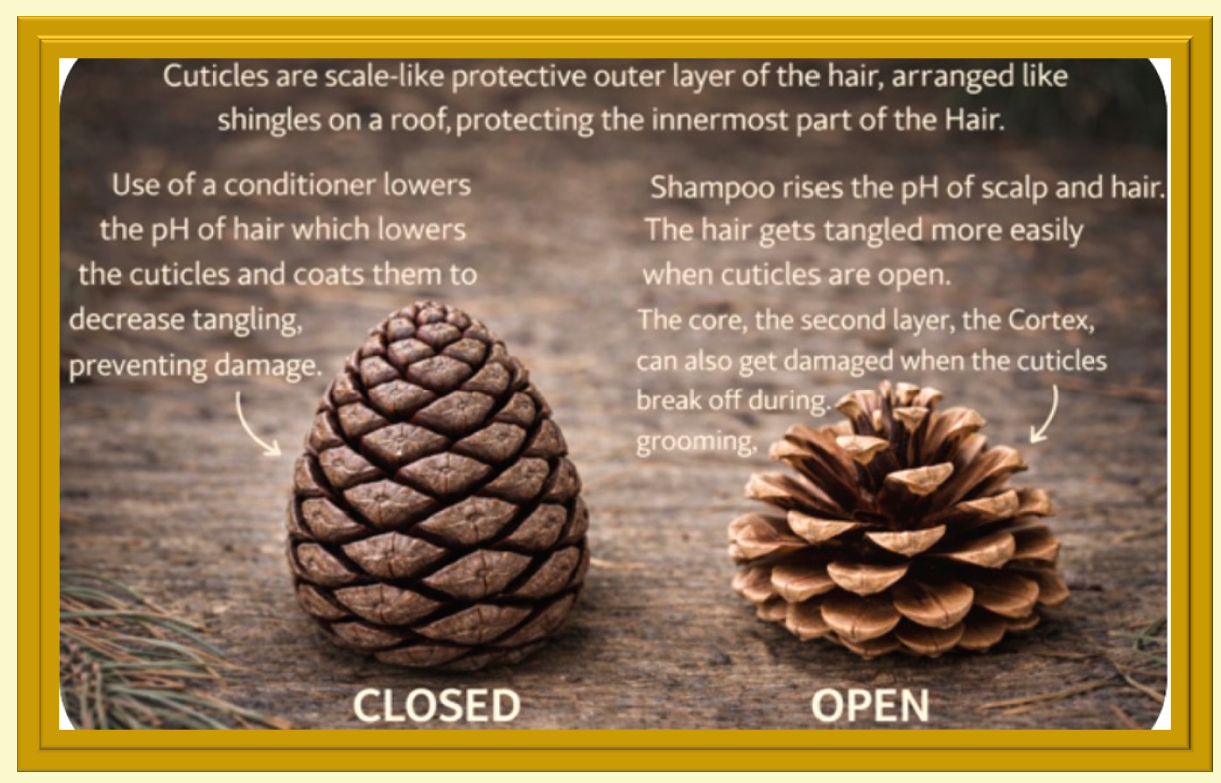
Image AI-generated
The mild acidity of a well-formulated conditioner plays an essential role in keeping your beard looking and feeling its best. By gently shifting the hair’s pH toward a slightly acidic range, the conditioner encourages the cuticles along the hair shaft to settle down and lie flat against one another. When these cuticles are smooth and tightly aligned, the hair surface becomes more uniform, allowing light to reflect evenly and giving the beard a healthier, more natural shine. In contrast, when cuticles are raised—often due to moisture imbalance or alkaline exposure—light is scattered rather than reflected, leaving the beard looking dull, dry, and rough.
This behavior closely mirrors how a pine cone responds to moisture in its environment. When the cone’s scales are closed, they form a smooth, protective surface that reflects light efficiently and shields the seed inside. When those scales open, the surface becomes uneven and light is diffused. Beard hair functions in much the same way: closed cuticles protect the inner structure of the hair, while open cuticles expose it to stress and wear. Understanding this parallel highlights why pH balance matters—not just for appearance, but for maintaining the beard’s natural protective structure over time.
From Pine Cones to Beards: How Surfaces React to Moisture
Like a pine cone’s scales that open and close in response to moisture, beard hair behaves similarly, with the cuticle layer lifting or settling depending on exposure to water and pH. Conditioner helps smooth the hair’s surface by encouraging the cuticles to lie flat, reducing friction and making grooming more manageable. This interaction with the outer layers of the hair doesn’t alter its internal structure but provides a temporary smooth surface that influences how the beard feels and behaves.
Like a Pine Cone: Working With Nature, Not Against It
Many commercial hair and beard care products are formulated with ingredients intended to form a more durable coating on the hair surface, particularly for people who regularly expose their hair to high heat or chemical processes such as straightening or coloring. Much like sealing a pine cone to guard its contents from harsh conditions, these formulations are designed to create a protective barrier that helps hair better tolerate repeated environmental and mechanical stress.
My approach is different. I do not make medicated or treatment-style products, nor are my formulations intended to repair or correct damage caused by extreme styling practices. Instead, I focus on creating products using ingredients I personally feel comfortable using and that meet the standards my own family of bearded gents expects—simple, thoughtfully chosen components that work in harmony with the natural behavior of beard hair. In that sense, the goal is less about forcing the hair into submission and more about supporting how it naturally responds to moisture, grooming, and everyday conditions, much like a pine cone adapting to its environment without artificial intervention.
Silicone Coatings: The Pros and Cons
Silicones in hair and skin care products tend to divide opinion: some love them, while others prefer to avoid them. Personally, I choose to omit silicones in my formulations, but I now have a better understanding of how they work.
While searching for high-quality ingredients, I’ve come across plenty of misleading information—some of which is not scientifically supported. I’ve even read exaggerated claims that ingredients like citric acid are dangerous, though upon further research, I’ve come to understand where these concerns stem from. It’s important to approach such claims with common sense.
I aim to avoid spreading misinformation, especially when it’s based on non-scientific sources. That’s why I provided that link outlining how silicone works, as there’s far too much fear-mongering and not enough sensible information available for those who want to create high-quality products at home.
One misconception I had about silicones was that they would prevent beneficial ingredients in products from penetrating the skin or hair, mainly because silicones were believed to be non-penetrable. As someone who wants my hair to benefit from the nutrients in oils and butters, this was concerning. However, I now understand that silicones are not as impermeable as I once thought.
While silicones are derived from silica (the compound found in sand) and undergo chemical processing, they are often misunderstood. I’m not a scientist, but based on my research, I prefer to use alternative ingredients that better align with my goals.
Despite gaining a clearer understanding of how they work, I still choose not to include them in my products. Just as I prefer lanolin over petroleum jelly in my beard balms, I avoid petroleum-based ingredients in favor of more natural options.
‘My’ Better Choice
There are multiple options when making things for yourself, and you don’t have to be limited to the ingredients that companies use. Silicone vs. emulsifying wax NF? It’s the wax (made from plant waxes) that I choose. How does my long hair respond to a no-silicone conditioner?
Silky smooth
Nice slip, no issues with knots or tangles
It meets my goals
No static
I make it to have a pH between 5.5 and 5
If my hair were regularly exposed to high-heat tools, I’d protect it with a silicone-based spray to “seal” the fibers against the heat. However, I’d still use my homemade conditioner with no silicones because I’m rather partial to it. Not brushing before shampooing (sometimes) and waiting until the following morning to brush still results in great brushing ability.
Silicone Classification
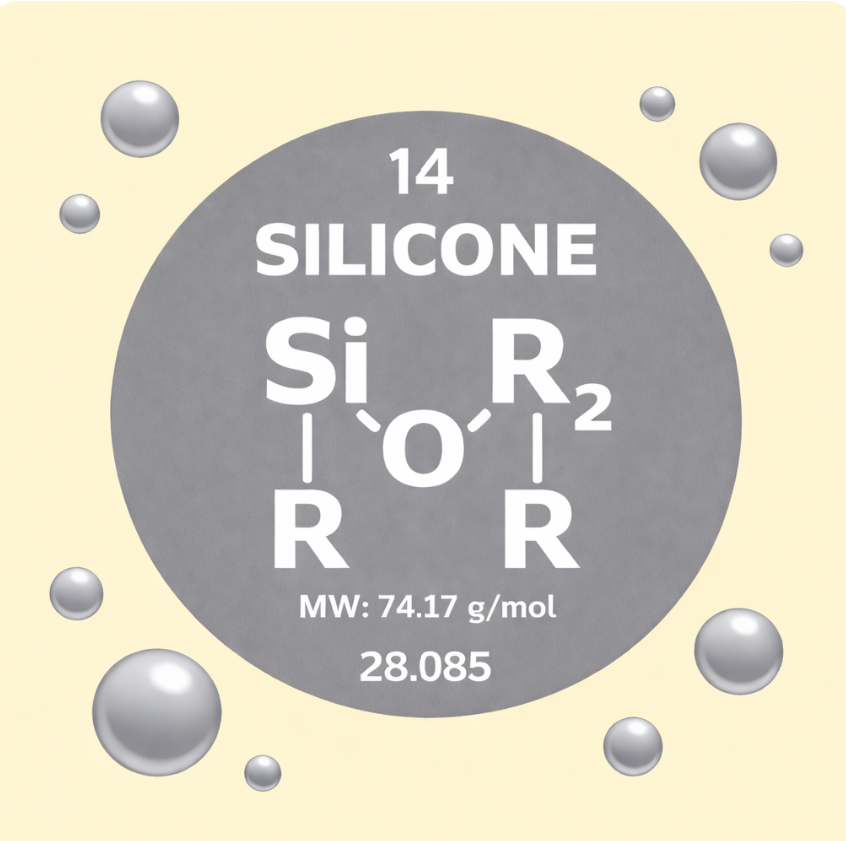
Image from Shutterstock
As previously mentioned, silicones can be divided into two groups, each serving different purposes in personal care products. For a more detailed explanation of the two groups and to view a list of commonly used silicones, you can click here.
Out of curiosity, I researched several popular conditioners and found that most contained at least two types of silicone. It’s easy to overlook ingredients, especially in products we’ve used for years out of habit. I only started paying closer attention to ingredients once I began creating bath and body products for my family.
The following site provides guidance on choosing the right silicone for your formulations. The quote below highlights the primary function of silicones: they are valued for their sensory profile, giving products a shiny, healthy appearance..
Quote from Personal Care Magazine
Conclusion: “In today’s market, the majority of personal care products contain some level of silicone. Their versatility and aesthetic appeal make them a popular choice across various products, from makeup to sunscreens, hair care, and more. Silicones provide an effective, sensory profile, ensuring the product has a pleasing texture and appearance, which fulfills the most demanding consumer requirements.”
Source: Personal Care Magazine – [Selecting the Perfect Silicone for Your Formulation]
Moisturizing (Feeding) Your Beard
When it comes to “feeding” the facial hair of my husband and sons, I rely on oils and butters for their rich blend of vitamins, antioxidants, antimicrobial properties, amino acids, cholesterol, ceramides, fatty acids, and more. These components provide deep nourishment for both the beard and the skin beneath.
For centuries, animal fats were commonly used in cosmetics and home remedies. However, as the use of animal fats became less desirable, plant-based oils and butters gained popularity. Advances in science have isolated many of the beneficial compounds found in plant oils, which is why ingredient lists often feature complex scientific names for these individual components.
Today, ceramides, naturally found in plant oils, are particularly popular. They can now be synthesized in labs to mimic the ceramides present in our skin, making them more widely available and easier to use.
For a substance to be effective, it must be recognized by the body and have the correct molecular size. Smaller molecules can penetrate the hair’s layers and work beneath the cuticles, much like how our bodies absorb vitamins and minerals more effectively from food than from synthetic supplements.
Personally, I prefer using less refined, high-quality oils and butters, investing in ingredients that work in harmony with my body. I don’t have a lab or unlimited resources, so I make my own products using these natural, beneficial components. For example, I include small molecules like hydrolyzed amino acids and DL-Panthenol in my conditioner to help support softness, manageability, and the appearance of stronger, healthier-looking hair for both my long hair and my family’s beards.
In summary, plant-based oils and butters provide natural nourishment, and by choosing less processed ingredients, we support healthy-looking, thriving hair—at least, that’s my humble opinion.
Plants Used in Cosmetics: A Rich History of Natural Ingredients
Plants have long been a cornerstone of cosmetic formulations, offering a wide range of bioactive compounds that benefit the skin. Historically, plants were the primary source of ingredients in cosmetics, providing herbs, oils, vitamins, and antioxidants. While many of these compounds have been synthesized through scientific advancements, plants continue to play an essential role in the beauty and wellness industry.

Image AI-generated
Research has shown that plants contain a variety of phytochemicals with beneficial properties for the skin. These bioactive substances have undergone clinical trials and pharmacological testing, proving their effectiveness in skincare. From ancient Chinese herbs to modern botanical extracts, plant-derived ingredients remain integral to skincare products, providing benefits like calming, moisturizing, and protecting the skin from environmental damage.
As interest in natural and organic products grows, the market for plant-based cosmetics continues to expand, with new innovations incorporating nature’s ingredients. The ongoing exploration of plant-based solutions suggests that the beauty industry will see even more plant-derived innovations in the years to come.
Sources:
Passi, S. (2002). Clinical applications of plant extracts.
Orthoefer, F. T. (2002). Phytochemicals and their role in cosmetics.
Dweck, A. C. (1997). The role of plant extracts in skin care formulations.
My Passion for Making Natural Hair and Skin Care Products
Understanding the role of pH in facial hair care is crucial for maintaining a healthy, well-groomed beard. The relationship between pH levels, the skin’s acidic mantle, and the hair’s cuticle structure highlights the importance of choosing products that support this natural balance. Beard conditioners can help maintain moisture, minimize static, and protect the hair from damage caused by environmental factors, grooming, and alkaline cleansers.
By selecting products with slightly acidic pH levels, you can help ensure your beard remains soft, hydrated, and resilient. These practices not only contribute to your beard’s appearance but also support its overall condition, allowing you to embrace your facial hair with confidence.
Conclusion
In conclusion, understanding the role of pH in facial hair care is essential for maintaining a healthy, well-groomed beard. The intricate relationship between pH levels, the skin’s acidic mantle, and the hair’s cuticle structure highlights the importance of choosing products formulated to support natural balance. Beard conditioners play a vital role in negating damage caused by environmental factors, grooming habits, and alkaline cleansers by maintaining moisture, reducing static, and supporting the delicate cuticle layers.
By selecting products with slightly acidic pH levels and understanding how they influence beard health, you can ensure your facial hair remains soft, hydrated, and resilient. Taking these steps not only enhances your beard’s appearance but also supports its overall condition, allowing you to embrace your facial hair with confidence.
Educational & Informational Disclaimer
The information provided on this website is for educational and informational purposes only. It is intended to share general knowledge about traditional soapmaking, ingredient behavior, historical context, and manufacturing processes.
Nothing on this site is intended to diagnose, treat, cure, or prevent any disease or medical condition. The products offered are classified as soap under FDA guidelines and are not intended to affect the structure or function of the skin or body. Individual experiences and preferences may vary.
Information presented here should not be considered a substitute for professional medical advice, diagnosis, or treatment. If you have a medical condition, skin concern, or sensitivity, please consult a qualified healthcare professional before using any product.
This website may reference or link to third-party scientific, technical, or educational resources for general learning purposes. These references are provided to support transparency and encourage independent research, not as endorsements or medical guidance.
Click here to read the full disclaimer.
Contact me:
Text:
(479) 651-2760
I typically respond to texts almost immediately unless I’m in the middle of making soap.
As soon as I reach a stopping point, I’ll be sure to check and reply.
I check my email daily and will get back to you as soon as possible.