


reducing stress

WHAT IS STRESS?

Image from Shutterstock

Stress activates the body’s fight-or-flight response—a survival mechanism designed to protect us during emergencies. Once the danger passes, the body is meant to return to its normal state. This system is intended to work for us, not against us.


Thousands of years ago, as hunter-gatherers or even as pioneers in rugged terrains, the fight-or-flight response was a necessity. Whether fending off predators or securing resources, this system was key to survival. In today’s world, most of us don’t face threats like bear encounters or wolf attacks while 

gathering food; instead, we rely on grocery stores and live in secure homes. Yet, the stress response remains just as active.

Today’s Overactive Stress response

Modern stressors—like deadlines, financial strain, or juggling work and family—activate the same survival mechanism, but our bodies can’t distinguish between immediate life-threatening events and everyday pressures.


When stress becomes chronic, the fight-or-flight system stays activated, leaving us in a perpetual state of hyperarousal. This prolonged stress negatively impacts both physical and mental health, contributing to feelings of overwhelm and burnout.

Image from Shutterstock

The Toll of Chronic Stress

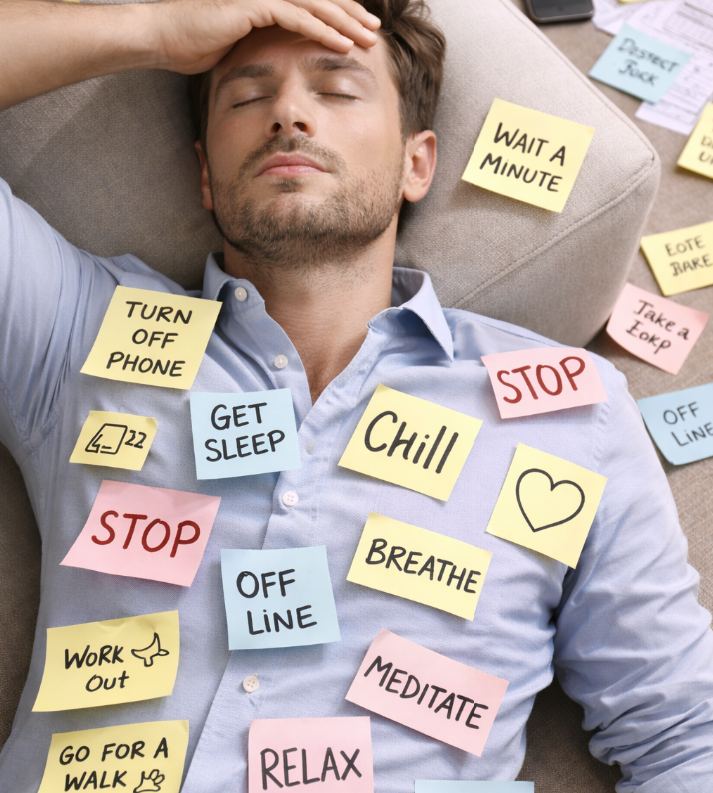
Image AI generated

In today’s fast-paced environment, the pressures to perform at 110% can feel relentless. Stress has become such a constant that it may seem normal, but it is far from healthy. Chronic stress affects more than just mental well-being—it takes a toll on the entire body, including beard and hair health.

How Stress Affects Beard Growth and Hair Health

While researching beard care for my site, I was surprised to discover just how significantly stress impacts hair and beard growth. Here are some of the key effects:

  • Depletes Vital Nutrients: Stress can reduce the body’s levels of essential vitamins and minerals needed for hair growth.
  • Lowers Testosterone and DHT: These hormones are crucial for beard growth, and stress-induced imbalances can hinder their production.
  • Restricts Blood Flow to Hair Follicles: Limited circulation reduces the delivery of oxygen and nutrients to the hair papilla.
  • Reduces Oxygen to the Hair Bulb: Oxygen is essential for follicle health and hair proliferation.


By better understanding stress and its impact, you can take proactive steps to reduce its effects—not just for your overall health but also for the health of your beard.


Source: Harvard Health – Understanding the Stress Response

Schedule Time for Relaxation

If you’re a workaholic (as I am, along with many family members), making time for relaxation might feel unnatural. The solution? Schedule it! Treat your relaxation time as a critical appointment. Block it off on your calendar, just like a crucial meeting, because in reality, it’s even more important—it’s about safeguarding your health.


Prioritize Health Today for a Better Tomorrow

Why push through years of stress only to reach retirement—your long-awaited time for tranquility—burdened with preventable health issues? Chronic stress can lead to heart disease, depression, gastrointestinal disorders, and more, creating a vicious cycle of stress and health deterioration. Breaking the cycle starts now.


For a deeper understanding of how stress affects your body, explore this resource: The American Psychological Association – How Stress Affects the Body.

Image AI generated

EFFECTS OF STRESS ON BEARD, SCALP HAIR, AND HEALTH

Stress & Negative Impact on the Beard & Hair

Chronic Stress & Health

Mitigate Stress / Smell the Roses

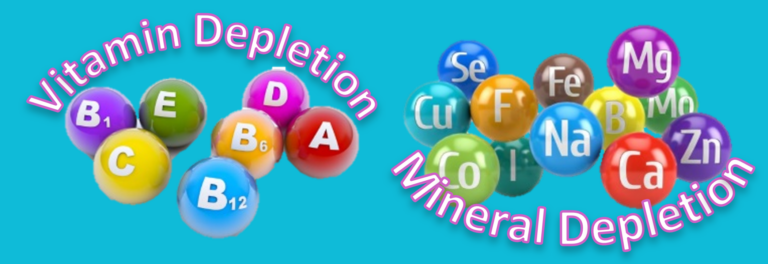
  • Depletion of Vitamins (A, B, C, D) and minerals (Ca, Cu, Fe, Mg, & Zn) needed for proliferation and healthy hair  growth
  • Can decrease testosterone/DHT levels 
  • A slow rebound from stress if there are deficiencies in certain nutrients.
  • Cause blood vessels to constrict, reducing oxygen and nutrients going to the hair papilla within the hair bulb
  • Can cause sleep deprivation which, in turn, impacts beard/hair health
  • The heart
    • Hypertension
    • Constricted blood vessels
  • Testes & Ovaries/Uterus
    • Decreased Testosterone
    • Fertility issues
    • Pregnancy–Preterm births
  • Respiratory illnesses
    • Asthma
    • Causes COPD flare-ups
  • Inflammatory issues
    • Stomach
    • Arthritis
  • Sleep deprivation
  • Migraines
  • Support nutritional needs
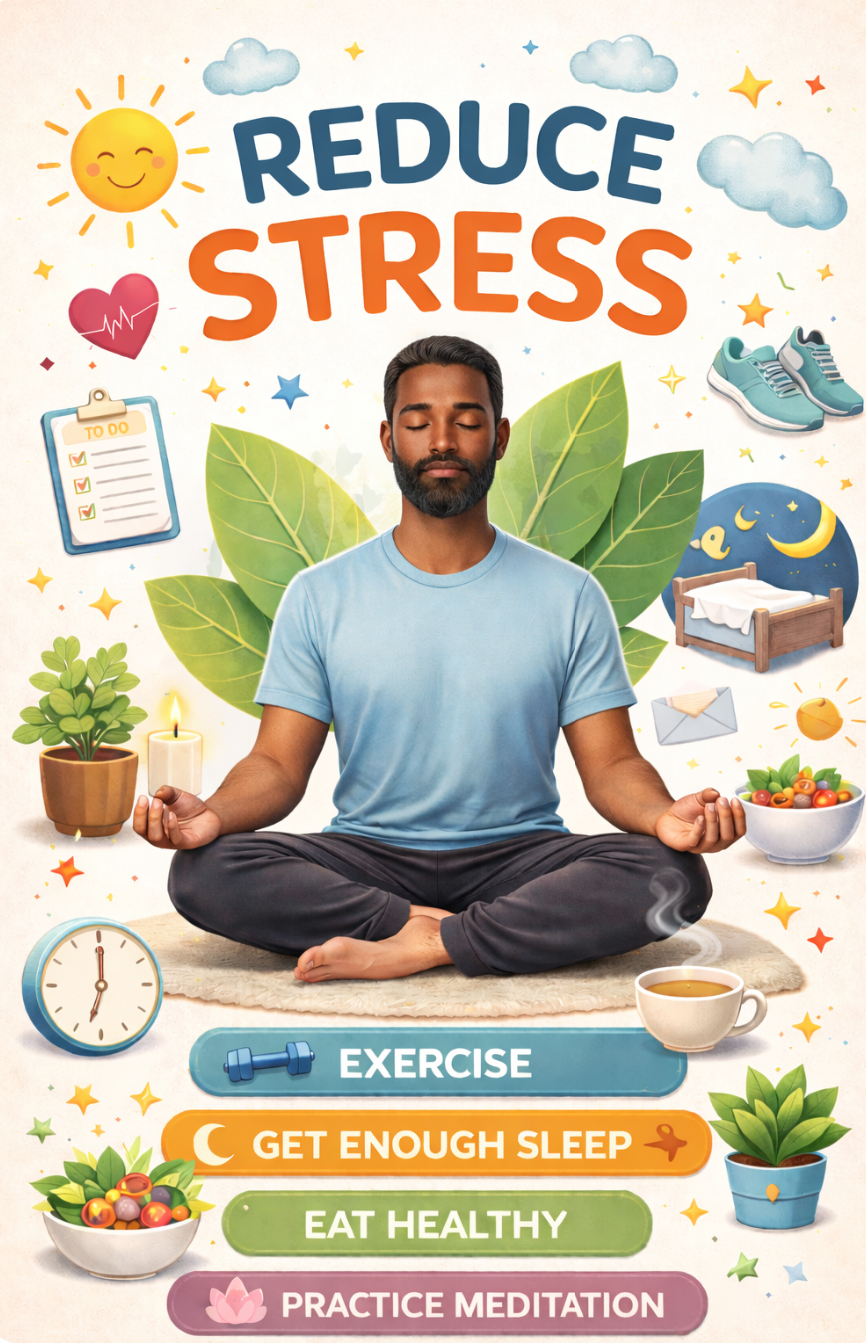
  • Incorporate stress reduction techniques
    •  Deep breathing
    • Meditation
    • Mindfulness
    • Progressive muscle relaxation (this one is what my son explained to me, it helped him)
    • Music
    • Counseling
  •  

Stress and Its Impact on Beard and Hair Health

The Effects of Psychological and Environmental Stress on Micronutrient Concentrations in the Body: A Review of the Evidence

Hover mouse over flip box   

Hair formation & the body's stress response require some of the same nutrients

Stress depletes particular vitamins & minerals. If they're already at a deficit, this exacerbates the negative effects
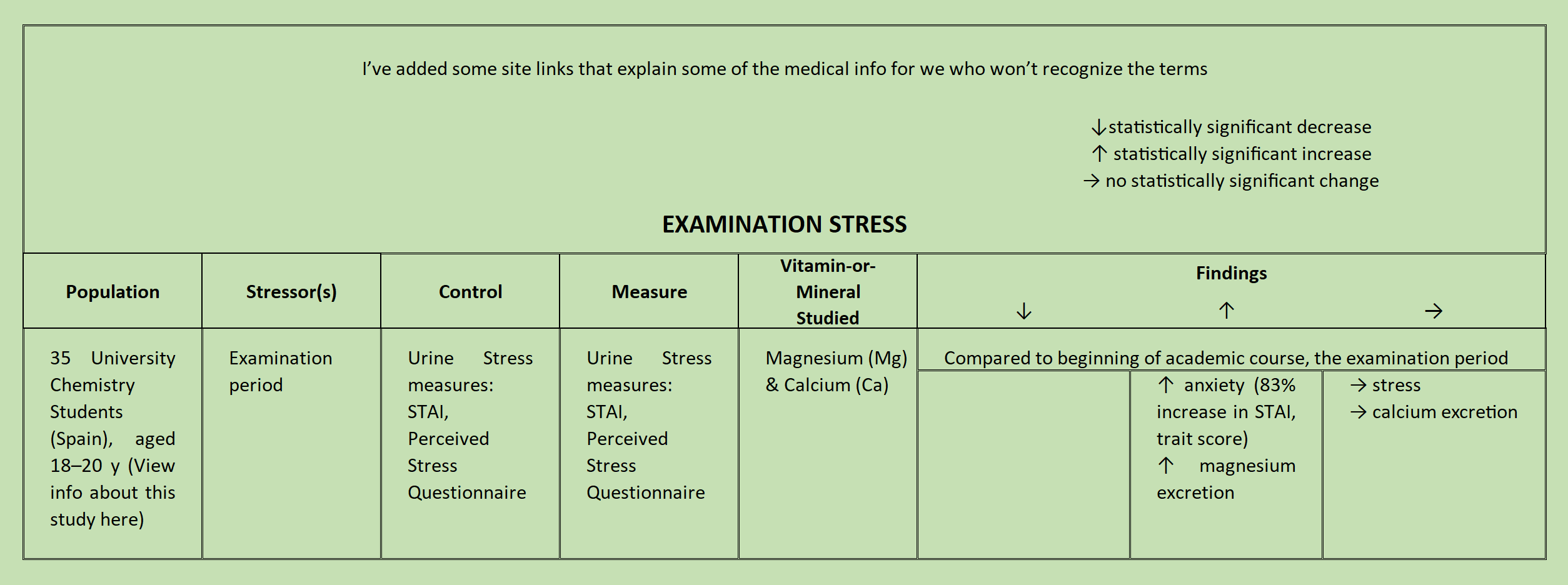

The Effects of Psychological and Environmental Stress on Micronutrient Concentrations in the Body: A Review of the Evidence

~ ~ ~ Vitamins: A, B, C, & D ~ ~ ~ Minerals: Ca, Cu, Fe, Mg, & Zn ~ ~ ~
Click to read the entire document

Stress Depletes Nutrients Critical for Hair Growth

Hair formation and the body’s stress response share a surprising connection: they both rely on many of the same nutrients. Stress, whether psychological or environmental, can deplete essential vitamins and minerals, worsening any pre-existing deficiencies.

Studies, such as The Effects of Psychological and Environmental Stress on Micronutrient Concentrations in the Body: A Review of the Evidence, highlight specific nutrients affected by stress, including:

  • Vitamins: A, B, C, and D
  • Minerals: Calcium (Ca), Copper (Cu), Iron (Fe), Magnesium (Mg), and Zinc (Zn)

For those experiencing chronic stress, ensuring adequate nutrient intake is vital to counteract its effects and support both physical health and hair growth.

The Body’s Complex Interconnection

Our bodies function like intricate machines, with multiple systems working together to sustain life. Scientific discoveries continue to unveil how interconnected processes influence each other, from nutritional deficiencies to depression, diabetes, and even hair follicle health.

While much is known, definitive conclusions about how stress alters nutrient levels remain elusive. For instance:

  • Chronic stress is associated with higher risks of physical and mental illness, but exact mechanisms are still under study.
  • The medical and psychological implications of nutrient depletion from stress remain to be fully determined.


This underscores the complexity of human biology and the challenge of understanding all its nuances.


A Treasure Trove of Research

I was thrilled to stumble upon a compilation of studies addressing stress, nutrients, and their combined impact on health. Having begun organizing data from individual studies, this discovery saved hours of effort while providing comprehensive insights into maintaining both overall wellness and optimal beard health.


Explore the full findings here: The Effects of Psychological and Environmental Stress on Micronutrient Concentrations in the Body: A Review of the Evidence.

Image AI generated

Vitamins and Minerals for the Fight-or-Flight Response


The body’s stress response, also known as the fight-or-flight reaction, draws on essential nutrients like vitamins B, C, and magnesium to manage this physiological process. Interestingly, these same nutrients are crucial for beard and hair growth.


When prolonged stress depletes these resources, it creates a dual challenge: increasing stress while simultaneously hindering beard growth. This connection highlights the importance of

maintaining a well-balanced diet rich in essential nutrients.


Nutrient Depletion and Modern Food Challenges

Modern dietary habits often exacerbate nutrient depletion. The rise of poor food choices, combined with the effects of soil depletion on fruits and vegetables, further reduces the availability of vital vitamins and minerals in our diet. (Read more about soil depletion and nutrition loss here.)


Since vitamin depletion is rarely considered a significant factor in stress management, this section emphasizes the vital role nutrients play in supporting both stress reduction and beard health.

A Cycle Worth Breaking

Without sufficient nutrients, prolonged stress can create a vicious cycle. The stress response depletes vitamins and minerals, which are already necessary for hair production, leaving the body struggling to manage stress and support beard growth. Understanding this interplay provides actionable insights to nourish your body and your beard effectively.


Prioritize nutrient-dense foods and your beard will thank you!

A Beard of Epic Proportions

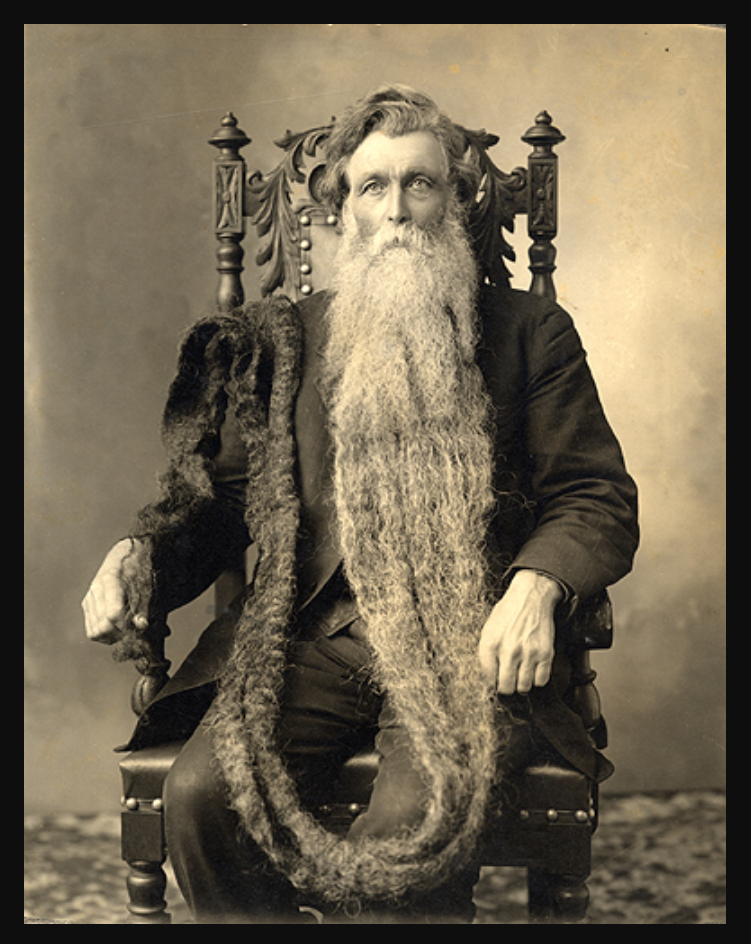
While exploring the fascinating world of beards, I stumbled upon a photo of Hans Langseth on Wikipedia, a man known for sporting the world’s longest beard. Can you imagine managing such an extraordinarily long mane?


Now picture trying to brush a beard of that magnitude—it’s a humorous yet awe-inspiring thought! Langseth’s beard remains a symbol of dedication and patience, a testament to how far some will go to embrace the art of beard cultivation.


Fun Fact: Langseth’s beard, measured at 17 feet 6 inches, still holds the record as the longest beard in history. Truly a sight to behold!

Exploring Information at a Click

Below, you’ll find bulleted sections with corresponding flip boxes. These flip boxes contain brief summaries of the key information, and each includes a link to direct you to the full details on the relevant website. Simply click on the flip boxes to uncover more!

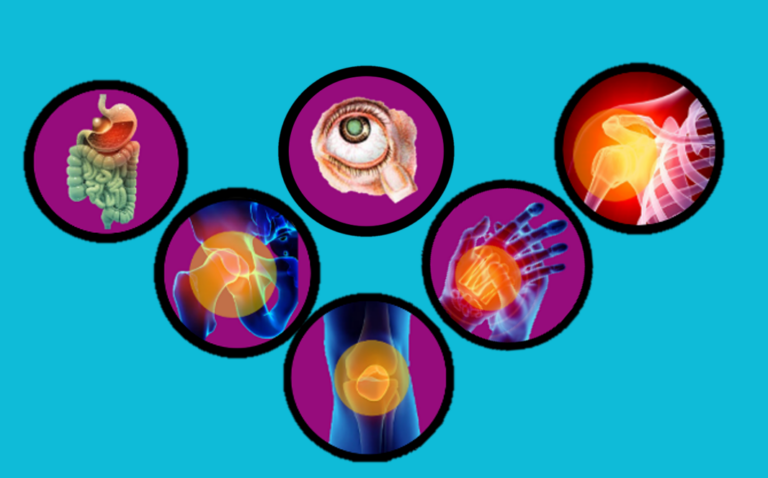
  • The heart
    • Hypertension
    • Constricted blood vessels
  • Testes & Ovaries/Uterus
    • Decreased Testosterone
    • Fertility issues
    • Pregnancy–Preterm births
  • Asthma
  • Vitamin A, B, & C depletion
  • Inflammatory issues
    • Stomach
    • Arthritis
    • Vision
  • Sleep deprivation
  • Migraines

Heart Disease

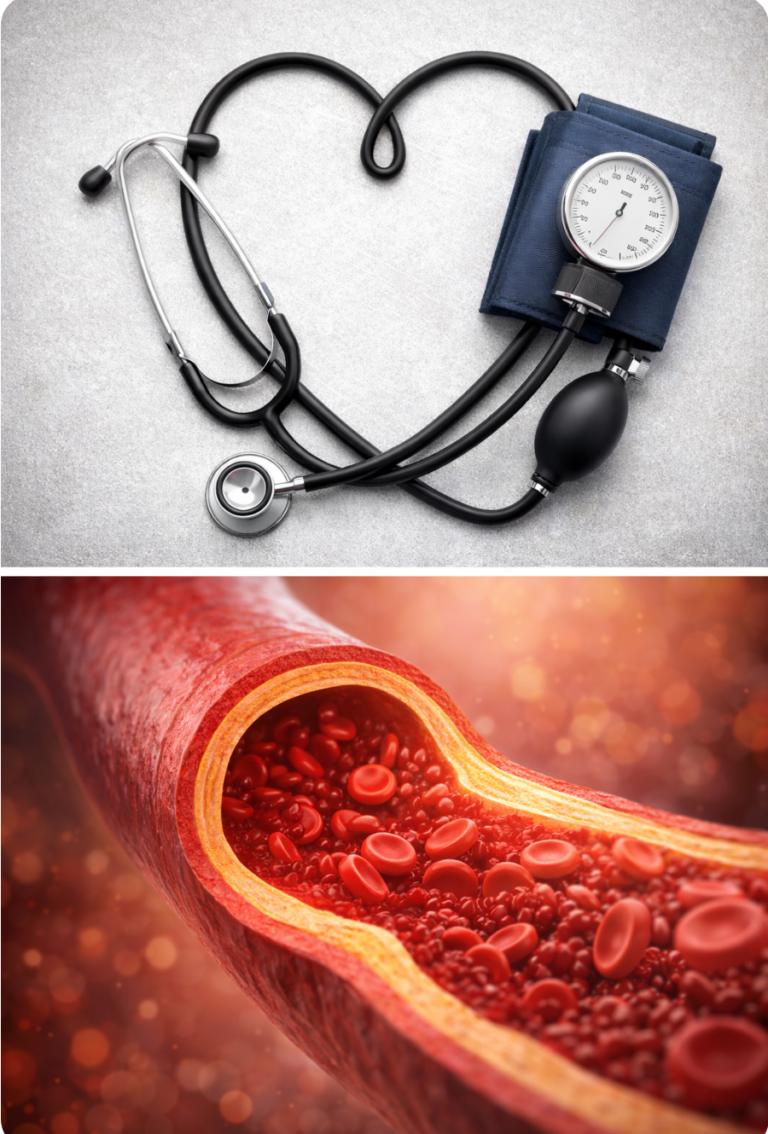
Stress causes Hypertension and Constricts blood vessels.
Respiratory and cardiovascular systems

The heat pumps faster when you’re under stress; at the same time, blood vessels constrict which raises blood pressure.
Click Here

Migraines & Tension headaches

Migraines & Tension headaches

"Musculoskeletal system – Stress makes muscles tense, which, over time, can lead to tension headaches, migraines, backaches and other musculoskeletal conditions." View more info by clicking the below link to the Memorial Hermann website.
Click Here

1.  Mayo Clinic info 

2. More Mayo Clinic info 

Testes, Ovaries/Uterus

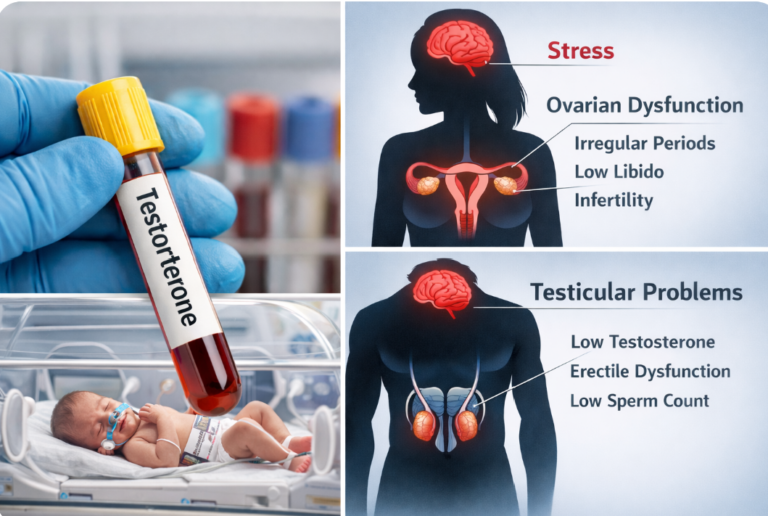
In mice, when subjected to high levels of stress, testosterone levels decreased. / "Substantial evidence indicates that the placenta detects and responds to a variety of maternal physiological & psychological stress signals which can promote early birth" (See link below, Section 4.3.1)
Stress, Testosterone, & Fertility

Suppression of testosterone production occurs at the hypothalamic & pituitary level, and in the testes. See section 'Glucocorticoid Action in the Testis' Stress affects the health of the unborn baby; it can affect uterus and ovary functions.
Click Here

1. Info regarding Maternal Stress to Preterm Birth on   National Library

of Medicine (Section 4.3.1)

2. A bit of info on  WebMD

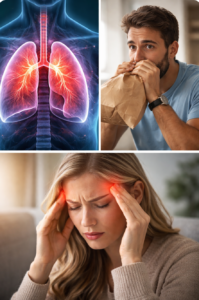
Respiratory & Anxiety or Panic Attaches

Generally, pollen, moving from a cold environment to the warm indoors (or vice versa), wind, & cold temperatures are sure to cause a sudden asthma attack. However, so can a sudden jolt to me. Lol, my son, as a youngster (even a teen) use to knock on our bedroom door so loudly that I'd spring half out of my skin as I'd be abruptly awakened. Guess what?? I'd immediately have an asthma attache from just that jolt to my system.
Respiratory & Panic Attaches

HYPERVENTILATION: Emotional situations, extreme stress, and anxieties are the usual triggers for abrupt hyperventilation episodes. However, they can also be associated with respiratory diseases such as asthma, and emphysema, as well as those who have lung cancer. -- -- -- -- -- -- -- ANXIETY 'ATTACHS' : Though the Diagnostic and Statistical Manual of Mental Disorders (DSM-5) doesn’t recognize anxiety “attacks” many people do have of the common symptoms of those who suffer from panic attacks. I’m one of those; sometimes my anxiety symptoms prevent me from doing something as simple as grocery shop. -- -- -- ANXIETY, instead, is considered by the DSM-5 as a trait or characteristic of a multitude of common psychiatric disorders. Anxiety and panic 'attacks' have the same symptoms, see the Healthline link below.
Click Here

1. PANIC ATTACK info on the Better Health Channel

2. HYPERVENTILATION info from

 the  John Hopkins Medicine

3. Healthline info regarding ANXIETY & PANIC ATTACKS

stress & inflammation

Stress increases Cortisol which creates inflammation throughout the body.

Stress and Inlammatory conditions

What is MIF? Macrophage Migration Inhibitory Factor (MIF) is a type of signaling protein, known as a cytokine, that plays a role in managing inflammation in the body. Think of it as a "signal booster" for your immune system—it calls in help to fight off infections or deal with injuries. How Do Glucocorticoids Affect MIF? Glucocorticoids are natural steroids produced by the body to manage stress and regulate inflammation. Here's how they interact with MIF: 1. Low Levels of Glucocorticoids: o When these steroids are at low levels, they stimulate macrophages (a type of immune cell) to produce more MIF. o More MIF means the immune system is in "boost mode," increasing inflammation. This can help the body fight infections or repair injuries. 2. High Levels of Glucocorticoids: o When these steroids are at higher levels, they suppress the production of MIF. o Less MIF means the immune system is in "calm mode," reducing inflammation. This is helpful when the body needs to avoid excessive immune activity, such as in chronic stress or autoimmune conditions.
Click Here

Dangers of Sleep Depravation

"Data from three separate studies suggests that sleeping five or fewer hours per night may increase mortality risk by as much as 15 percent." (See link below, Harvard, Healthy Sleep Med)
Dangers of Sleep Depravation

British researchers discovered that those who sleep less than 5 hours a night are twice at risk for death from cardiovascular disease (“Whitehall II Study”). Heart disease is the number one cause of death in the USA.
Click Here
Subscribe
Notify of
guest

0 Comments
Oldest
Newest Most Voted
Inline Feedbacks
View all comments

Educational & Informational Disclaimer

The information provided on this website is for educational and informational purposes only. It is intended to share general knowledge about traditional soapmaking, ingredient behavior, historical context, and manufacturing processes.


Nothing on this site is intended to diagnose, treat, cure, or prevent any disease or medical condition. The products offered are classified as soap under FDA guidelines and are not intended to affect the structure or function of the skin or body. Individual experiences and preferences may vary.


Information presented here should not be considered a substitute for professional medical advice, diagnosis, or treatment. If you have a medical condition, skin concern, or sensitivity, please consult a qualified healthcare professional before using any product.


This website may reference or link to third-party scientific, technical, or educational resources for general learning purposes. These references are provided to support transparency and encourage independent research, not as endorsements or medical guidance.

Click here to read the full disclaimer.

Contact me:

I typically respond to texts almost immediately unless I’m in the middle of making soap.


As soon as I reach a stopping point, I’ll be sure to check and reply.

I check my email daily and will get back to you as soon as possible.

Address:

Michele Woody

104814 State Hwy 64b

Muldrow, OK 74948

0 0 votes
Article Rating
0
Would love your thoughts, please comment.x
()
x