The Genetics, Hormones, and Care Behind Facial Hair
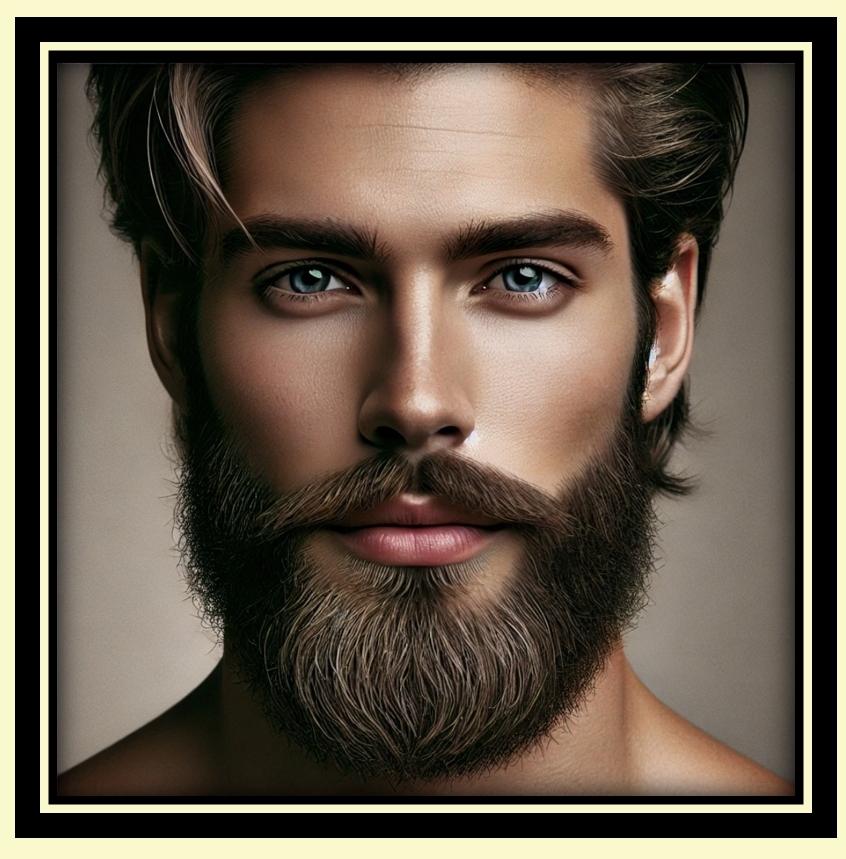
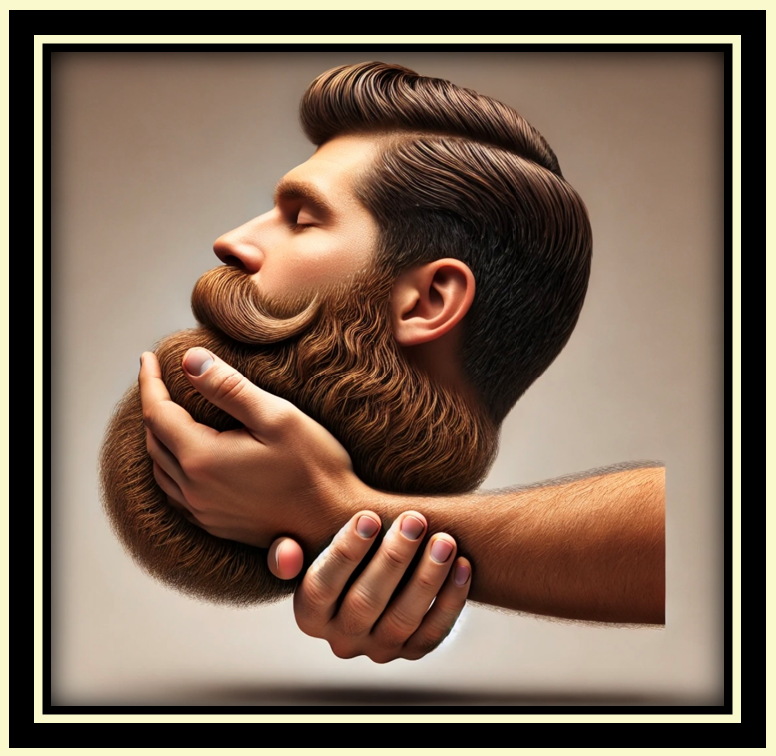
Image AI-generated
The Role of Genetics in Beard Growth
Beard growth is heavily influenced by genetics, dictating thickness, growth patterns, and texture. Understanding these factors helps manage expectations and optimize care routines.
The Genetic Blueprint for Facial Hair
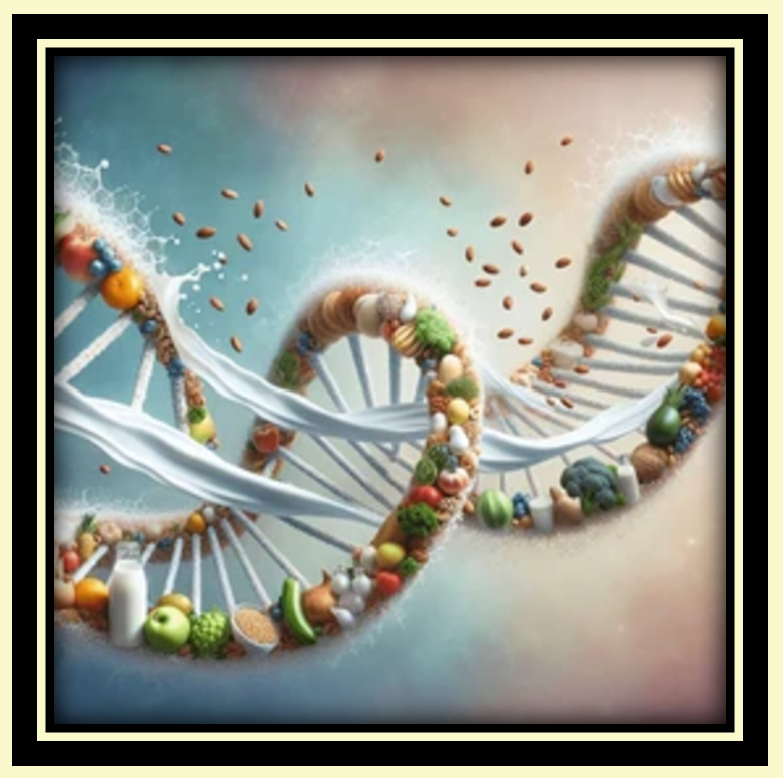
Genes inherited from both parents influence several key factors:
Follicle Density: Determines how full your beard appears.
Hair Texture and Thickness: Dictates whether beard hairs are coarse or fine.
Growth Patterns: Determines areas where facial hair grows, such as cheeks, chin, or jawline.
Genetic factors for beard growth differ from those for scalp hair, explaining why beard density doesn’t always correlate with a full head of hair.
Image AI-generated
The Role of Hormones: Testosterone and DHT
Hormones, particularly testosterone and DHT, are critical for beard growth:
Testosterone: Activates hair follicles during puberty, influencing the growth rate.
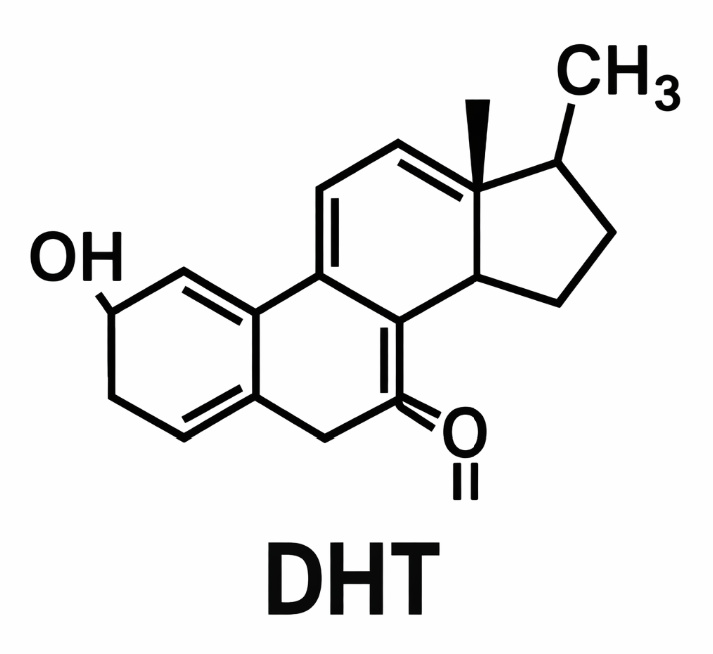
DHT (Dihydrotestosterone): More potent than testosterone, DHT thickens and strengthens facial hair. It is especially effective in areas like the chin and jawline. While DHT boosts beard growth, it can contribute to male pattern baldness by shrinking scalp hair follicles in genetically predisposed individuals.
DHT’s Dual Role: Beard Growth vs. Hair Loss
The same hormone responsible for beards can lead to scalp hair loss:
Targeted Care: Grooming and maintaining hydration maximize the potential of existing facial hair.
Image AI-generated
Image AI-generated
Embracing Your Beard
Genetics lay the groundwork for your beard, but care and confidence are key to its appearance. Whether your beard is full or patchy, adapting your grooming routine to your unique characteristics will help you make the most of your beard’s potential.
The information provided on this website is for educational and informational purposes only. It is intended to share general knowledge about traditional soapmaking, ingredient behavior, historical context, and manufacturing processes.
Nothing on this site is intended to diagnose, treat, cure, or prevent any disease or medical condition. The products offered are classified as soap under FDA guidelines and are not intended to affect the structure or function of the skin or body. Individual experiences and preferences may vary.
Information presented here should not be considered a substitute for professional medical advice, diagnosis, or treatment. If you have a medical condition, skin concern, or sensitivity, please consult a qualified healthcare professional before using any product.
This website may reference or link to third-party scientific, technical, or educational resources for general learning purposes. These references are provided to support transparency and encourage independent research, not as endorsements or medical guidance.