
Mastering Ingrown Hair Prevention and Care
Overview
Both men and women experience the discomfort of ingrown hairs. However, men are more likely to encounter them on the face due to frequent shaving.
This section focuses on the causes of ingrown hairs, how to prevent them (though not eliminate them entirely), and practical tips for gently encouraging them to emerge from their blocked pore.
Note on Ingrown Hairs: Most ingrown hairs will resolve on their own with proper care, as long as the affected area is kept clean and free from irritation. Avoid picking at or squeezing the ingrown hair, as this can lead to infection or other complications. If the ingrown hair persists or becomes inflamed, it’s a good idea to seek professional advice.
Important Disclaimer: The following suggestions for managing ingrown hairs, including ways to coax them out, are based on advice from the Cleveland Clinic. I provide a link to the Cleveland Clinic’s website for you to explore their full recommendations. This information is shared for educational purposes, and I do not offer medical advice. For specific treatment or if you experience complications, such as infection or pus, please consult a healthcare professional.
Follicle Shape, Hair Texture, and Ingrown Hairs
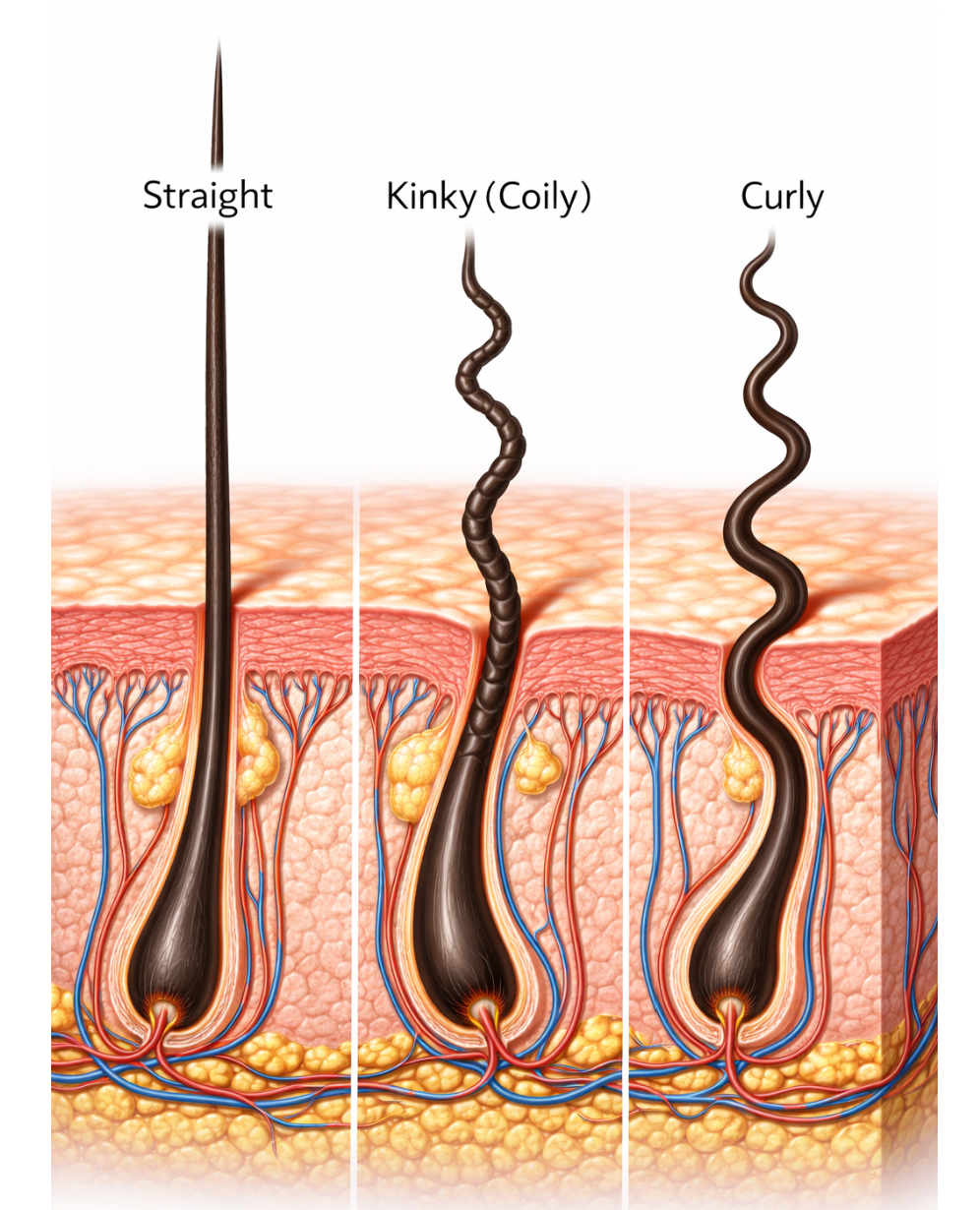
Image from Shutterstock
The shape of your hair follicle—whether straight, kinky, curly, or coiled—plays a significant role in the likelihood of developing ingrown hairs.
Once you shave for the first time, encountering ingrown beard strands is almost inevitable. Different beard styles require varying shave areas, and the larger the area you shave, the higher the chances of hair growing improperly.
Hair that naturally curls downward and back into the skin is more prone to becoming ingrown. This tendency is strongly influenced by the physical shape of the follicle, but the follicle shape isn’t the only factor. Men with coarse facial hair are also at a higher risk of experiencing hairs that turn and grow back into the dermis.
Ingrown Hairs
Ingrown hairs occur when clogged hair follicles, often blocked by a buildup of dead skin cells, prevent the hair from following its natural growth path—straight out of the skin.
How Ingrown Hairs Develop
Ingrown hairs can form in different ways depending on how the hair’s growth is impeded and the type of hair involved.
Proper Growth
- This hair strand grows straight out of the skin without issue, following its natural path.
Curled Growth
- A strand that successfully breaches the skin may curve back into it due to its natural curl. Shaving sharpens hair ends, making it easier for them to pierce the skin and grow downward into the dermis.
Sideways Growth
- When whiskers are shaved too short—especially if the skin is pulled too tight during shaving—the hair can slip beneath the skin’s surface as the skin is released. It then grows sideways under the skin, often leading to inflammation and irritation.
Blocked Growth
- Even if a hair grows straight upward, it can become trapped under the skin if dead skin cells block its path. This can result in irritation and redness as the hair struggles to emerge.
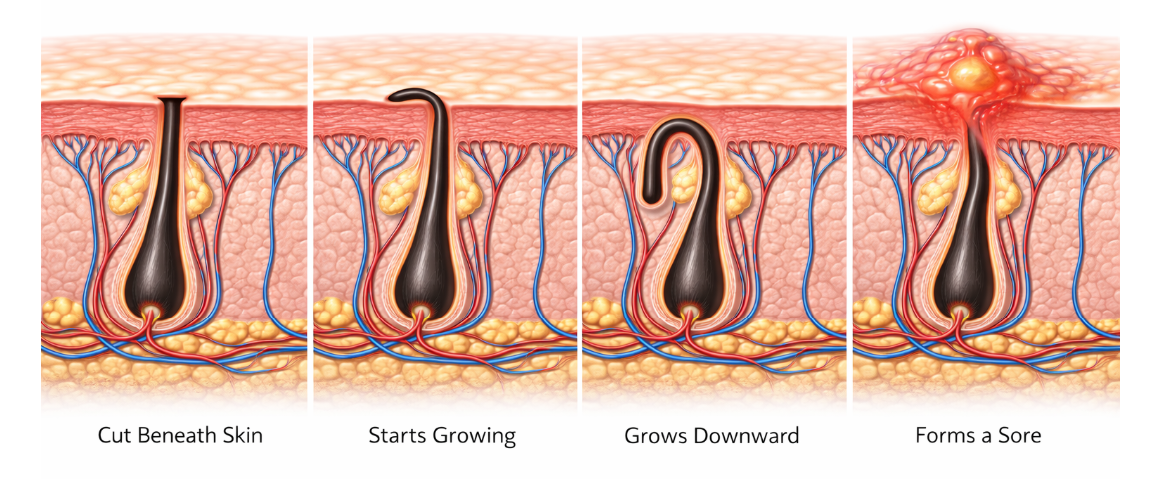
Image AI generated
The Body’s Response
The body’s immune system recognizes a hair piercing the skin as an intruder and responds defensively. It creates pus, which is a collection of dead white blood cells, to protect the area. This buildup is called a pustule or pimple when near the skin’s surface.
Caring for Ingrown Hairs
Most ingrown hairs resolve on their own if the area is kept clean. Avoid picking at or squeezing them, as this can break the skin and allow bacteria to enter, which increases the risk of infection.
If the skin isn’t kept clean, it can lead to serious infections, such as staph, which may affect the bloodstream. If you suspect an ingrown hair has become infected or you’re unsure, it’s important to seek professional medical attention.
For tips on managing stubborn ingrown hairs, check out the Cleveland Clinic’s suggestions here.
“Preventing Ingrown Hairs” Section to Replace the Old One:
Preventing Ingrown Hairs
Although it’s impossible to completely prevent ingrown hairs, following proper care routines can significantly reduce their occurrence:
Exfoliate Regularly (But Gently): Gently remove dead skin cells to keep pores clear, but avoid over-exfoliating, which can irritate the skin. Gently exfoliating helps to prevent clogged pores and promote healthier beard growth.
Use Natural Soap: Avoid detergent soaps that can dry out your beard. Opt for natural soaps to maintain moisture and support healthy skin underneath.
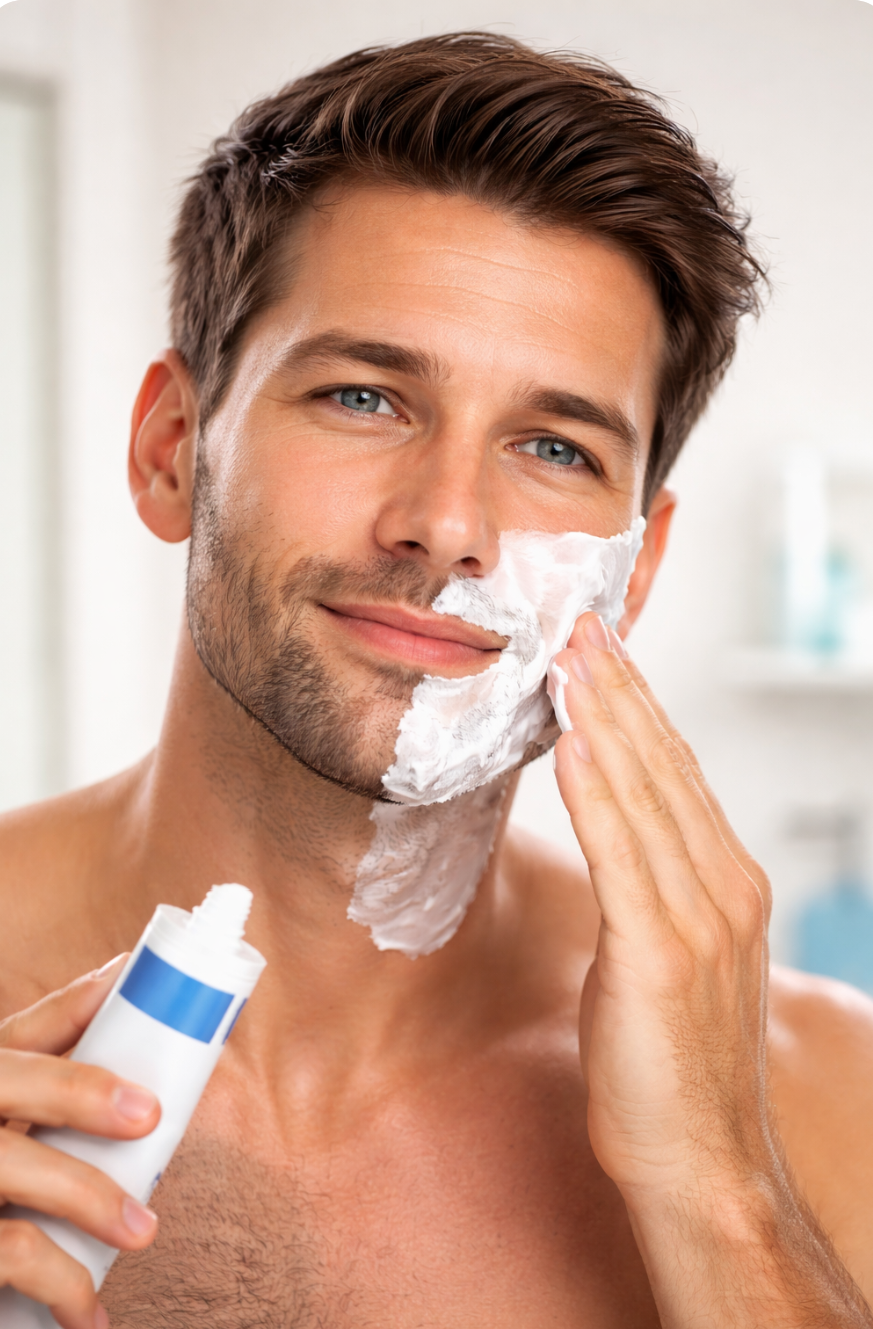
Avoid Dry Shaving: Always use a pre-shave oil to prepare and protect the skin before shaving. This step reduces irritation and prevents hair from growing back improperly.
Shave With the Grain (First Pass): Shaving in the direction of hair growth reduces the chances of irritation and ingrown hairs. Start your shave gently, following the hair’s natural growth pattern.
Avoid Over-Tightening Skin: Pulling the skin too tight during shaving can cause hairs to be cut below the dermis, increasing the risk of them growing inward. Shave carefully and with light pressure.
Use Sharp, Clean Blades: Dull or dirty blades can tug at hair and irritate the skin. Replace your razor regularly to prevent skin damage and to ensure a smooth shave.
Finish With an Astringent: Close pores after shaving to reduce the chances of blockages. This step helps your skin remain clean and protected after the shave.
Condition Your Beard: Apply beard oils to keep facial hair soft, nourished, and less prone to curling back into the skin. Beard oils hydrate the skin and hair, promoting healthier growth and reducing irritation.
.
Exfoliating for Healthy Skin & Beard
Exfoliation is key to achieving healthy skin and a well-maintained beard. It removes dead skin cells, helps prevent clogged pores, and promotes smoother, softer skin underneath your beard.
Gentle Exfoliation Tips:
Use a soft washcloth with lather to exfoliate gently. Avoid using harsh materials that could irritate the skin.
Try gentle scrubs or facial masks designed for sensitive skin.
Avoid over-exfoliating; doing so can irritate your skin and lead to more issues.
Frequency: Start exfoliating once a week and adjust to twice a week if your skin tolerates it well.
Exfoliating regularly helps maintain healthy skin, ensuring your beard grows in properly and the skin beneath remains clear and smooth.
Regular exfoliation may help keep pores clear and prevent blockages, which can reduce the likelihood of ingrown hairs. Avoid picking at or squeezing ingrown hairs, as this can potentially lead to irritation or infection. If an ingrown hair becomes persistent or inflamed, it’s a good idea to consult a professional to avoid complications, such as infection.
Remember, most ingrown hairs will resolve on their own over time with proper care and by keeping the affected area clean and free from irritation. If you experience significant discomfort or the ingrown hair shows signs of infection, seeking professional medical advice is recommended.
Options for Deeper Exfoliation
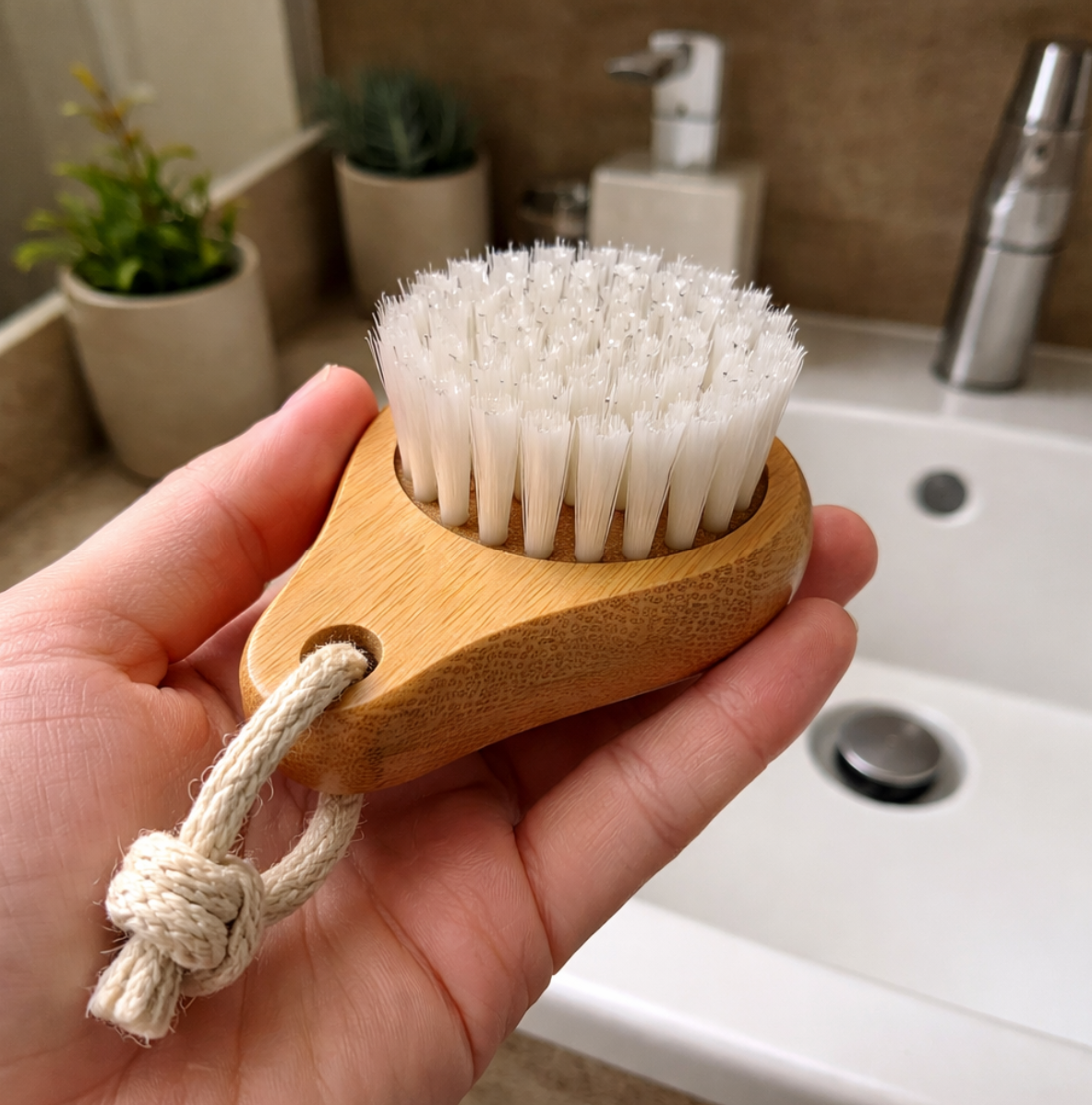
Image AI generated

Image AI generated
If you want a deeper exfoliation, there are several effective methods to consider:
Facial Brushes: Manual or electric brushes offer a deeper clean and are ideal for exfoliating. They can remove more dead skin and promote circulation to keep the skin healthy.
Homemade Masks: Ingredients like Bentonite clay are great for smoothing the skin, drawing out impurities, and balancing pH levels.
Chemical Exfoliants: Ingredients such as Alpha Hydroxy Acids (AHAs) (found in natural sources like fruits or yogurt) and Beta Hydroxy Acids (BHAs) are great for more sensitive skin. These gentle acids help exfoliate dead skin without irritating. Make sure to follow up with sunscreen when using these, as they can make your skin more sensitive to sunlight.
Mechanical Scrubs: If you prefer a physical scrub, ingredients like sugar or ground walnut powder can help. However, these should be used sparingly to avoid over-exfoliating and irritating the skin.
Find What Works for You
While there are many exfoliating tools and products on the market, simple methods can often be just as effective and more affordable. My husband uses a small, inexpensive facial brush and handmade soap for a routine that is both gentle and effective.
Technique
Dilate Pores
Shave when your skin is warm and your pores are open. Exfoliating in the shower is ideal, but if that’s not an option, splash warm water on your face to help open your pores before shaving.
Exfoliating
- Use gentle, circular motions when exfoliating—never pull down on the skin.
- After exfoliating, rinse with cool water to close your pores and pat your skin dry. Avoid rubbing with a towel to prevent lint from sticking to your beard.
- For facial masks, let them dry completely, then remove by holding a warm, damp washcloth against the area until the mask comes off easily.
Beard Care
- Exfoliate the outer areas of your face with a gentle scrub or washcloth.
- Focus on your beard using a boar’s hair brush to loosen dead skin trapped beneath. Brush gently to avoid irritation or discomfort.
- Regular exfoliation helps prevent dead skin buildup, keeps the skin beneath your beard clear, and promotes a healthier beard.
Ingrown Hairs
Regular exfoliation helps keep pores clear, which may reduce the likelihood of ingrown hairs by preventing blockages. Avoid picking or squeezing ingrown hairs, as this can potentially lead to irritation or infection. If an ingrown hair becomes persistent or inflamed, it’s a good idea to seek advice from a professional to prevent complications, such as infection.
Avoid Hair Removal Creams
Hair removal creams work by eliminating hair at the surface level, but they don’t address the hair at the root. This can increase the risk of ingrown hairs, as the sharp edges of the regrowing hair can re-enter the skin
Baking Soda, Milk, and Honey Bath
Once a week, treat your skin to a soothing bath with baking soda, organic milk (which contains lactic acid), and honey (rich in antioxidants). This natural remedy may gently exfoliate and nourish the skin, helping to maintain a smooth appearance.
Take Regular Baths
Frequent baths can help keep the skin nourished and may reduce the likelihood of ingrown hairs. If daily baths aren’t feasible, aim for at least three times a week to support healthy skin.
Exfoliation Tips
Use gentle methods to exfoliate, such as a soft, lather-filled washcloth, mild facial scrubs, or facial masks. Be cautious not to over-exfoliate, as this can irritate the skin. Start with exfoliating once a week, and adjust to twice weekly if your skin can tolerate it. Experiment with different techniques to discover what works best for you.
Conclusion: Healthy Habits for Ingrown Hair Prevention
While ingrown hairs can be frustrating, adopting consistent skincare and grooming habits can help reduce their occurrence. Regular exfoliation, proper shaving techniques, and keeping your skin and beard nourished are important steps in prevention. Patience is key—most ingrown hairs will resolve on their own over time. For persistent or inflamed cases, consider consulting a dermatologist to help manage the situation and maintain your skin’s health. With the right care, you can keep your skin smooth, clear, and free from irritation.
Educational & Informational Disclaimer
The information provided on this website is for educational and informational purposes only. It is intended to share general knowledge about traditional soapmaking, ingredient behavior, historical context, and manufacturing processes.
Nothing on this site is intended to diagnose, treat, cure, or prevent any disease or medical condition. The products offered are classified as soap under FDA guidelines and are not intended to affect the structure or function of the skin or body. Individual experiences and preferences may vary.
Information presented here should not be considered a substitute for professional medical advice, diagnosis, or treatment. If you have a medical condition, skin concern, or sensitivity, please consult a qualified healthcare professional before using any product.
This website may reference or link to third-party scientific, technical, or educational resources for general learning purposes. These references are provided to support transparency and encourage independent research, not as endorsements or medical guidance.
Click here to read the full disclaimer.
Contact me:

Text:
(479) 651-2760
I typically respond to texts almost immediately unless I’m in the middle of making soap.
As soon as I reach a stopping point, I’ll be sure to check and reply.
I check my email daily and will get back to you as soon as possible.