
The Impact of Exercise on Beard Growth:
Circulation, Hormones, and Hair Health
Introduction: The Link Between Exercise and Beard Growth
When incorporating exercise into your daily routine, it’s important to start gradually, especially if you’re new to exercising or typically lead a sedentary lifestyle. Different types of exercises serve different purposes, and I’ve read that cardio workouts—like brisk walking, running, cycling, and dancing—may be beneficial for beard growth. The reason? Improved circulation. Cardio enhances blood flow, which supports healthier growth for both facial and scalp hair.
Benefits of Cardio Exercise for Beard Growth
Cardio exercises are especially beneficial for promoting overall circulation. This not only benefits scalp hair but facial hair as well, ensuring they receive the nutrients they need for healthy growth. Improved blood circulation encourages better nourishment to the hair follicles, resulting in stronger, healthier hair growth

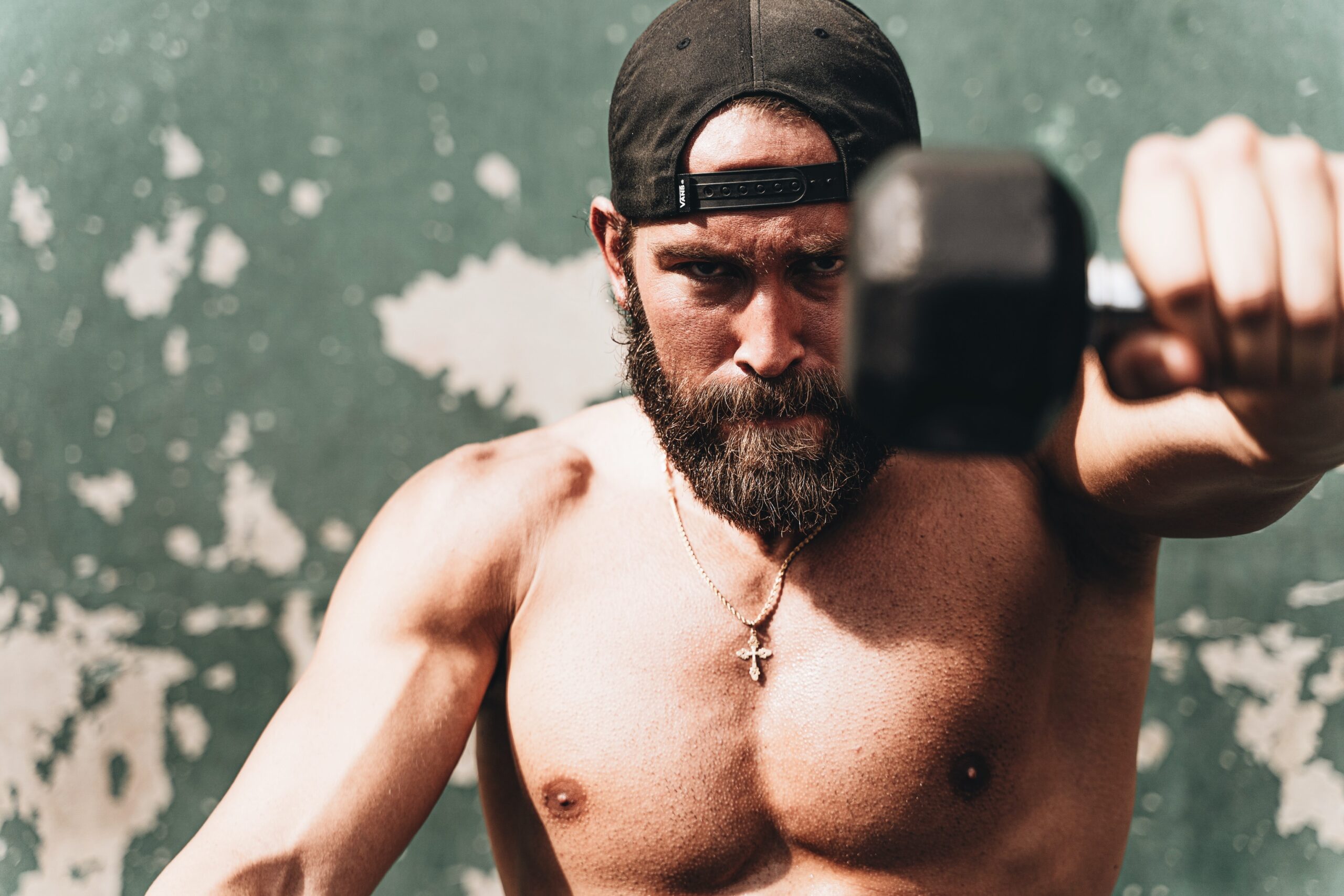
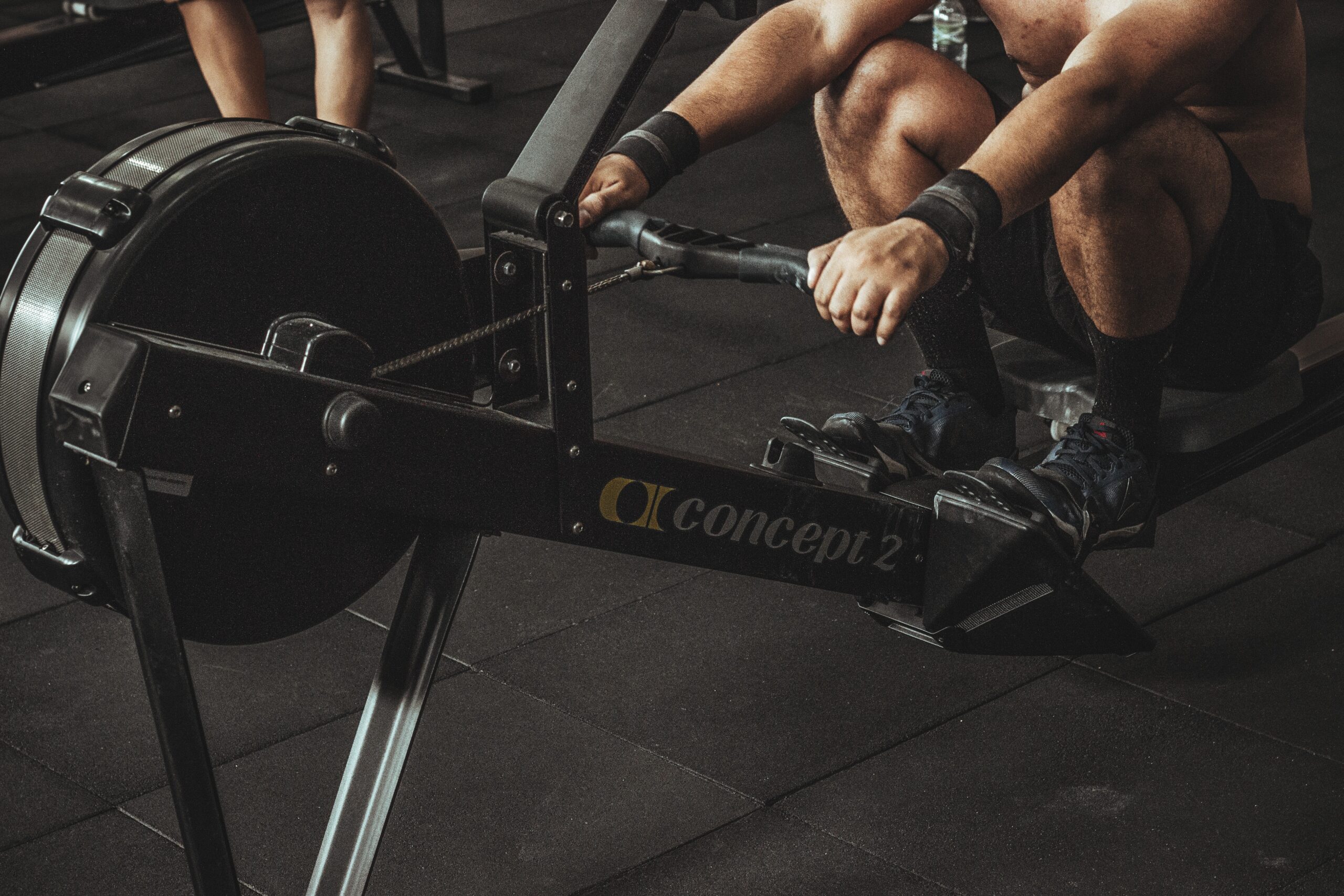
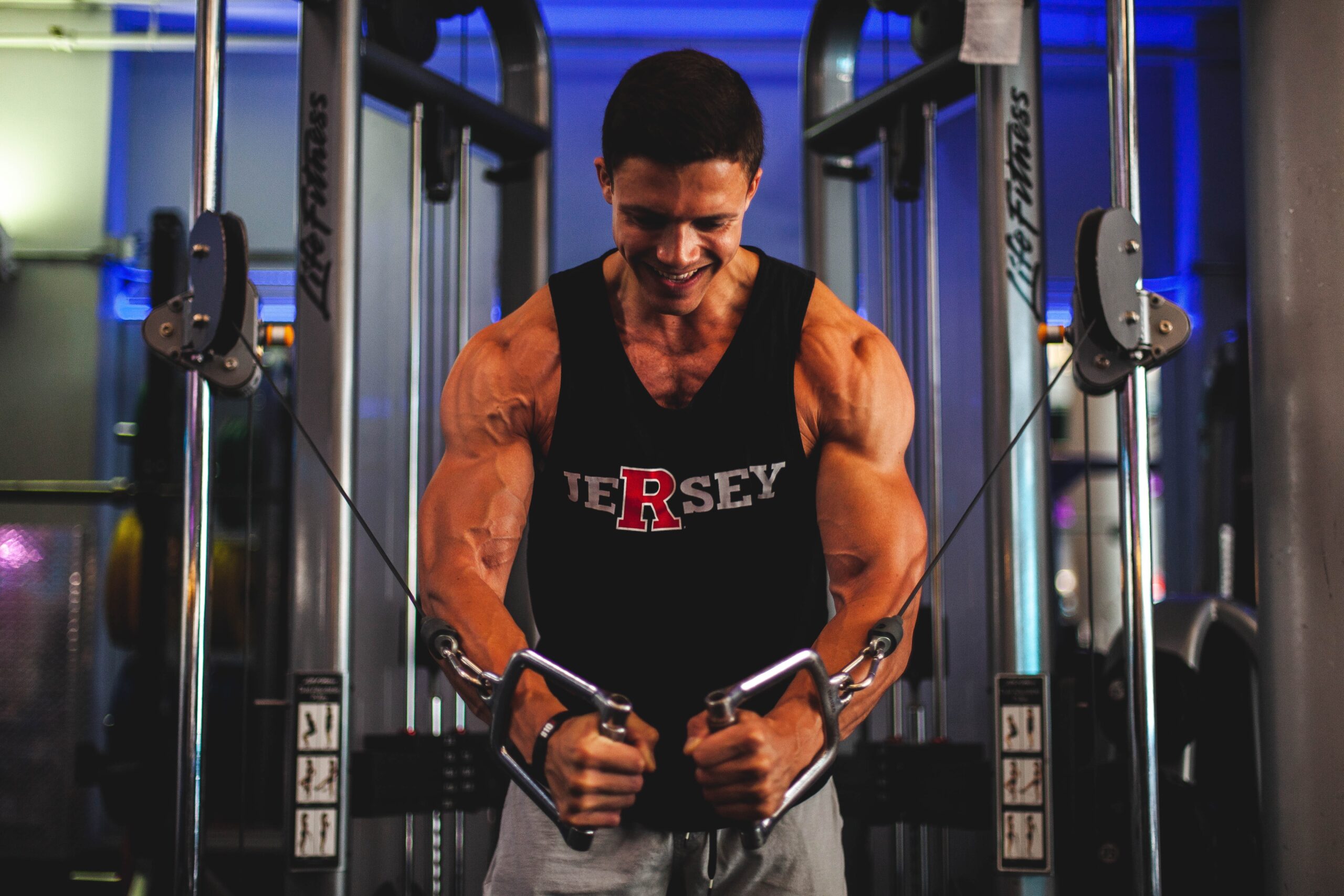

Photo by Karsten Winegeart on Unsplash
Photo by LOGAN WEAVER on Unsplash
Photo by Victor Freitas on Unsplash
Photo by Total Shape on Unsplash
Photo by Andrew “Donovan” Valdivia on Unsplash
Targeting Larger Muscle Groups for Beard Growth
Exercises that target larger muscle groups seem to have an even more significant impact on beard growth. Why? Because they increase levels of testosterone and DHT (dihydrotestosterone), two hormones that are essential for promoting beard growth. Testosterone helps set the foundation for hair growth, while DHT encourages linear (length) growth of the beard hair.
Some individuals with hair loss may experience fuller facial hair growth, but the reasons for this can vary and are influenced by factors such as genetics and hormonal balance.
Expert Opinions on the Link Between Exercise and Beard Growth
(Scroll down to)
“This will in turn increase testosterone, which promotes healthy follicles and hair growth. The exercise also increases blood circulation which provides all the nutrients the hair needs to grow thicker and stronger.”
Source: Quora
“Exercise will boost testosterone, though certain types of exercise increase testosterone more than others,” says Richard Jadick, D.O., a urologist at Piedmont….”
Source: Piedmont Healthcare
Seven Exercises That Naturally Increase Testosterone in Men by Adam Bible
“…….the only foolproof techniques to increase and maintain healthy levels are lifting weights and eating the right foods, says Thomas King, M.S., C.S.C.S., strength and conditioning coach at JK Conditioning Opens a New Window in St. John’s, Newfoundland, Canada………
To maintain high testosterone levels, it is best to eat foods high in magnesium, zinc, and vitamin K, like dark leafy greens for magnesium, shellfish to get a healthy dose of zinc, and plenty of egg yolks Opens a New Window for vitamin K,” he says. “Heavy resistance training exercise protocols have been shown to increase T levels in men.
The best exercises to build testosterone, King says, are multi-joint exercises that utilize the body’s largest muscle groups:
- squat
- deadlift
- bench press
- row
- pullup/chinup
- ovrehead press
- pushup”
Source: Men’s Journal
Understanding the Role of DHT in Beard Growth
If you’re curious about how DHT can positively affect beard growth while negatively impacting scalp hair growth, I’ve included some links below. It’s not the DHT itself, but rather the sensitivity of hair follicles to DHT that causes male (and female) pattern balding. Scalp follicles sensitive to DHT gradually shrink, eventually ceasing hair production altogether.
Interestingly, I’ve read—and it makes perfect sense—that bald men often grow incredible beards. My husband is living proof! His whiskers grow all the way up to just under his eyes and cover his neck, offering incredibly full coverage. Some individuals with hair loss may experience fuller facial hair growth. However, the reasons for this can vary and are influenced by several factors, including genetics and hormonal balance. When we met in 1978, he was 24 and already had a noticeable receding hairline. Two years later, as a high school graduate, I was thrilled to marry him—receding hairline and all. Now, almost 40 years later, I’d marry him all over again in a heartbeat!
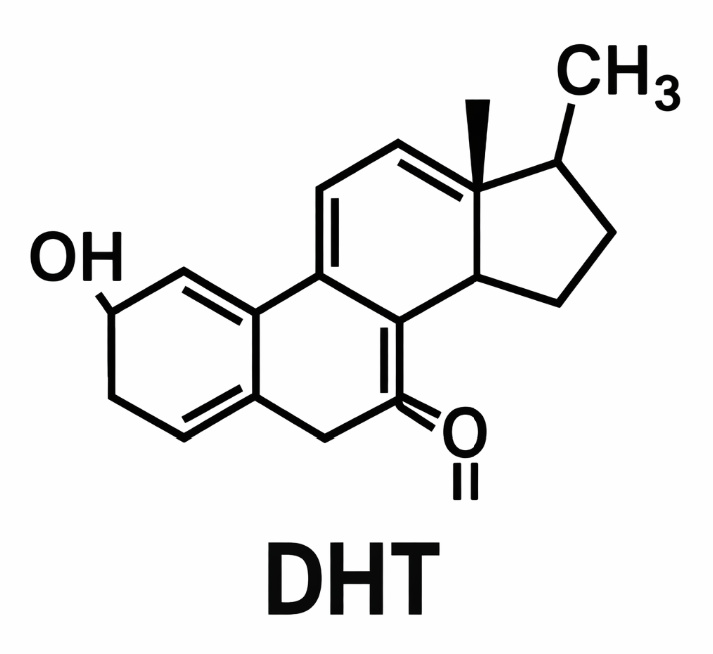
Image from Shutterstock
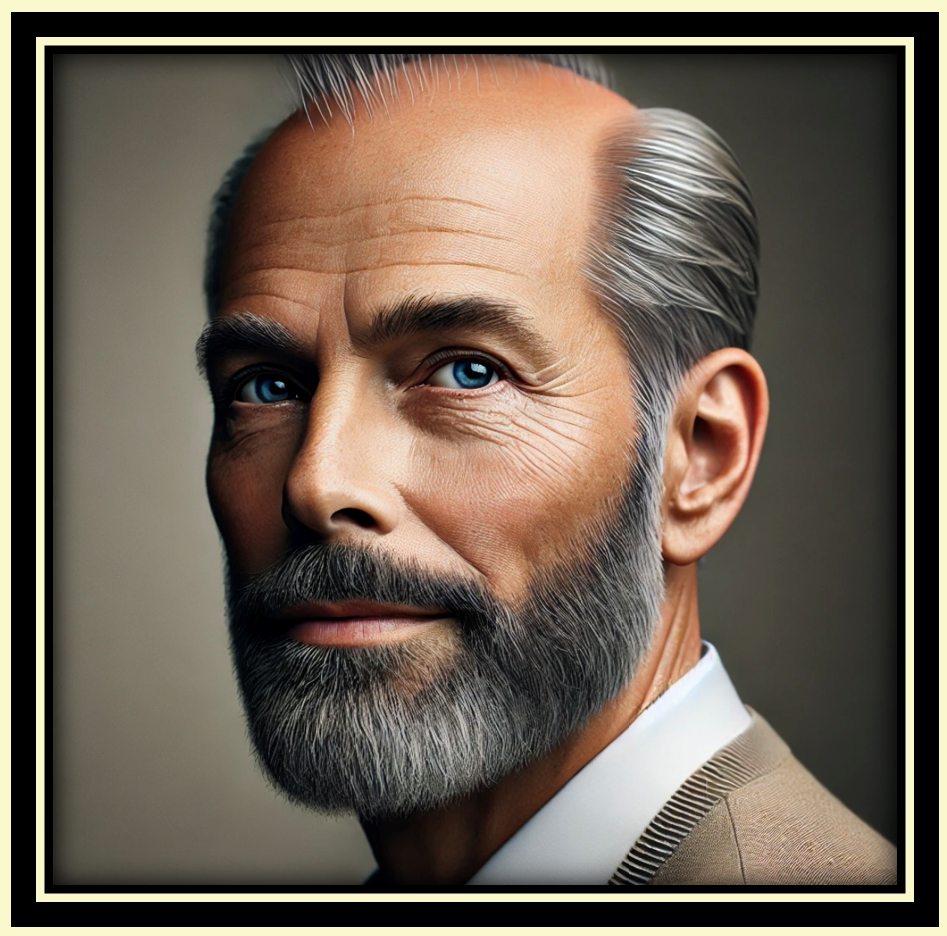
Image, AI-generated
The Complex Relationship Between Testosterone, DHT, and Hair Loss
The relationship between testosterone and hair loss is complicated. A popular belief is that bald men have high levels of testosterone, but is this really true? DHT, a byproduct of testosterone, is linked to changes in hair growth patterns, but the relationship between DHT and hair growth is complex and can vary for different people.
Male pattern baldness, or androgenic alopecia, affects an estimated 50 million men and 30 million women in the United States, according to the NCBI / US National Library of Medicine National Institute of Health. Hair loss occurs due to the shrinkage of hair follicles, impacting the growth cycle. New hairs become finer until there’s no hair left at all, and the follicles become dormant. This hair loss is caused by a combination of hormones and genetics.
Dihydrotestosterone (DHT), which is made from testosterone by an enzyme called 5-alpha reductase, is found in skin, hair follicles, and the prostate. The actions of DHT and the sensitivity of hair follicles to it cause hair loss.
Source: Newsletter / Health Line – Hair Loss and Testosterone
Conclusion: The Role of Exercise in Beard Growth
In conclusion, both research and logic suggest that cardio workouts may enhance blood circulation, which in turn supports healthy beard and scalp hair growth. Additionally, exercises targeting larger muscle groups may not only boost testosterone but also could increase levels of DHT (dihydrotestosterone), a byproduct of testosterone. DHT plays a key role in the linear growth (length) of beard hair. Meanwhile, testosterone acts as a “primer,” setting the foundation and initiating the hair growth process.
Educational & Informational Disclaimer
The information provided on this website is for educational and informational purposes only. It is intended to share general knowledge about traditional soapmaking, ingredient behavior, historical context, and manufacturing processes.
Nothing on this site is intended to diagnose, treat, cure, or prevent any disease or medical condition. The products offered are classified as soap under FDA guidelines and are not intended to affect the structure or function of the skin or body. Individual experiences and preferences may vary.
Information presented here should not be considered a substitute for professional medical advice, diagnosis, or treatment. If you have a medical condition, skin concern, or sensitivity, please consult a qualified healthcare professional before using any product.
This website may reference or link to third-party scientific, technical, or educational resources for general learning purposes. These references are provided to support transparency and encourage independent research, not as endorsements or medical guidance.
Click here to read the full disclaimer.
Contact me:
Text:
(479) 651-2760
I typically respond to texts almost immediately unless I’m in the middle of making soap.
As soon as I reach a stopping point, I’ll be sure to check and reply.
I check my email daily and will get back to you as soon as possible.