
The Beard Sculptor’s Handbook:
From Fuzz to Masterpiece
Overview
This page is designed to provide you with detailed information while keeping things easy to navigate. Some sections contain clickable toggles that allow you to expand or collapse additional content. This approach keeps the page concise but ensures all the information is readily accessible if you want to dive deeper into specific topics.
Whether you’re here for a quick overview or looking for in-depth details, you can explore at your own pace. Simply click the toggles to view the information you’re most interested in.
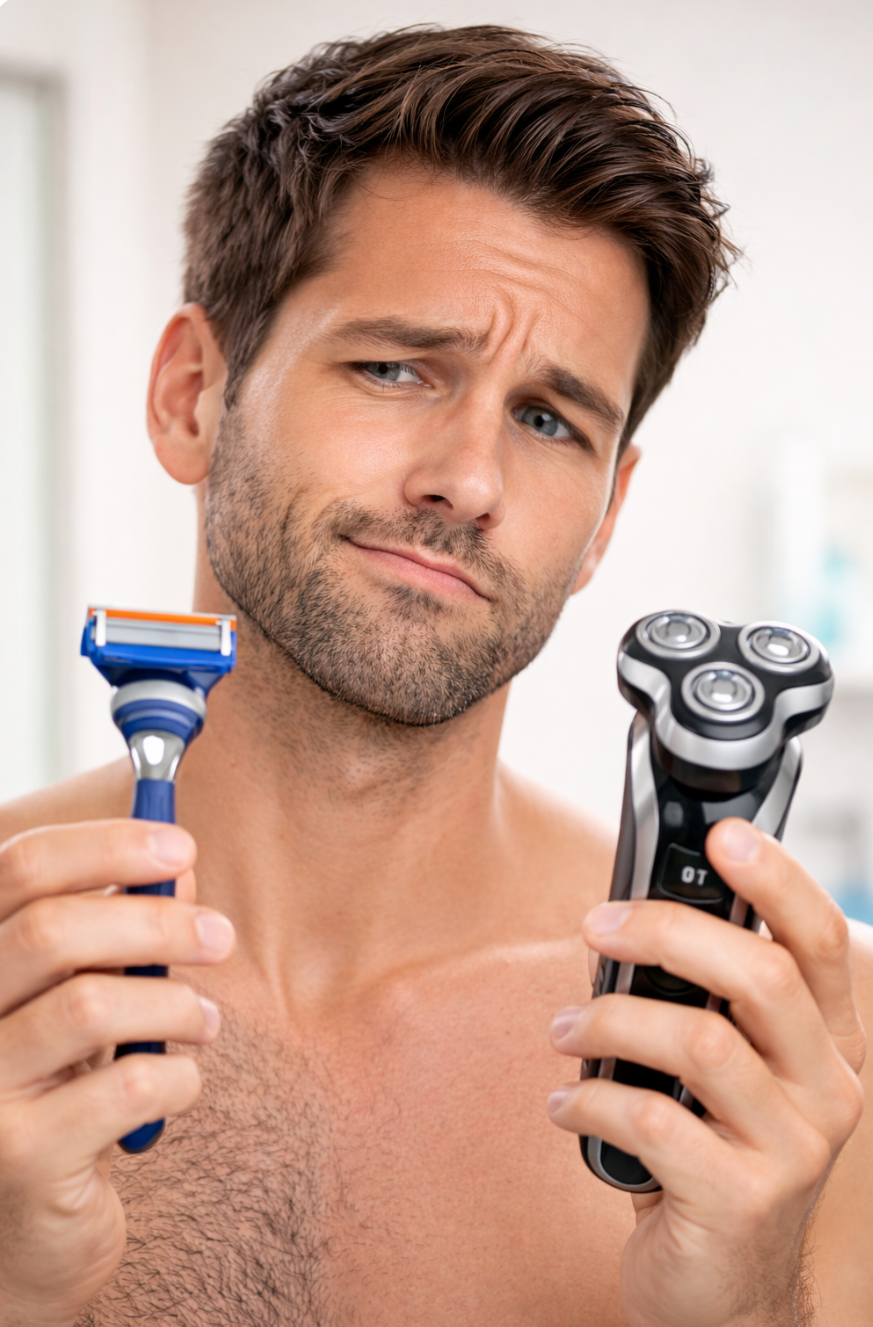
Image AI generated
Properly carving out a beardtastic work of art from a mass of fuzz can seem complex, especially for the novice; where does one even start?? Open a dialogue with your barber, if you’re new to the beard world, he/she should be able to suggest styles that would suit the structure of your face and assist in the choice of tools.
Whether you prefer a neat, weekly trim for a short, corporate style or aim for the full, flowing “Father Time” look, trimming is essential. Split ends can hinder healthy growth, so regular snipping is a must. Your grooming kit might range from a collection of tools and gadgets to the bare essentials—just a trusty pair of shears.
For those with busy lifestyles, finding time to search the internet for grooming advice can be a challenge.

Image from Amazon
To save you the effort, I’ve done the heavy lifting—watching videos, researching extensively, and curating helpful resources, including links to sites and YouTube videos, that I hope will meet your needs. While I don’t have personal experience with beard grooming, being female, I’ve done my best to make this site comprehensive and useful for all.
Topics Covered
- Did You Know?
- Reviews: Clippers / Shears & Shears
- Tool Maintenance: Clippers
- What NOT to do
- Grooming Tutorials: Beard & Stache
- Tool Maintenance: Shears
- Tools: Trimmers/Clippers –OR– Barber/Hair Shears?
- Shears Tutorials: Beard & Stache
- Barbers–avoid a bad trim
- Amazon Barber Scissors
Did You Know??
Did you know that men remove about 245 feet (8.4 meters) of face stubble in their lifetime  ? It takes them approximately 3,400 hours to do so. That’s a lot of stubble removal!! Can you imagine what that would look like all in one pile?
What NOT to Do and What to Do
One easy mistake to avoid is trimming facial hair while it’s wet, whether it’s just a mustache or a full beard. Dry hair can stretch up to 20% of its length before breaking, while wet hair can stretch 40–50%—as highlighted by Keratin.com.
The best time to shave areas around your beard is after a shower, when your facial pores are open and hair follicles are relaxed due to the warmth and moisture. The heat and water cause the hair’s internal bonds to temporarily weaken, allowing the hair to stretch or reshape more easily. However, once the water evaporates and the hair cools, the bonds reform, causing the hair to return to its original length. Shaving immediately after the shower ensures a smoother shave, as the hair is softened and easier to trim. But be mindful not to wait too long after the water evaporates, as the hair will contract back to its normal length, and you may inadvertently trim more than intended. Shaving while the face is still warm and wet is ideal for getting a close shave without cutting too much of the hair.
Always take your time when trimming or shaping your facial hair. If you’re in a rush, wait for a more convenient moment to ensure precise grooming without over-trimming.
Apply oils or moisturizers while the skin is still damp after blotting dry. The short window after exiting the shower is ideal for locking in hydration, so don’t wait too long before shaving or moisturizing.
Tools:
There are conflicting views for which tool is best for trimming—electric clippers/trimmers or shears. The pros and cons of these are covered below. You’ll most likely choose the tool that best fits your schedule.
Clippers and Beard Damage

Image, AI-generated
Many beard care sites caution against the use of clippers due to their “chewing” action, which can cause significant damage to facial hair. The ends of your beard are the oldest and most fragile, making them especially prone to breakage. This is particularly true for those with curly or kinked beards, where the weakest points are at each curl or twist. Fraying caused by clippers can worsen over time, with damage traveling up the hair shaft.
Starting with Shears
The beard community often advises starting with shears for trimming and only transitioning to trimmers or clippers after gaining some experience. Mistakes are common for beginners, and scissors tend to be more forgiving than clippers, which can quickly remove too much hair or exacerbate split ends.
Helpful Resources for Evaluating Trimmers and Clippers
For those who prefer not to do their own research or are looking for trusted evaluations, here are some reputable sources that review and assess the best trimmers and clippers on the market. These sites provide in-depth information about the features, pros, and cons of various models, helping you make an informed decision based on your needs.
Note: I do not promote or receive compensation for any of these products or websites. These links are provided solely for informational purposes, giving you the opportunity to explore expert opinions and choose the right grooming tools for your beard care routine.
Trimmers & Clippers: There IS a Difference
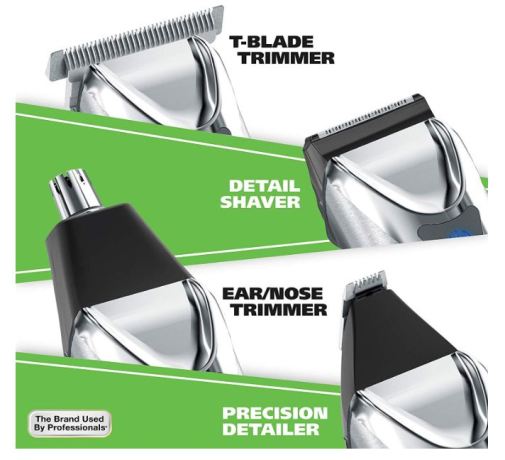
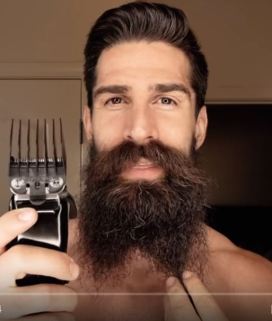
While both tools serve to groom facial hair, there’s a subtle difference in their purpose. Clippers are designed for thicker, coarser beards, ideal for managing bulk. Trimmers, on the other hand, are crafted to get closer to the skin, and equipped with blade attachments (pictured right) for precision and detailing. Both tools might include comb guides, though some trimmers are sold without them.
- Wide range of brands ensures you’ll find one that suits your needs.
- Versatility with various guard options.
- Efficient and time-saving.
- Painless to use—unless there’s an accidental slip!
- Not forgiving; they can quickly remove more than intended.
- Clippers use a “chewing” motion rather than slicing, which may cause split ends or uneven cuts.
- Maintenance requires regular oiling and blade cleaning.
(Find reviews from beard sites below the ‘Barber (hair) Shears section.)
BARBER (hair) SHEARS
- Cleanly cuts whiskers, reducing the risk of split ends.
- Requires less maintenance compared to trimmers or clippers.
- More forgiving, minimizing the chances of significant slip-ups
- Slower process compared to using clippers.
- Requires skill and precision to use effectively.
- Demands a level of finesse that may take practice to master.
REVIEWS: clippers / trimmers
Mister Shaver provide superb information regarding various clippers, pricing, pros and cons, as well as reviews and summaries. Reviewing involved 3 professional barbers from different states. The buying guide offers insightful tips; I also found the Frequently Asked Questions and answers a good resource as well.
Wirecutter site: The clippers & trimmers (updated Nov 5, 2018). The products were reviewed with the aid of 2 local barbers. This site shares what criteria they looked for and how they tested the tools. Site includes links to Walmart and Amazon, as well as pricing from both. Details regarding pros and cons, particularly regarding the guide comb attachments.
Gear Patrol discusses the 6 Best Beard Trimmers You Can Buy in 2018. Details such as battery duration (50 min to 4 hours); which have self-sharpening blades; fully washable or blades need to be removed to clean; number attachments; and warranty duration. Oh, one even has a built-in vac that gets most of the whiskers cleaned up that are trimmed.
REVIEWS: Shears
Balding Beards lists 6 specialty scissors they consider the best for beards and mustaches. You’ll also find 7 important topics discussed when looking for beard & mustache shears.
Barber scissors are precision tools so I’m including a link to CB | Hairdressing, Barber, & Beauty. Even though it’s designed more for those in the hair cutting/styling business, it offers additional info such as micro-serrated scissors, the purpose of cobalt and molybdenum coatings, and explains the difference between convex blades (AKA, Japanese style) and blades with a beveled edge. Use the tabs at the top of that website to navigate to the barber section.
Scissors or Clippers? Why Both Might Be the Best Choice
If you’re uncertain about choosing between scissors and clippers, consider using both tools for specific purposes. Clippers can be helpful for initial shaping once your beard has grown long enough to sculpt, while maintenance can be handled with shears. This method reduces the risk of split ends, especially if your beard isn’t in its healthiest state.

Image AI generated
When changing styles—for example, shifting from a square cut to a pointed style—clippers can assist with the bulk of the shaping, leaving the finer, maintenance-focused work to shears. This combination approach balances efficiency with the precision needed to protect your beard from excessive damage.

Image AI generated
Personal Experience: Hair vs. Beard Care
Although I don’t have a beard, I do have hip-length hair that requires care. I typically trim 1 to 1.5 inches twice a year—a schedule that works for me since my cosmetologist, who happens to be my daughter-in-law, lives states away.
She often comments on my lack of split ends and how well my hair retains the colors she applies, including red—known for fading quickly—even though I use my handmade hair soap. I’m also mindful when brushing, starting from the bottom and working my way up to avoid dragging tangles down the length and creating a knotted mess that rips and tears the hair. Gentlemen, don’t do this to your beards either!
That said, I wouldn’t recommend such infrequent trims for anyone growing a long beard (or long hair). Regular trims, combined with proper moisturizing and care, are crucial for preventing split ends and maintaining a healthy, resilient beard. Consistent maintenance is key to the longevity and vitality of both beard and hair.
Why Regular Grooming is Essential for a Healthy Beard.
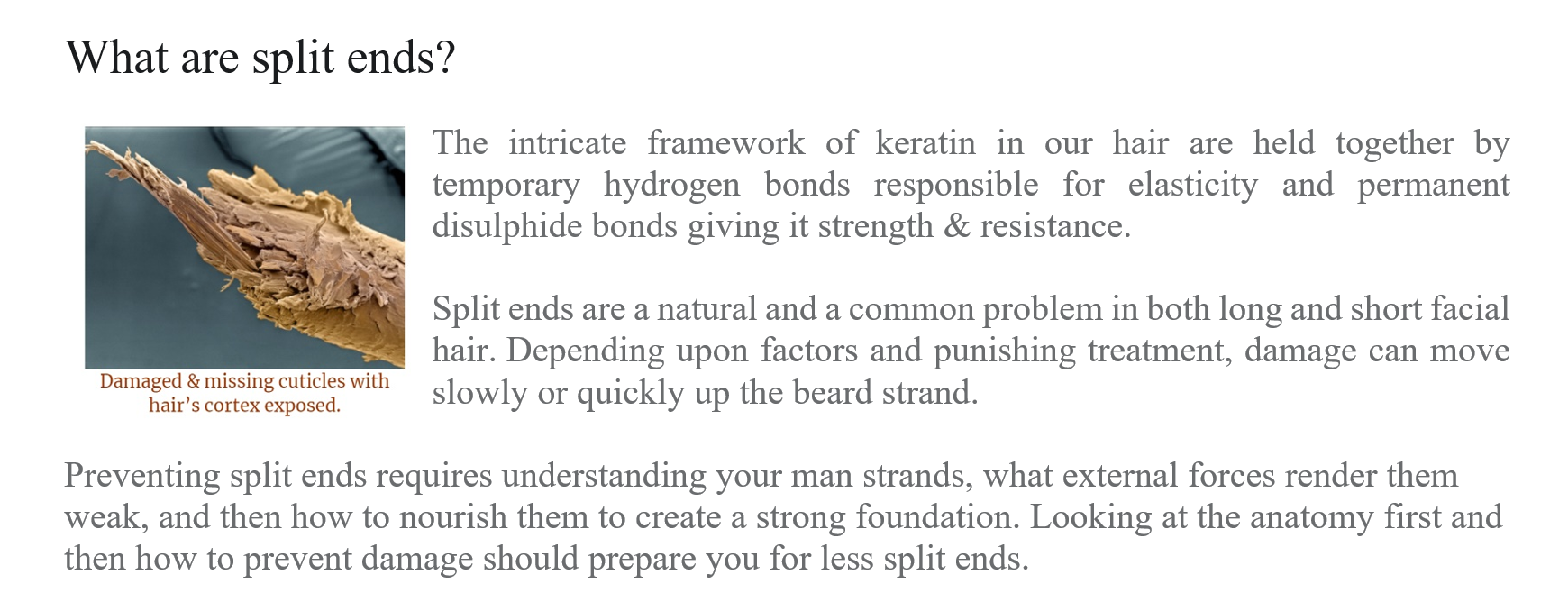
Just as we brush or comb the hair on our scalp, the same principles apply to beards. Split ends can hinder healthy growth, making regular trims essential to keeping them in check. Trimming as needed helps maintain a fresh, neat, and well-groomed appearance.
Understanding the root causes of beard damage allows you to address issues early, preventing them from wreaking havoc on your “face scarf.”
Much like the fibers in a crocheted scarf can unravel, beard strands—being fibrous in nature—are also prone to fraying and unraveling over time.
For a deeper understanding of your beard’s structure and tips to prevent damage, visit my “Split Ends” and “Hair Science”, where it takes you under the skin.
Final Thoughts
Investing in the right tools and techniques for your grooming routine can make all the difference in maintaining a strong, healthy beard. Whether you start with shears and incorporate clippers later, your approach should prioritize minimizing damage and promoting overall beard health.
Grooming Tutorials with Links
Beards
I understand that streaming videos can quickly use up data, which may be a concern for those with limited plans. To help you save data and make informed choices, I’ve personally watched every video in each category and provided detailed commentary. This allows you to decide which ones best suit your needs without unnecessary streaming.
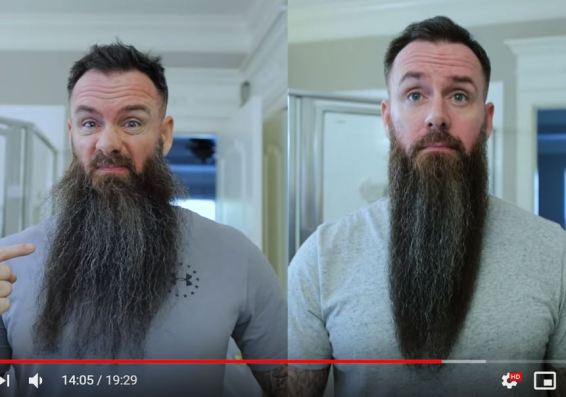
That Beard Life!! | Full Beard Care Routine and Tips | Jeremy Siers (Jan 8, 2019)
- Jeremy provides a thorough and insightful 20-minute video on beard care. He begins the routine around timestamp 2:20, where he highlights the importance of a hot shower for beard health, starting at 2:55. He also touches on co-washing, a method that works well for longer hair like mine.
- Jeremy stresses the importance of choosing the right cleansers (4:29) and suggests an alternative for those who don’t enjoy morning showers: using a sink filled with warm water to prep the beard for grooming (4:41). He emphasizes gentle towel drying (6:00) to avoid hair damage and recommends applying beard oil while the whiskers are damp, not wet (6:20).
- He provides valuable advice on selecting high-quality combs (6:20) and the proper technique for combing, starting from the bottom and working upward. For those interested in beard oils, he explains what to look for (7:30) and how to apply it (9:20-11:05). He also gives a detailed breakdown of how to use a blow dryer (12:00), with key precautions to protect the hair follicles and avoid damage. His five tips include using a dryer attachment, directing the airflow away from the hair follicles, keeping the dryer moving, finishing with cool air, and maintaining a quick routine of under five minutes from shower to finish.
Regarding beard balm, he talks about its benefits, particularly in winter months when dry air can cause moisture loss (14:21). Jeremy also mentions trimming about an inch of beard hair each month to prevent split ends (17:25), something that’s also recommended for long hair. Lastly, he addresses mustache care (17:40-18:10) and blending the beard into the sideburns (18:17), making this a well-rounded guide to maintaining a healthy, groomed beard.
This video is a great resource for anyone looking to enhance their beard care routine with practical tips and easy-to-follow techniques.

8 Inch Beard Shaved Down to 1 Inch Beard with Number 8 Attachment | Danz Beard (5/15/2018)
- I couldn’t find the video Danz referred to when speaking about the separation in the middle of his beard. Possibly a French fork trial??
Taming the Wild Look
After a long vacation or sabbatical, or perhaps a hunting trip where your beard has been left to grow unchecked, your whiskers might resemble a caveman’s. Whether you’ve been stocking up on wild game or simply neglecting your grooming routine, it’s time for a transformation.
Danz demonstrates how to clean up an untamed beard using clippers and guards, removing 7 inches of growth to achieve a neat, polished look.
For shorter beards, he adjusts the neckline to prepare for regrowth. At 7:10 in the video, he tackles mustache cleanup with shears, trimming at a 45° angle for a soft, natural finish. At 7:30, he switches to a perpendicular approach, angling his finger grips around 7:00 for the right side and 4:00 for the left side, creating balance and symmetry.
Trimming a mustache with precision while capturing a clear, front-facing video is quite challenging, but Danz explains his technique for achieving a ‘natural’ look. His approach is similar to how a cosmetologist trims bangs to avoid the “bowl cut” effect, ensuring a more natural and balanced result. It’s a straightforward and effective method for anyone aiming to maintain a clean, professional beard style.
Beard Styles – After the shave: Part 2 Cheek Clean up | Danz Beard (Jun 19, 2018 )
In this video, Danz shares a great tip for defining cheek lines using a nifty tiny shaver, which I suspect is an eyebrow tool. Inspired by his approach, I jumped on Amazon and ordered a few for my husband to use for shaping his mustache—an area that’s particularly sensitive for him.
- Danz also demonstrates a clever trick: using an eyebrow pencil to draw a gradual guideline on the cheeks, extending from the sideburns to the mustache. This makes shaping and achieving symmetry much easier. If you prefer, you can also purchase a cheek line tool; Amazon offers a wide selection to suit various needs. It’s a simple, effective way to perfect your grooming routine.
How to Trim Your Beard at Home | Carlos Casta (Beardbrand, June 1, 2017) [trimmer with guards]
Carlos Costa uses a trimmer with guards to demonstrate how to remove bulk from the cheek area without significantly shortening the length. His goal is to create a closer-to-skin appearance while maintaining the overall shape of the beard. Notice his technique—keeping the tool flat against his face as he glides it through the beard ensures precision and even results.
For the neckline, Carlos prefers a natural finish, avoiding sharp, crisp lines. Instead, he subtly refines the curve for a more organic look.
At 9:00, Carlos revisits the process to trim his beard slightly shorter than the 1.9 mm guard initially allowed. This fine-tuning achieves the closer length he desired from the start, showcasing how minor adjustments can perfect your beard’s style.
- This video is an excellent guide for anyone seeking a well-groomed yet natural beard look.
How to trim a beard
This resource provides comprehensive advice on beard maintenance, covering a variety of key topics:
Should a Barber Trim Your Beard?
Weigh the benefits of professional trims versus DIY.How to Trim Your Beard Yourself?
Step-by-step guidance for tackling beard grooming at home.Beard Trimmer vs. Shears: What’s Better?
A comparison to help choose the right tool for your grooming style.Establishing Your Neckline and Cheek Line:
Practical tips for creating clean, symmetrical lines.Cheek Line – How to Get It Right:
Detailed advice for those without naturally straight cheek lines.Neckline Trimming:
Learn where and how to set a natural-looking neckline.How to Trim Short Beards, Mustaches, and Long Beards:
Specific techniques tailored to the length and style of your beard.Creating the Desired Beard Shape:
Includes methods like squaring off, rounding edges, and the patient trimmer’s method.Preparing for Beard Trimming (DOs and DON’Ts):
Tips to get ready for a precise and effective trim.
This guide ensures you can approach beard grooming with confidence, whether you’re shaping a full beard, crafting sharp cheek lines, or exploring new styles.
How to Trim Your Beard Neck Line | Jeff Buoncristiano (Beardbrand, Nov 26, 2015)
- Jeff elucidates how to define the neckline with a somewhat comically twist and expresses the whys behind his tips.
Staches
When trimming a mustache, the goal is to enhance its natural growth pattern rather than creating sharp, unnatural lines. As highlighted in Danz’s videos, some people opt to trim their mustache straight across, following the natural curve of the upper lip for a clean appearance. However, for those with thicker or bushier mustaches, a more organic look can be achieved by using shears at a 45-degree angle to the lip. This technique creates a softer, more gradual effect compared to blunt cuts, giving the mustache a more natural, less-styled appearance.
This method is reminiscent of how some cosmetologists—like mine—trim bangs. By angling the scissors, they achieve a seamless, natural blend instead of a harsh, straight line. It’s an excellent approach for anyone seeking a polished yet relaxed and natural look.
How To Trim A Mustache And Be a Stache Master | Live Beard (May 2, 2017)
- In this video, the great tip for achieving a clean, straight mustache line is to smile while trimming. This helps create a flatter plane for your lip line, as opposed to following the natural downward angle of the upper lip. The trimming starts at the center of the lip and works outward to ensure full coverage. At around the 2:00 mark, you’ll see how to separate the mustache from the beard, allowing the mustache to lay naturally on top. A helpful piece of advice given in the video is to avoid going back and forth repeatedly when trimming, as this could result in removing too much.
- Some experts recommend trimming and then stepping away to assess and clean up any missed hairs. However, others encourage not to be afraid to go back and trim uneven spots if one side is longer. Personally, I agree with the idea that back-and-forth trimming can risk cutting more than intended, potentially leaving you with a much shorter mustache than expected.
How to Trim Your Mustache (A Cool New Technique) | George Bruno (June 13, 2016)
One standout tip comes at the 3:57 mark, where George recommends smiling while trimming your mustache. This technique helps create a cleaner, more precise line along the upper lip. It’s a great trick for achieving that sharp, crisp look without over-trimming. Interestingly, George is not the only one to use this method; I came across another video from a barber who also emphasizes smiling during the trim, making it a consistent and effective technique for mustache grooming.
How to avoid a bad beard trim at the barber. This site
provides valuable insights on the following topics:
- How to Get a Great Beard Trim from a Barber
- Review Their Work
- Choose a Specific Barber, Not Just Any Barbershop
- Ask for Recommendations
- A Picture Speaks Louder Than Words
- Be Clear and Detailed
- Final Thoughts
According to Men’s Journal, proper maintenance includes keeping your trimmer charged, oiling the blades, cleaning them regularly, lubricating inactive blades, removing buildup throughout the year, and inspecting for rust.
Conclusion
In the world of beard grooming, patience and consistency are key to achieving a healthy, well-maintained beard. Whether you’re just starting out or you’re a seasoned pro, understanding the tools, techniques, and maintenance required for your facial hair is essential for long-term success. While it may take some trial and error to figure out what works best for you, investing in quality tools, avoiding common mistakes, and staying dedicated to regular trims and care will ensure your beard remains a strong and vibrant masterpiece. Remember, grooming isn’t just about the final look—it’s about the care and attention to detail that goes into every step of the process. With the right knowledge and a little practice, you’ll be well on your way to mastering your beard game.
Educational & Informational Disclaimer
The information provided on this website is for educational and informational purposes only. It is intended to share general knowledge about traditional soapmaking, ingredient behavior, historical context, and manufacturing processes.
Nothing on this site is intended to diagnose, treat, cure, or prevent any disease or medical condition. The products offered are classified as soap under FDA guidelines and are not intended to affect the structure or function of the skin or body. Individual experiences and preferences may vary.
Information presented here should not be considered a substitute for professional medical advice, diagnosis, or treatment. If you have a medical condition, skin concern, or sensitivity, please consult a qualified healthcare professional before using any product.
This website may reference or link to third-party scientific, technical, or educational resources for general learning purposes. These references are provided to support transparency and encourage independent research, not as endorsements or medical guidance.
Click here to read the full disclaimer.
Contact me:

Text:
(479) 651-2760
I typically respond to texts almost immediately unless I’m in the middle of making soap.
As soon as I reach a stopping point, I’ll be sure to check and reply.
I check my email daily and will get back to you as soon as possible.