
The Role of Skin in Beard Appearance and Health
Overview: Skin as the Body’s First Defense
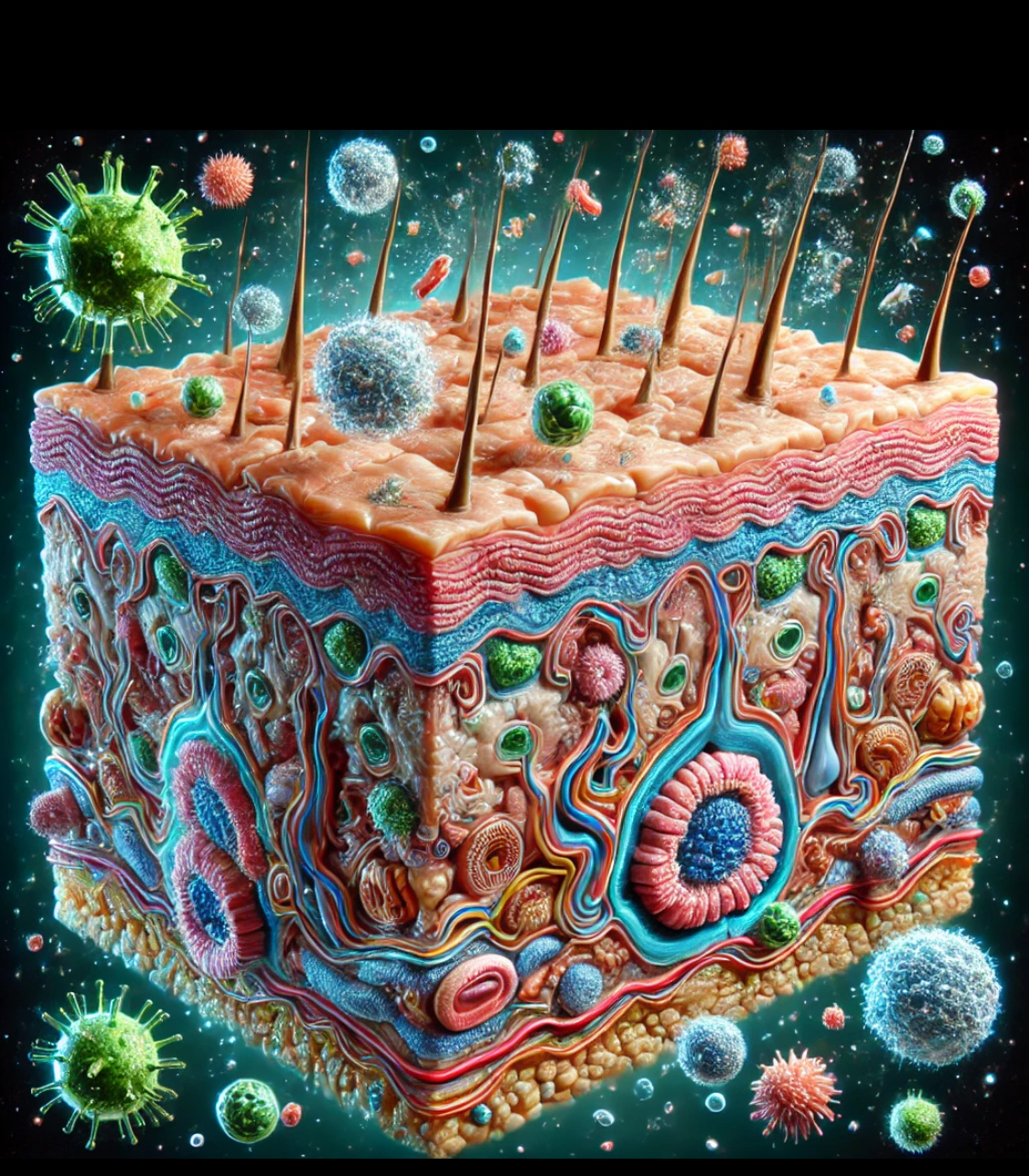
Image is AI-generated
Skin, our body’s largest organ, serves as the first line of defense. Its complex, multi-layered structure is designed to protect and sustain us when it’s healthy.
DID YOU KNOW?
There are about 19 million skin cells in every inch of your body? Wow, right?!
The Brick-and-Mortar Model of Skin
Skin operates much like a brick wall:
- Keratinocytes (Bricks): Flattened cells packed tightly together.
- Lipids (Mortar): A mixture of ceramides, cholesterol, and fatty acids binds the keratinocytes, creating a protective barrier.
This barrier is crucial because it:
- Keeps germs, allergens, and toxins out.
- Helps protect against physical and thermal stress.
- Helps limit moisture loss and support hydration balance.
- Protects internal organs, muscles, and bones.
When this “brick wall” is compromised, it becomes an entry point for irritants and microbes, leading to dryness, flaking, and other skin issues
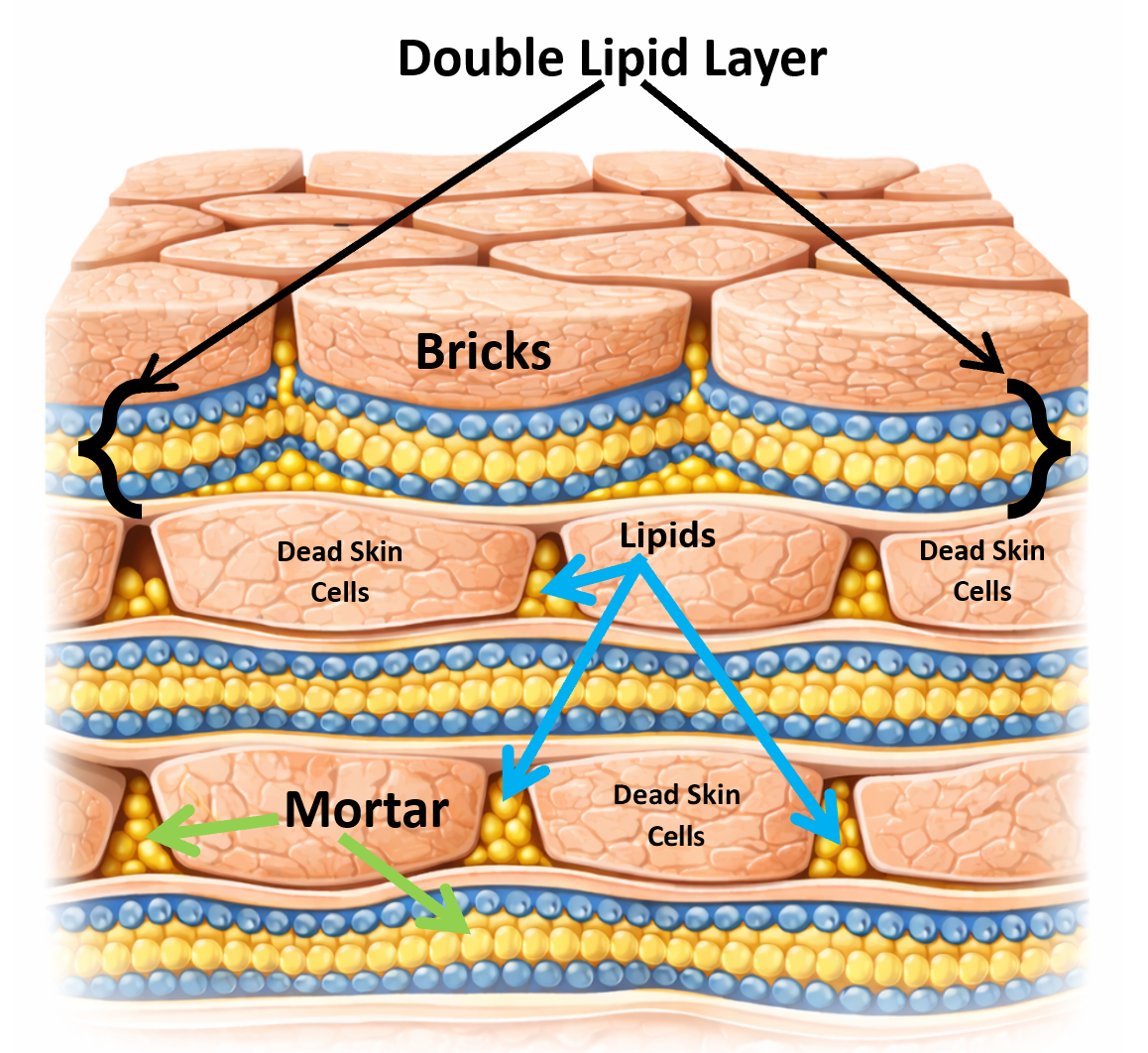
Image is AI-generated
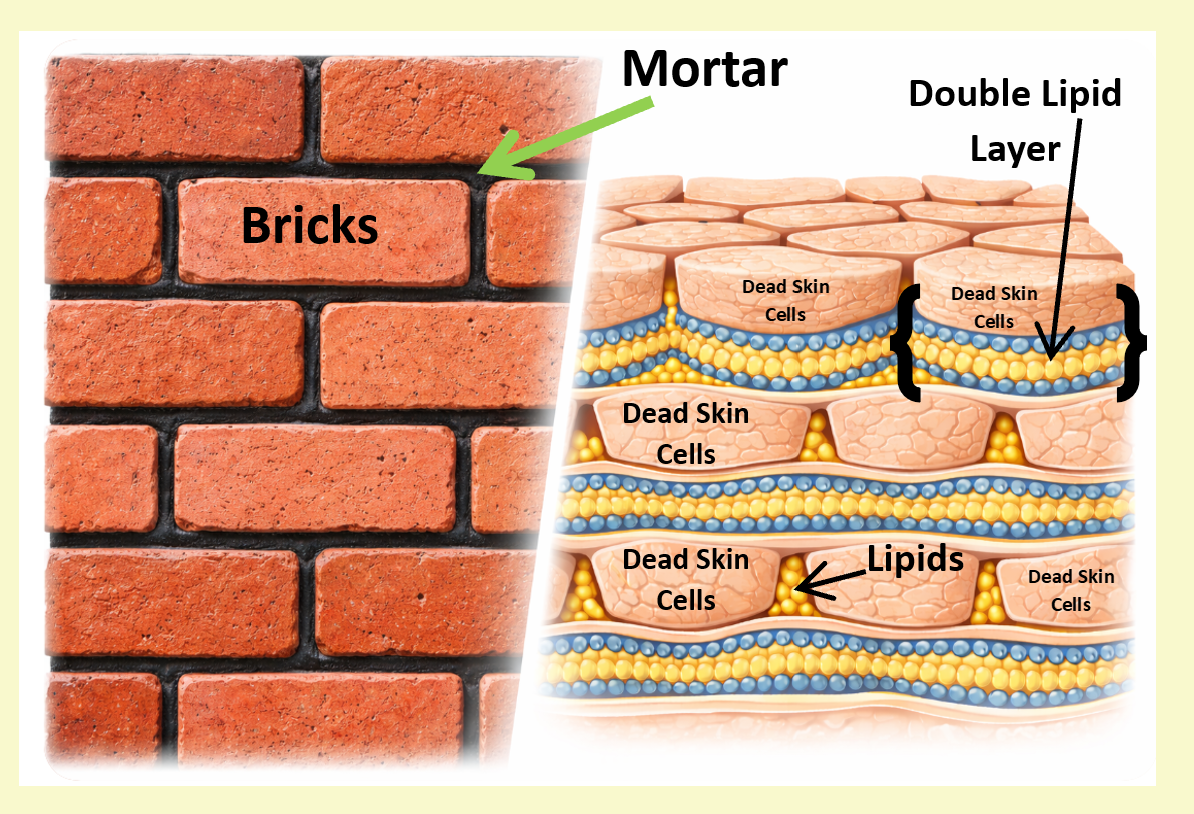
Image is AI-generated
Waterproofing and Moisture Retention
Skin’s lipid blend—composed of ceramides, free fatty acids, and cholesterol—provides natural waterproofing. This barrier ensures we don’t absorb water like sponges when bathing or swimming, while also retaining internal moisture.
However, transepidermal water loss (TEWL) occurs when the lipid layer becomes depleted, causing moisture to escape more quickly. Dry, flaky skin may become more prone to cracking, which can allow irritants to penetrate more easily and potentially increase visible dryness.
The Role of Ceramides in Skin Structure
Ceramides naturally occur in the skin and can also be found in certain plant oils and animal fats. In modern formulations, synthetic ceramides—often labeled numerically (e.g., Ceramide 1–9)—are included in cosmetic products to help support the skin’s natural barrier properties.
Scientists have identified various ceramides in human skin, each categorized by its molecular structure. These lipids play a role in the organization of the outermost layer of the epidermis and contribute to its function as a protective barrier.
“Which are the epidermal and which are the sebaceous components of skin surface lipids?
Of the major components of the surface film, triglycerides and cholesterol are of both epidermal and sebaceous origin. In contrast, wax esters and squalene are only derived from the sebaceous glands. … the skin surface lipids have a double component origin from both the sebaceous glands and the epidermis.”
William J. Cunliffe Lectureship 2005
The skin’s surface is covered by a layer of lipids originating from both sebaceous glands and keratinocytes. The apparent composition of these surface lipids can vary depending on the sampling method used. In areas abundant with sebaceous glands, lipids produced by epidermal cells make up only a small fraction of the total extractable surface lipids. Sebaceous glands, through their holocrine activity, release sebum, which eventually reaches the skin’s surface and coats the fur as well. Epidermal lipids act like mortar, filling the spaces between skin cells. Sebaceous lipids consist primarily of nonpolar lipids such as triglycerides, wax esters, and squalene, while epidermal lipids include a combination of ceramides, free fatty acids, and cholesterol. The composition of sebaceous and epidermal lipids varies across individuals and can influence overall skin characteristics. Research continues to explore how surface lipids relate to visible skin conditions.
For informational purposes only.
Epidermal Lipids and Their Role in Skin Structure
Epidermal lipids consist of a mixture of ceramides (a combination of sphingosine and a fatty acid), free fatty acids, and cholesterol. Ceramides are components of the skin’s lipid matrix and contribute to its normal structure and moisture balance.
Ceramides are a class of lipids found naturally in human skin and other tissues. These lipids are essential to the outermost layer of the epidermis, where they help support the skin’s natural barrier.
There are several different ceramides, each categorized by its molecular structure, including variations in the fatty acid chains attached to the ceramide molecules. These ceramides contribute to the overall composition of the skin’s lipid layer, which helps retain moisture and maintain the skin’s normal integrity.
Ceramides are an important component of the skin’s lipid barrier, making up approximately 50% of the skin’s lipids. In skincare products, you may see ceramides labeled by numbers, such as “Ceramide 1” or “Ceramide 3,” indicating their distinct molecular structure and function.
Sphingolipids and Their Role in Skin Health
Sphingolipids, are a class of lipids (fat-soluble components of living cells) that contain sphingosine—an organic aliphatic amino alcohol—or a closely related structural variant. Among the simplest sphingolipids are ceramides, which consist of sphingosine bound to a fatty acid. Ceramides are found in small quantities in both plant and animal tissues and serve as the foundation for other, more complex sphingolipids. sphingosine or a substance structurally similar to it. Among the most simple sphingolipids are the ceramides (sphingosine plus a fatty acid), widely distributed in small amounts in plant and animal tissues. The other sphingolipids are derivatives of ceramides.
A major subgroup of sphingolipids is glycolipids, named for their incorporation of one or more sugar molecules, such as glucose or galactose (source: The Editors of Encyclopaedia Britannica / See Article History).
It’s a fact that plant oils, butters, and animal fats contain cholesterol and fatty acids—and ceramides are also a component of these fats. These elements make fats, including animal fats, valuable in skincare products. While the idea of using animal fats on the skin might seem unappealing to some, many commercial products quietly include them. Interestingly, some people have opted to apply processed animal fat directly to their faces after noticing how working with lard softened their skin (source & source).
Jojoba oil (technically a wax), like many other plant oils, contains ceramides along with various other constituents.
Ceramides: Synthesized
Ceramides, like many naturally occurring lipids, can also be synthesized for cosmetic use. These synthetic versions are modeled after ceramides found in human skin and are commonly included in skincare formulations.
They are typically labeled as Ceramide 1, Ceramide 2, Ceramide 3, Ceramide 6-II, Ceramide 7, Ceramide 8, and Ceramide 9. These ingredients are included in products designed to complement the skin’s natural lipid composition and improve overall skin feel.
Sphingosine and Phytosphingosine: Two Types of Ceramides
Sphingosine Ceramides
Sphingosine-based ceramides consist of a sphingosine backbone attached to fatty acids. They are naturally present in the outer layer of the epidermis and contribute to the organization of the skin’s lipid matrix.
Phytosphingosine Ceramides
Phytosphingosine-based ceramides share a similar structure but include an additional hydroxyl group. These compounds are components of the skin’s lipid network and are often included in skincare formulations to support hydration and the skin’s natural barrier.
Ceramides and their precursors naturally occur in various foods, including wheat germ, soybeans, dairy products, brown rice, spinach, and beets.
Including a variety of nutrient-dense foods as part of a balanced diet supports the normal physiological processes involved in maintaining skin structure
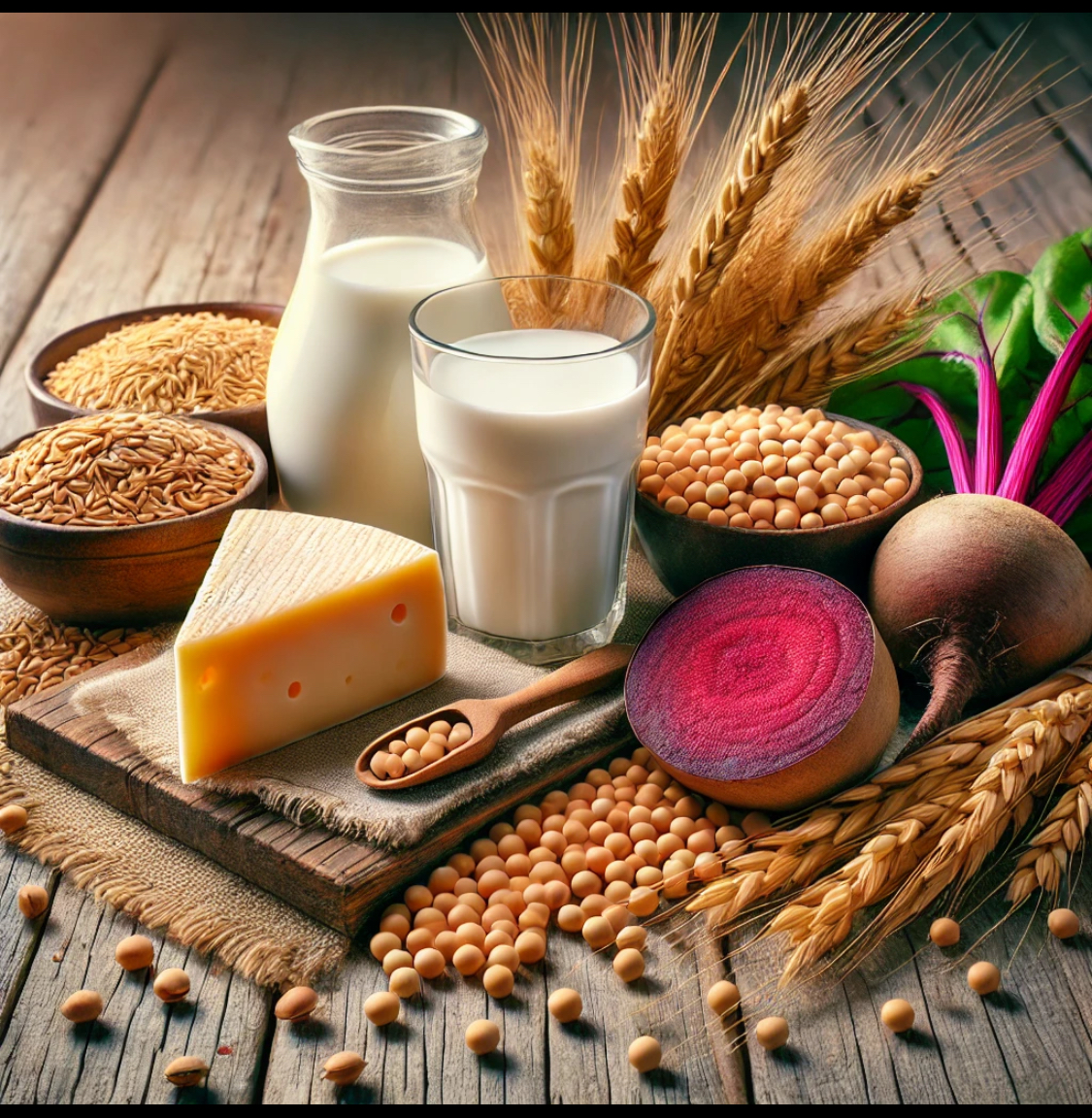
Image is AI-generated
Maintaining the skin’s lipid layer involves multiple lifestyle factors. These include consuming a balanced intake of omega-6 and omega-3 fatty acids from whole foods such as nuts and seeds, managing stress levels, and limiting excessive sugar and highly processed fats.
Omega-6 fatty acids, including linoleic acid, participate in processes related to the skin’s lipid composition. Some individuals may convert these dietary fats differently due to genetics or other factors. When considering supplementation, consultation with a qualified healthcare professional is advisable.
Sebaceous glands attached to beard follicles produce sebum, a natural oil that contributes to the skin’s surface environment. Sebum helps maintain skin moisture balance and contributes to the skin’s surface environment.
As beard length increases, the distribution of sebum along the hair shaft may vary. Grooming products such as beard oil are commonly used to improve the appearance and feel of facial hair and to complement the skin’s natural oils.
Beard follicles differ from scalp follicles in their responsiveness to androgens such as dihydrotestosterone (DHT), a derivative of testosterone. Hormonal signaling plays a role in determining facial hair characteristics, including density and growth patterns.
Key components of the follicle include:
Dermal Papilla: Involved in nutrient and signal exchange
Matrix Cells: Responsible for forming the hair shaft
Sebaceous Glands: Contribute surface lipids
Maintaining skin and beard appearance involves consistent care practices.
Hydrate: Grooming products such as beard oils or balms can help support the appearance and comfort of facial
Cleanse Gently: Avoid overly harsh cleansers that may disrupt the skin’s surface lipids.
Exfoliate: Removing accumulated dead skin cells may help maintain a smoother surface.
Nourish from Within: A balanced diet supports normal physiological processes related to skin and hair structure.
The Bottom Line
Your skin acts as a protective barrier and provides the environment from which beard hair grows. Understanding its structure and function can help inform your grooming choices. Maintaining balanced nutrition, supporting overall wellness, and practicing appropriate skincare contribute to the normal appearance and comfort of both your skin and beard.
Educational & Informational Disclaimer
The information provided on this website is for educational and informational purposes only. It is intended to share general knowledge about traditional soapmaking, ingredient behavior, historical context, and manufacturing processes.
Nothing on this site is intended to diagnose, treat, cure, or prevent any disease or medical condition. The products offered are classified as soap under FDA guidelines and are not intended to affect the structure or function of the skin or body. Individual experiences and preferences may vary.
Information presented here should not be considered a substitute for professional medical advice, diagnosis, or treatment. If you have a medical condition, skin concern, or sensitivity, please consult a qualified healthcare professional before using any product.
This website may reference or link to third-party scientific, technical, or educational resources for general learning purposes. These references are provided to support transparency and encourage independent research, not as endorsements or medical guidance.
Click here to read the full disclaimer.
Contact me:
Text:
(479) 651-2760
I typically respond to texts almost immediately unless I’m in the middle of making soap.
As soon as I reach a stopping point, I’ll be sure to check and reply.
I check my email daily and will get back to you as soon as possible.