
The History of Shaving Soap:
From Ancient Methods to Modern Shaving Rituals
The Origins of Shaving Soap
Shaving soap’s origins date back to around 3,000 BC, when early civilizations combined animal fats with wood alkali (potash) to create a rudimentary form of shaving cream. Potash remains an essential ingredient in traditional soap-making today. For instance, authentic African black soap is still made using potash, water, and locally sourced fats. In fact, I once made my own primitive lye from woodstove ash, and the result was surprisingly satisfying!
The Emergence of Modern Shaving Soap
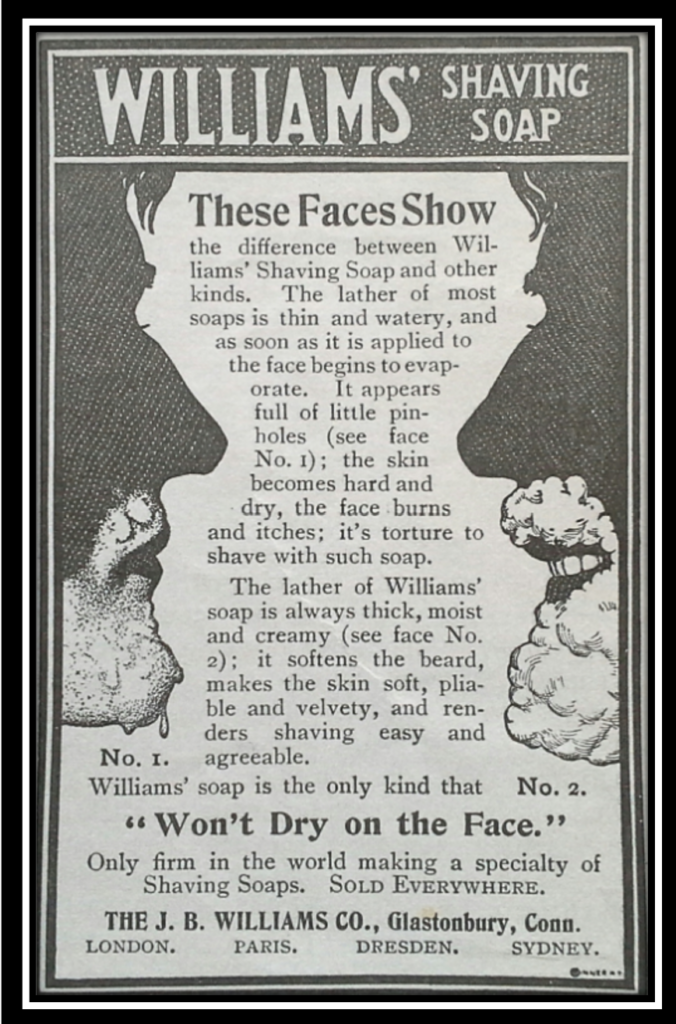
In the 19th century, shaving soaps began to take on a more familiar form. By 1840, Williams Shaving Soap, an American brand, became widely available and was designed for use in a shaving mug, marking a significant milestone in the evolution of shaving products.
I came across an interesting article about the William brothers while researching the history of shaving. The image on the left is from that article (click here).
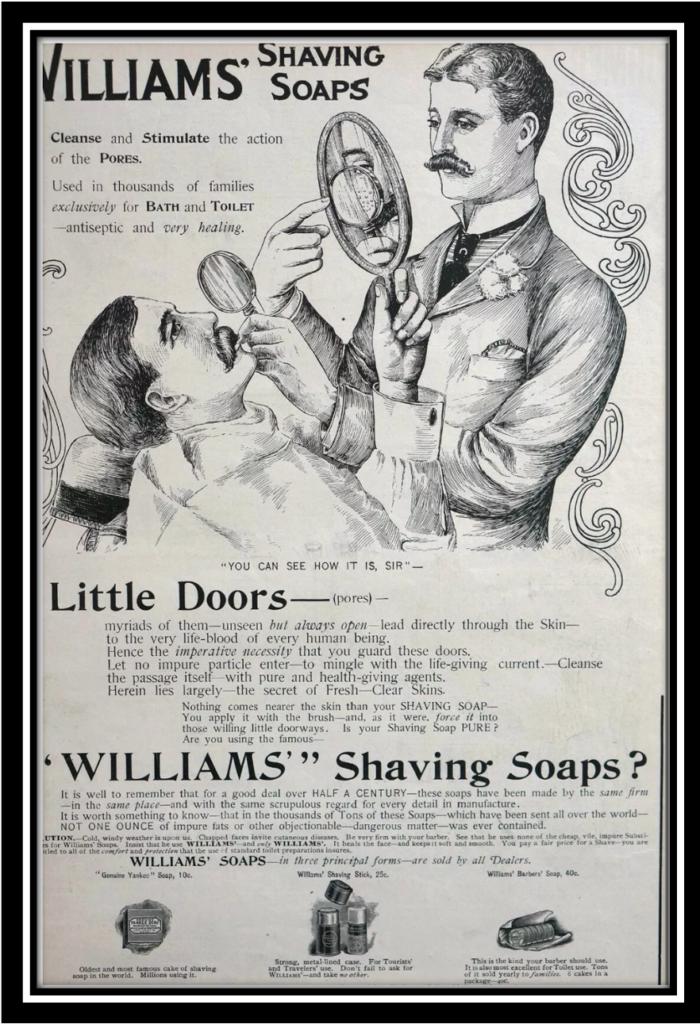
The image to the right is from eBay (click here) where you can find quite a few vintage advertisement images from this brand of shave soap. While I don’t collect memorabilia myself, I enjoy exploring old articles and pictures—they offer such fascinating glimpses into the past.
The Rise of Shaving Creams and Aerosols
The Rise of Shaving Creams and Aerosols
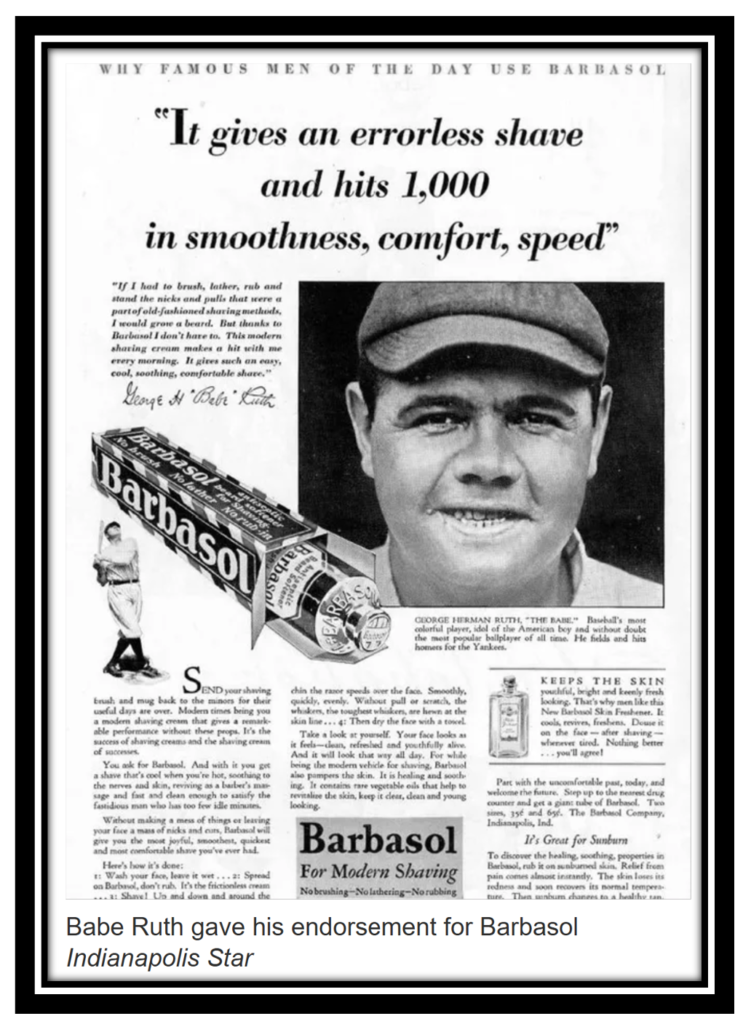
Shaving technology continued to innovate with the creation of Barbasol in 1919, the first foam-in-a-can shaving cream. This product introduced a convenience alternative to traditional shaving soaps, offering an easier method to create a lather without a brush. The 20th century saw further shifts, with Burma-Shave launching brushless shaving cream in 1925, and Rise introducing the first pressurized shaving cream in 1949, which dominated the U.S. market by the 1960s.
You can read Dawn Mitchell’s article about Barbasol (photo to the left) click here. You can also explore Barbasol’s history click here.
The Environmental and Quality Concerns of Aerosol Shaving Products
While aerosol shaving products offered convenience, they raised significant environmental concerns, particularly due to the use of chlorofluorocarbons (CFCs). These chemicals, which were later banned for their role in depleting the ozone layer, were eventually replaced by more eco-friendly hydrocarbons. Despite their convenience, aerosol products and shaving gels could not match the performance and overall experience of traditional shaving soaps, sparking a resurgence in interest for wet shaving.
Shaving Soap’s Resurgence and Modern Innovations
In the 1970s and 1980s, the environmental impact of aerosol cans and a growing demand for higher-quality products led many men to return to traditional wet shaving. Today, modern companies have embraced these classic techniques, blending them with contemporary innovations to enhance performance. Artisan shaving soaps, in particular, are celebrated for their ability to produce rich, dense lather that softens whiskers and provides a superior shave.
The Superiority of Shaving Soap
Shaving soap is specifically formulated to create a thicker, creamier lather compared to regular bar soap. Made with both sodium hydroxide and potassium hydroxide, shaving soap is more soluble, producing a lather that softens the whiskers for a more comfortable shave. Unlike commercial creams and gels, which often contain chemical stabilizers and propellants, shaving soap is more sustainable and eco-friendly
How to Wet Shave
Wet shaving is more than quickly slapping on a mediocre lather from shave soap that hasn’t been properly prepared and rushing through with a double-edged razor—it’s an art form. For men curious about wet shaving or struggling with issues like razor burn, I found a helpful video (though there are many available). You can watch it here. While it doesn’t demonstrate how to build a lather from a dry puck, it focuses on the shaving technique itself.
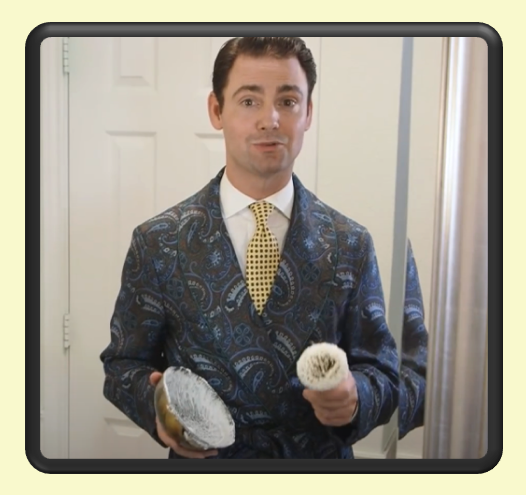
Image AI generated
Conclusion: Shaving Soap’s Timeless Appeal
The history of shaving soap is a story of innovation, evolving from its humble beginnings with animal fats and wood alkali to its resurgence in modern grooming routines. While convenience-driven aerosol products dominated in the 20th century, the recent return to traditional wet shaving highlights a renewed focus on quality, sustainability, and a more enjoyable shaving experience. Today’s artisan shaving soaps blend old-world craftsmanship with modern science, proving that the classics truly never go out of style.
Educational & Informational Disclaimer
The information provided on this website is for educational and informational purposes only. It is intended to share general knowledge about traditional soapmaking, ingredient behavior, historical context, and manufacturing processes.
Nothing on this site is intended to diagnose, treat, cure, or prevent any disease or medical condition. The products offered are classified as soap under FDA guidelines and are not intended to affect the structure or function of the skin or body. Individual experiences and preferences may vary.
Information presented here should not be considered a substitute for professional medical advice, diagnosis, or treatment. If you have a medical condition, skin concern, or sensitivity, please consult a qualified healthcare professional before using any product.
This website may reference or link to third-party scientific, technical, or educational resources for general learning purposes. These references are provided to support transparency and encourage independent research, not as endorsements or medical guidance.
Click here to read the full disclaimer.
Contact me:
Text:
(479) 651-2760
I typically respond to texts almost immediately unless I’m in the middle of making soap.
As soon as I reach a stopping point, I’ll be sure to check and reply.
I check my email daily and will get back to you as soon as possible.