
The Role of Diet in Beard Development:
Essential Nutrients and Habits for Healthy Hair
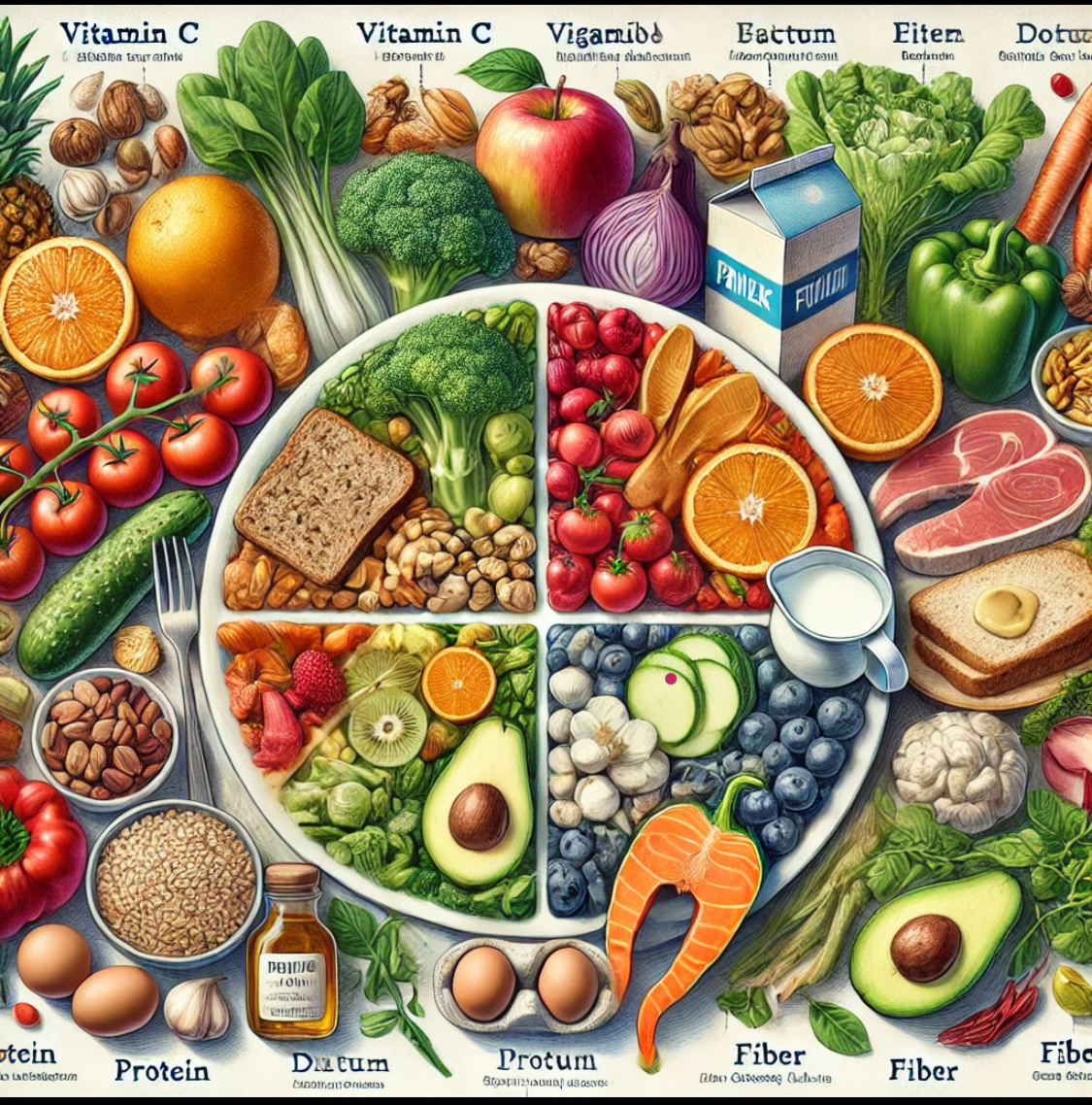
Image AI-generated
Nutritional Diet
When aiming for the beard you envision, a well-balanced diet plays an important role in overall wellness. Proper nutrition supports the body’s normal physiological processes, including those involved in hair structure. However, busy lifestyles often make it challenging to prioritize consistent meals, adequate sleep, and regular exercise. With demanding schedules and convenience foods, nutrition can easily take a back seat.
Research suggests that while genetics largely determine hair density and growth patterns, overall nutritional status may influence hair appearance and quality. Because hair emerges from the skin, maintaining overall skin health through balanced nutrition is part of supporting normal hair structure. A well-nourished body provides the foundational elements needed for typical hair development.
Key nutrients involved in normal hair structure include Vitamins A (Retinol), C, D, E, and B vitamins such as Biotin (Vitamin B7) and Pantothenic Acid (Vitamin B5). These are among several nutrients that contribute to general cellular function. You may have noticed DL-Panthenol listed in grooming products—it is the pro-vitamin form of B5 and is included in my beard conditioner and facial toners. For a deeper explanation, see the Vitamin A section, where I discuss the distinction between pro-vitamins and preformed vitamins.
Panthenol is a derivative of pantothenic acid (Vitamin B5) and is widely used in skincare and haircare formulations. It is valued in cosmetic applications for its ability to bind and attract moisture, which contributes to improved surface hydration and a smoother feel.
In haircare products, panthenol is commonly included to help enhance the appearance of hair by supporting a smoother texture and improved manageability. Because of these properties, it is frequently incorporated into conditioners, toners, and other grooming products.
As with many cosmetic ingredients, its role is primarily to improve the feel and appearance of skin and hair rather than to alter their biological structure.
Minerals involved in normal hair structure and follicle function include Zinc (Zn), Iron (Fe), Copper (Cu), Selenium (Se), Silicon (Si—not to be confused with silicone), Magnesium (Mg), and Calcium (Ca). Maintaining balanced nutrition is one part of supporting overall wellness, which in turn plays a role in the body’s typical hair development processes.
While genetics largely determine facial hair density and growth patterns, adopting balanced eating habits can contribute to overall well-being and may influence how your beard looks and feels over time.
Protein-Rich Foods
The word “keratin” has its roots in the Greek word keras, meaning “horn,” which is fitting since this structural protein is a major component of the horns, hooves, and claws of animals. In humans, keratin forms part of the outer layer of skin and provides structure to both skin and hair. It contributes to the physical properties of epithelial tissues and plays an important role in their normal structure.
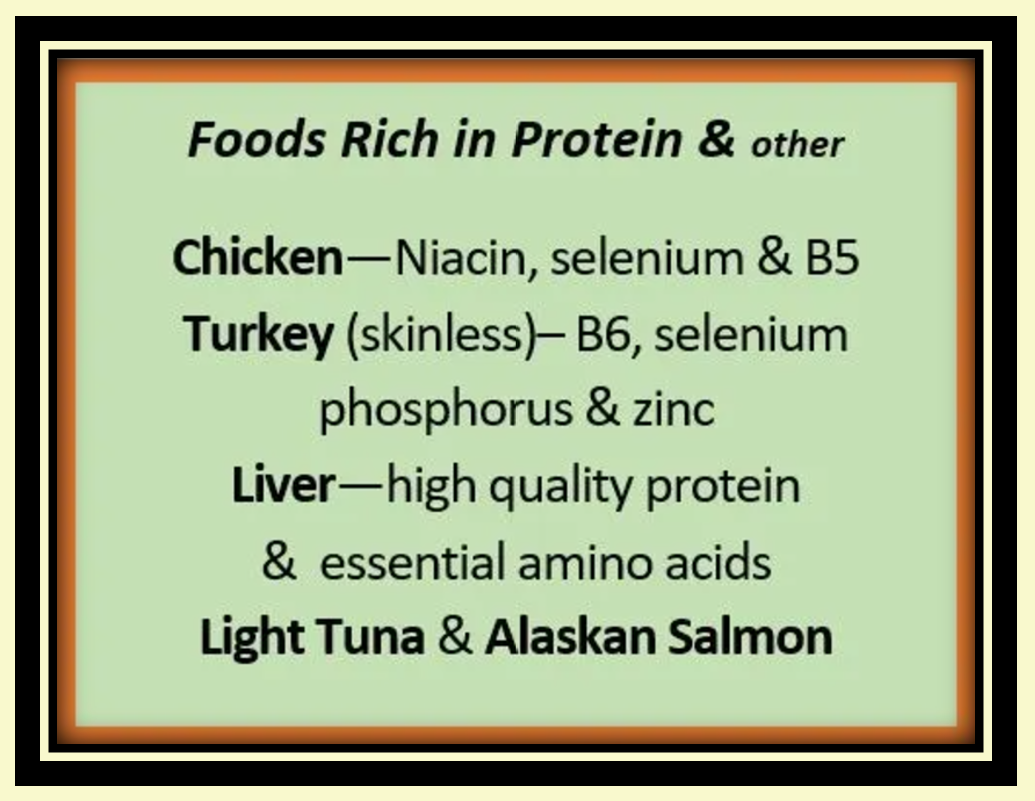
While keratin itself is not obtained directly from food, the body synthesizes it from amino acids derived from dietary protein. Consuming adequate protein supports normal physiological processes involved in hair and skin structure. To the right are examples of protein-rich foods, along with additional nutritional considerations. Though not exhaustive, they highlight practical sources to include in a balanced diet.
Sulfurous Foods
Amino acids serve as the building blocks of proteins, including keratin. This fibrous protein depends on sulfur-containing amino acids that form bonds contributing to its structural characteristics.
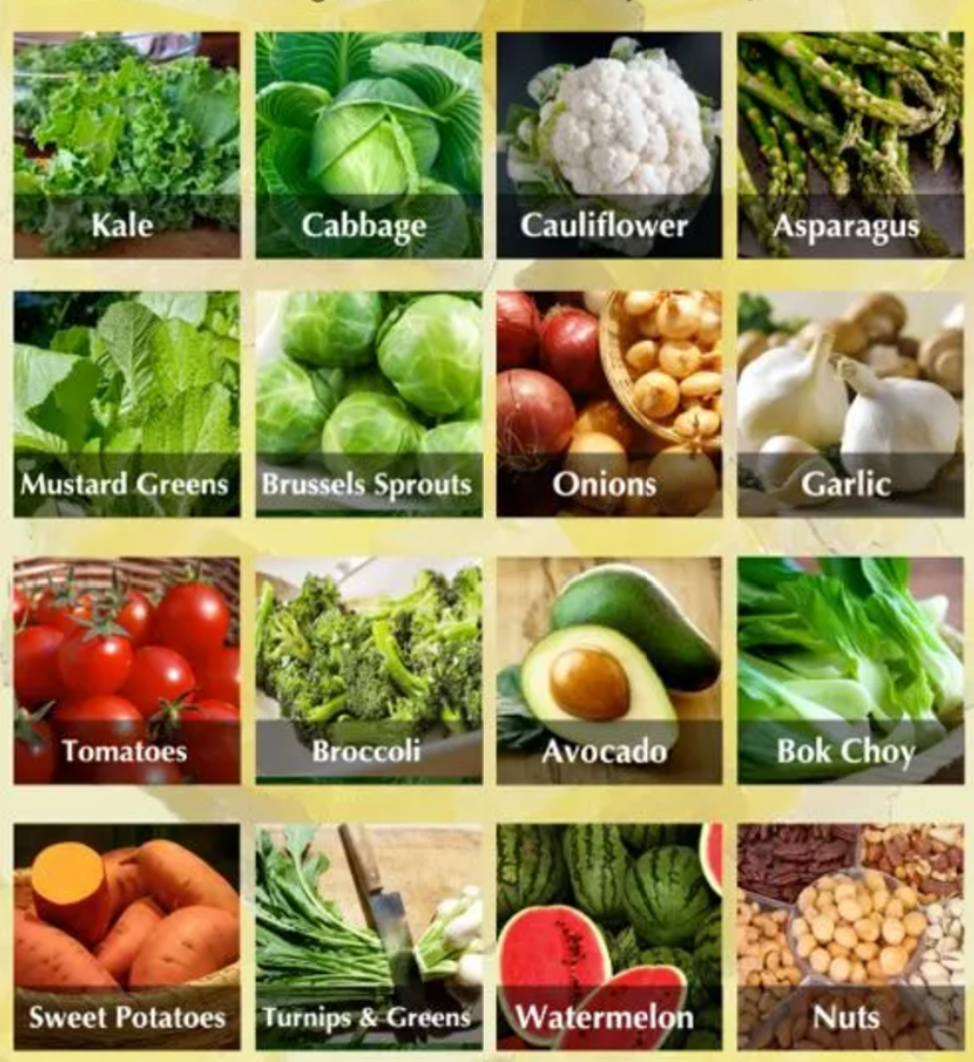
Onions are a natural source of sulfur-containing amino acids such as cysteine and methionine, which are involved in normal protein synthesis. While various home remedies circulate online
involving topical applications, nutritional support for the body is most reliably achieved through a balanced diet.
Sulfur is a mineral present in every cell of the body and participates in many normal physiological processes, including aspects of metabolism. To explore foods naturally containing sulfur, see the referenced list for additional dietary examples.
Amino Acids and The Hair Growth Process
Amino acids serve many important roles in the human body, including their function as the building blocks of proteins such as keratin, the primary structural component of hair. Because hair is largely composed of protein, adequate dietary protein supports the body’s normal processes involved in hair formation.
Amino acids also contribute to various physiological processes, including the formation of red blood cells, which participate in oxygen transport throughout the body. Maintaining overall nutritional balance supports general wellness, which in turn contributes to the normal development and appearance of hair.
Ensuring that your diet provides sufficient protein from varied sources helps support the body’s typical biological functions, including those related to hair structure.
Foods with Vitamin A (Retinol)
Vitamin A is involved in many normal physiological processes in the body, including those related to epithelial tissues. Understanding its forms is important. There are two primary types: preformed vitamin A and pro-vitamin A. Preformed vitamin A, found in foods such as liver, oily fish, cheese, and butter, can be used by the body without conversion. In contrast, pro-vitamin A compounds—such as carotenoids like beta-carotene—require conversion within the body before becoming biologically active.
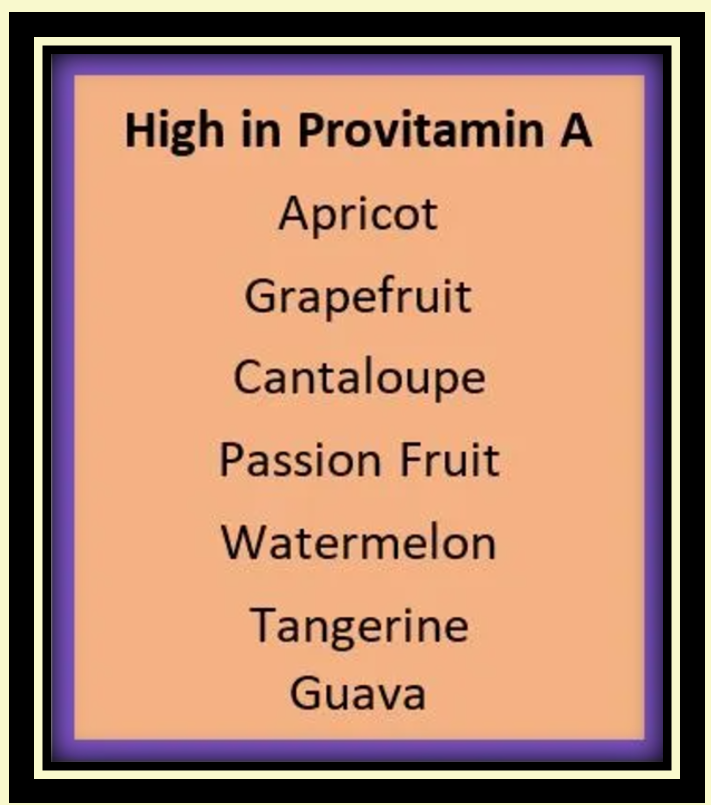
Some individuals, due to genetic variation, may convert carotenoids to active vitamin A less efficiently than others. Vegetables typically contain higher levels of pro-vitamin A than fruits, and examples are listed to the right. While vitamin A is commonly associated with vision—deficiency can affect night vision—it also participates in processes related to normal organ function, including the heart, lungs, and kidneys.
Vitamin A contributes to normal keratin formation, which is a structural component of hair and skin. The foods mentioned here provide a starting point for incorporating a variety of nutrient-dense options into a balanced diet.
Biotin-Rich Foods
Biotin is a water-soluble B vitamin involved in several normal metabolic processes, including the metabolism of fatty acids, glucose, and amino acids. It also participates in processes related to keratin formation, a structural protein found in hair and nails.
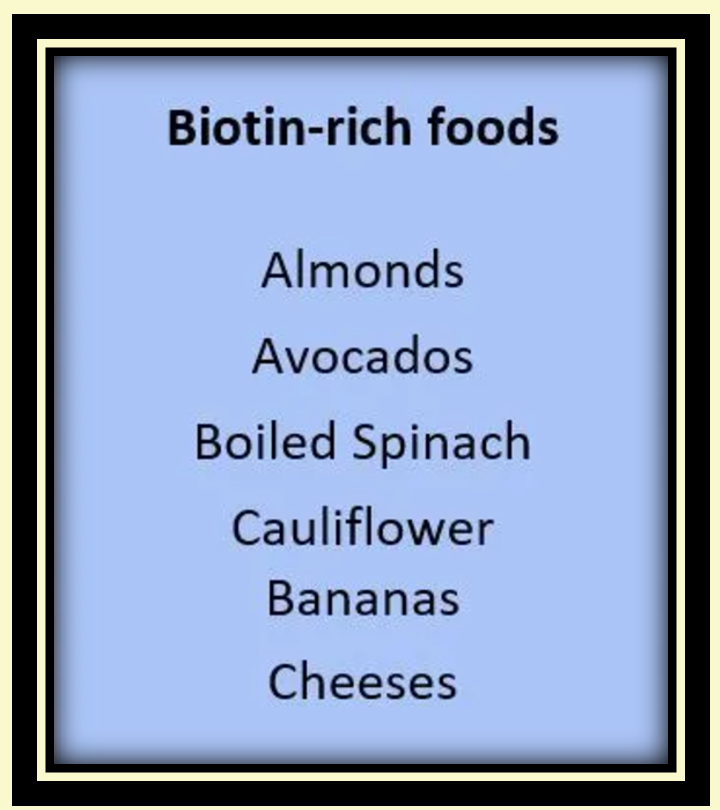
Biotin is commonly discussed in relation to hair and nail appearance, particularly in situations involving dietary deficiency. Because beard hair and scalp hair share similar structural composition, adequate overall nutrition—including sufficient biotin intake—contributes to the body’s normal physiological functions.
Biotin is found in foods such as cooked egg yolks, while raw egg whites contain a protein (avidin) that can
interfere with biotin absorption when consumed in large amounts. Organ meats, particularly cooked beef liver, are among the richest dietary sources of biotin. This section highlights food sources of biotin and serves as a starting point for incorporating nutrient-dense options into a balanced diet.
Conclusion
Notice how these elements are connected:
- Biotin is involved in normal metabolic processes related to amino acids.
- Amino acids serve as the building blocks of proteins, including keratin.
- Vitamin A participates in processes related to keratin formation.
- Keratin is a structural protein that forms part of hair’s physical composition.
Together, these nutrients contribute to the body’s normal physiological functions, including those involved in hair structure.
Educational & Informational Disclaimer
The information provided on this website is for educational and informational purposes only. It is intended to share general knowledge about traditional soapmaking, ingredient behavior, historical context, and manufacturing processes.
Nothing on this site is intended to diagnose, treat, cure, or prevent any disease or medical condition. The products offered are classified as soap under FDA guidelines and are not intended to affect the structure or function of the skin or body. Individual experiences and preferences may vary.
Information presented here should not be considered a substitute for professional medical advice, diagnosis, or treatment. If you have a medical condition, skin concern, or sensitivity, please consult a qualified healthcare professional before using any product.
This website may reference or link to third-party scientific, technical, or educational resources for general learning purposes. These references are provided to support transparency and encourage independent research, not as endorsements or medical guidance.
Click here to read the full disclaimer.
Contact me:
Text:
(479) 651-2760
I typically respond to texts almost immediately unless I’m in the middle of making soap.
As soon as I reach a stopping point, I’ll be sure to check and reply.
I check my email daily and will get back to you as soon as possible.