
Beard History
Beard History Through the Ages
Beards have come and gone throughout history, and despite being female, I find their journey fascinating. I’d like to share some of the material I discovered while researching the subject. For example, did you know that in some cultures, a man’s beard was shaved off as a punishment for licentiousness and adultery? This act was not merely punitive but served as a public shaming. Beards were so revered that they could even be pledged as payment for a debt, and some men swore by their beards, much like the modern saying, “I swear on my mother’s grave.” Otto the Great, for instance, swore by his beard. In ancient times, touching another person’s beard without permission was considered a grave offense, often resolved through a duel.
The Beard as a Symbol
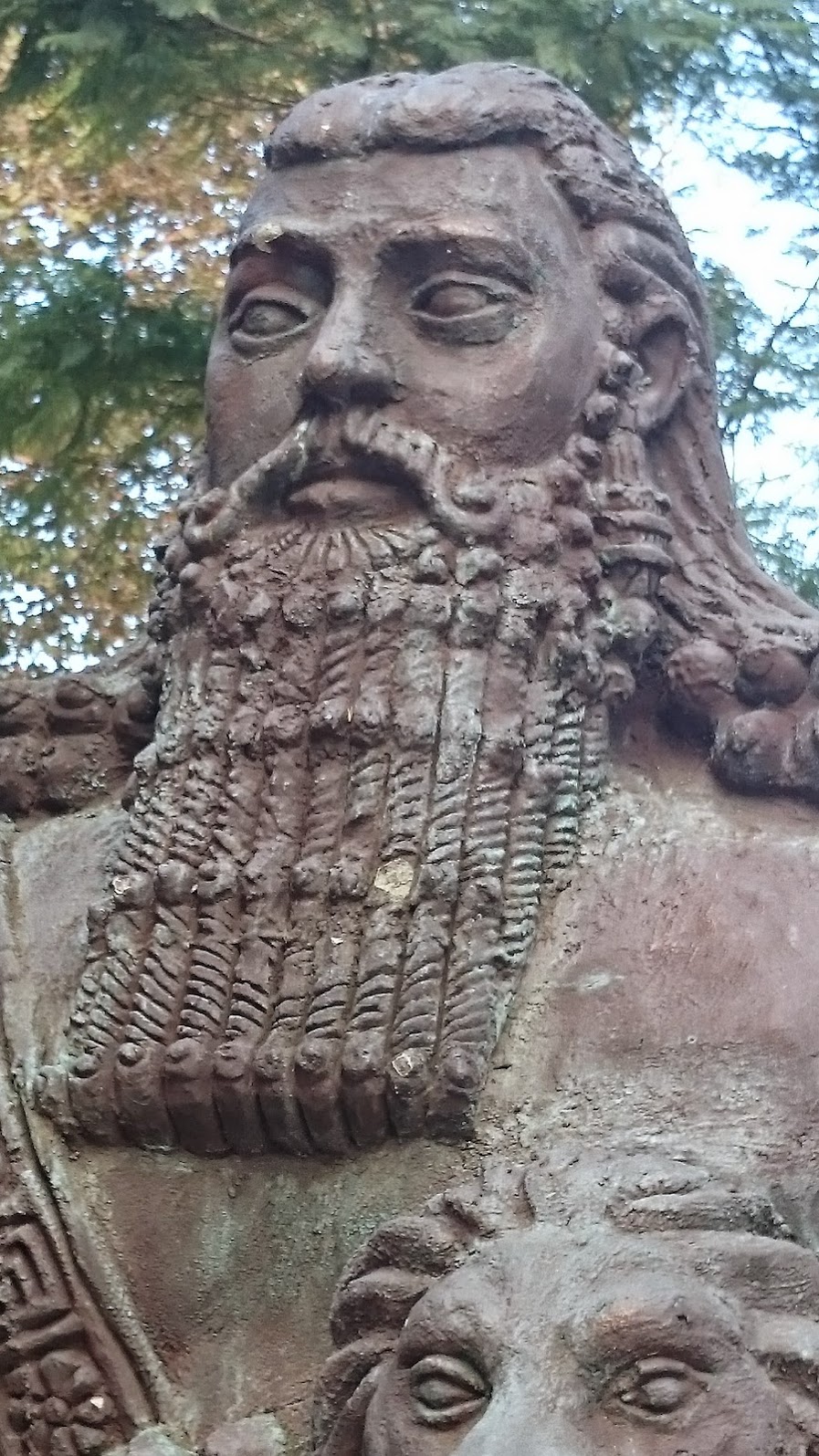
Image from Wikipedia
In today’s world, a beard is often seen as a symbol of masculinity and fashion. It conveys personality and, in some cultures, still denotes royalty or status. While modern beards are primarily aesthetic, historical beards serve practical purposes. They kept faces warm, protected skin from harsh environments, and even acted as rudimentary filters, catching dust and debris.
To the left is a statue of Gilgamesh with an elaborate beard; he was possibly a historical king of the Sumerian city-state of Uruk.
Natural Armor and Sun Protection
Beards have also been likened to natural armor. In cold climates, they provided insulation, a benefit my own son values with his extremely long beard, which he could wrap around his neck like a scarf during harsh winters. In summer, beards shielded the skin from harmful UV rays. Research from the University of Queensland found that beards can block up to 95% of UV rays, offering significant protection against photo-aging and skin damage. Dr. Adam Freidmann further explained that heavy beards might also reduce signs of aging by covering the skin.
Cultural Practices and Beard Care in Ancient Times
The ancient Egyptians intertwined gold strands into their beards, while Babylonian men dyed theirs and sprinkled them with gold dust. Mesopotamian civilizations were among the first to use beard oils to keep their beards healthy, a precursor to today’s popular grooming products. Assyrians dyed their beards black, while Persians preferred henna for an orange-red hue. Indian men grew long beards symbolizing wisdom, and Turkish men followed a similar tradition to denote dignity and sagacity.
Assyrians and Persians took beard grooming to an art form, using ancient curling irons to shape their beards into tiered ringlets. Greek men, too, curled their beards and often used lotions and pomades to shine them. Barbers, popular in ancient Greece, trimmed and maintained beards rather than shaving them. These professionals not only styled beards but also applied beeswax for a polished look.

Beards in War and Philosophy

Beards often symbolized fierceness and intimidation in ancient warfare. A warrior with a prominent beard projected strength, much like a peacock flaunting its feathers. Conversely, Alexander the Great believed that beards could be a liability in combat, as enemies might grab them during a fight. As a result, he ordered his soldiers to shave, a practical decision that reflected the tactical considerations of the time.
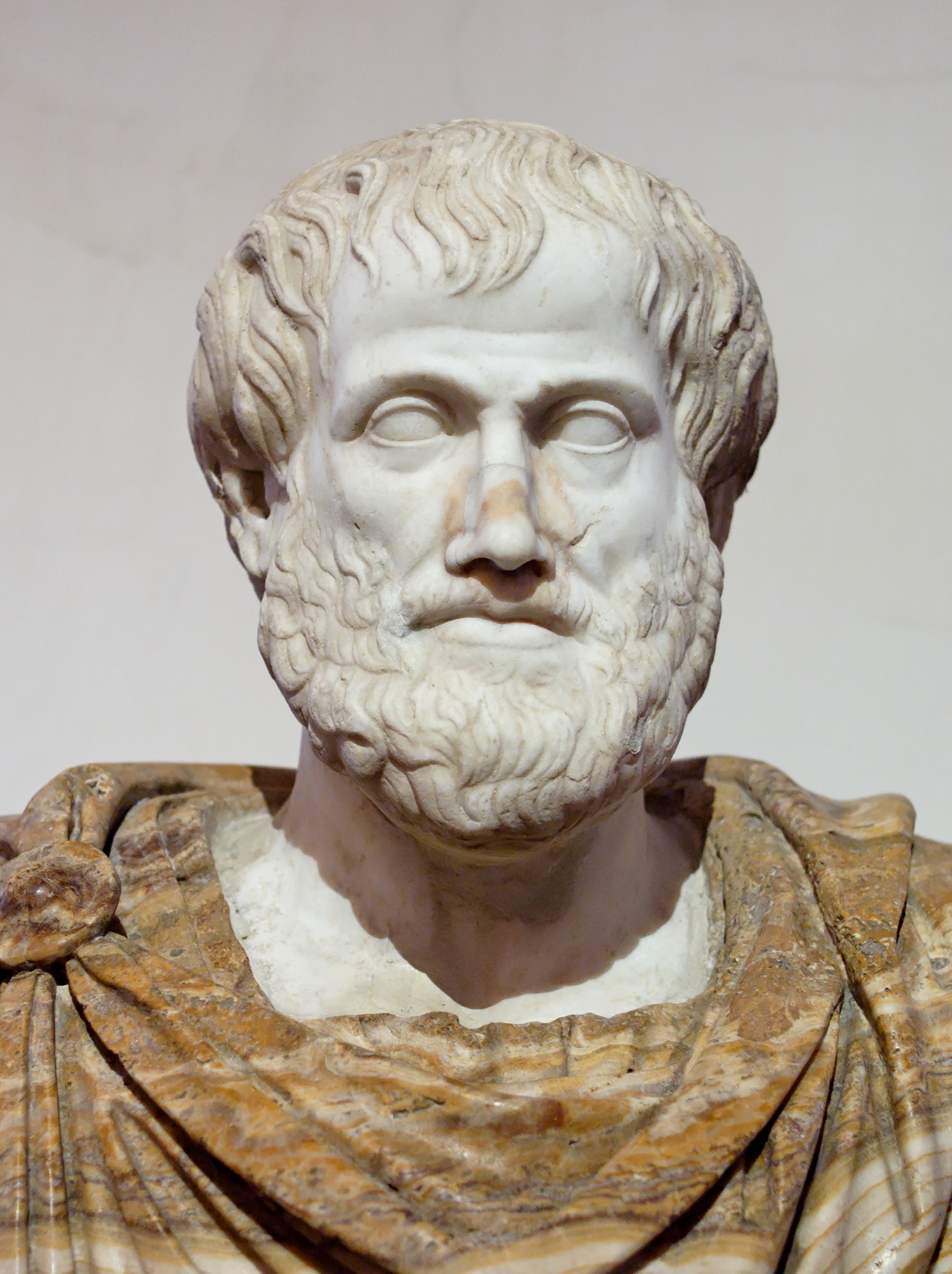
Philosophers, however, retained their beards regardless of trends. In ancient Greece, a beard was a mark of wisdom and honor. Shaving a man’s beard could be a form of punishment, signifying disgrace. The Roman Empire also saw fluctuating beard trends. Initially, Roman men were bearded, but by 296 BC, barber shops introduced clean-shaven styles. Publius Cornelius Scipio, a Roman general, was one of the first prominent clean-shaven figures. This trend continued until Emperor Hadrian popularized beards again, possibly to conceal facial scars and blemishes.
The Pendulum of Popularity
Throughout history, beards have oscillated between being revered and reviled. In ancient times, they symbolized strength and wisdom; in others, they were associated with poor hygiene or uncivilized behavior. Philosophers like Marcus Aurelius and Antisthenes wore their beards with pride, representing intellect and contemplation.
Beards Today
Today, beards are a blend of tradition, fashion, and self-expression. Men who maintain their beards with oils, balms, and specialized tools are modern counterparts to ancient barbers. The art of grooming a beard is as meticulous as daily shaving, if not more so. A well-maintained beard speaks volumes about its wearer, much like it did in centuries past. From ancient warriors and philosophers to contemporary style icons, the beard’s legacy continues to evolve, leaving its indelible mark on history.
Explore These Fascinating Reads:
Detailed History of the Beard (Source: Wikipedia)
The History of Beards: Facial Hair Throughout The Ages (Source: Balding Beards)
A Short History of Beard Styles (and Some Fun Facts, Source: History Cooperative)
Educational & Informational Disclaimer
The information provided on this website is for educational and informational purposes only. It is intended to share general knowledge about traditional soapmaking, ingredient behavior, historical context, and manufacturing processes.
Nothing on this site is intended to diagnose, treat, cure, or prevent any disease or medical condition. The products offered are classified as soap under FDA guidelines and are not intended to affect the structure or function of the skin or body. Individual experiences and preferences may vary.
Information presented here should not be considered a substitute for professional medical advice, diagnosis, or treatment. If you have a medical condition, skin concern, or sensitivity, please consult a qualified healthcare professional before using any product.
This website may reference or link to third-party scientific, technical, or educational resources for general learning purposes. These references are provided to support transparency and encourage independent research, not as endorsements or medical guidance.
Click here to read the full disclaimer.
Contact me:
Text:
(479) 651-2760
I typically respond to texts almost immediately unless I’m in the middle of making soap.
As soon as I reach a stopping point, I’ll be sure to check and reply.
I check my email daily and will get back to you as soon as possible.