
The Art and Science of Beard Care:
From Growth to Split-End Prevention
The Rise of Bearded Grooming
DIAGRAM 1, Beard Hair Growing
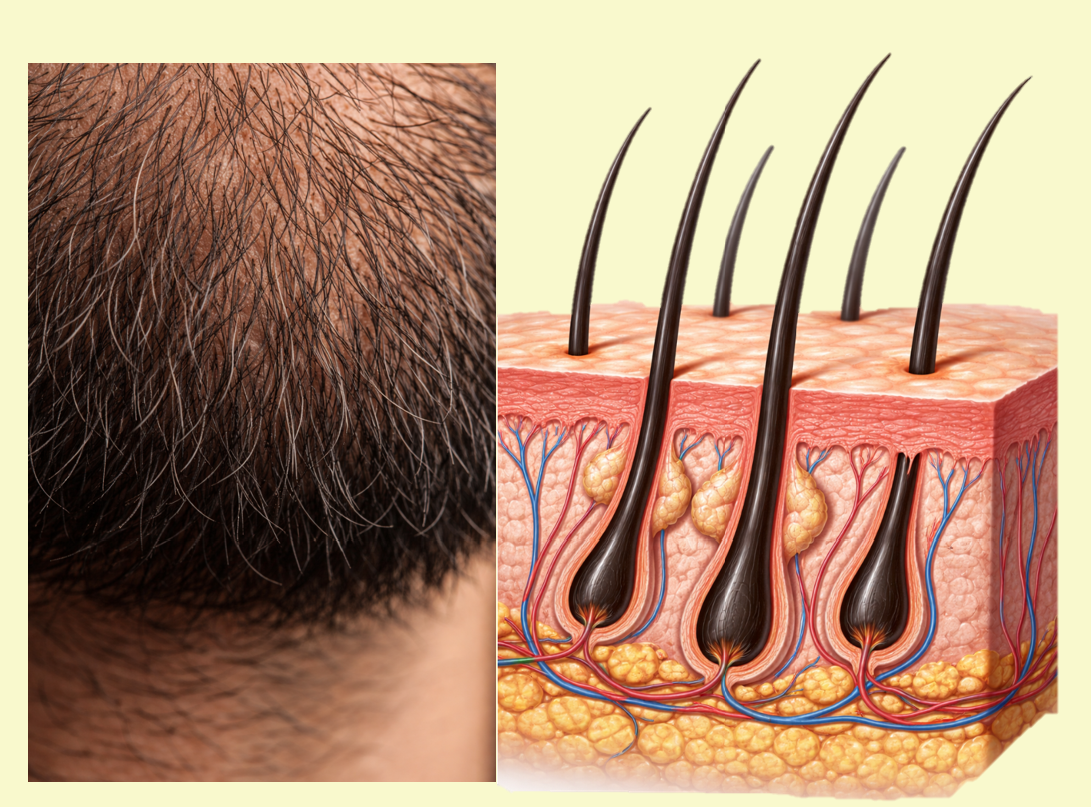
Image AI generated
Beards have fluctuated in popularity over centuries, but their resurgence today is about more than just style—it’s about care and intentionality. Growing a beard involves more than simply letting it happen. As Emily Dalton, co-founder of Jack Black men’s skincare, explains, modern beard care focuses not only on maintaining the beard itself but also ensuring the underlying skin is healthy and itch-free.
"Guys are very interested in the ritual of taking care of their beards and, most importantly, the skin underneath, to ensure they can be comfortable, with no itching or flaky skin," says Emily.
Vancouver Sun / Aleesha Harris, Publishing date: May 20, 2017
The Role of Genetics and Lifestyle in Beard Growth
While genetics play a significant role in determining your beard’s potential—through factors like testosterone levels, DHT, and androgen receptor density—great beards don’t thrive on genetics alone. Growth and maintenance require consistent care. Environmental factors and lifestyle choices, such as diet and grooming habits, can either enhance or hinder your beard’s growth and resilience.

The Split-End Dilemma: Understanding the Causes
Split ends occur when beard strands lose their structural integrity. This happens due to:
Dryness: Lack of moisture, especially at the tips, weakens the hair.
Sebum Distribution: Natural oils from sebaceous glands may fail to coat long beards completely, leaving ends unprotected.
External Damage: Environmental factors and improper grooming practices exacerbate breakage.
Without intervention, split ends can progress up the strand, further weakening the beard.
WHAT ARE SPLIT ENDS?
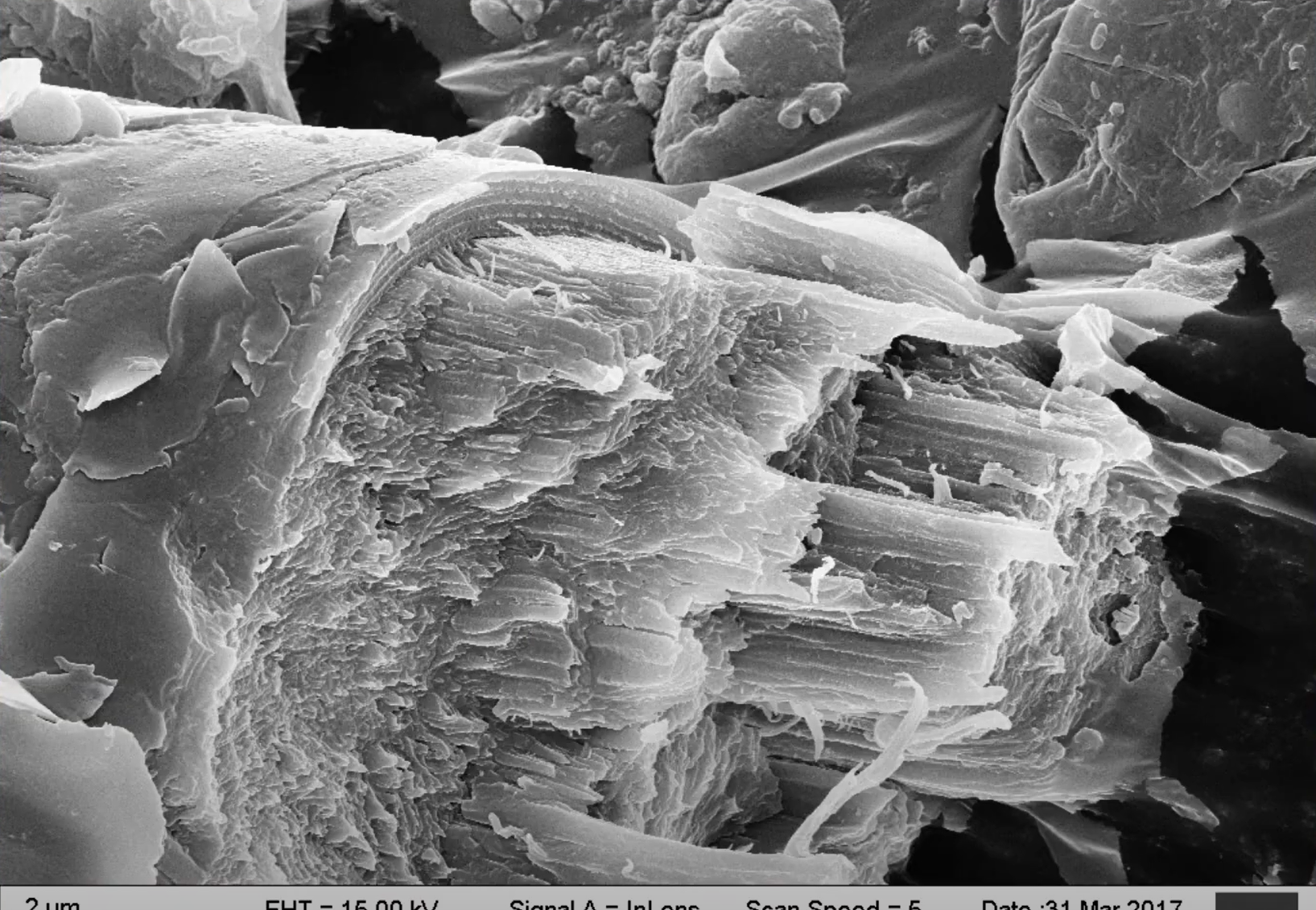
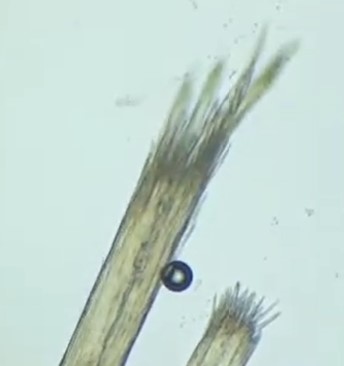
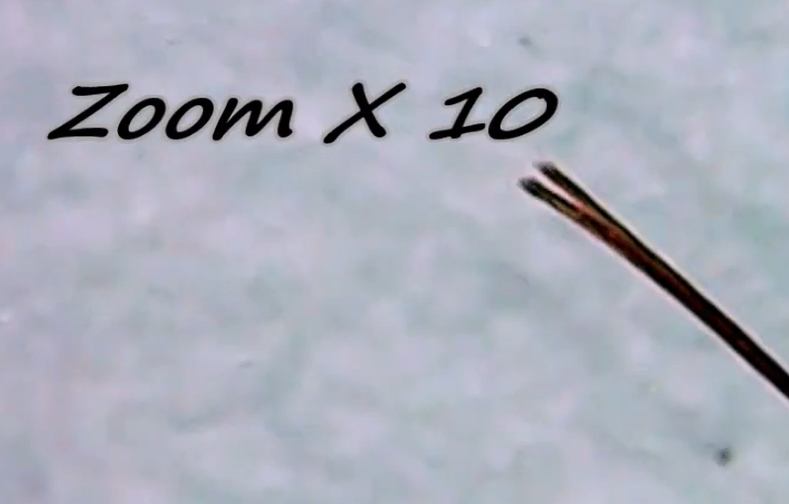
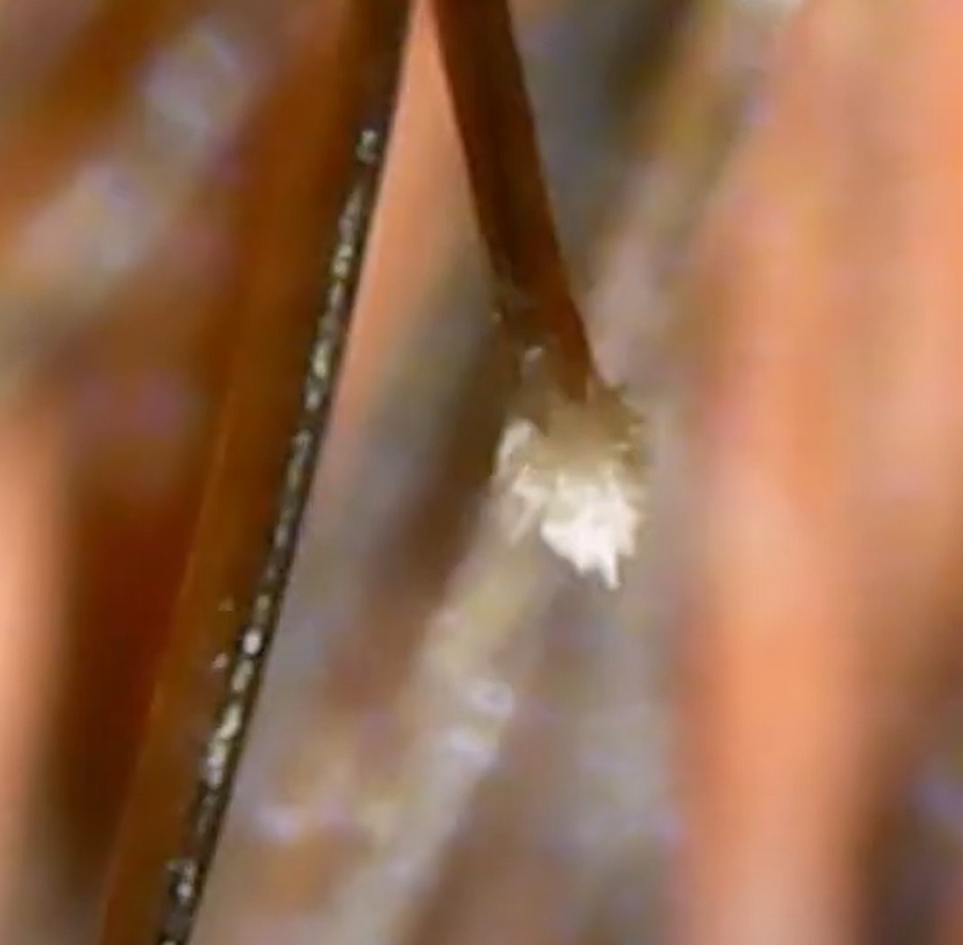
Severe damage
Severe damage
Split end
Severe damage
Can Split Ends Be Repaired?
No product or treatment can permanently “fix” split ends. Here’s why:
Hair Composition: Hair is made of dead keratinized cells, which cannot self-repair like living tissue.
Structural Damage: Split ends result from broken disulfide bonds in keratin fibers. Treatments claiming to “fix” split ends typically smooth the cuticle or temporarily fill gaps but cannot reconstruct these bonds.”
Pro Tip: Cutting damaged sections is the only permanent fix. Products like beard oils or balms can help maintain the integrity of your beard and improve appearance.
Fun Thought: Imagine if hair were made of living cells—every beard trim would require anesthesia! It would be like surgery for your face!
Role in Wound Healing and Inflamation
Keratinocytes in Wound Healing
Keratinocytes are responsible for restoring the epidermis following injuries (Pastar et al., 2014 from NCBI). This process, called re-epithelialization, is necessary for a successful wound closure. When the skin is injured, keratinocytes become activated and migrate to the wound, where they start proliferating to fill the defect. During wound-healing, interactions between keratinocytes, fibroblasts and immune cells are critical for a successful healing process. Impaired keratinocyte function leads to wound-healing defects and to chronic wounds.
From Split Ends to Shattered Strands: Understanding Extreme Hair Damage
From the videos above, you can see how hair damage progresses from the familiar split ends to more extreme cases, where the structural integrity of the hair is significantly compromised. In some instances, the damage extends beyond the outer layers, exposing the internal cortex and, in the most severe cases, the medulla.
Understanding this progression is crucial for recognizing the stages of hair damage and determining how to address them effectively. Let’s explore what happens when hair sustains damage beyond a split end, delving into the science of fractured and shattered hair, and the consequences of exposed medulla.
Hair that has sustained damage beyond a simple split end, where the cortex has broken down and the medulla is exposed or even protruding, can be described as severely damaged, fractured, or shattered hair. Here’s why these terms work:
1. Severe Damage
- This is the overarching term for hair where the internal structure is compromised. The cortex, responsible for strength and elasticity, is broken down, leaving the hair extremely weak and prone to further breakage.
2. Fractured Hair
- This term emphasizes the structural breakdown, indicating that the hair shaft has suffered significant stress or damage, often from heat styling, harsh chemicals, or excessive mechanical trauma.
3. Shattered Hair
- This describes hair where the integrity of the cuticle and cortex is so compromised that it’s no longer intact. This term conveys extreme internal damage that exposes the vulnerable medulla.
4. Exposed Medulla
- If you’re being scientific or precise, you might specifically call it hair with exposed medulla to highlight the internal level of damage. This is less common because not all hair types even have a medulla, but it adds clarity if needed.
This kind of damage often results in a brittle, frayed, and uneven appearance and is a clear indicator that the hair has reached the irreparable stage. At this point, trimming the damaged section is typically the only solution to prevent further deterioration.
Why Keratin Treatments Fall Short
Keratin treatments, though marketed as restorative, offer temporary cosmetic benefits. They cannot:
Reform Broken Bonds: Disulfide bonds are created during hair formation at the follicle and cannot be rebuilt externally.
Integrate Fully: Added keratin doesn’t fuse into the natural protein structure of hair but instead fills surface gaps.
While keratin treatments can smooth cuticles and reduce frizz, they don’t “fix” damaged strands. Moderation in chemical treatments (like dyeing or straightening) is key to preventing severe damage.
Fun Analogy: Trying to fuse keratin into damaged hair is like patching a shredded spider web with glue—it might hold for a while but won’t restore the original structure.
Preventing Split Ends: Proactive Beard Care
Preventing split ends is all about consistency and care. Here’s how:
- Hydrate and Protect: Use beard oils to lock in moisture and protect the strands.
- Mind Your Diet: A nutrient-rich diet supports the growth of strong, healthy beard hair.
- Groom with Care: Avoid aggressive combing, heat styling, or harsh products that weaken the hair shaft.
Beard health is influenced by both internal factors (nutrition, hydration) and external factors (grooming, environmental exposure). Addressing both can help keep split ends at bay and your beard looking its best.
By blending science, proper care, and a touch of humor, you can maintain a beard that’s not just stylish but also healthy and strong.
Final thoughts
In the world of beard grooming, patience and consistency are key to achieving a healthy, well-maintained beard. Whether you’re just starting out or you’re a seasoned pro, understanding the tools, techniques, and maintenance required for your facial hair is essential for long-term success. While it may take some trial and error to figure out what works best for you, investing in quality tools, avoiding common mistakes, and staying dedicated to regular trims and care will ensure your beard remains a strong and vibrant masterpiece.
Remember, this advice is based on general best practices and is for informational purposes only. If you’re uncertain about any part of your grooming routine or experience irritation, please consult a professional.
Educational & Informational Disclaimer
The information provided on this website is for educational and informational purposes only. It is intended to share general knowledge about traditional soapmaking, ingredient behavior, historical context, and manufacturing processes.
Nothing on this site is intended to diagnose, treat, cure, or prevent any disease or medical condition. The products offered are classified as soap under FDA guidelines and are not intended to affect the structure or function of the skin or body. Individual experiences and preferences may vary.
Information presented here should not be considered a substitute for professional medical advice, diagnosis, or treatment. If you have a medical condition, skin concern, or sensitivity, please consult a qualified healthcare professional before using any product.
This website may reference or link to third-party scientific, technical, or educational resources for general learning purposes. These references are provided to support transparency and encourage independent research, not as endorsements or medical guidance.
Click here to read the full disclaimer.
Contact me:
Text:
(479) 651-2760
I typically respond to texts almost immediately unless I’m in the middle of making soap.
As soon as I reach a stopping point, I’ll be sure to check and reply.
I check my email daily and will get back to you as soon as possible.