
The Evolution of Beard Cleansers:
What Every Beardsman Needs to Know
Understanding Beard Cleansers: Soap, Detergent Bars, and Shampoo Bars
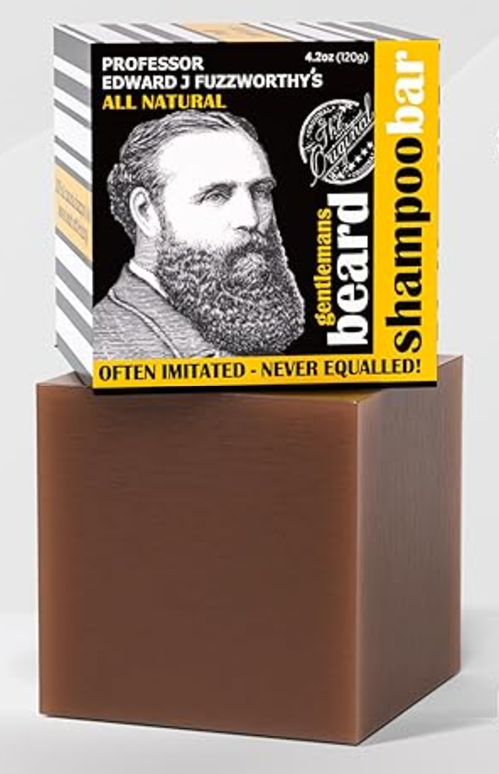
Image from Amazon
If you’ve grown a beard before, you probably have a go-to product for keeping it clean. But if this is your first beard, you might instinctively grab a bar of soap from Walmart, an online cleanser, or even your scalp shampoo. It’s easy to assume that all cleansers—whether solid or liquid—are essentially the same since they all “wash.” However, the truth is, these products differ greatly in their formulations and effects.
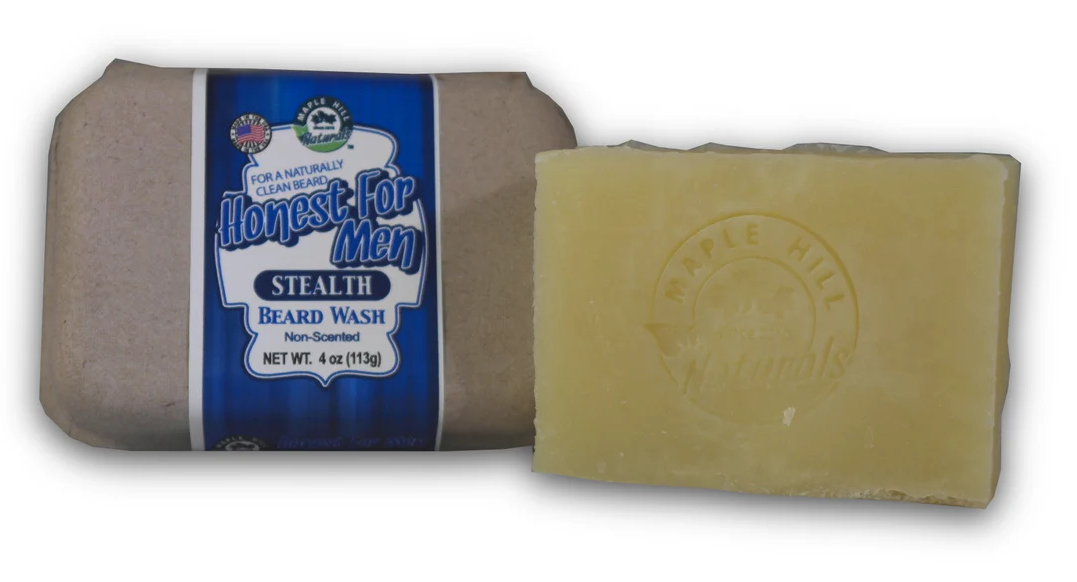
Image from Amazon
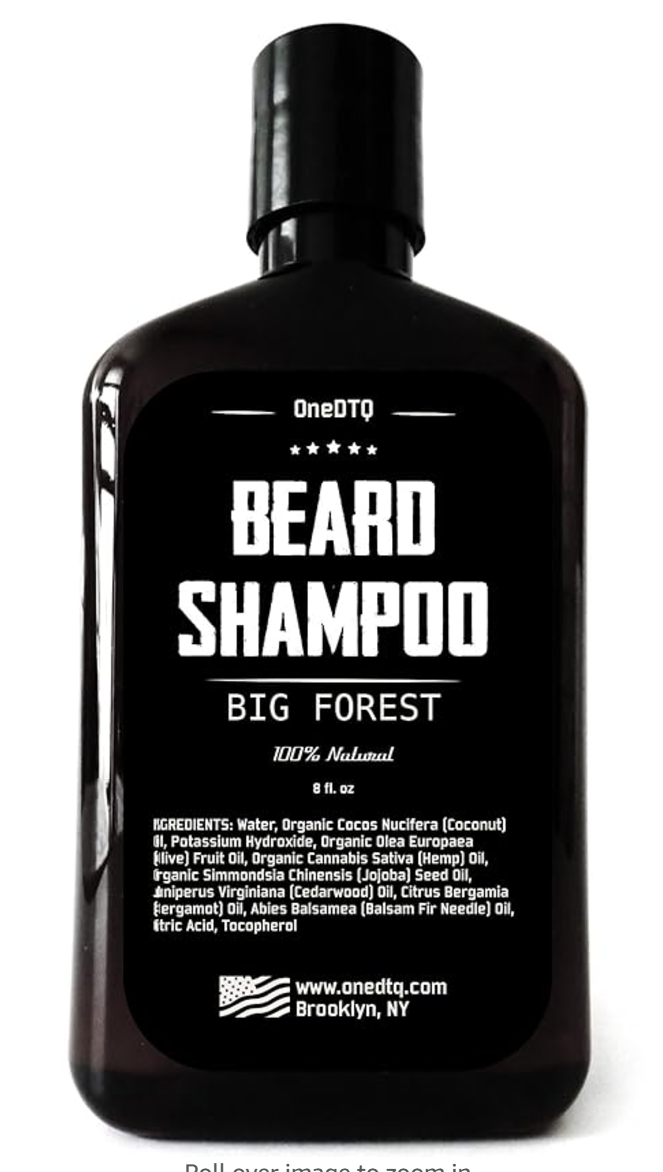
There Are Multiple Types of Cleansers—Choose Wisely
- Liquid Beard Products
- ‘Shampoo’ & ‘Wash’
- Bar Forms
- Beard Soap
- Body Bars
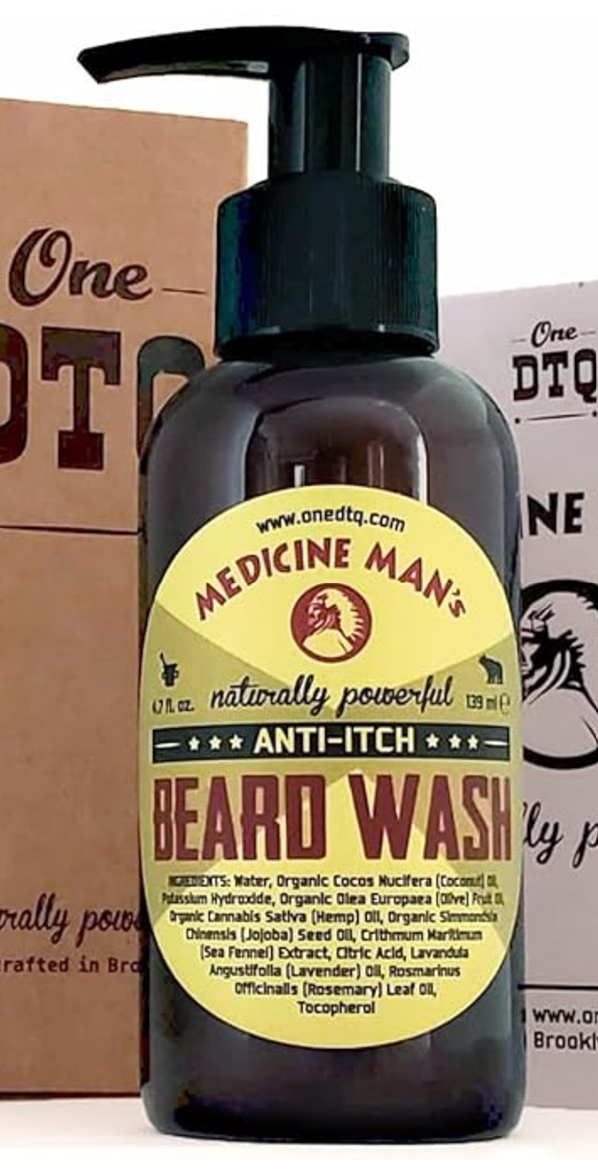
Image from Amazon
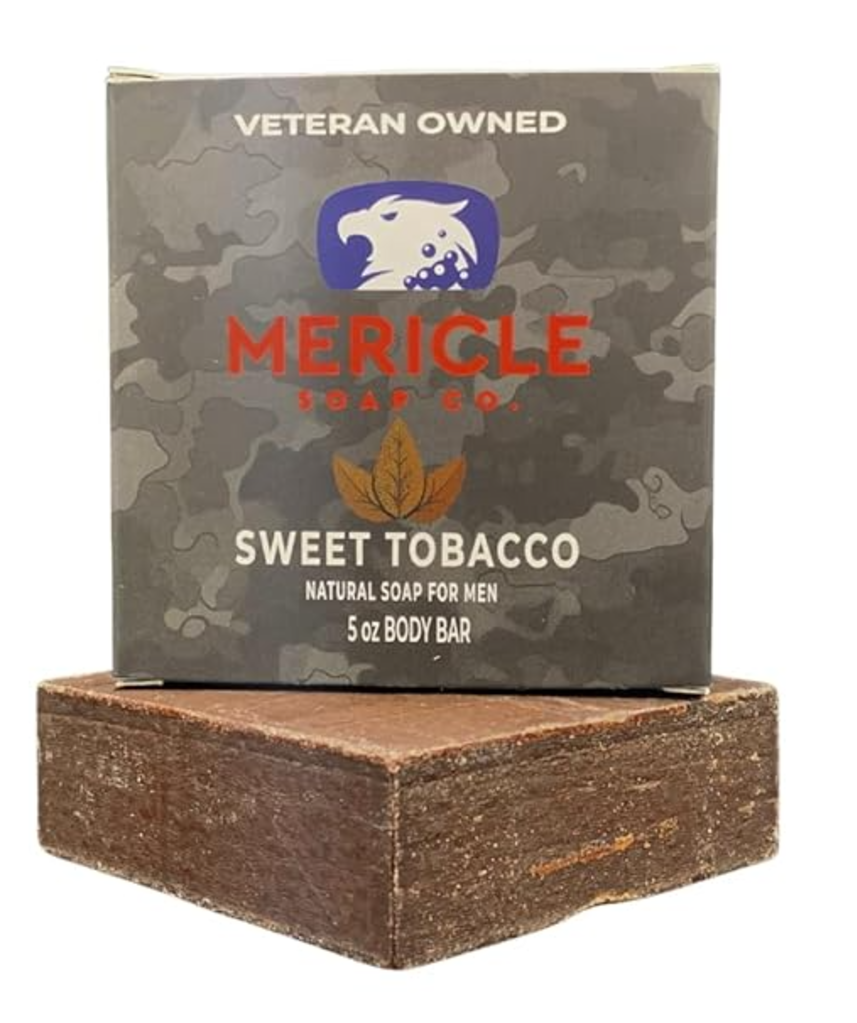
Image from Amazon
Bar Soap Is All The Same, Right??
At first glance, bar cleansers may seem identical, but the differences are significant, especially when it comes to beard care. You might wonder: Don’t they all clean? What’s the harm in using regular soap or scalp shampoo for your beard? Why do beard care sites recommend certain bars over others?
Image from Amazon
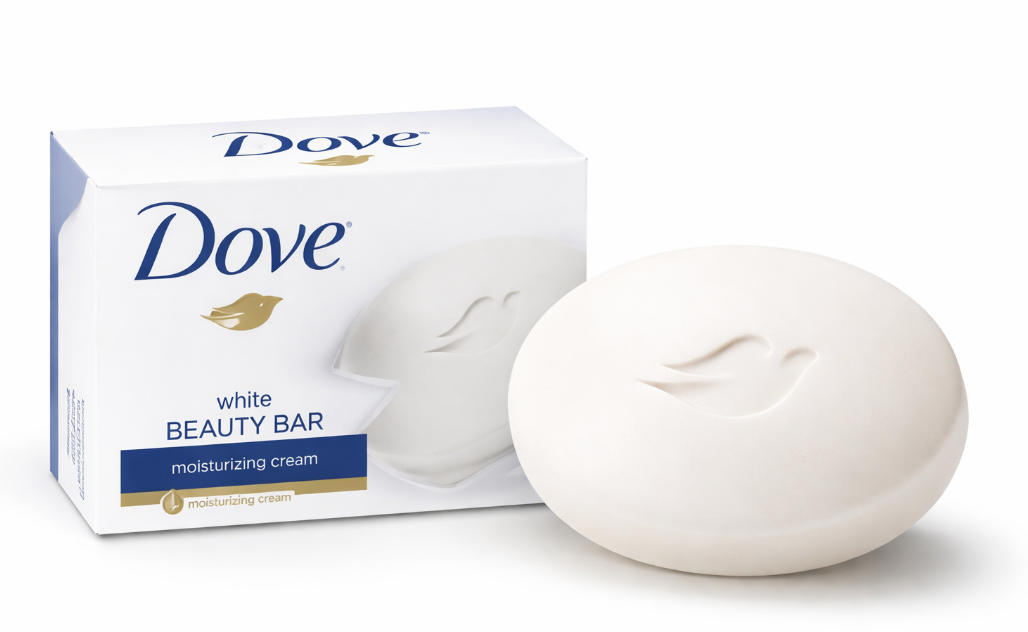
Image AI generated
The answer lies in how these products are formulated and their intended purposes:
Detergent Bars (Modern Soap): These are made with synthetic surfactants instead of traditional saponified oils. While they can cleanse effectively, they often strip away the natural oils from the skin and hair, which can leave your beard feeling dry and brittle.
Traditional Soap (True Soap): Created through saponification—combining natural oils or butters with an alkaline solution—these bars retain moisturizing glycerin and tend to be gentler. However, they may not always be formulated to meet the specific needs of facial hair, which is more delicate than body skin.
Beard Care Bars: Designed specifically for beard and facial hair, these bars often resemble traditional soap but include ingredients tailored to care for and protect your beard. They cleanse without stripping essential oils, keeping your beard soft, hydrated, and manageable.
By understanding these key differences, you can choose the right product to care for your beard, ensuring it stays healthy and looking great.
Disclosure: I do not endorse any of the cleansers mentioned here, nor do I receive any compensation for including them. They are presented solely for illustrative purposes to highlight their composition and features observed in the market.
Clearing Up the Confusion
It’s common to encounter confusion when beard care sites discourage bar soap but recommend other types of bars as top choices for beard cleansing. The key difference lies in their composition. Detergent bars are typically more drying, while solid shampoo bars and traditional soaps are formulated to be gentler, helping to preserve natural oils and maintain the health of your beard and skin.
Why This Matters for Your Beard
Understanding these distinctions is important to avoid unintentionally harming your beard. Detergent bars and regular scalp shampoos can strip moisture from the skin and beard, which may result in dryness or brittleness. In contrast, traditional soap and solid shampoo bars cleanse effectively while being more gentle, helping to keep your beard and skin healthy.
The Goal: Making Informed Choices
My goal is to provide clarity on these differences, so you can make well-informed decisions about your beard care. With the right knowledge, you’ll be able to confidently choose products that support your grooming goals and avoid those that could negatively affect the health of your beard.
Exploring More About Soap
To explore more details, simply click the arrow on the accordion of your choice to reveal the information that interests you.
The shift from traditional soap to modern synthetic detergents marked a major turning point in both personal and household cleaning practices. This transition was driven largely by resource availability, performance needs, and changing lifestyles.
1916: During World War I, Germany developed the first synthetic detergents in response to shortages of animal and vegetable fats required for soapmaking. These early detergents worked in hard water and did not form soap scum.
1930s: Detergents were introduced in the United States for household use and gained wider acceptance after World War II, particularly because they performed well in cold water and mineral-rich or seawater conditions.
1946: The introduction of “built” detergents—formulations combining surfactants with builders—made detergents especially effective for heavy-duty laundry cleaning.
1953: Detergent sales in the United States surpassed those of traditional soap, reflecting a major consumer shift.
1970: Liquid hand cleansers entered the market, further reducing reliance on traditional bar soaps.
Today, many products marketed as “soap” are actually synthetic detergent–based cleansers. While they serve similar cleansing purposes, they are chemically different from true soap made through the saponification of fats and oils.
Pre-1608: Soapmaking was largely a household task. Because lye solutions were made by eye rather than measured, early soaps were often harsh and inconsistent.
1608: English settlers in Jamestown, Virginia, began producing soap more systematically, trading finished soap for animal fats needed to continue making it.
1791: A major breakthrough occurred when a French chemist developed a method for producing soda ash from salt, allowing soapmakers to create a more consistent and reliable lye source.
1800s: Continued advances in chemistry led to gentler, more predictable soaps, transforming soap from an occasional luxury into an everyday necessity.
Fun Fact:
Early soapmaking methods, such as producing lye water from wood ashes, can still be replicated today. While it may be considered crude by modern standards, this historical technique can still produce functional soap that cleans—and even lathers—similar to the soaps made centuries ago. I recently made a small batch using ashes from our wood stove, which we use to heat our home. It was an amazing experience!
Why Traditional Soap Deserves a Place in Beard Care
Traditional soap retains its natural glycerin, making it a gentler option for cleansing your beard while helping to maintain the skin underneath. This is why many beard care sites recommend “real” soap over detergent-based bars.
Choosing traditional soap isn’t just about grooming—it’s a connection to centuries of craftsmanship. With its natural ingredients and moisturizing properties, it provides effective care while honoring a time-tested tradition.
Want to Know More About the History of Soap?
If the brief mention of soap’s history has piqued your interest, dive deeper into the fascinating details! Explore the comprehensive section on the history of soap to uncover its evolution, cultural significance, and the science behind its transformation over centuries.
Educational & Informational Disclaimer
The information provided on this website is for educational and informational purposes only. It is intended to share general knowledge about traditional soapmaking, ingredient behavior, historical context, and manufacturing processes.
Nothing on this site is intended to diagnose, treat, cure, or prevent any disease or medical condition. The products offered are classified as soap under FDA guidelines and are not intended to affect the structure or function of the skin or body. Individual experiences and preferences may vary.
Information presented here should not be considered a substitute for professional medical advice, diagnosis, or treatment. If you have a medical condition, skin concern, or sensitivity, please consult a qualified healthcare professional before using any product.
This website may reference or link to third-party scientific, technical, or educational resources for general learning purposes. These references are provided to support transparency and encourage independent research, not as endorsements or medical guidance.
Click here to read the full disclaimer.
Contact me:
Text:
(479) 651-2760
I typically respond to texts almost immediately unless I’m in the middle of making soap.
As soon as I reach a stopping point, I’ll be sure to check and reply.
I check my email daily and will get back to you as soon as possible.