
Introduction to "The Salt that Cleans...Soap's History"
A Journey Through the History of Soap
Soap has been an essential part of human civilization for thousands of years, evolving from humble beginnings to the modern, synthetic cleansers we use today. The term “soap” itself is derived from the Latin “sapo,” but chemically speaking, soap is simply the salt of fatty acids formed through a reaction known as saponification. This reaction, where fats or oils combine with an alkali, has formed the basis of soap for millennia.
In this journey through time, we will explore how ancient civilizations first discovered and refined the art of soap-making, and how it evolved across cultures, shaping our approach to cleanliness, hygiene, and personal care. From the ash and fat concoctions of Ancient Babylon to the more refined soaps of the Roman Empire, and onward to the scientific advancements of the modern age, soap has consistently adapted to meet the needs of its time.
In this detailed exploration, we delve into the history of soap in key historical periods and regions. This journey begins in ancient Mesopotamia, stretches through the rise of soap-making practices in the ancient Mediterranean and China, and continues through the Islamic Golden Age, the Middle Ages, and the Industrial Revolution. By examining these periods, we also uncover how soap’s use evolved, from cleaning fabrics and medicinal applications to its eventual role in personal hygiene and beauty.
Join us as we explore how this “salt that cleans” helped shape societies, cultures, and ultimately the modern world.
Main Sections:
Ancient Beginnings: Soap in Babylon and the Eastern Mediterranean
- The origins of soap trace back to the Ancient Near East, particularly Babylon, where early forms of soap-like substances were made with ash and animal fats. Soap-making knowledge spread through the ancient civilizations of Egypt, Israel, and Mesopotamia, as these cultures began refining their methods for various uses.
The Ancient World: Soap in Rome, China, and the Islamic Golden Age
- In Ancient Rome, soap-like substances were used for laundry and medicinal purposes. China’s use of soap was initially centered around oils for body care rather than cleaning. During the Islamic Golden Age, advancements were made in soap-making technology, significantly improving the quality of soaps.
Medieval Europe: The Development of Soap in the Early and High Middle Ages
- Soap-making in Europe began to take shape in the early medieval period. By the High Middle Ages, soap had become more widely used for personal hygiene in Europe, though its use varied greatly across social classes. The role of soap in medieval society provides insight into both practical and cultural aspects of hygiene.
The Late Middle Ages and Early Modern Period: Soap for Personal Hygiene
- By the late Middle Ages and the Early Modern period, soap was increasingly recognized for its role in personal hygiene. This was a time of greater emphasis on cleanliness, especially as Europe’s growing trade networks helped spread soap to more areas.
The Long 19th Century: Industrialization and Mass Soap Production
- The Industrial Revolution brought major advancements in soap production, with the creation of mass-produced soaps. This period also saw the rise of new ingredients, such as lye from lime, and innovations that made soap more affordable and accessible to the general public.
20th Century and Beyond: The Age of Synthetic Soaps
- With the advent of synthetic detergents and other chemical advancements, soap’s role shifted from a handmade luxury product to a mass-market commodity. In the 20th century, soap’s history as a traditional product began to clash with the rise of synthetic alternatives, though handmade soap has made a resurgence in recent years.
Through this historical journey, we aim to capture the fascinating evolution of soap—from its earliest days as a rudimentary cleansing agent to the global industry that exists today. “The Salt that Cleans” highlights not only the chemical process of saponification but also the cultural significance of soap as a symbol of cleanliness, health, and social status throughout history.
Soap’s History–Overview Version

Comprehensive Version
A Dual Exploration: Soap History in Brief and in Depth
Before we dive into the comprehensive exploration of soap’s history, let’s first take a closer look at the key milestones and innovations that shaped its evolution in the brief overview below.
For those eager to delve deeper into the intricacies of soap-making and its historical significance, we invite you to continue your journey in the comprehensive section, where we’ll unravel the complexities and nuances of soap’s rich tapestry.
Your Guide to Exploring the Chronicles of Soap
- Below, you’ll find a fascinating, chronological overview of soap’s rich history. Feel free to skip any sections that don’t interest you, but with so much to discover, I recommend reading through the entire summary. For those with an insatiable curiosity like mine, click the “read more” link at the end of each historical section to dive deeper into soap’s origins, its early uses, and its evolution to modern-day formulations.
- To explore the full history without returning to this page for each section, click “read more” under the first green segment of the summary below. Each comprehensive page has a link at the bottom to continue seamlessly to the next.
- At any time, you can exit the comprehensive history by closing the tab or using the navigation bar to explore other parts of the site. I hope you enjoy this journey through the centuries of soap’s captivating history, right up to the present day!
Mesopotamia
Ancient Babylonia

Image AI generated
Years: 5300 BC-539 BC (Centuries: 54th century BC to 6th century BC)
The earliest known soap recipe originates from ancient Babylon around 2800 BCE. This formula, recorded on a clay tablet, called for a mixture of water, alkali (likely wood ash), and cassia oil, creating a primitive form of soap used primarily for cleaning textiles rather than bathing.
Babylon’s location along key trade routes and its people’s seafaring skills may have allowed this early soap to reach distant regions in exchange for valuable resources. Though primarily used domestically, this trade could have subtly influenced soap development in neighboring cultures.
Ancient Eastern
Mediterranean region
Years: 3500 BC to 550 BC
(Centuries: 36th century BC to
6th century BC)

Image AI generated
Years: 3500 BC-550 BC (Centuries: 36th century BC to 6th century BC)
The origins of soap trace back to ancient regions like Syria, Israel, Palestine, and other parts of the Middle East, where early soap-like substances were first developed. These civilizations pioneered a harder, milder form of soap, thanks to advances in chemistry and scientific techniques during the Islamic Golden Age. Through these refinements, Middle Eastern soap achieved renowned quality, marking the region not only as the birthplace of soap but also as the center for its perfected production, establishing traditions and methods that influenced soap-making practices for centuries to come.
Step back in time and journey through the fascinating evolution of soap! Discover how cultures across centuries transformed soap from a rudimentary cleanser to the luxurious, fragrant bars we enjoy today. This journey showcases the ingenuity of ancient chemists and artisans from places like Syria, Israel, and Palestine, where the art of soap-making took root. From these early creations to the vibrant industry we know now, explore how soap was crafted, perfected, and celebrated as an essential part of daily life across the ages.
Syria
Aleppo soap, also known as “savon d’Alep” or “jabon de Alepo,” is one of the oldest soap varieties in the world, with origins tracing back to ancient Mesopotamia. It is believed to have been crafted for over 2,000 years in the city of Aleppo, located in present-day Syria.
The production of Aleppo soap likely began in the ancient city of Aleppo around the 8th century AD, during the Islamic Golden Age. However, due to its ancient origins, precise historical records detailing its exact emergence are scarce.
Israel
In 2020, archaeologists uncovered a 1,200-year-old soap factory in Rahat, Israel, revealing an intricate soap-making process from the Abbasid period. Using olive oil, saltwort ashes rich in potash, and days of curing, this early factory produced soap primarily for cleaning textiles rather than personal hygiene. The site’s size and design suggest a large-scale industry, likely exporting its products widely. This find highlights the Middle East’s rich heritage in soap production, influencing methods that continue to inspire modern practices.
Palestine
In Nablus, Palestine, traditional soap-making thrives with the famous Nabulsi soap, crafted for centuries using pure olive oil, water, and natural alkali. Artisans preserve a labor-intensive method, pouring cooked soap into trays, cutting it into blocks, and hand-stamping each piece before curing for months. Though modernized in some areas, a few factories maintain these historic techniques, making Nabulsi soap a valued regional symbol. This enduring craft reflects the deep-rooted heritage of soap-making in the Middle East, bridging ancient traditions with present-day artisanal pride.
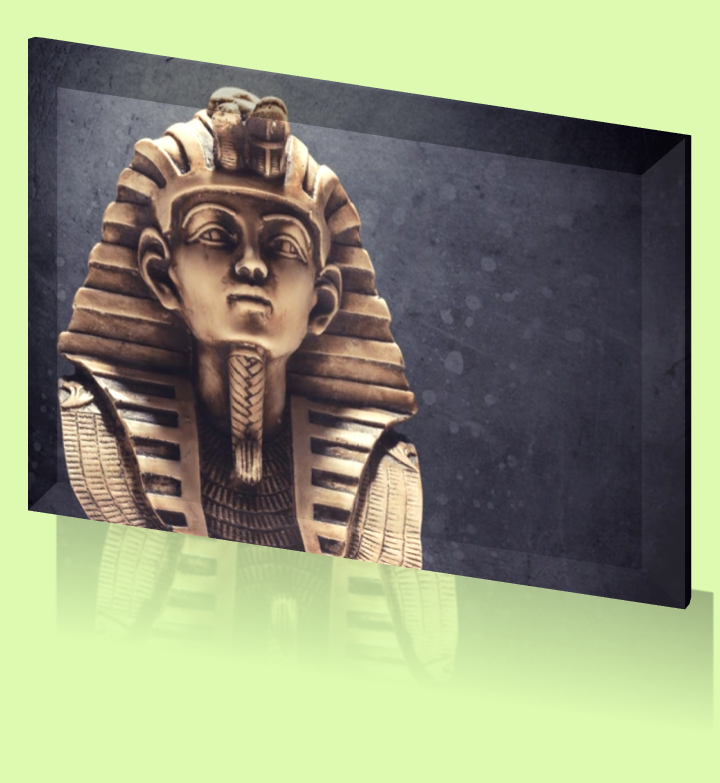
Years: 3100 BC to 332 BC (Centuries: 32nd century BC to 4th century BC)
In ancient Egypt, soap-like substances were primarily crafted from animal fats and alkaline salts, but they weren’t widely used for bathing. Instead, Egyptians favored cleansing oils and aromatic lotions for personal care, which they believed to be gentler on the skin. Soap mixtures were more commonly used for medicinal purposes or for cleaning textiles, as Egyptians emphasized smooth, moisturized skin and valued the therapeutic and fragrant qualities of plant-based oils over the harsher properties of soap.
Ancient China

Images AI generated
Images AI generated
Years: 2070 BC to 206 BC (Centuries: 21st century BC to 3rd century BC)
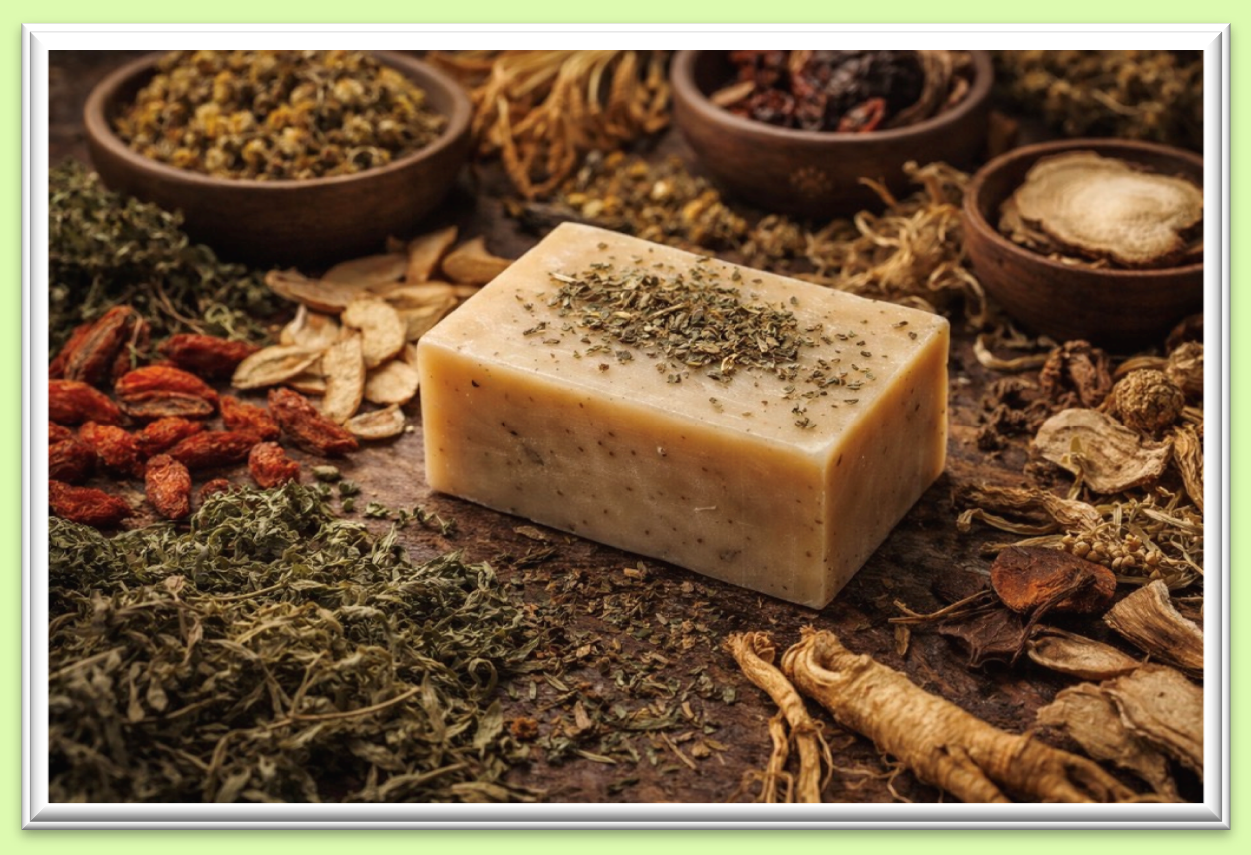
In ancient China, soap-making was less common than in the West, but soap-like substances were crafted using local ingredients and techniques, primarily for medicinal and hygienic purposes. Traditional methods involved plant-based oils combined with ash from specific plants to create a basic lye solution.
For the lye component, Chinese soap-makers commonly used ashes from local plant sources like straw, reeds, and seaweed, which provided the necessary alkaline properties to transform oils into soap. This approach used abundant, sustainable resources native to the region.
Chinese soap-makers often infused their soaps with herbs such as mugwort, which was prized for its antibacterial and healing qualities. These herbal additions aligned with traditional Chinese medicine practices, enhancing soap with beneficial properties for skin care and hygiene. These early soaps served both as cleansing agents and as treatments for minor skin issues.
Ancient Rome
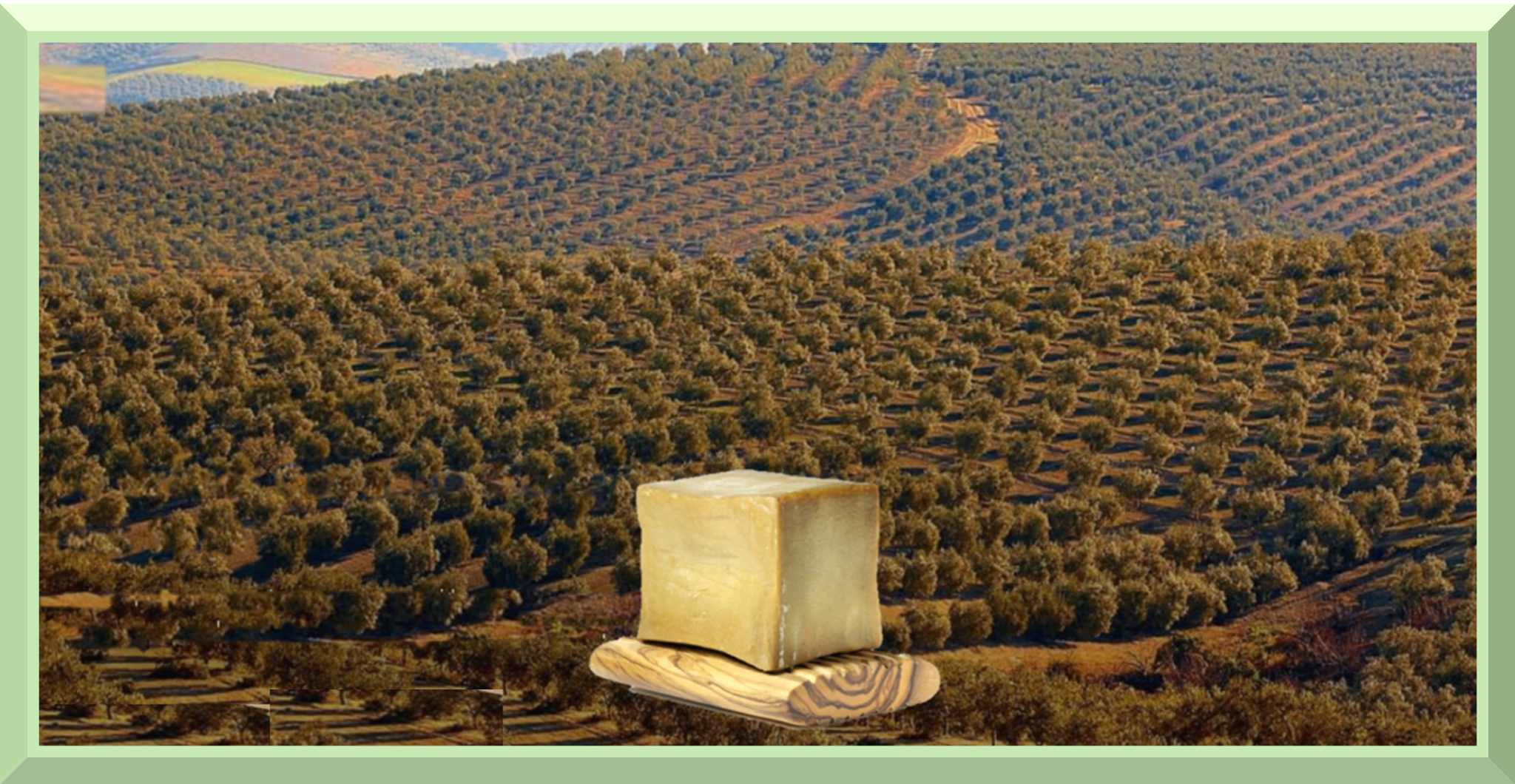
Image from Shutterstock
753 BC to AD 476 (8th century BC to AD 5th century)
While Roman citizens didn’t use soap-like substances for bathing, preferring anointing with oils and scraping off dirt and sweat with a strigil, their widespread cultivation of olive orchards laid the groundwork for future soap production. The extensive olive groves across regions like Syria, Spain, France, and Italy provided abundant olive oil, a key ingredient in soap-making. Over time, as these regions developed soap-making industries, they capitalized on the surplus of olive oil, a legacy of Roman agricultural practices. Thus, the unwitting contributions of the Romans to olive cultivation indirectly fueled the emergence of olive oil-based soap production in later centuries–14th through 15th century in Spain and then 18th through 19th century in Italy and France
Islamic Golden Age
Images AI generated
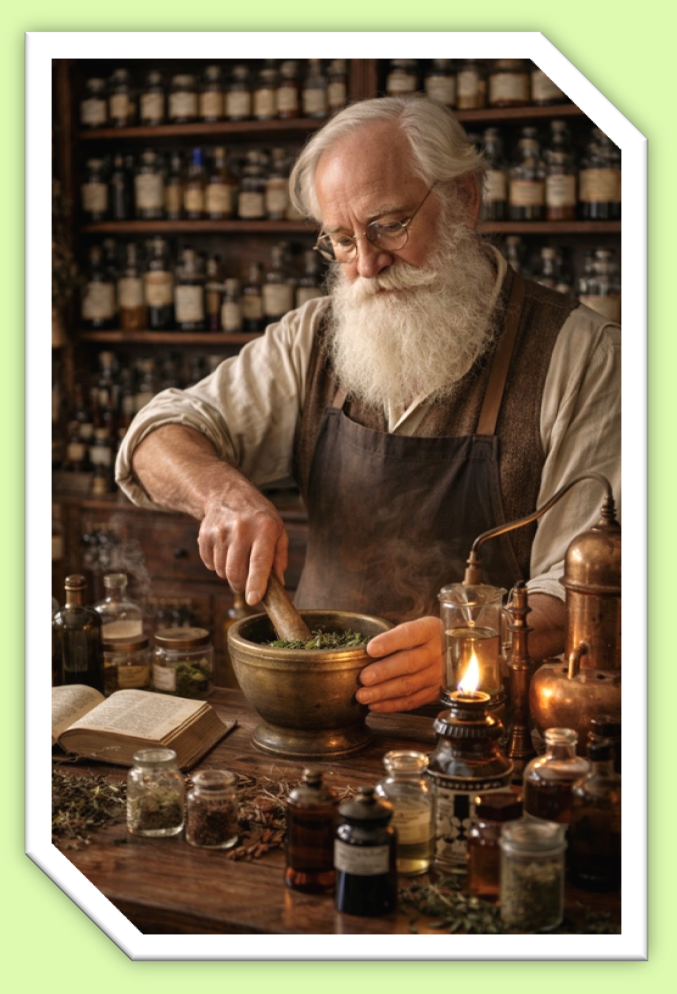
Image AI generated
AD 750 to AD 1350 (AD 8th century to AD 14th century)
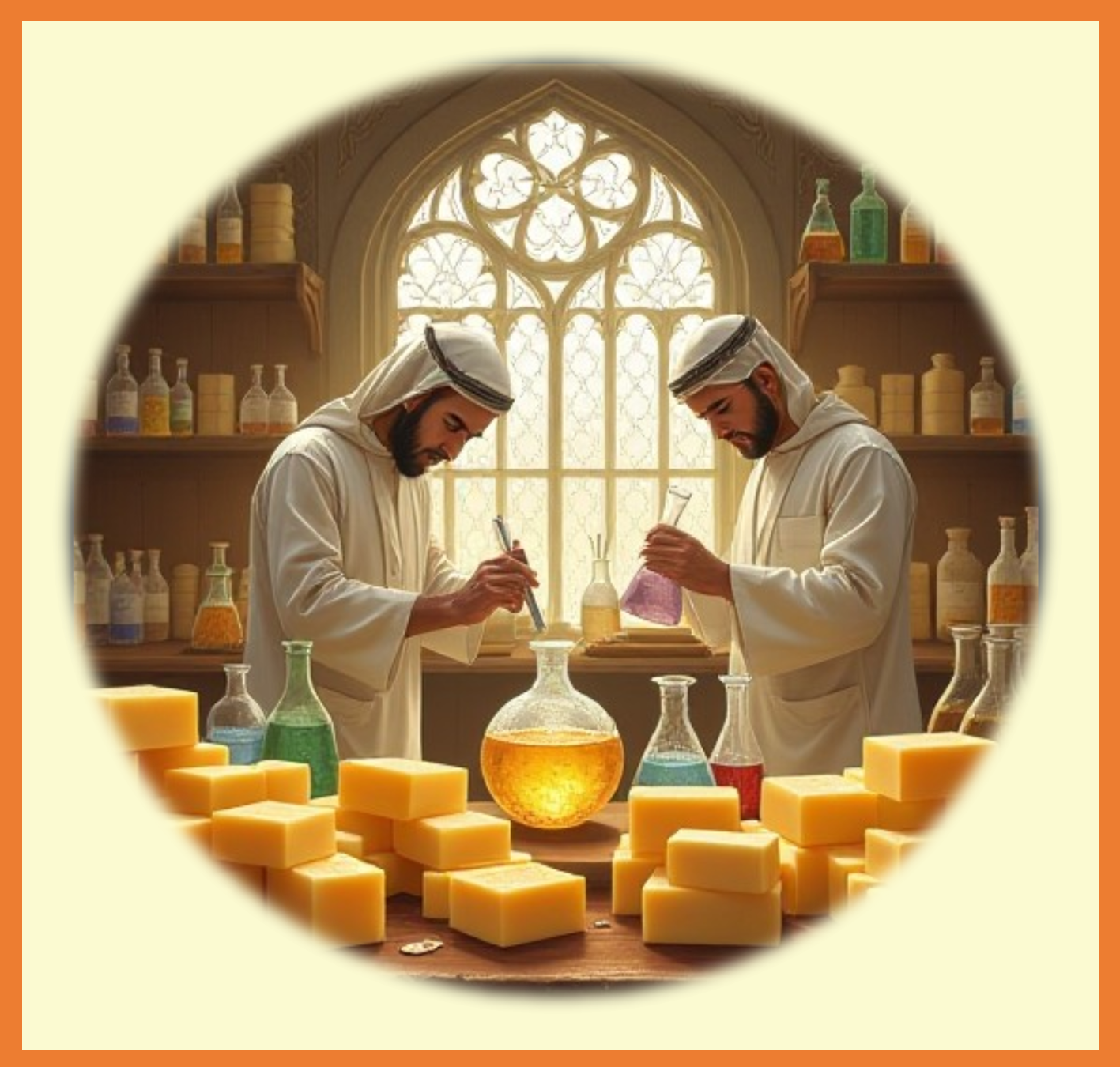
During the Islamic Golden Age, soap-making reached new levels of refinement and sophistication. Muslim chemists and artisans advanced soap production techniques, creating bars of soap that were not only effective cleansers but also luxuriously scented with essential oils and fragrant ingredients like thyme, rosemary, and olive oil. These innovations in soap were documented by renowned scholars such as Al-Razi (Rhazes) and Ibn Sina (Avicenna), who wrote extensively on hygiene, medicine, and chemistry. Their treatises described the process of soap-making and recognized its role in personal health, helping to establish soap as a daily necessity rather than a luxury.
The production of soap in this era was closely tied to the early developments in chemistry, or “alchemy” as it was then known, with Islamic scholars understanding the chemical reactions involved in soap production. They perfected the process of saponification—transforming fats or oils into soap using an alkali-like potash. This advancement spread through trade routes to Europe, where soap-making techniques were eventually adopted and further developed. The sophisticated soaps crafted during this period reflected the Islamic world’s emphasis on cleanliness, which was both a cultural practice and a religious principle, showcasing the lasting impact of the Islamic Golden Age on global hygiene practices.
Medieval Europe
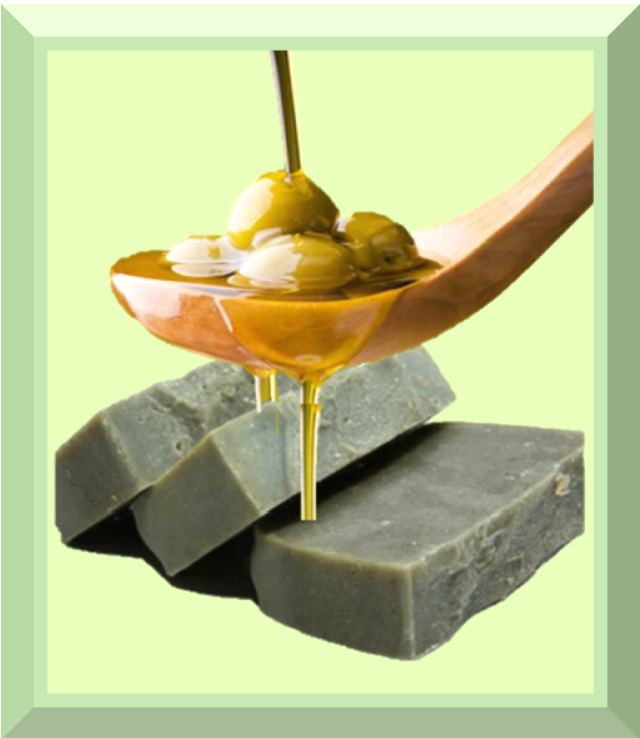
Image AI generated
AD 476 to AD 1453 (AD 5th century to AD 15th century)
The Three Phases of the Middle Ages
- Early Middle Ages (5th–10th Century): A time when soap-making was in its infancy, primarily used for cleaning textiles rather than for personal hygiene. Simple soaps made from animal fats and ashes were common.
- High Middle Ages (11th–13th Century): A period of significant advancement in soap-making, influenced by Islamic techniques, with the emergence of higher-quality soaps like Castile soap, made from olive oil, which gained popularity for personal use.
- Late Middle Ages (14th–15th Century): Soap production flourished in regions like Italy and France, with well-known varieties such as Savon de Naples and Savon de Marseille. Soap became a more widespread and luxurious product, with urban centers seeing an increase in both demand and production..
Early Middle Ages
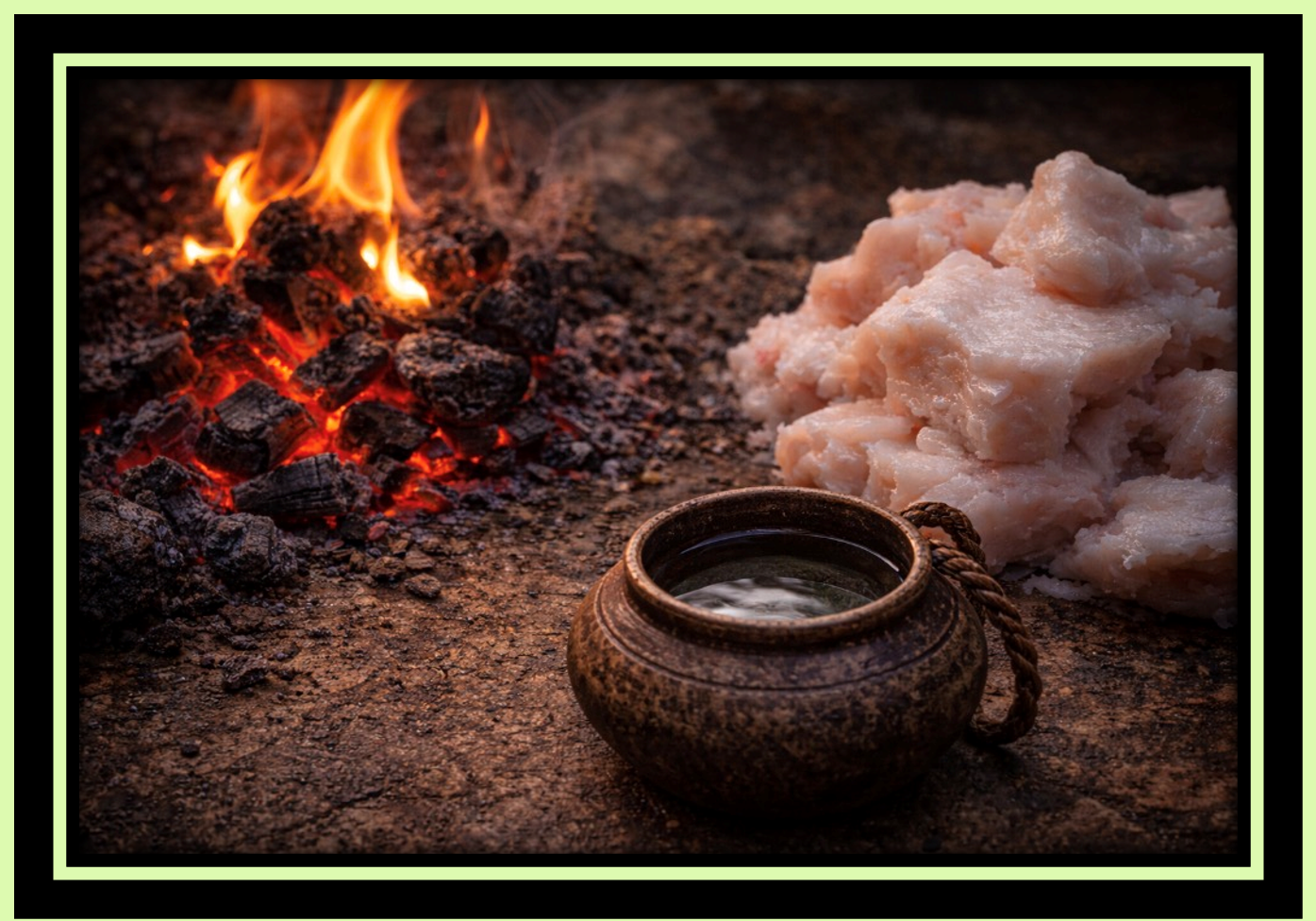
Image AI generated

Image AI generated
AD 476 to AD 1453 (AD 5th century to AD 15th century)
In the early Middle Ages, soap was used primarily in Mediterranean regions where its production and use had been influenced by ancient Roman and even earlier practices. Soap was typically made from animal fats and ashes, resulting in a coarse product that was used mainly for cleaning fabrics and household items rather than for personal hygiene. The use of soap for bathing was limited, and many in medieval Europe associated frequent washing with vulnerability to illness, as health theories at the time held that water could weaken the body’s defenses.
Despite this, soap-making techniques continued to evolve, especially in monasteries where monks preserved and refined many ancient skills, including the basics of soap production. Simple soaps made in these communities were typically unscented and were often used more for washing wool and textiles than for personal care. By the later Middle Ages, however, the influence of Mediterranean soap-makers, especially from the Islamic world, began to reach Northern Europe, bringing about a gradual change in how soap was made and used across the continent.
High Middle Ages

Image from Shutterstock

Images AI generated
AD 476 to AD 1453 (AD 5th century to AD 15th century)
In the High Middle Ages, soap production and use began to expand significantly in Europe, with advances in both technique and quality. During this period, the region became increasingly influenced by the sophisticated soap-making methods of the Islamic world, especially in Mediterranean areas like Spain and Italy. One of the most notable innovations of this era was the creation of Castile soap in the Castile region of Spain. Unlike earlier soaps made with animal fats, Castile soap was crafted primarily from pure olive oil, resulting in a smoother, milder soap that was gentler on the skin. Its purity and quality made it highly prized, eventually earning it popularity across Europe and even beyond.
Castile soap’s reputation grew as it became associated with luxury and hygiene, with its production concentrated in Spain, where abundant olive groves provided a steady supply of high-quality olive oil. The mildness of Castile soap set a new standard and influenced soap-making traditions in other regions. This era marked a shift toward soap as a personal care product, with wealthy households beginning to incorporate soap into their bathing routines, setting the stage for the growing emphasis on personal hygiene in later centuries.
Late Middle Ages
Marseille soap from Etsy
AD 476 to AD 1453 (AD 5th century to AD 15th century)
The Late Middle Ages saw significant advancements in soap-making, particularly in Italy and France, as soap began to emerge as an essential item for personal hygiene, especially among the wealthier classes. By this time, soap production had become more refined, with Mediterranean regions at the forefront of innovation. Italy, known for its skilled artisans, developed high-quality soaps made from a mix of olive oil, herbs, and other local ingredients. This marked a shift from the coarser soaps of earlier centuries, as soap became increasingly associated with cleanliness and luxury, paving the way for broader use across different social classes.
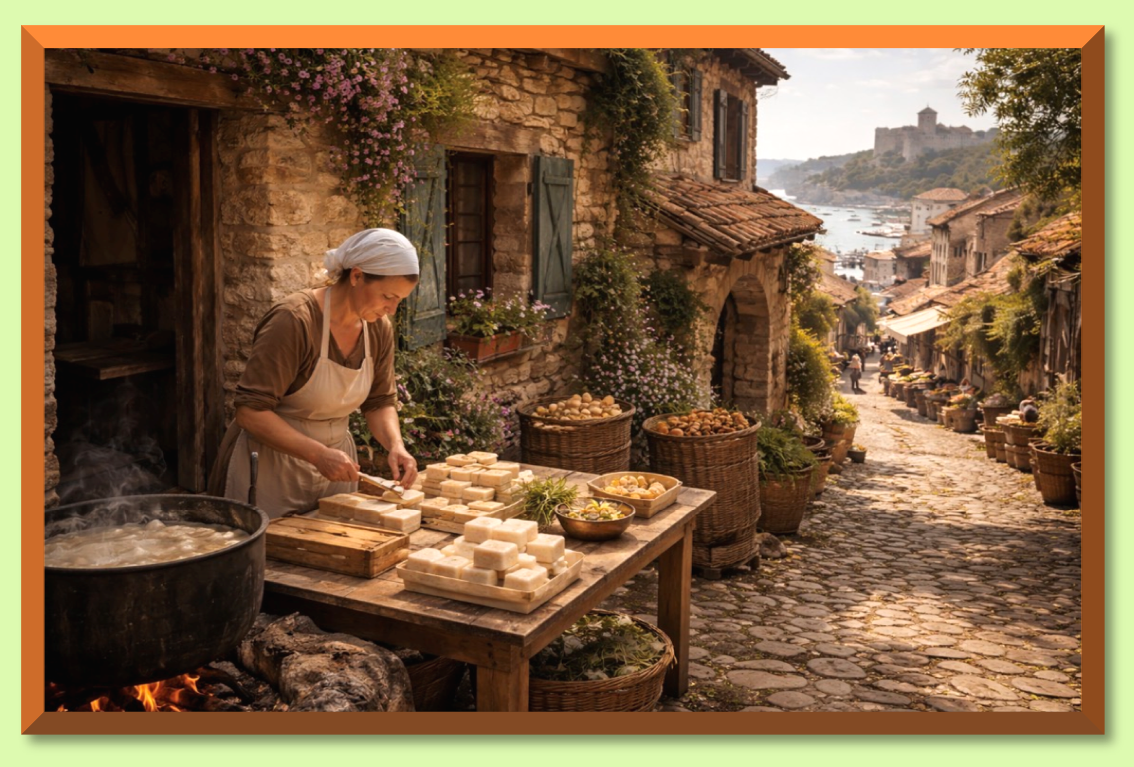
Image AI generated
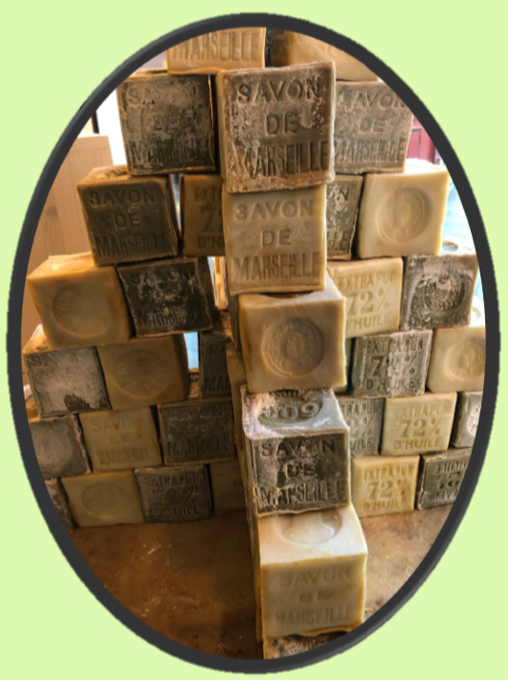
France, too, played a key role in the evolution of soap during this period. French soap-makers, particularly in regions like Marseille, began to create renowned soaps, famously known today as “Savon de Marseille.” These soaps were crafted using olive oil, much like Castile soap, but with additional local touches, such as the use of saltwater from the Mediterranean. The Late Middle Ages also saw soap becoming more widely available in urban centers, with the rise of soap-makers’ guilds and the development of large-scale production, further solidifying soap’s role in everyday life.
Modern Era
Years: AD 1492 to AD 2020s (Centuries: late AD 15th century to AD 2020s)
The term “modern era” or “modern period” can be defined in various ways, depending on the context—historical, artistic, or otherwise. However, in a broad historical sense, the modern era is typically considered to start with the late Renaissance period and continues to the present day.
This periodization can be broken down into three main parts:
- Early Modern Period
- Long 19th century, and
- 20th century and beyond.
Early Modern Period
Years: AD 1492 to AD 1789 (Centuries: late AD 15th century to late AD 18th century)
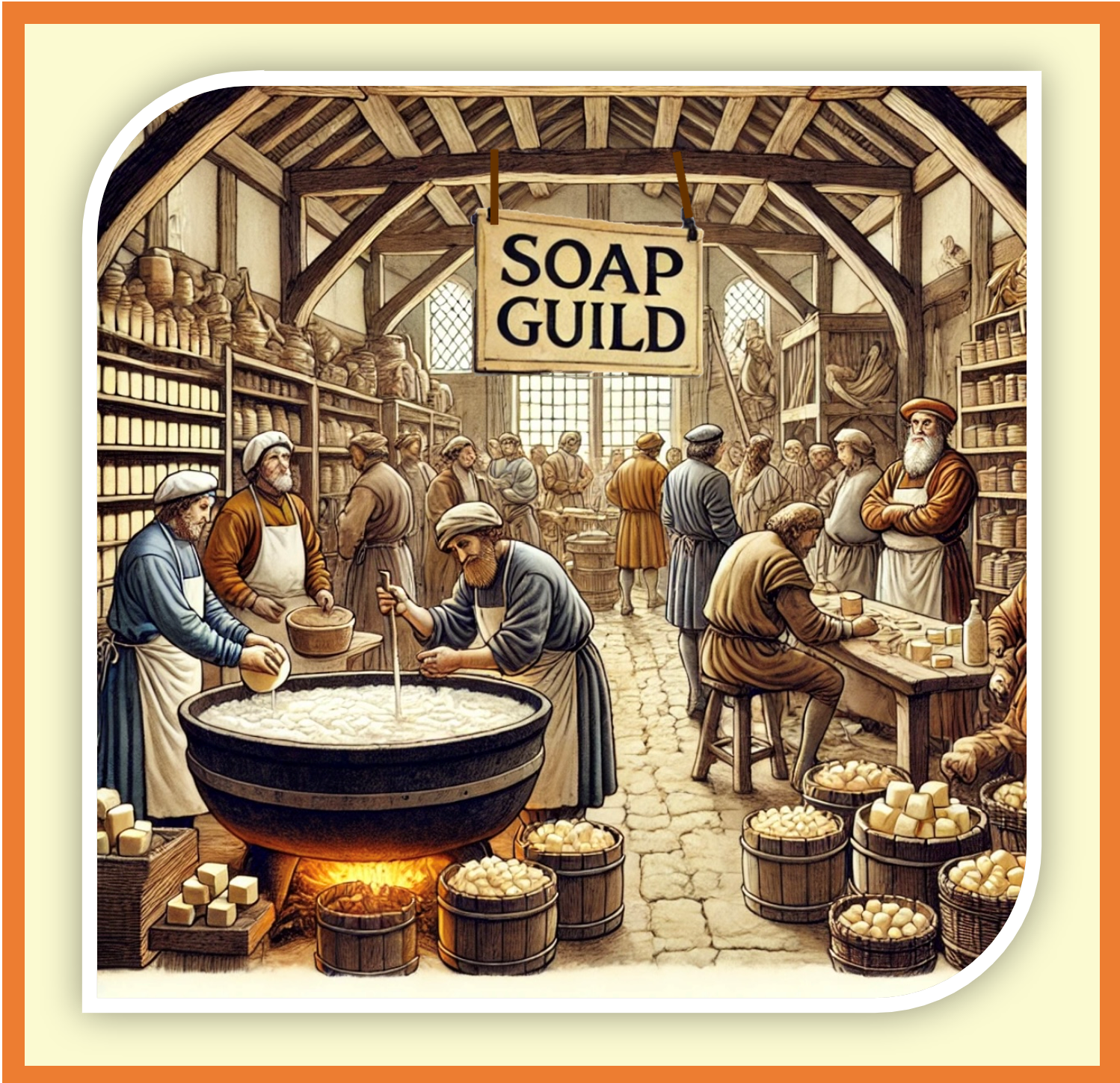
Image AI generated

Images AI-generated
Yes, guilds were part of the early modern period, which spans roughly from the 15th century to the late 18th century. During this time, guilds played a crucial role in regulating trade, including soap-making, and maintaining quality control in various industries. By the 19th century, as industrialization took over, many guilds began to decline, but their influence during the early modern period laid the groundwork for more organized production methods in many trades.
Exploration during the Age of Discovery expanded soap-making practices to the Americas by facilitating the exchange of knowledge and ingredients between Europe, Africa, and the New World. As European settlers established colonies, they brought with them soap-making traditions and ingredients, such as olive oil, and introduced indigenous peoples to new soap production methods. The exchange of materials like palm oil and ash further influenced the evolution of soap production, shaping a diverse range of soap-making practices that became integral to colonial economies and local cultures.
The exploration and exploitation expanded European trade networks, facilitated the exchange of goods and ideas between continents, and ultimately reshaped global history. While good for Europe, it had devastating effects and caused great suffering for the indigenous peoples throughout the Americas, as well as other regions where colonization was taking place.
Long 19th Century
Years: AD 1789 to AD 1914 Centuries: Late AD 18th century to early AD 20th century)
The long 19th century (approximately 1789–1914) was indeed when major scientific advancements in soap production took place. This period brought new understanding of chemistry, leading to more refined and efficient soap-making processes, transforming soap into a widely available household item rather than a luxury. Key improvements, such as more effective saponification methods and large-scale production techniques, emerged during this time, setting the foundation for modern soap production.
AI generated image
SCIENTIFIC ADVANCEMENTS (18th – 19th Century)
During the 1700s and 1800s, several scientific advancements and innovations revolutionized soap production, making it more efficient and cost-effective:
- The ability to mass produce soda ash (sodium carbonate) from common salt (sodium chloride) came about in 1791. Soda ash was a crucial ingredient in soap-making.
- Discovering the relationship between glycerin and fatty acids resulted in more consistent & higher-quality soap.
- Innovations such as steam power and machinery streamlined the soap-making process. The Industrial Revolution brought mechanization and automation to soap production, increasing efficiency and output while reducing labor costs.
- Advancements in chemistry provided a deeper understanding of the chemical reactions involved in soap-making, allowing for the development of new and improved formulations.
- The improvement of transportation networks and mass marketing techniques increased demand for soap, reaching markets more efficiently.
The 18th and 19th centuries innovations, especially those tied to the Industrial Revolution, fundamentally transformed soap from a luxury item into an affordable everyday product for the general population.
(I'm including the late 1900s)
20th Century Beyond
Years: late AD 1870s to AD 1900 (Centuries: late AD 19th century to 20th century….and not beyond)
German Products: Persil & Fewa
P&G Products: Dreft & Tide
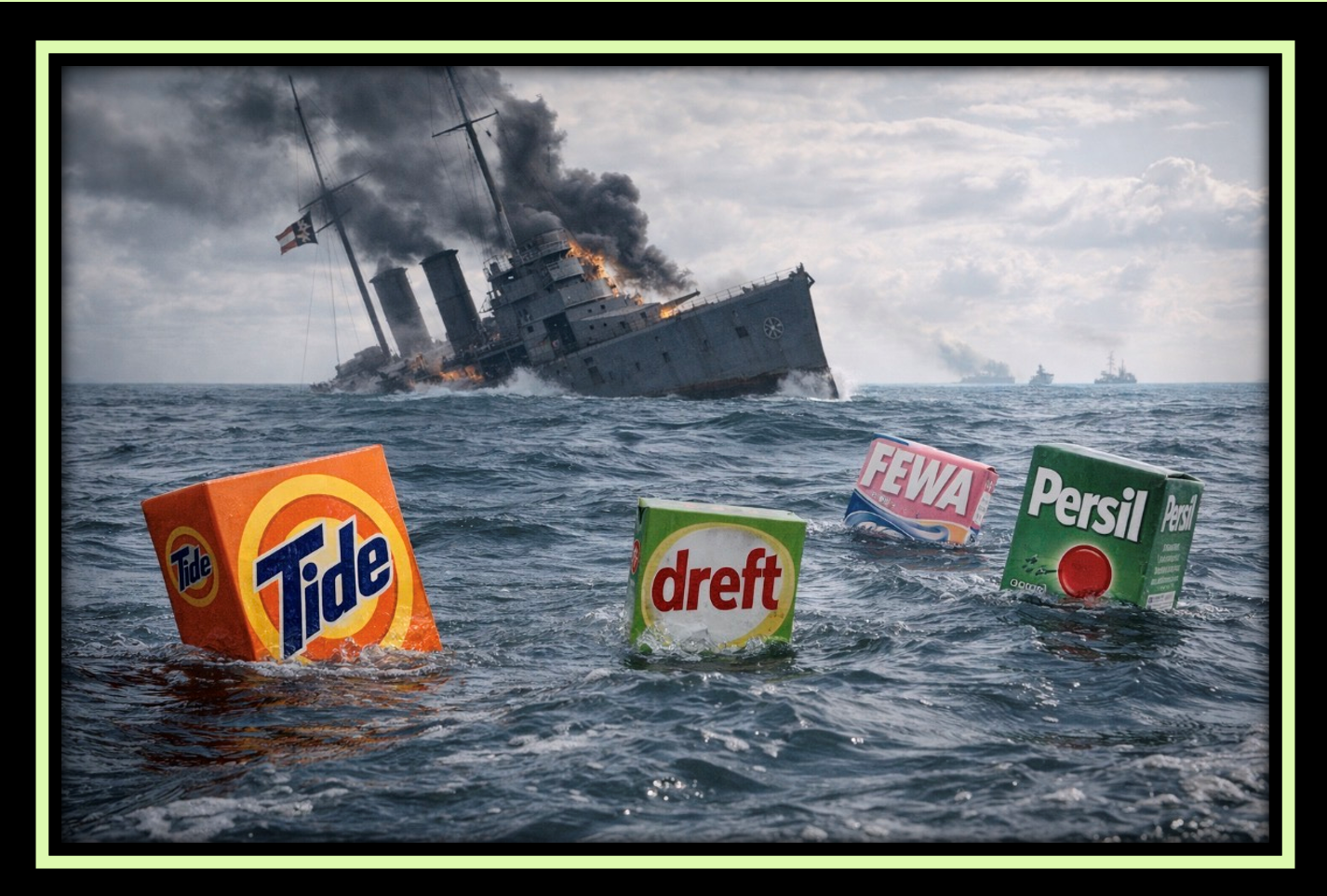
AI generated image
P&G marketed the 1st Vegetable Oil-baed soap in America.
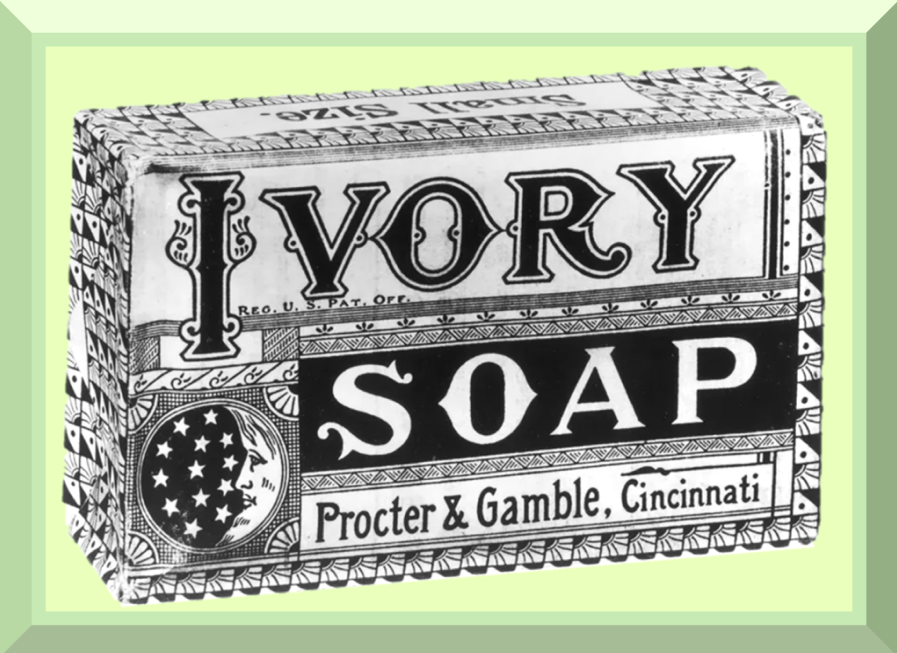
Photo from CNN & Getty Images
GERMAN WORK TOWARD A SYNTHETIC CLEANSER
Necessity is the mother of invention and that is how synthetic detergents came to be created. During World War I and World War II, Germany faced significant challenges in obtaining traditional soap-making ingredients due to blockades and disruptions to trade routes. As a result, German scientists began researching and developing synthetic alternatives to traditional soap, which could be produced from more readily available and domestically sourced materials.
One of the most prominent figures associated with Germany’s development of synthetic detergents was a chemist named Heinrich Gottlob Börnstein who, in 1907, patented a process for the production of synthetic detergents using sulfonated hydrocarbons. This process laid the foundation for the commercial production of synthetic detergents and contributed to the eventual development of modern detergent formulations.
Another key figure was the German chemist Fritz Hofmann, who researched surfactants. He played a crucial role in the synthesis of alkylbenzene sulfonates, a key ingredient in synthetic detergent formulations.
P&G’S ATTAINMENT OF AND WORK TOWARD A SYNTHETIC CLEANSER
In April 1931, Robert Duncan, a process engineer with P&G attained a sample of the German’s synthetic product and reverse-engineered it–a bit surreptitiously in my opinion. However, history doesn’t state this since, in the end, P&G collaborated with German companies to license the surfactant technology and develop its first synthetic detergent introduced by P&G in 1933.
By the 1930s and 40s, with the advent of synthetic detergents, the P&G company underwent significant transformation. The introduction of Dreft® followed by Tide® marked a pivotal moment for P&G propelling it into the realm of technology and chemical innovation to create groundbreaking products, subsequently marketed on a global scale.
Stepping into the 21st century there’s an ongoing evolution of soap production in response to globalization, technological advancements, and changing consumer preferences.
Educational & Informational Disclaimer
The information provided on this website is for educational and informational purposes only. It is intended to share general knowledge about traditional soapmaking, ingredient behavior, historical context, and manufacturing processes.
Nothing on this site is intended to diagnose, treat, cure, or prevent any disease or medical condition. The products offered are classified as soap under FDA guidelines and are not intended to affect the structure or function of the skin or body. Individual experiences and preferences may vary.
Information presented here should not be considered a substitute for professional medical advice, diagnosis, or treatment. If you have a medical condition, skin concern, or sensitivity, please consult a qualified healthcare professional before using any product.
This website may reference or link to third-party scientific, technical, or educational resources for general learning purposes. These references are provided to support transparency and encourage independent research, not as endorsements or medical guidance.
Click here to read the full disclaimer.
Contact me:
Text:
(479) 651-2760
I typically respond to texts almost immediately unless I’m in the middle of making soap.
As soon as I reach a stopping point, I’ll be sure to check and reply.
I check my email daily and will get back to you as soon as possible.